

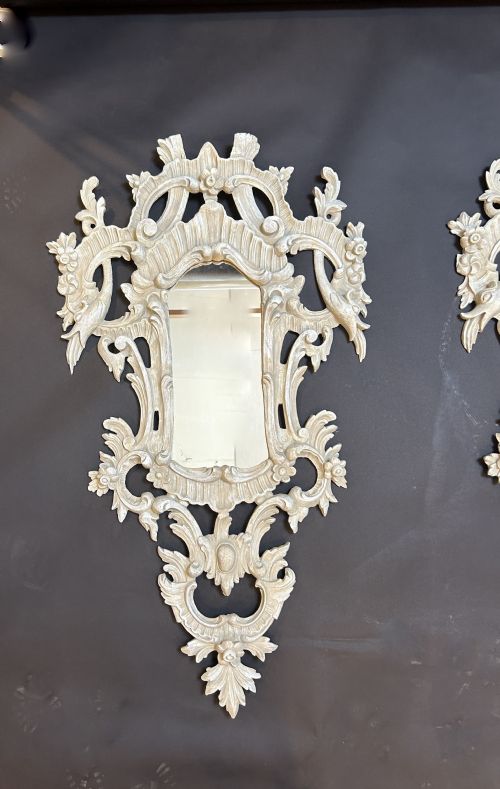


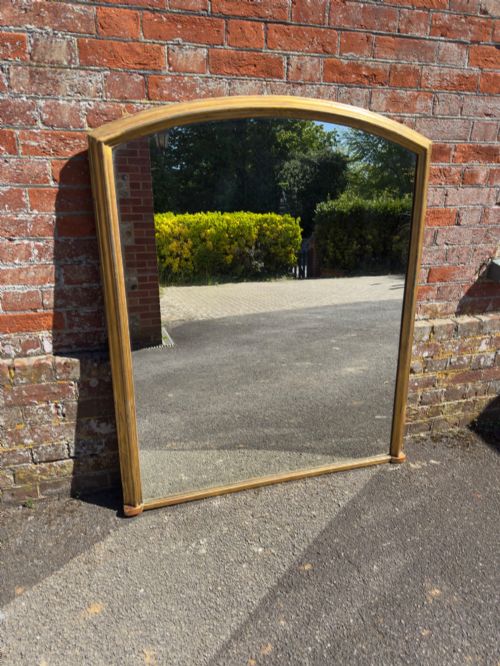
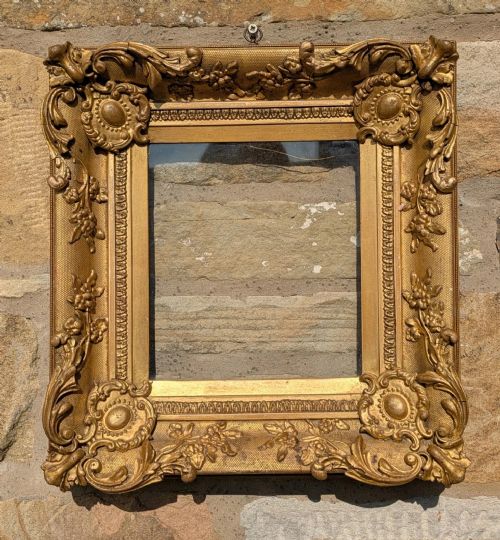
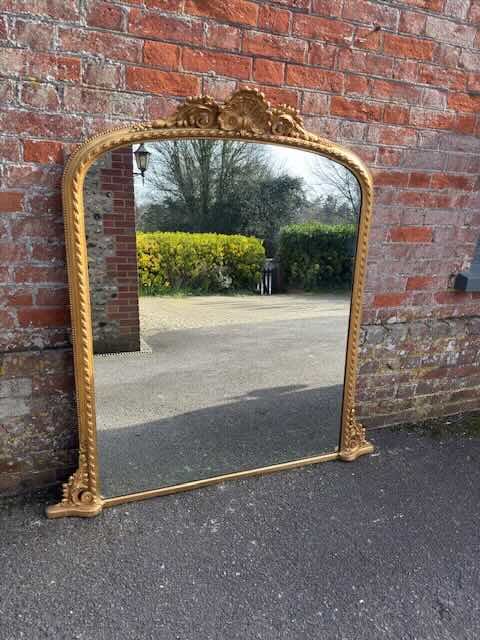
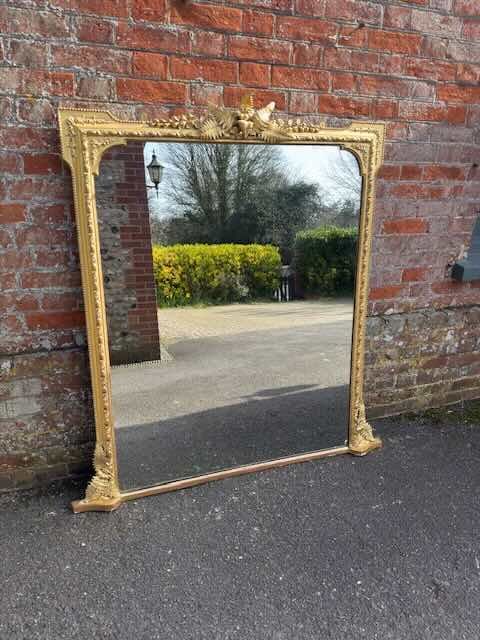


Gesso Decorative Wall Mirror
A gesso decorative wall mirror brings depth and ornate historical texture to a room, offering reflective light and sculptural framing.
Gesso Decorative Wall Mirror
A gesso decorative wall mirror combines a wooden sub-structure, a chalk or plaster ground, and reflective glass to form an ornate focal point. When you search for a gesso decorative wall mirror, you encounter pieces intended to command attention in a room through intricate surface modelling.
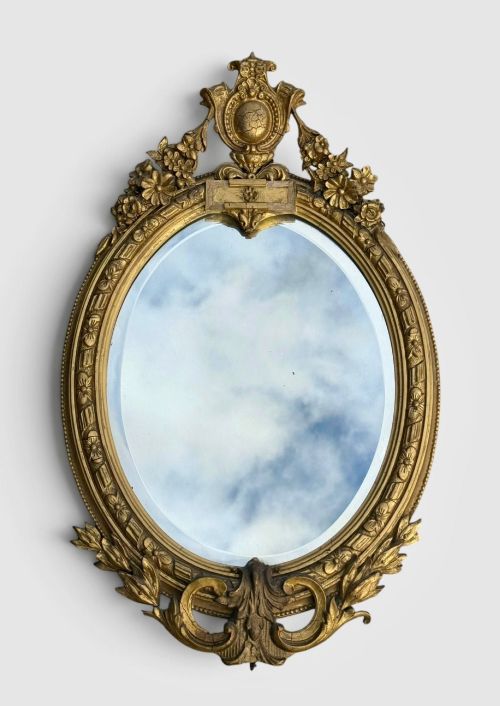
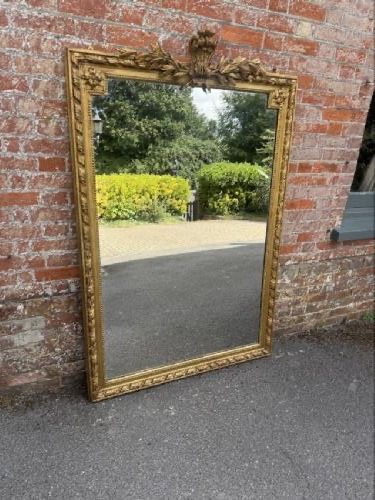
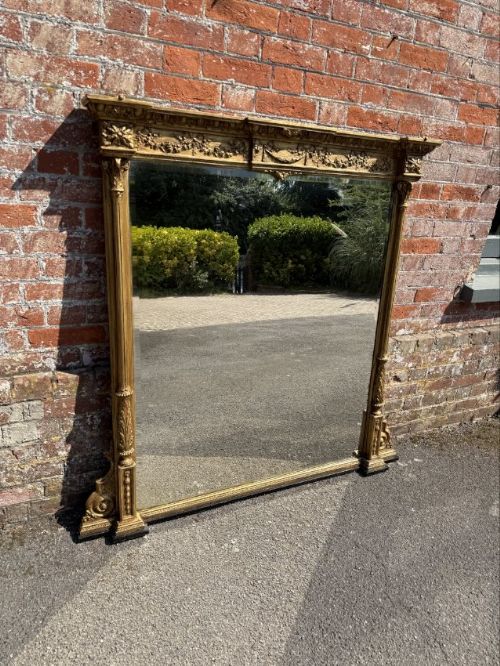
The versions most commonly met on this page date from the nineteenth century, including Victorian, Edwardian, and Regency eras. These span standard wall mirrors, large overmantels designed for mantelpieces, and oval or circular formats.
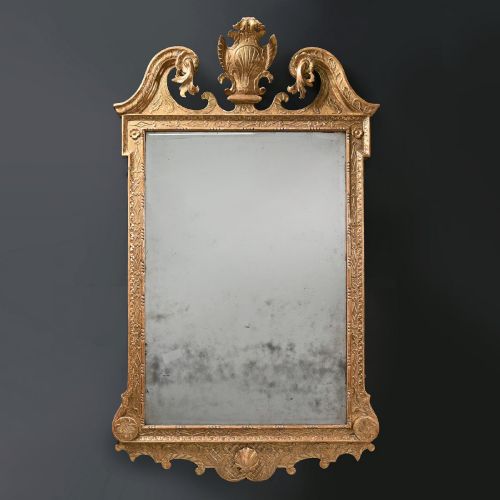
Origins stretch across English, French, Italian, and continental workshops, incorporating styles from Rococo and Baroque revivals to Gothic and simple shaped frames. The decorative repertoire includes shell motifs, laurel leaves, rope twists, and lions' heads.
Materials and construction
Makers constructed the carcass from carved wood, applying layers of gesso to build up high-relief ornamentation before gilding the surface with gold leaf or applying paint. This combination allowed artisans to render crisp details such as cherubs, floral decoration, and elaborate scrolls that solid timber alone could not sustain.
Mirror glass sits within these robust frames, frequently accompanied by bevelled edges or divided panel formats. Surfaces often display a dual-colour finish or cream tones beneath the gilt, creating layered visual depth.
A cheerful contingent of carved cherubs and lions' heads peer out from beneath the gold leaf.
Distinctions in craftsmanship
Quality rests upon the depth and precision of the carved gesso relief work, separating crisp, hand-modelled ornamentation from softer, less defined mouldings. The articulation of fine details like rope twists, shell motifs, and animal carvings reveals the hand of a skilled workshop.
The integrity of the underlying wooden frame and the richness of the gold leaf or paint application further dictate the standard of a piece. Well-proportioned structures maintain their architectural balance whether scaled as a compact hall mirror or a substantial overmantel.
The Gesso Decorative Wall Mirror Glossary
- Gesso
- A plaster-like mixture applied to wood frames to provide a smooth, sculptable surface for gilding or painting. It allows intricate three-dimensional ornamentation to be formed.
- Giltwood
- Timber that has been coated with gold leaf or gold paint. This finish creates a luminous metallic surface characteristic of formal decorative mirrors.
- Overmantel Mirror
- A large horizontal mirror designed specifically to hang above a fireplace mantel. These pieces frequently incorporate arched tops or column frames.
- Baroque Revival
- A nineteenth-century design style emulating the dramatic, exuberant ornamentation of the seventeenth century. It relies on bold scrolls and heavy relief work.
- Rococo Revival
- A decorative style popular in the nineteenth century featuring asymmetrical C-scrolls, floral elements, and naturalistic shell motifs.
Gesso Decorative Wall Mirror: Frequently Asked Questions
What periods do these mirrors come from?
The pieces span the eighteenth, nineteenth, and early twentieth centuries, encompassing Georgian, Regency, Victorian, and Edwardian eras. Continental and English workshops produced these varied stylistic revivals.
Victorian and French nineteenth-century examples dominate the selection, showing distinct regional preferences in moulding and motif.
How do overmantel mirrors differ from wall mirrors?
Overmantel mirrors are proportioned specifically to sit above fireplace mantels, often featuring wide horizontal layouts or tall arched tops. Standard wall mirrors are designed for general hanging across hallway and room walls.
Both types utilise carved gesso and giltwood frames, but overmantels usually command a more architectural presence in an interior.
What is gesso made of?
Gesso consists of a mixture of a binder such as animal glue mixed with chalk, gypsum, or pigment. Artisans applied successive layers to a carved wooden base.
This responsive material allowed craftsmen to carve, stamp, and model elaborate low and high-relief decorations before applying gold leaf.
How do I identify a Rococo revival frame?
Rococo revival frames display characteristic asymmetrical C-scrolls, sweeping foliage, and naturalistic motifs like shells. The ornamentation feels fluid and organic rather than strictly symmetrical.
French and English nineteenth-century makers frequently employed this style to create highly decorative focal points.