

French Style Brass Tables
French style brass tables bring decorative metalwork and continental form together, offering a functional surface rooted in nineteenth and early twentieth century design.
French Style Brass Tables
French style brass tables comprise side tables, coffee tables, occasional tables, and etageres shaped by historical continental revivals. These forms draw upon nineteenth century production as well as later twentieth century interpretations.
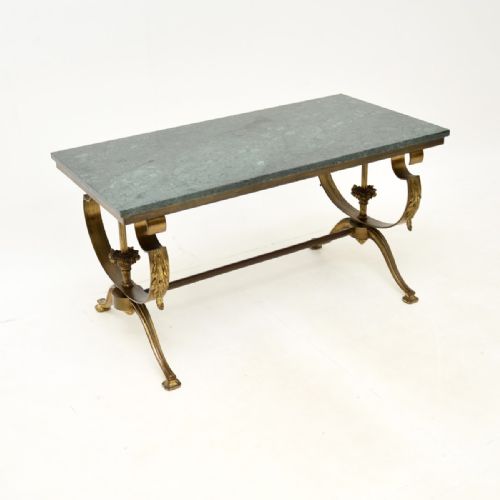
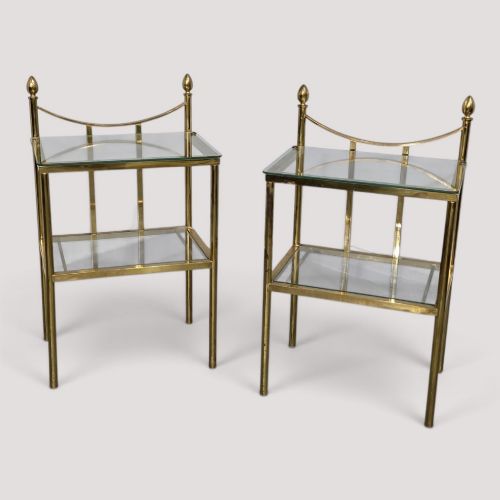
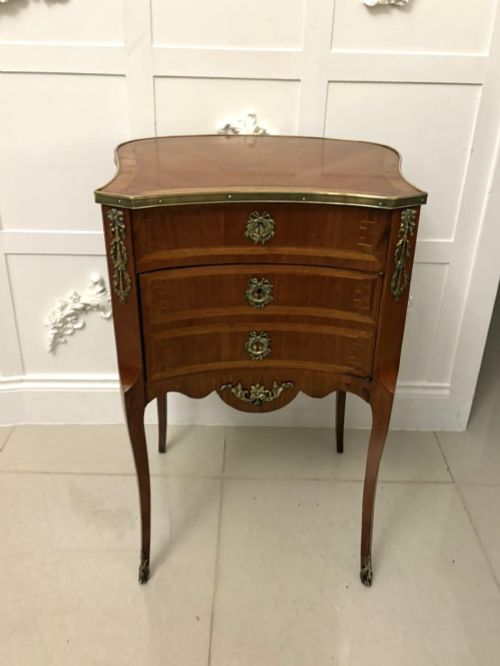
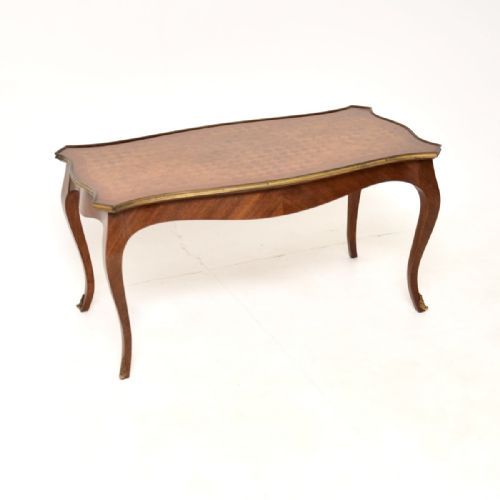
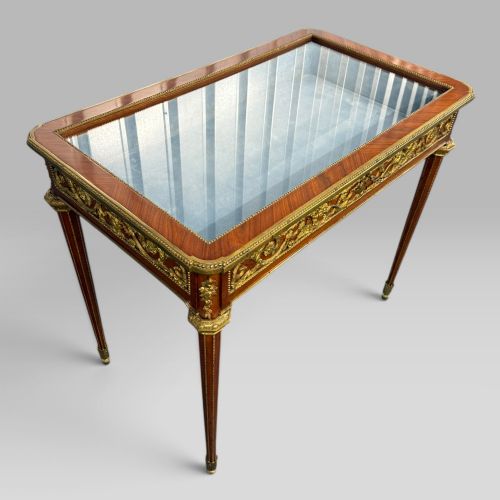
Buyers meet variations spanning simple brass frames with glass shelves to intricate inlaid parquetry surfaces mounted with cast bronze and ormolu. The selection reflects diverse domestic functions from display to bedside storage.
Origins trace through nineteenth century workshops and later Parisian makers, often adhering to Louis XV and Louis XVI design vocabulary. The resulting pieces combine structural utility with decorative metal mounts.
How they were made
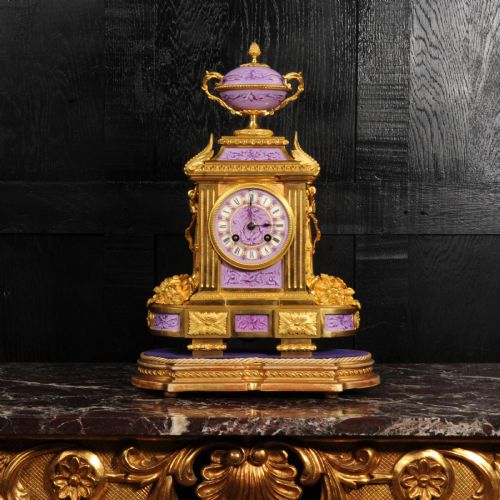
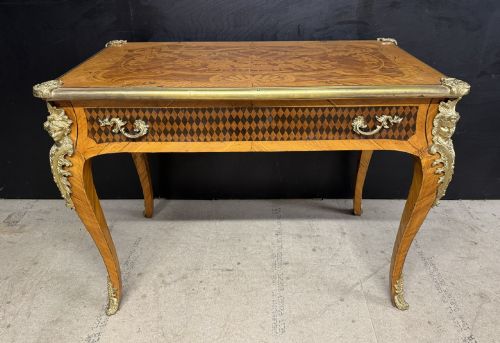
Construction relies on structural brass and gilt bronze frames combined with wooden carcases in walnut, kingwood, or ebonised timber. Surfaces frequently incorporate marble tops, inset glass, or detailed marquetry and parquetry veneers.
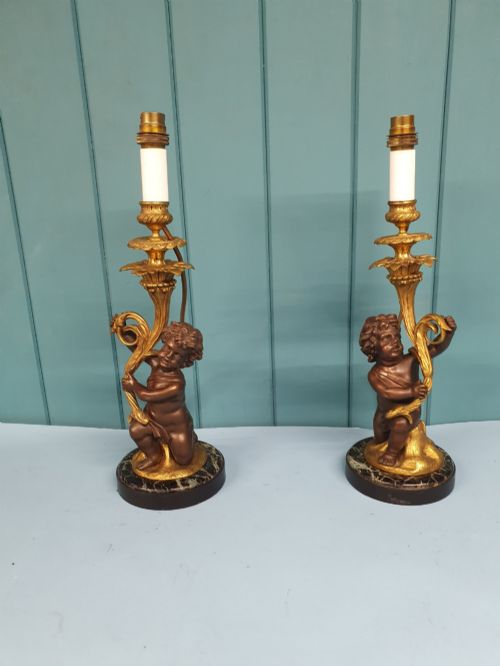
Metal components utilise casting and chiselling techniques to produce ormolu mounts, candelabra arms, and decorative feet. Cabinet makers integrated these cast elements with wood joinery or glass tiers to build sturdy multi-level furniture.
Listings feature brass, ormolu, and gilt bronze paired with marble, glass, and exotic woods across nineteenth and twentieth century periods.
What varies in quality
Quality rests primarily on the crispness of the metal casting and the precision of the surface inlays. Finer examples display deeply chased ormolu details and tight parquetry alignment without gaps.
The choice of secondary materials such as heavy marble slabs or selected hardwoods distinguishes standard production from high end workshop output. Structural integrity in the joints and the weight of the brass frame indicate the level of initial craftsmanship.
Achille Brocot·Henry Marc·Japy Freres·Thuret·François Linke·Maison Bagues
The French Style Brass Tables Glossary
- Ormolu
- Gilt bronze mounted or applied to furniture and decorative objects. This technique involves coating cast bronze in a gold amalgam to produce a bright metallic finish.
- Parquetry
- Geometric wood inlay forming patterned surfaces on tables and cabinets. Artisans arrange contrasting timber veneers into precise angular motifs.
- Etagere
- A set of open shelves designed for displaying small objects or books. These tiered structures often employ brass supports with glass or wooden trays.
- Marquetry
- Decorative veneer work depicting pictorial or floral designs using various coloured woods. Craftsmen cut thin sheets of timber to fit together within a prepared surface.
- Neoclassical
- A revival style drawing inspiration from classical antiquity. This aesthetic governs many nineteenth century mounts, legs, and symmetrical table designs.
French Style Brass Tables: Frequently Asked Questions
Are these tables suitable for everyday use?
Most occasional tables and etageres function well for daily placement of lamps, books, or decorative items. Care must be taken with delicate marble tops and veneered surfaces to avoid liquid rings or heavy impact.
Regular dusting with a soft cloth preserves the gilt and brass finishes without abrasive cleaning agents. Ensure that glass tiers and joints remain stable under load.
What is the difference between brass and ormolu?
Brass is an alloy of copper and zinc used widely for structural frames, rods, and simpler fittings. Ormolu specifically refers to gilt bronze, where a layer of gold is applied to a cast bronze base.
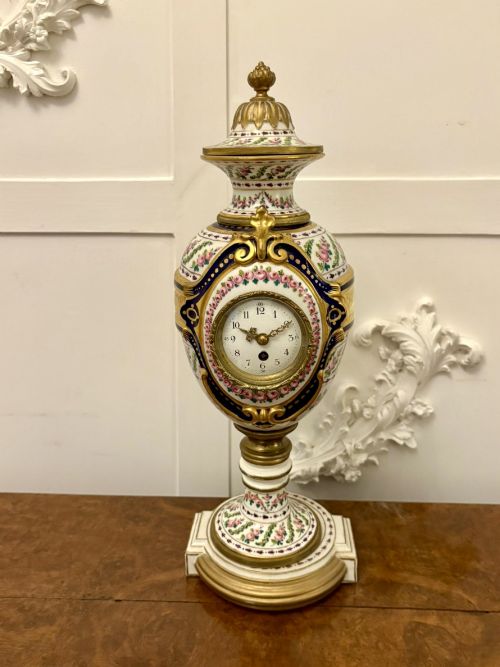
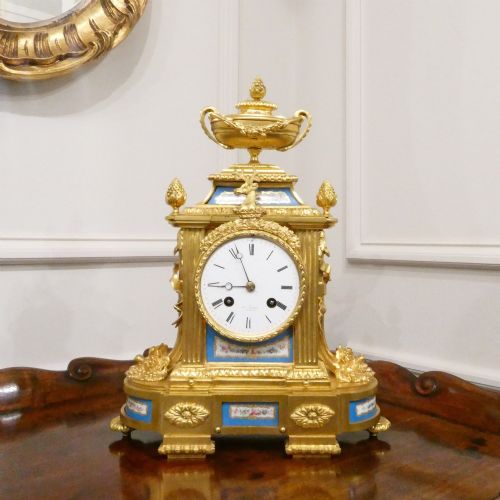
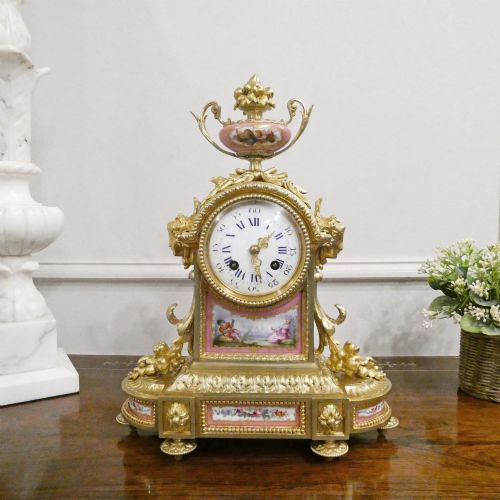
Ormolu generally appears on higher quality decorative mounts and clock cases, displaying a warmer and deeper lustre than standard polished brass. Cast bronze also permits sharper detail in sculptural elements.
How should I clean brass and gilt surfaces?
Dust surfaces gently with a dry microfibre cloth to remove surface particles without scratching the metal. Avoid harsh commercial metal polishes that can strip thin gilt layers from ormolu or plated components.
Professional conservation cleaning is recommended if tarnish obscures fine chasing on antique mounts. Keeping pieces away from direct moisture prevents corrosion on exposed brass.