


French Still Life
These pieces capture the quiet domesticity and rich texture of french still life, offering timeless studies of fruit, flowers, and everyday objects.
French Still Life
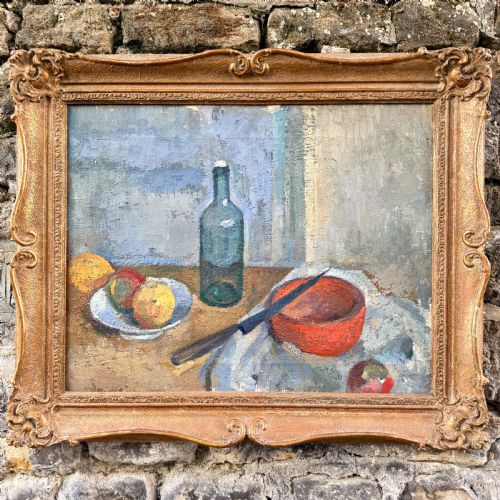
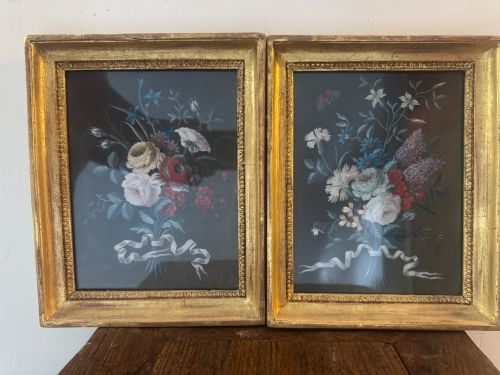
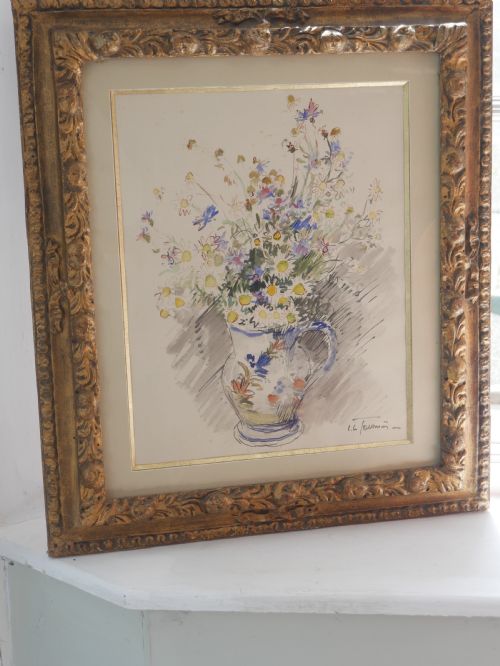
A French still life captures everyday domestic objects, game, fish, and botanical arrangements through the lens of various centuries and artistic movements. When exploring this selection, buyers encounter everything from academic nineteenth-century compositions to mid-century modernist and fauvist interpretations.
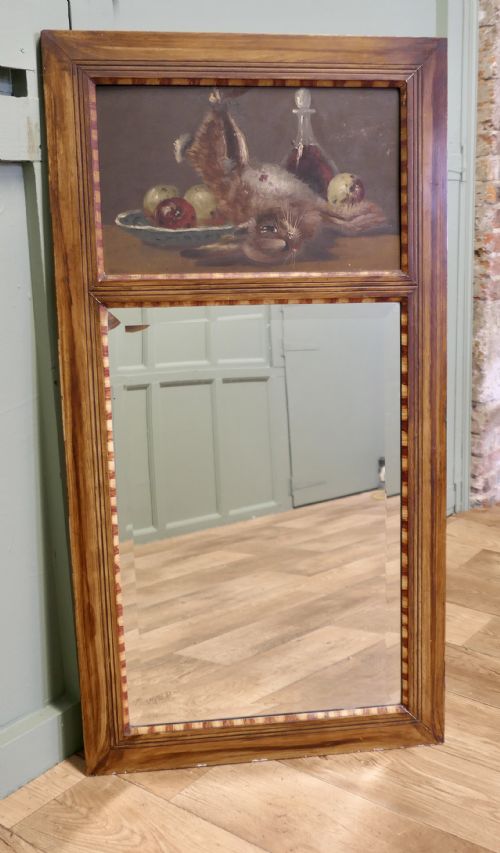
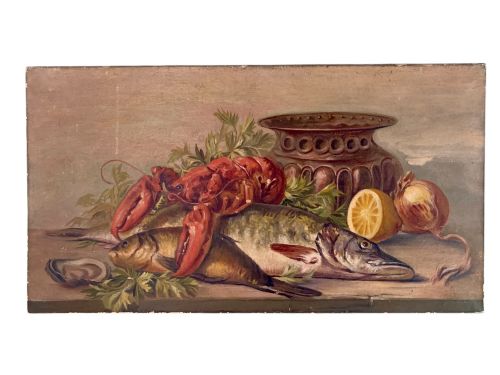
The category spans diverse formats, including oil paintings on canvas or panel, delicate gouache works on paper or board, and occasionally mirrors integrated into decorative schemes. Floral subjects, tablescapes featuring fruit or tureens, and game animals dominate the available imagery across these periods.
Origins trace directly to French studios, provincial workshops, and international artists working within French academic and avant-garde traditions. Most surviving examples date from the nineteenth and twentieth centuries, reflecting shifting attitudes towards colour, light, and form.
How They Were Made
Painters relied primarily on oil paint applied to stretched canvas, wooden panels, or mahogany boards, building up rich textures through layered brushwork. Gouache on paper or board served as an alternative medium for botanical studies and graphic compositions.
Support materials varied according to the period, with traditional stretched canvas and sturdy timber panels giving way to modern composition boards in later twentieth-century pieces. Frames often consisted of gilded wood or painted mouldings designed to complement the artwork.
Available forms include wall mirrors, framed botanical studies, and modernist still life paintings featuring fruit and flowers.
What Varies in Quality
Quality rests on the confidence of the brushwork, the harmony of the palette, and the structural integrity of the composition. Superior works demonstrate a assured handling of light and shadow that gives tangible weight to fruit, petals, and earthenware vessels.
Provenance and attribution elevate certain pieces, particularly those associated with documented artists, exhibition histories, or recognised regional schools. The preservation of the original surface, uncompromised by heavy restoration, determines the enduring presence of the artwork.
Jean Baptiste Isabey·Alfred Arthur Brunel de Neuville·Bertoldo Taubert·Pierre-Laurent Baeschlin·Richard Maguet
The French Still Life Glossary
- Gouache
- An opaque water-based paint that dries to a matte finish, frequently utilised for botanical studies and works on paper.
- Trumeau
- An antique decorative wall mirror or panel featuring painted or carved ornamentation, often integrated into wood panelling.
- Post-Impressionism
- An artistic movement following impressionism that prioritized expressive colour, distinct brushstrokes, and symbolic content over strict naturalism.
- Encaustic
- A painting technique involving heated beeswax mixed with coloured pigments, creating a durable and luminous textured surface.
French Still Life: Frequently Asked Questions
What periods do these paintings cover?
The works span from the nineteenth century through the mid-twentieth century, reflecting evolving aesthetic movements.
Buyers encounter academic realism, impressionism, post-impressionism, and modernist abstraction within the same broad tradition.
How do I hang a heavy oil painting safely?
Large canvases and wooden panels require secure wall fixings suited to the weight of the frame and support.
Professional picture hooks anchored into solid wall studs ensure the piece remains stable over time.
Are these works signed by the artists?
Many pieces bear artist signatures, studio stamps, or period attributions recorded on the canvas or reverse.
Unsigned works often reflect the output of regional French schools or anonymous practitioners of the period.
What subjects are most common?
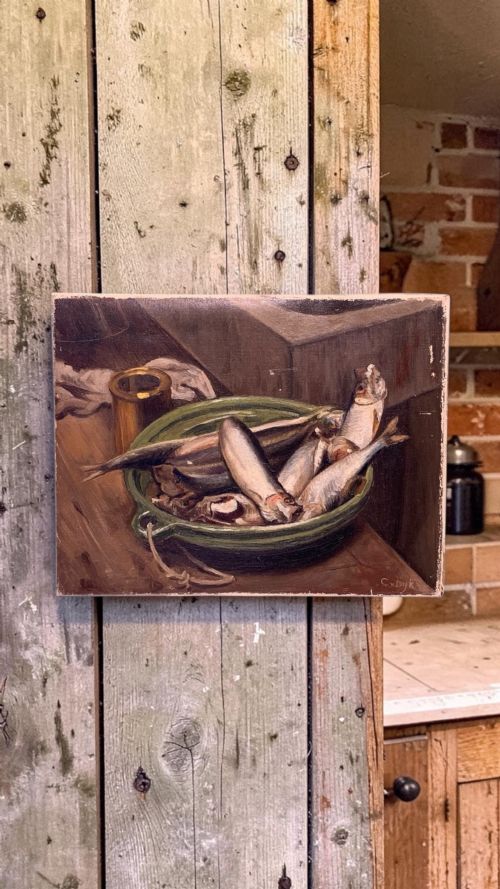
Floral arrangements, tabletop fruit, and kitchen provisions like fish and game appear frequently across the selection.
Artists also explored domestic interiors, tableware, and symbolic objects such as books and globes.