

French Side Table with Shelf
These french side table with shelf designs offer practical tiering and continental elegance, bringing adaptable surface space and traditional display to any room.
French Side Table with Shelf
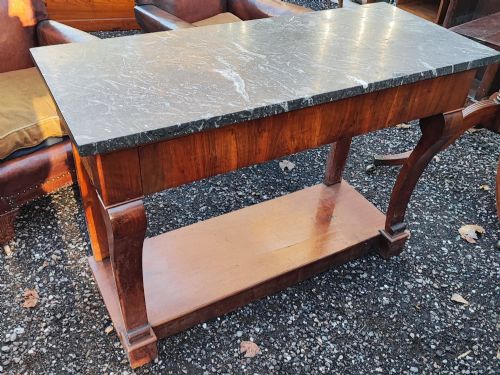
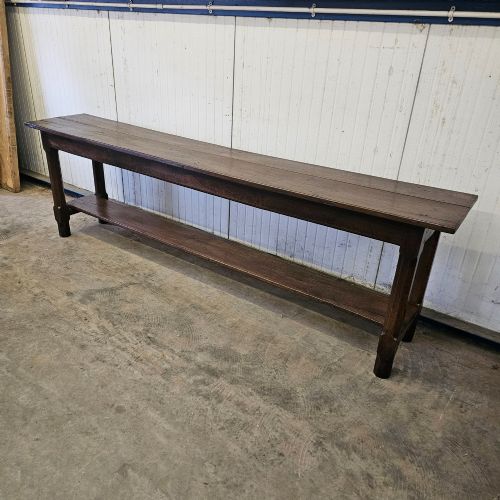
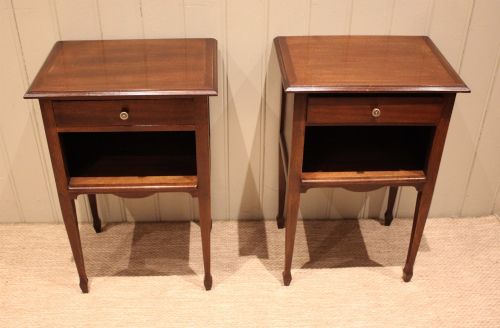
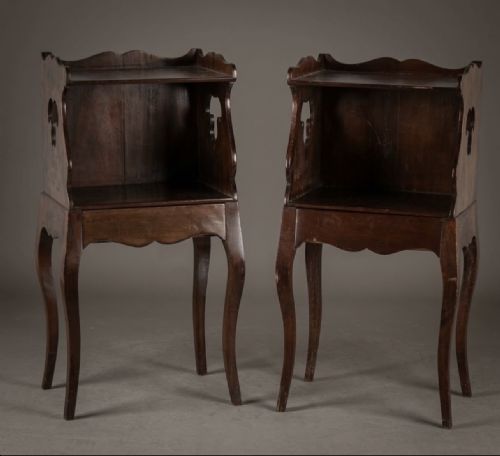
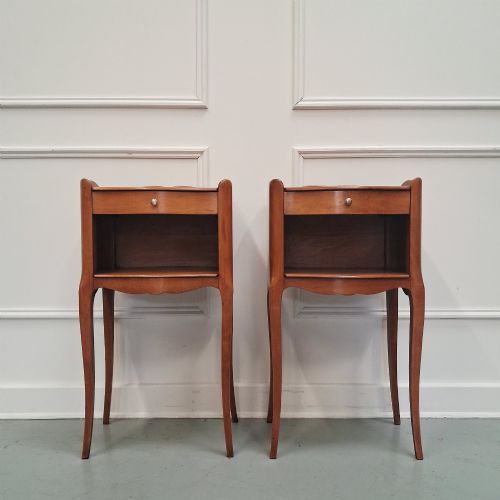
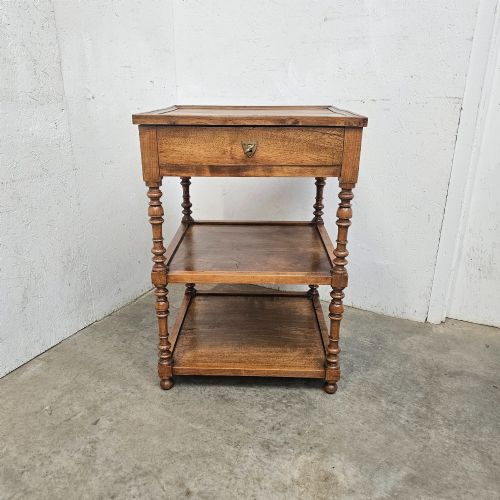
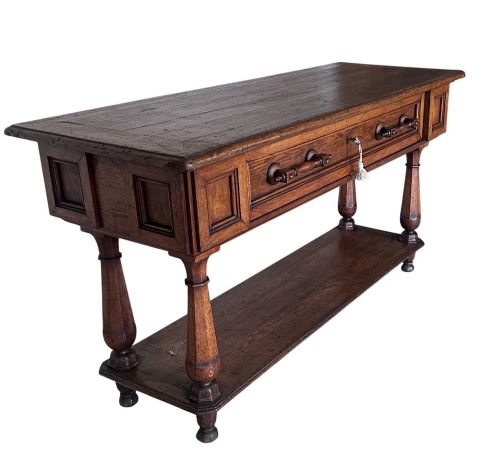
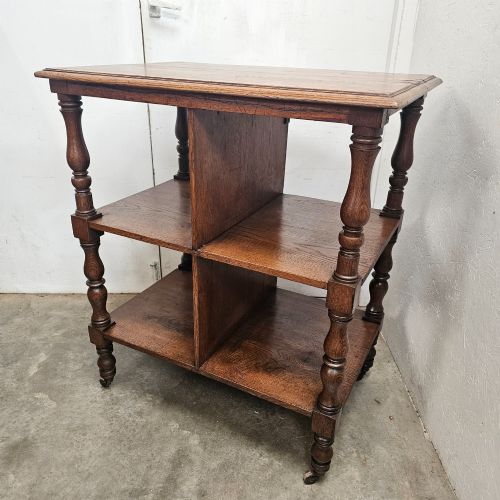
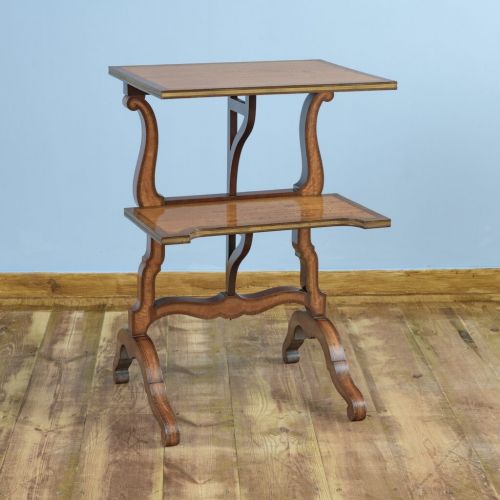
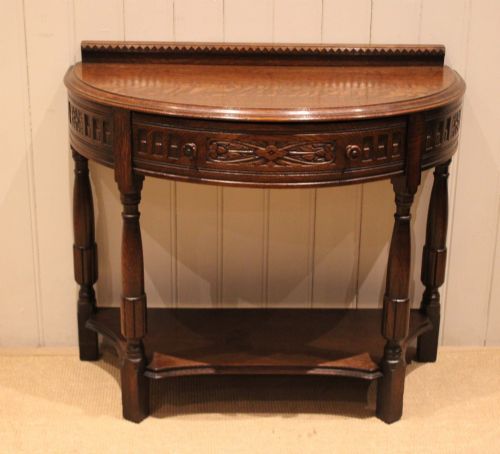
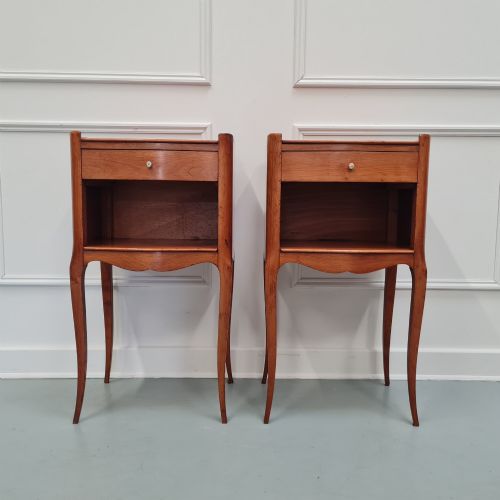
A french side table with shelf encompasses diverse forms from compact bedside cabinets to long serving tables featuring lower tiers or potshelves. Buyers searching this phrase encounter nineteenth-century pieces alongside early twentieth-century examples in styles ranging from rustic provincial to formal Louis XV.
Materials and construction
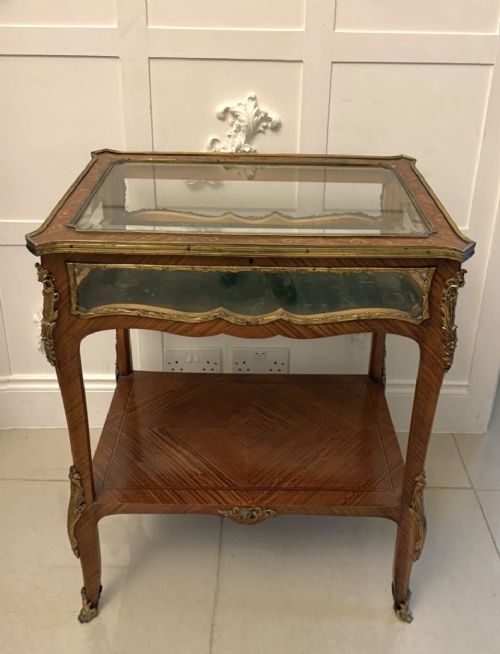
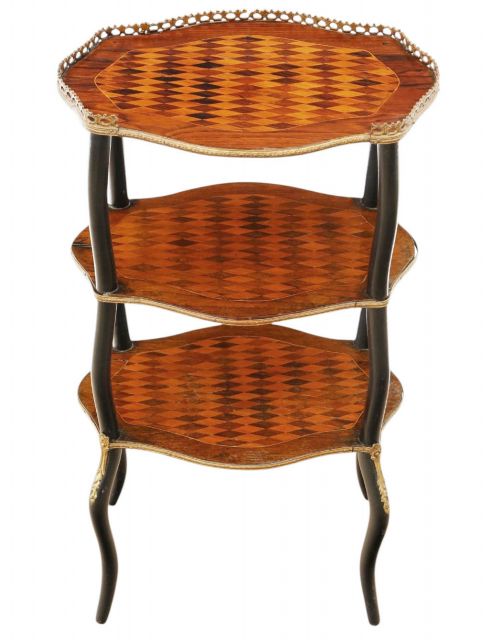
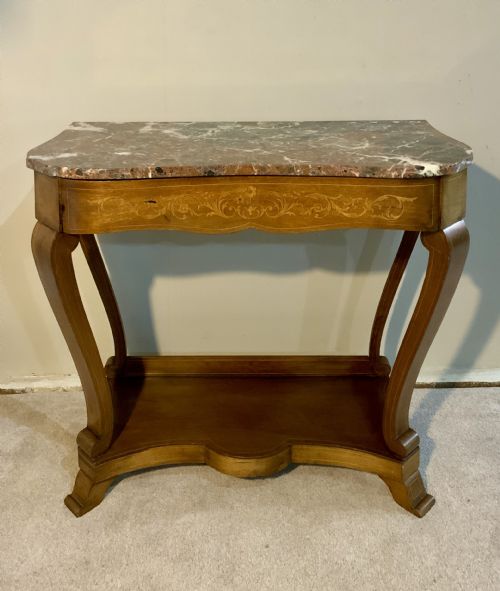
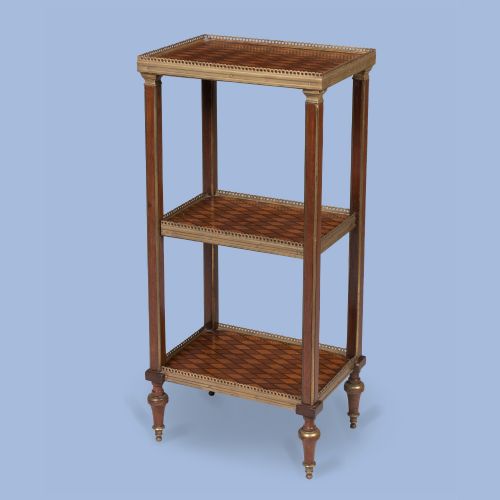
Cabinetmakers utilised solid oak, walnut, and satinwood, often combining structural timbers with decorative marquetry and brass mounts. Painted finishes and marble tops appear across various regional styles, adding durability and distinctive surface textures.
Joinery techniques reflect traditional workshop methods, yielding sturdy pot-shelves, fitted drawers, and tiered étagère structures. Carved details define styles from the curves of Louis XV to the flowing lines of Art Nouveau.
French Side Table with Shelf Retail Price Guide 2026
Typical asking prices for french side table with shelf among the pieces listed under this phrase on Sellingantiques today, from the lower quarter to the upper quarter. They describe what is for sale here now, not the wider market.
Recorded forms range from console and serving tables to bedside cabinets, étagères, and display pieces featuring integrated lower shelves.
Assessing quality and execution
Quality reveals itself in the selection of timber, the crispness of hand-carved details, and the precision of marquetry inlay. Finer examples balance structural stability in the lower shelf tiers with refined proportions across the main surface.
Surface treatment distinguishes standard regional utility pieces from sophisticated urban cabinetwork, whether through the depth of polished walnut or the careful application of historic paint finishes.
The French Side Table with Shelf Glossary
- Pot-shelf
- A lower open shelf integrated into a serving or side table, originally designed for storing kitchen pots or serving vessels. This practical lower tier appears frequently on nineteenth-century French oak pieces.
- Étagère
- A piece of furniture consisting of a set of open shelves for displaying small objects or ornaments. These tiered tables offer multiple display surfaces within a compact footprint.
- Marquetry
- Decorative veneer work where small pieces of wood, brass, or other materials are fitted into patterns. This technique decorates the surfaces of formal nineteenth-century display tables.
- Demilune
- A half-moon or semicircular shape used for console and side tables designed to sit flush against a wall. Such tables save floor space while providing a functional surface.
- Louis XV style
- A decorative style characterised by asymmetry, natural curves, cabriole legs, and rococo ornamentation. Revived during the nineteenth century, it influences many occasional tables and bedside cabinets.
French Side Table with Shelf: Frequently Asked Questions
What is a pot-shelf table?
A pot-shelf table is a traditional serving or side table featuring an open lower tier beneath the main surface. Originally intended for practical storage in French country interiors, this lower shelf provides robust structural bracing.
Today, these versatile lower tiers serve well for displaying books, baskets, or decorative objects while keeping the main surface clear for daily use.
How do I date an antique French table?
Dating relies on examining construction methods, timber choices, and stylistic markers such as hardware and carving details. Pieces from the nineteenth century often show hand-planed timbers and traditional joinery.
Later pieces from the early twentieth century may incorporate transitional design elements that blend period revival styles with simpler domestic requirements.
Where should I place an étagere?
An étagere works effectively in living rooms, hallways, or bedrooms where its multiple tiers can display lamps, ceramics, or collections without overwhelming the room. Its open structure maintains a light visual presence.
Placing the table against a stable wall or near a seating area ensures both practical access to surfaces and safe support for delicate items.
Are marble-topped tables fragile?
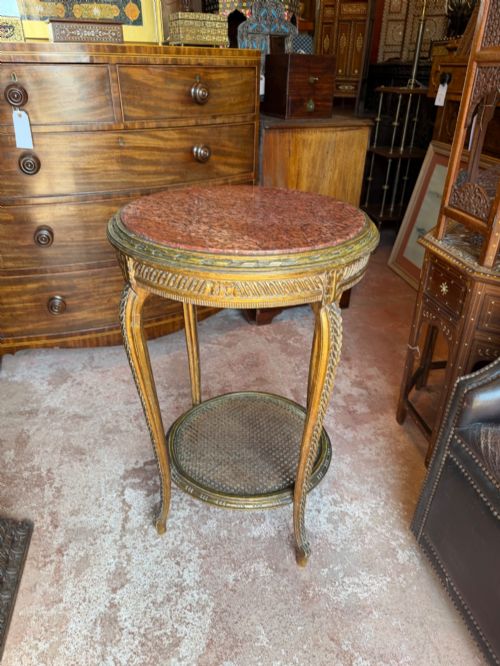
Marble tops provide a durable, heat-resistant surface that handles daily use well while adding a distinct tactile quality to the furniture. While the stone itself is strong, heavy impacts can chip edges.
Routine maintenance involves wiping the stone with a damp cloth and avoiding acidic cleaners that might etch polished surfaces over time.