



French Second Empire Cabinet
A french second empire cabinet brings grand nineteenth-century presence to a room, offering rich timber and intricate brass work for display and storage.
French Second Empire Cabinet
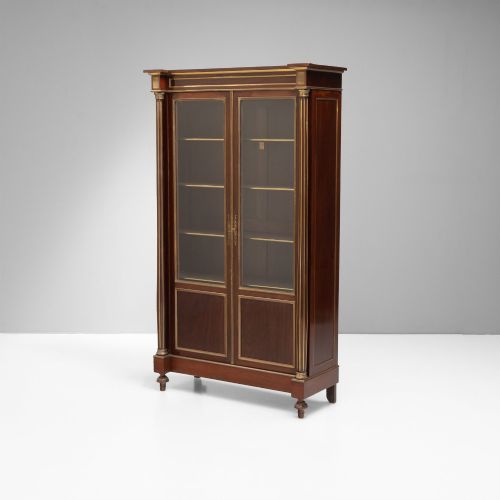
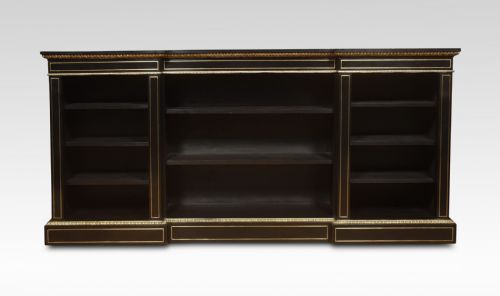
When you search for a french second empire cabinet, you are looking at nineteenth-century storage pieces spanning bookcases, pier cabinets, side cabinets, and sideboards built in the French Napoleon III and French Empire styles. These items range from compact bookcases dated to eighteen seventy up to larger cupboards and display pieces from eighteen ninety and nineteen hundred.
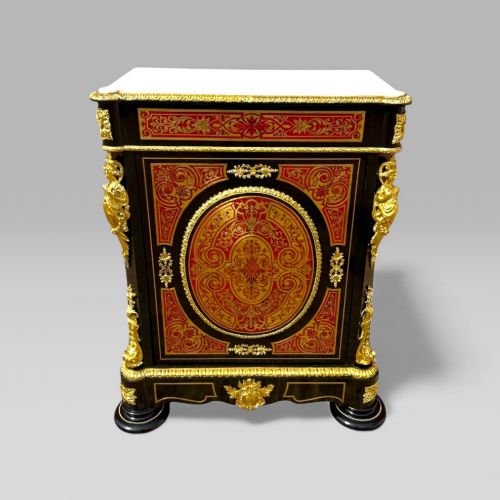
You are most likely to meet ebonised wood versions mounted with brass and tortoiseshell boullework, or mahogany structures detailed with ormolu and gilt metal. The evidence records numerous nineteenth-century examples alongside specific dates such as eighteen sixty, eighteen seventy, eighteen eighty, eighteen ninety, and nineteen hundred.
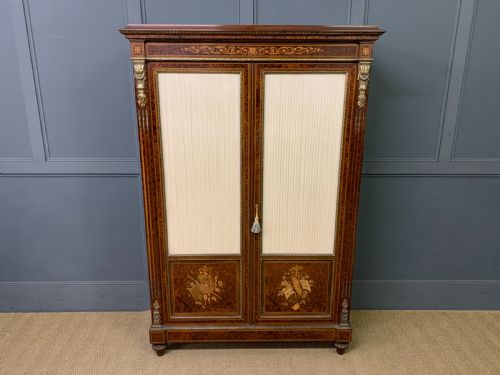
The forms serve varied domestic functions, functioning as open bookcases, enclosed two-door cupboards, glazed vitrines, and marble-topped side cabinets. Their origins sit firmly within nineteenth-century French cabinet-making traditions, utilising rich decorative vocabularies that combine architectural timber framing with ornate surface decoration.
How they were made
Maker workshops built these cabinets using primary structural timbers such as mahogany, oak, and ebonised wood, often incorporating amboyna veneers. Surface decoration relied heavily on brass inlay and tortoiseshell arranged in boulle marquetry patterns.
Mounts and decorative accents utilised ormolu and gilt metal, fixed to the timber carcasses alongside marble tops and glass panels for display doors. These combined materials required precise joinery to house heavy stone surfaces and delicate metal stringing safely.
One neat-sized bookcase from eighteen seventy proves that even nineteenth-century scholars appreciated compact storage.
What varies in quality
The distinction between standard and superior pieces rests on the intricacy of the boulle marquetry and the crispness of the brass and gilt metal mounts. Finer examples display meticulous cutting of tortoiseshell and brass inlay alongside heavier, more refined ormolu castings.
The French Second Empire Cabinet Glossary
- Boulle
- Marquetry technique utilising brass and tortoiseshell inlaid in ornate scroll patterns. This decorative method defines many nineteenth-century French cabinets.
- Ormolu
- Gilded bronze mounts applied to furniture for decorative accent. These metal elements enhance the architectural lines of the cabinet.
- Bibliotheque
- French term for a large bookcase or library cabinet. Such pieces often feature glazed doors to protect bound volumes.
- Pier Cabinet
- Low cabinet designed to fit wall spaces between windows. These items frequently feature marble tops and glass display fronts.
- Ebonised Wood
- Timber treated to imitate ebony through dark staining and polishing. This finish provides high contrast against brass mountings.
French Second Empire Cabinet: Frequently Asked Questions
What is a french second empire cabinet?
A french second empire cabinet is a nineteenth-century storage piece originating from France during the Napoleon III era. These items combine rich timbers with decorative brass, tortoiseshell, and gilt metal mounts.
They encompass bookcases, pier cabinets, and side cabinets, often topped with marble and designed for prominent display in reception rooms.
How were these cabinets used?
Original owners utilised these cabinets to store library books, display porcelain, and showcase decorative objects behind glass doors. Marble-topped versions served as decorative side surfaces in formal rooms.
Enclosed cupboards provided concealed storage for household goods while contributing grand nineteenth-century interior aesthetics.
How do you date a cabinet?
Dating relies on stylistic markers associated with nineteenth-century French furniture, including specific Napoleon III design traits and material combinations. Evidence shows pieces spanning from eighteen sixty through to nineteen hundred.
Construction methods, timber choices such as ebonised wood and mahogany, and the presence of boulle marquetry help narrow the period of manufacture.
Where should I place one?
These cabinets suit large reception rooms, dining spaces, or studies where their architectural presence can anchor the interior. Pier cabinets work well in wall spaces between windows.
Ensure adequate floor space for opening doors and consider the weight of marble tops when positioning the furniture.