

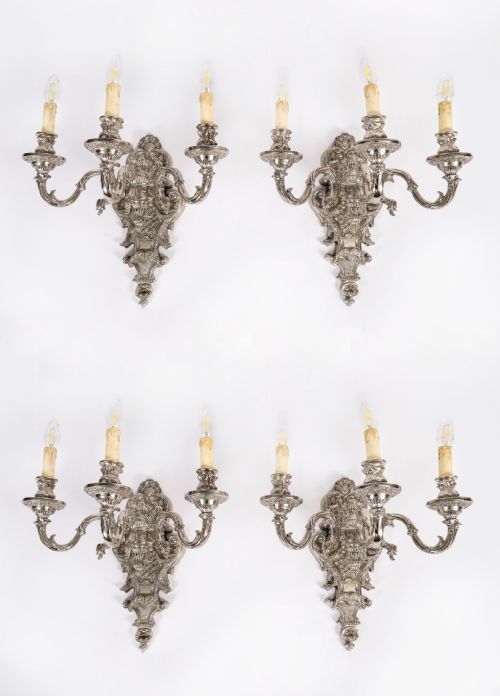


French Sconces Set Four
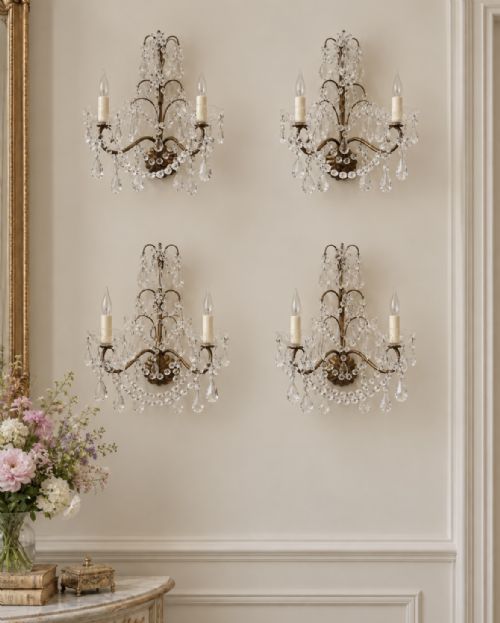
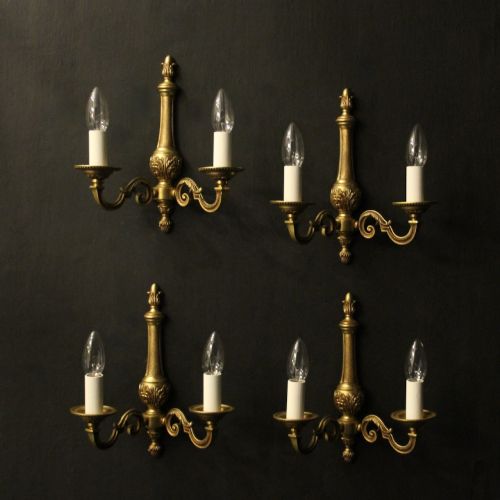
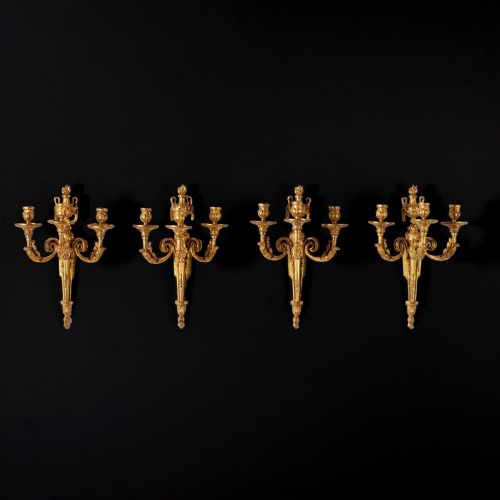
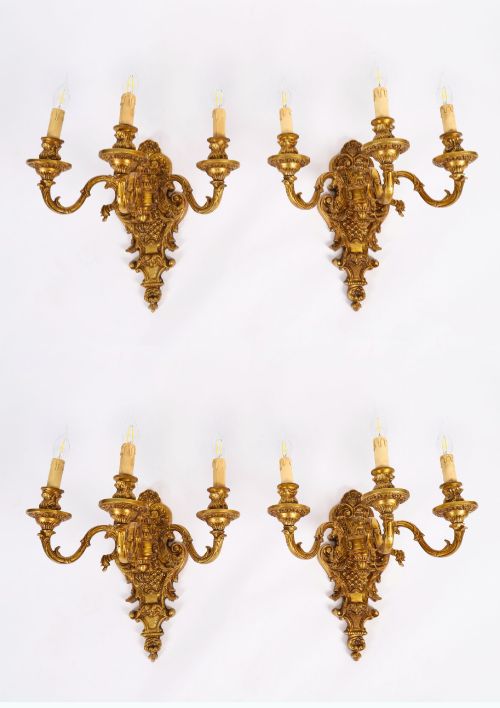
These French sconces set four are matched lighting fixtures designed to mount in groups, bringing symmetrical elegance to interior walls.
French Sconces Set Four
A french sconces set four consists of wall-mounted light fittings originating from France, offered in complete sets of four matching pieces. Buyers seeking these items will encounter wall lights, wall sconces, and light fittings designed to illuminate large spaces evenly.
The selections available span periods from the eighteenth century through to the early twentieth century, including nineteen thirty, nineteen hundred, nineteen ten, nineteenth century, eighteenth century, nineteen forty, nineteen twenty, and eighteen eighty. Stylistic expressions range across French Rococo, French Chateau, French Classical, Louis XV, Rococo, French Rococo Revival, Art Deco, and Neoclassical.
Most examples found on this page deliver multi-arm illumination, featuring twin arm, three branch, or six branch configurations. Forms incorporate gilt bronze ormolu, silver plated finishes, and specialised designs like flying cherub light fittings and shades or Art Deco Empire torch wall lights.
How they were made
Construction relies heavily on metals such as brass, gilt metal, gilded brass, gilt bronze, and silver plate. Artisans shaped these base metals into intricate wall lights and appliques using traditional casting and metalworking techniques appropriate to each period.
Surface decoration frequently involves gilding or silver plating to achieve opulent finishes suited to classical and revival interiors. Details such as cherubs, scrolling foliage, and torch motifs were cast directly into the metal or applied as distinct mounts.
French Sconces Set Four Retail Price Guide 2026
Typical asking prices for french sconces set four among the pieces listed under this phrase on Sellingantiques today, from the lower quarter to the upper quarter. They describe what is for sale here now, not the wider market.
Listings feature periods spanning from the eighteenth century to the nineteen forties, utilising materials such as gilt bronze, silver plate, and brass.
What varies in quality
Quality differences emerge in the crispness of the metal casting and the depth of the chased detail across the arms and backplates. Finer pieces display sharper relief in decorative elements like cherubs and rococo scrolls, whereas simpler items show softer contours.
The choice of base material and the application of surface finishes also distinguish higher tiers of production. Heavy gilt bronze ormolu represents a more substantial standard of manufacture compared to lighter brass or gilt metal alternatives.
The French Sconces Set Four Glossary
- Ormolu
- Gilded bronze used extensively in decorative hardware and lighting fixtures during the eighteenth and nineteenth centuries. This technique involves applying a finely ground high-carat gold mercury amalgam to a bronze object.
- Applique
- A wall-mounted light fitting designed to direct illumination outward into a room. The term is frequently used interchangeably with wall sconce in continental pieces.
- Louis XV Style
- A design movement characterised by asymmetric scrollwork, naturalistic plant forms, and flowing curves. This aesthetic reappears frequently in nineteenth and twentieth-century revivals.
- Adam Style
- An eighteenth-century neoclassical design vocabulary drawing inspiration from ancient Roman architecture. It utilises symmetrical urns, husks, and classical motifs on wall sconces.
French Sconces Set Four: Frequently Asked Questions
How are four wall sconces typically arranged in a room?
Sets of four are generally positioned symmetrically along a large wall or divided evenly across two facing walls to balance illumination. This layout creates a unified visual rhythm in formal reception rooms and hallways.
Matching all four fixtures ensures consistent period styling and uniform light distribution throughout the designated architectural space.
What is the difference between gilt bronze and gilded brass?
Gilt bronze, often termed ormolu, utilises a copper and tin alloy base that accepts heavy mercury gilding with exceptional durability and warmth. Gilded brass employs a softer yellow metal alloy base with a different weight and surface reflection.
Both materials achieve a golden finish, but bronze provides a heavier and more robust structure for multi-branched wall lights.
How can I tell an eighteenth century sconce from a revival piece?
Eighteenth century originals exhibit hand-chased metalwork and construction methods specific to period workshop practices. Revival pieces from the nineteenth and twentieth centuries often incorporate standardised components or later electrical adaptations.
Examining the backplate fixings and the wear patterns on the gilding helps determine the actual period of manufacture.
Can these antique sconces be wired for modern electricity?
Most wall lights from this selection have been adapted for contemporary electrical standards while retaining their original exterior appearance. Internal wiring channels are updated to accommodate modern bulbs safely.
Professional installation is recommended to secure the heavy metal backplates safely to domestic wall structures.