

French School Portrait
A french school portrait carries centuries of observation in oil, pastel, and charcoal, capturing subjects from young nobles to chemists with direct gaze.

What these portraits represent
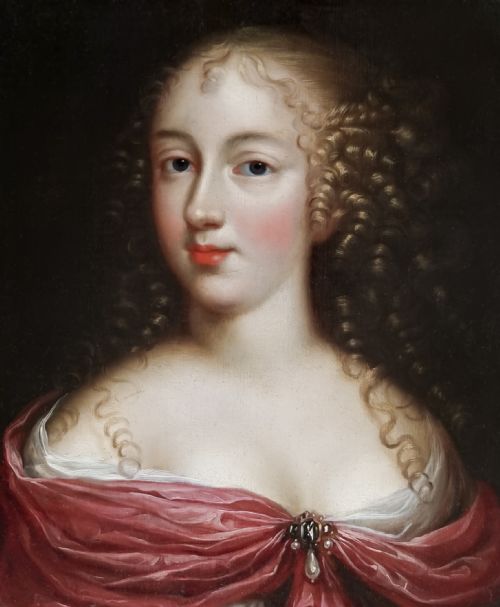
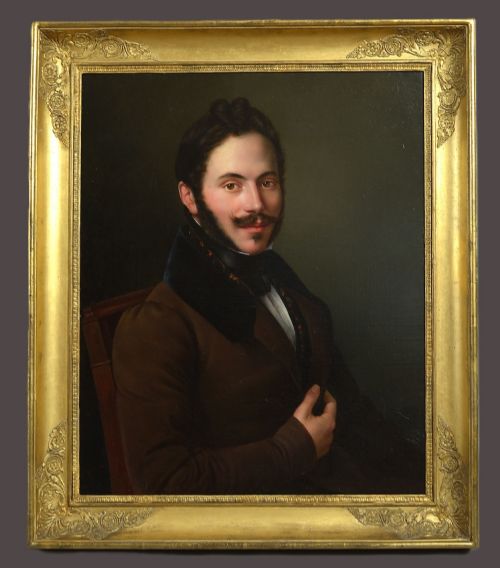
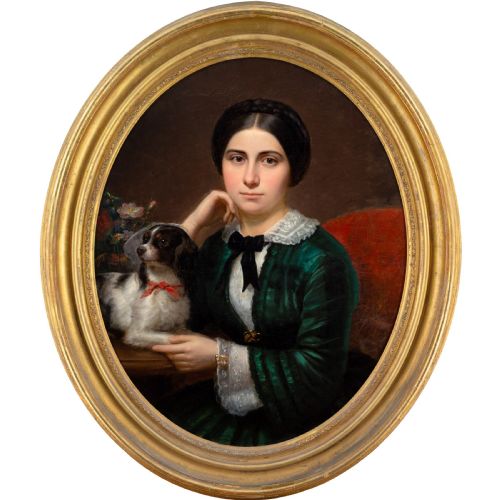
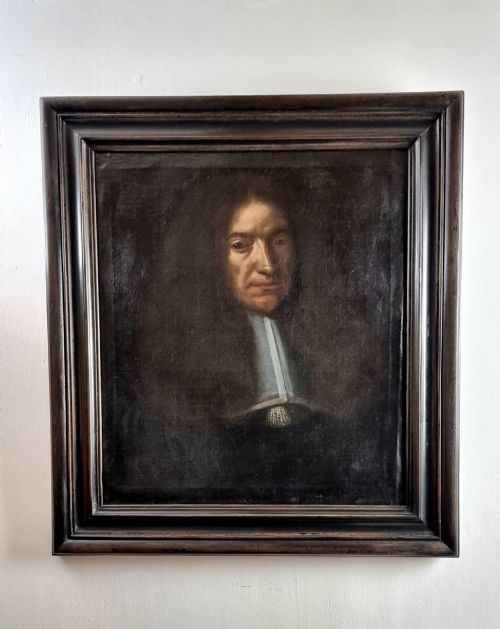
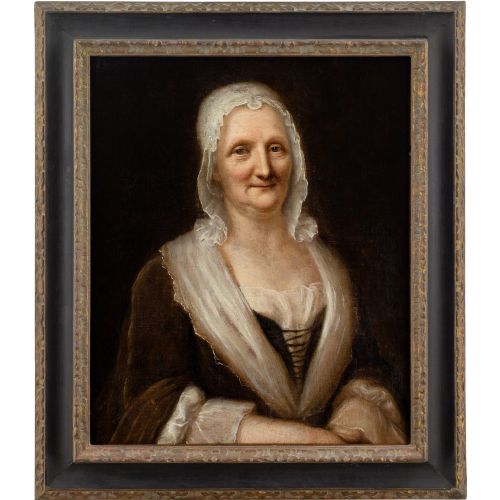
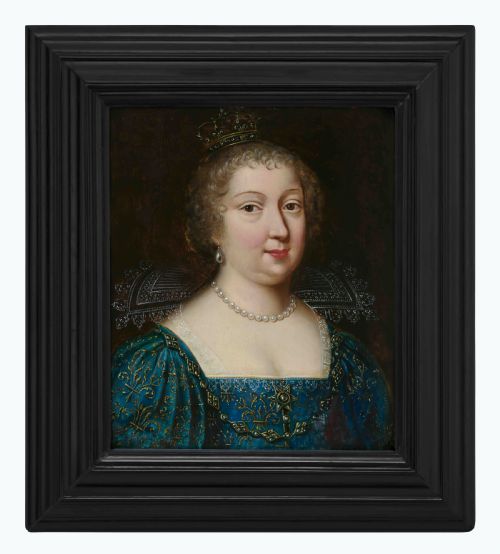
A french school portrait designates works produced by artists trained within the French artistic tradition, spanning multiple centuries from the Renaissance to the early twentieth century. You will encounter depictions of named historical figures alongside anonymous sitters, including young girls, gentlemen with lace jabots, and members of noble families.
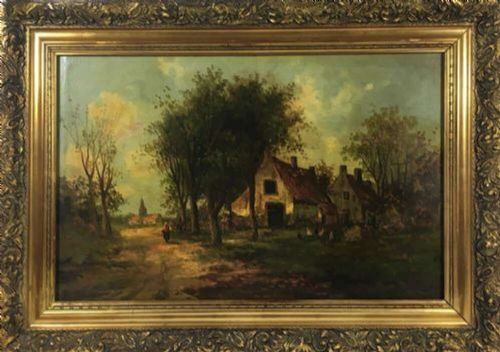
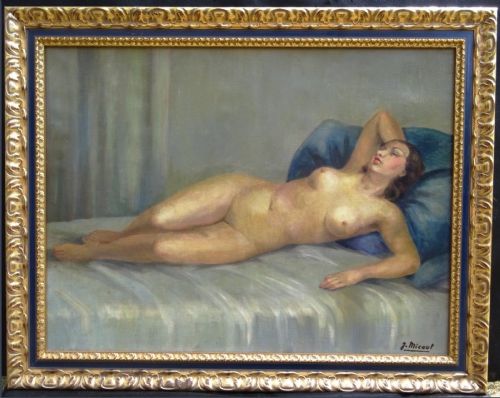
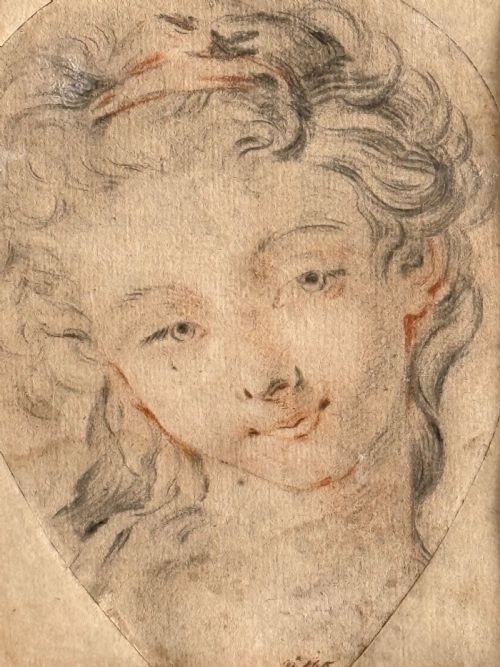
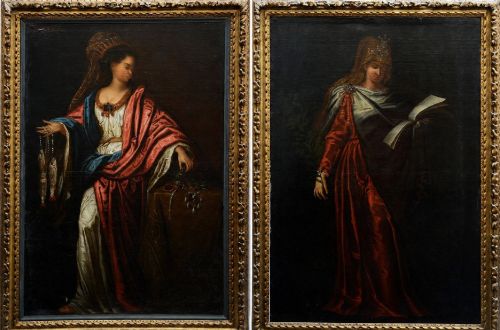
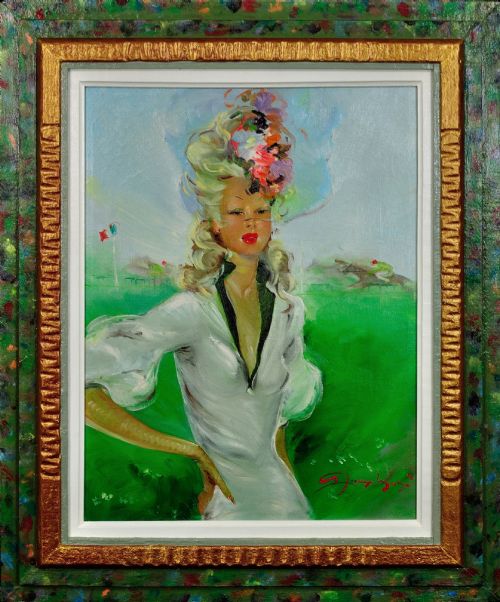
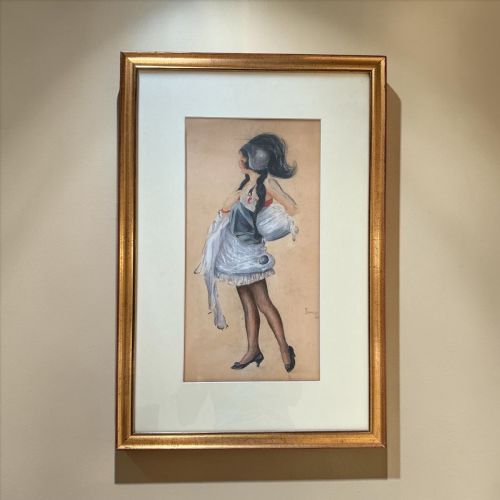
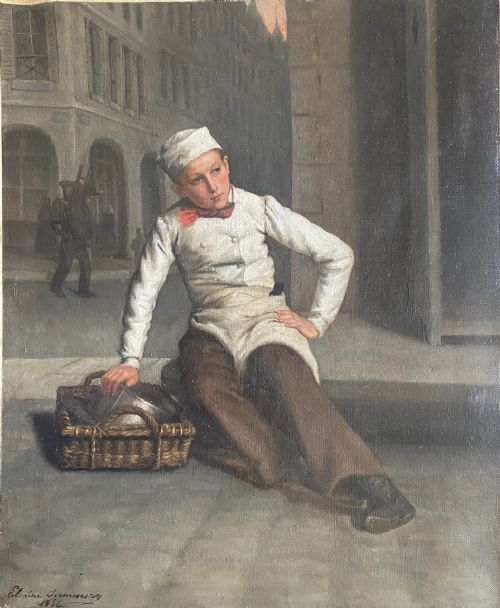
The material form varies considerably across the selection, shifting from large oil paintings on canvas housed in giltwood frames to oval pastel drawings and delicate portrait miniatures under glass. Canvases portray subjects ranging from society ladies with fans to provincial children with hoops, reflecting diverse social strata.
The nineteenth century yields a high proportion of the available works, alongside pieces from the eighteenth and seventeenth centuries, plus occasional twentieth-century examples. The stylistic approach moves from baroque formality and detailed academic rendering toward naive folk art and looser modernist interpretations.
Materials and technique
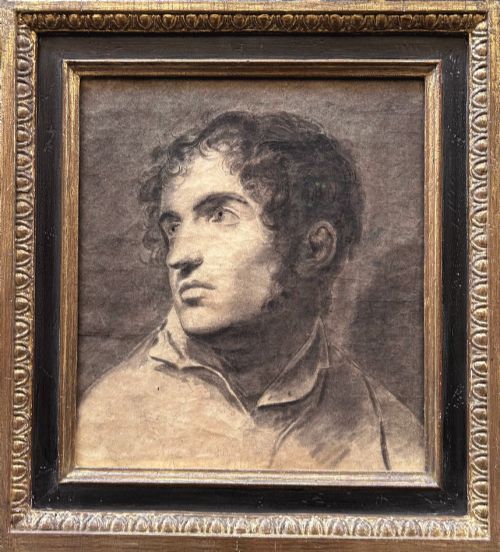
Painters applied oil paint to stretched canvas or wooden panels, building up layers of pigment to describe fabrics like velvet, silk, and lace collars. Draughtsmen utilised charcoal and pastel sticks on paper, often securing the delicate pigment behind glass within protective frames.
Makers constructed frames from wood, frequently applying gilt finishes that catch the light around the perimeter of the canvas. Miniature portraits required fine brushes and specialised supports to capture minute details such as sapphires and embroidered jewels.
Retail Price Guide 2026
Typical UK retail prices for french school portrait, calculated from the Sellingantiques database of over a million retail prices indexed since 2003. This retail price guide relies exclusively on Sellingantiques data; no external sources or auction records are used, so the figures do not describe the wider market.
The selection includes oil on canvas, charcoal drawings, and watercolour miniatures spanning from the sixteenth century to the 1920s.
Distinctions in execution
The preservation of the original canvas, pigment stability, and the retention of period giltwood frames influence the integrity of the object. Works that maintain their early surface without heavy overpainting offer a more direct connection to the original hand.
Edouard Pingret·Joseph Mathias Negelen
The French School Portrait Glossary
- French School
- A designation applied to works created by artists trained or working in France, often used when the specific individual hand is unrecorded or anonymous.
- Giltwood
- Wood that has been coated with a thin layer of gold leaf or gilt powder, commonly found on nineteenth-century and baroque frames.
- Jabot
- A decorative frill or ruffle attached to the front of a shirt or cravat, frequently rendered in fine lace in eighteenth-century portraits.
- Portrait Miniature
- A small-scale painting or drawing executed with meticulous detail, often created as a personal keepsake or locket insert.
- Baroque
- An ornate artistic style prevalent in the seventeenth and early eighteenth centuries, characterised by drama, rich textures, and deep shadow.
Frequently Asked Questions
How do I identify a french school portrait?
Look for stylistic traits typical of French academic training, subject matter reflecting French society, and historical framing conventions.
Signatures are frequently absent or illegible, meaning attribution relies on technique, handling of fabric, and archival records.
Where should I hang these paintings?
Display oil paintings away from direct sunlight and fluctuating heat sources to protect the canvas and pigment layers.
Pair antique giltwood frames with traditional or neutral wall backgrounds to let the dark tones and subject matter stand out.
Are these works signed by the artist?
Many historical examples remain unsigned because they emerged from studio circles or workshops where individual branding was secondary.
Attributions often depend on stylistic comparison with known signed works by the same hand or studio documentation.
What subjects appear most frequently?
Sitters include named nobility, professionals such as chemists, children with toys, and anonymous ladies wearing lace collars.
Occasionally, the archive records animals, including a startled kitten alongside human subjects.