



French Samson Porcelain Figure
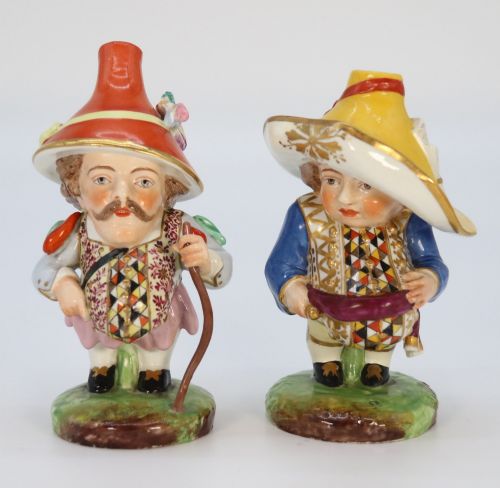
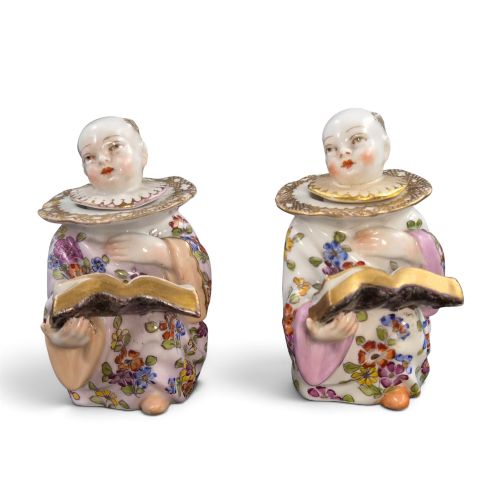
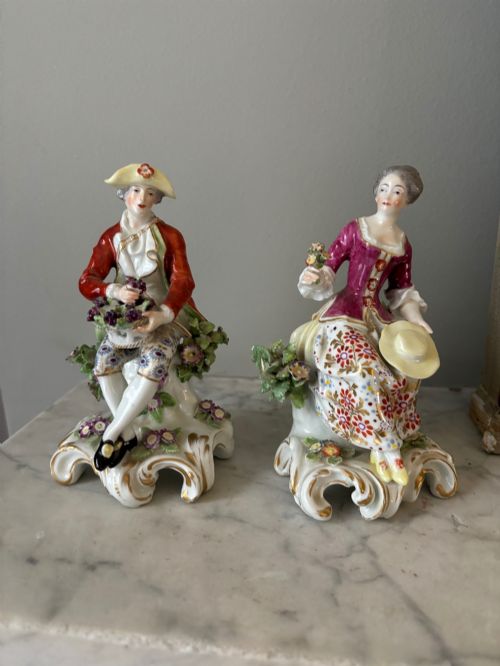
These french samson porcelain figure examples are nineteenth century Parisian decorative works modelled after earlier factories like Chelsea and Derby.
French Samson Porcelain Figure
A french samson porcelain figure reproduces historic eighteenth century porcelain models from famous factories such as Chelsea, Derby, and Chinese kilns. The pieces on this page span the nineteenth century, including specific dates from the eighteen fifties through the eighteen nineties, alongside broader Victorian periods.
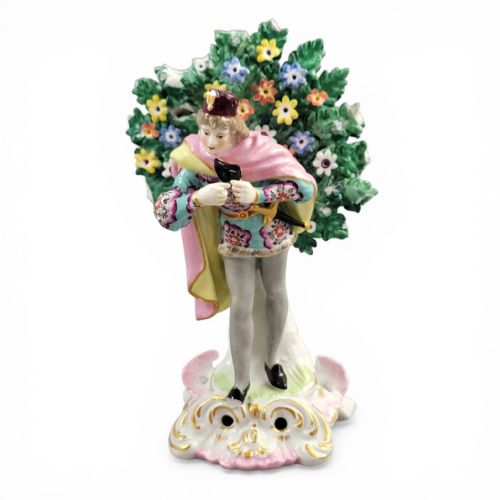
Makers in Paris produced these decorative objects, inkwells, trinket boxes, and figural groups in revivalist styles including Rococo Revival, Chinoiserie, and Neoclassical Revival. Collectors encounter pairs of figures, single actors, allegorical representations of the seasons, and mythical subjects like Venus and Cupid.
The workshop of Edmé Samson specialised in creating these high quality interpretations and copies, often applying historic anchor or gold anchor marks. These figures serve as collectible decorative objects that capture the aesthetic of earlier ceramic traditions.
What varies in quality
The finesse of the hand painting on the polychrome enamels determines much of the visual success of the piece, particularly in facial expressions and floral details. Crisp definition in the moulded bocage background separates superior examples from softer castings.
Application of gold leaf and the crispness of applied gilt elements show the skill level of the decorator in the Paris workshop. The accuracy of the historical revival style and the complexity of figural groups also influence the standing of an individual piece.
Nineteenth century Parisian artisans lovingly forged historic ceramic identities, ensuring even singing boys and dwarves received proper gold anchor marks.
Edmé Samson·Samson of Paris
The French Samson Porcelain Figure Glossary
- Hard-Paste Porcelain
- A durable ceramic material composed of kaolin and petuntse fired at high temperatures. This body forms the sturdy foundation for nineteenth century French figures.
- Bocage
- An ornamental background of applied foliage and flowers surrounding a ceramic figure. This technique creates a dense, leafy arbour effect behind the main subject.
- Polychrome Enamel
- Multi-coloured glass-based pigments fused to the porcelain surface through kiln firing. These bright paints provide the clothing and decorative details on the figures.
- Gold Leaf
- Very thin sheets of beaten gold applied to the porcelain or metal mounts for ornamentation. This material adds metallic lustre to garments and bases.
- Bonbonnière
- A small decorative container or trinket box designed for holding sweets or small items. These hinged or lidded objects often take figural forms.
French Samson Porcelain Figure: Frequently Asked Questions
What is a french samson porcelain figure?
These pieces are nineteenth century Parisian ceramics produced by the Samson workshop to replicate earlier styles from factories like Chelsea and Derby.
Craftsmen modelled them after historic prototypes, creating decorative objects, inkwells, and figural groups for collectors of revivalist art.
How can I tell a Samson figure?
Samson pieces often display imitation marks from older factories, such as gold anchor symbols, alongside distinct nineteenth century French paste qualities.
Subject matter typically includes shepherdesses, allegorical seasons, and theatrical figures rendered in Rococo Revival or Neoclassical Revival styles.
Were these figures meant for display?
Most of these items served as decorative ornaments for nineteenth century interiors, though some forms like inkwells and bonbonnières had functional uses.
Their intricate polychrome enamels and gilt details were designed to catch the eye in a domestic setting.
What styles do these figures copy?
The workshop drew inspiration from eighteenth century English manufacturers like Chelsea and Derby, as well as Chinese export porcelain.
Stylistic influences span Chinoiserie, Rococo Revival, and Neoclassical Revival aesthetics executed during the Victorian era.