

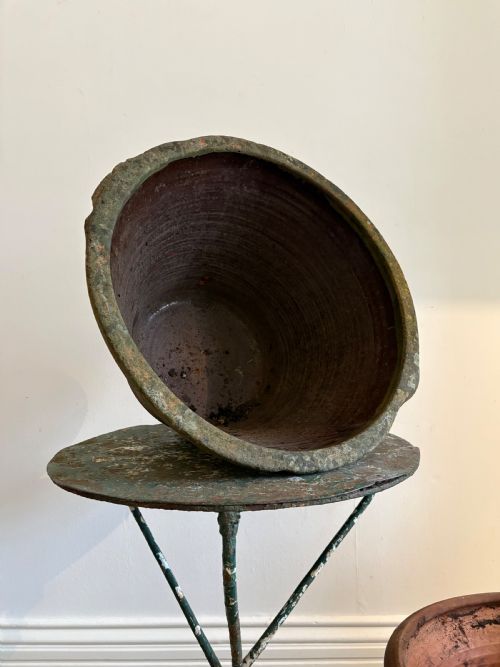


French Rustic Vessel
These french rustic vessel pieces are utilitarian containers of earthenware, terracotta, and copper that bring historical utility to modern spaces.
French Rustic Vessel
A french rustic vessel covers a broad category of utilitarian objects originating from provincial French kitchens, farms, and vineyards. Buyers exploring this category encounter sturdy vessels designed for heavy agricultural and domestic labour.
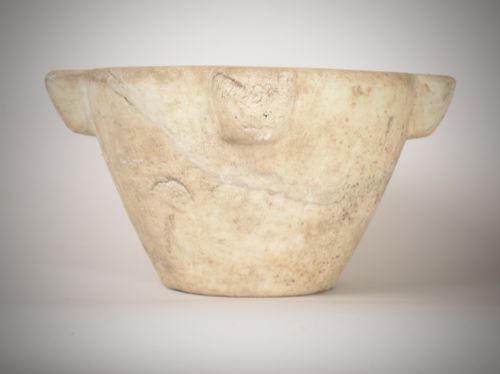
The selections on this page span from the eighteenth century into the early twentieth century, reflecting traditional rural life. Common forms include confit pots, olive jars, dairy bowls, and heavy mortars.
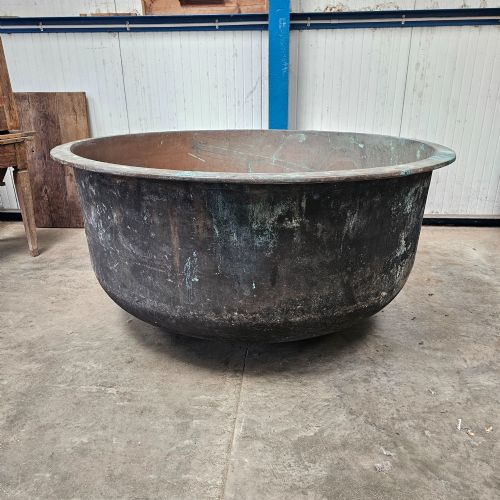
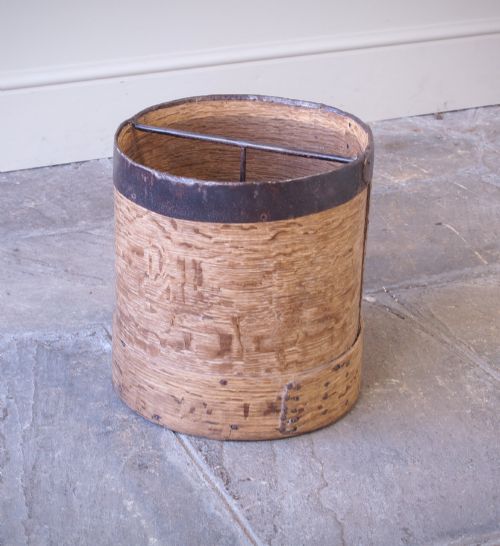
Terracotta and copper dominate the physical evidence, shaped into practical storage and cooking formats. These items range from large oil jugs to heavy cheese vats and grain measures.
Materials and Construction
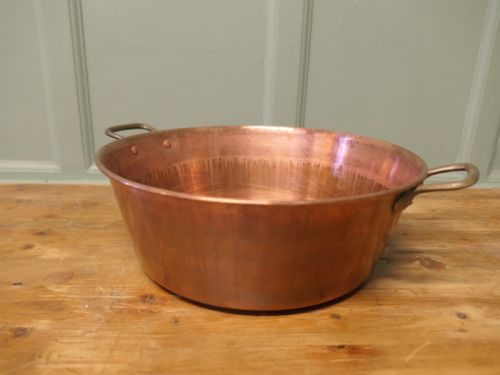
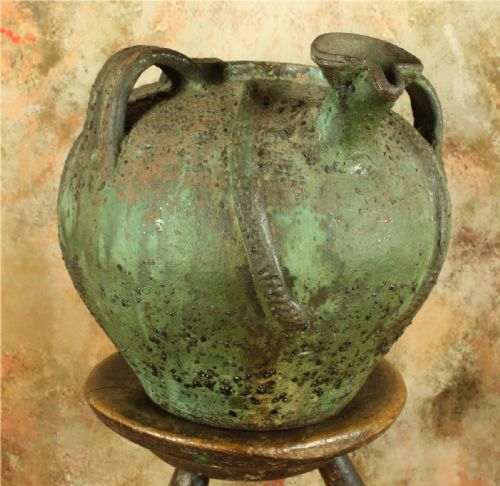
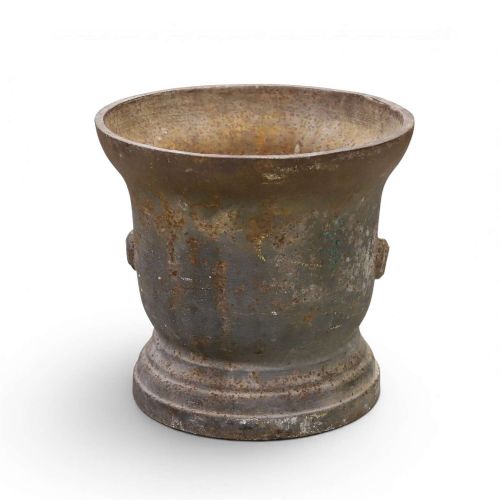
Potters and artisans utilised natural local materials like terracotta and earthenware, frequently applying partial glazes to seal porous clay. Metalworkers hammered copper and cast iron into robust pans, cauldrons, and mortars intended for daily wear.
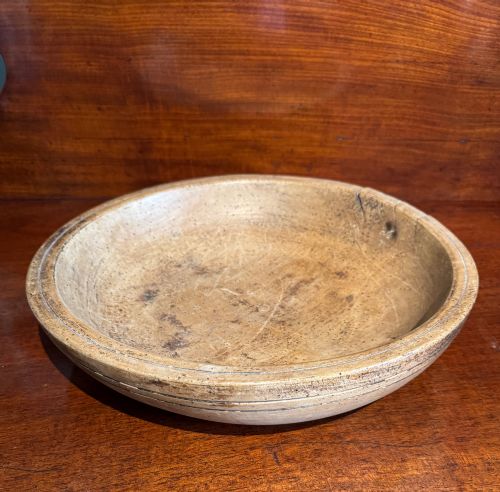
Organic elements such as wood and blown glass also appear in measures, dairy bowls, and pickling jars. Construction methods prioritized pure utility, leaving hammer marks on metal and throwing ridges on clay.
Listings feature terracotta, copper, iron, and brass across the eighteenth, nineteenth, and early twentieth centuries.
Evaluating Quality and Authenticity
Quality in a french rustic vessel rests upon the integrity of the material and the authenticity of its wear. Pieces displaying genuine surface patinas, historical age, and unaltered structural forms command greater appreciation.
The balance of the form and the survival of original glazes or iron baskets define the finer examples. Mass-produced uniformity is absent here; the value lies entirely in the character born from genuine historical use.
The French Rustic Vessel Glossary
- Confit pot
- A glazed earthenware jar historically utilised for preserving and storing meats or fats. These typically feature distinct lead-glazed upper sections.
- Biot jar
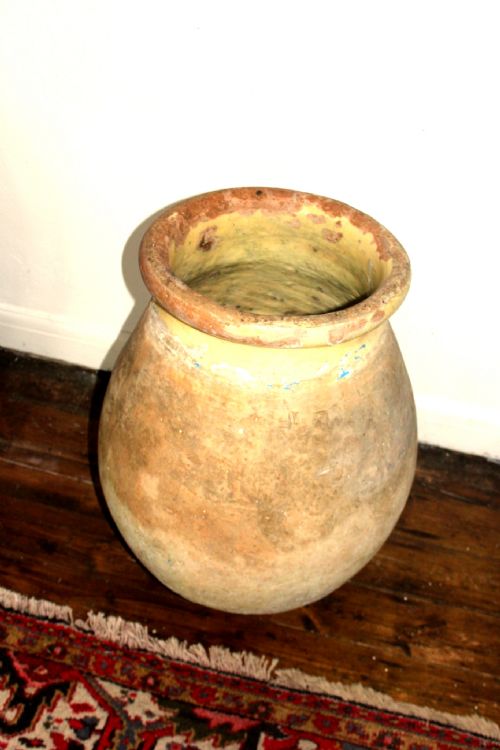
- A traditional terracotta storage vessel originating from the town of Biot in Provence. They were manufactured for holding olive oil, water, or grain.
- Daubiere
- A traditional heavy metal cooking pot or braising vessel designed for slow food preparation. These are frequently encountered in brass or copper.
- Demijohn
- A large, narrow-necked glass bottle used for storing liquids like wine or oil. They are often housed in protective iron wire baskets.
- Ferrat
- A traditional copper vessel or container used in regional agricultural or domestic tasks. The evidence shows these emerging from the mid nineteenth century.
French Rustic Vessel: Frequently Asked Questions
What were french rustic vessels used for?
These items served demanding roles in rural French domestic and agricultural life. They held staple commodities including olive oil, walnuts, wine, vinegar, and preserved meats.
Heavier metal pieces functioned as cooking vessels, cheese vats, and mortar basins for pharmacy or kitchen use. Every form was shaped by strict utility rather than mere decoration.
How do I date an old confit pot?
Dating relies on examining the characteristics of the clay body, the consistency of the glaze, and the overall potting technique. Earlier eighteenth-century examples display heavier, more irregular hand-thrown profiles.
Later nineteenth-century iterations often show more standardised forms while retaining distinct regional variations. Surface wear and historical patination provide further visual clues to age.
Are terracotta olive jars frost proof?
Historical terracotta pots from rural France were manufactured for agricultural storage rather than modern garden climate extremes. Porous earthenware can absorb moisture and crack during freezing temperatures.
Protecting these vessels indoors or under cover during winter months preserves the fragile clay body and aged surface patina.
How should I clean copper cookware?
Maintenance depends on whether the piece is kept for decorative display or active culinary use. Gentle washing with warm soapy water removes dust without disturbing the historical surface.
Harsh abrasive cleaning agents strip away the aged patination that collectors prize on antique copper pans and cauldrons.