


Dark Iron Vessel
These heavy dark iron vessel examples bring honest utility and weight to a room, forged to last centuries through practical daily use.
Dark Iron Vessel
A dark iron vessel functions as a durable container or utilitarian implement, spanning utilitarian domestic objects and ritual items from various global traditions. When you search for a dark iron vessel, you encounter robust forms shaped for heavy physical service.
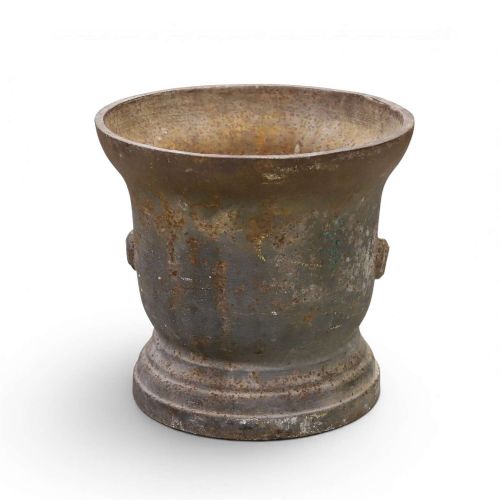
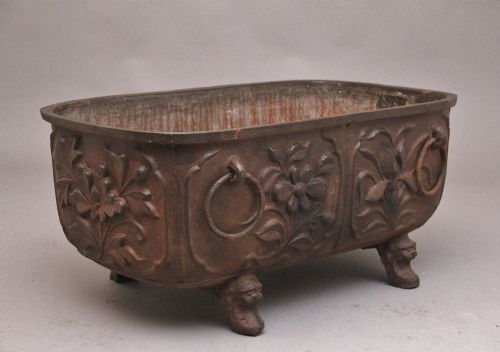
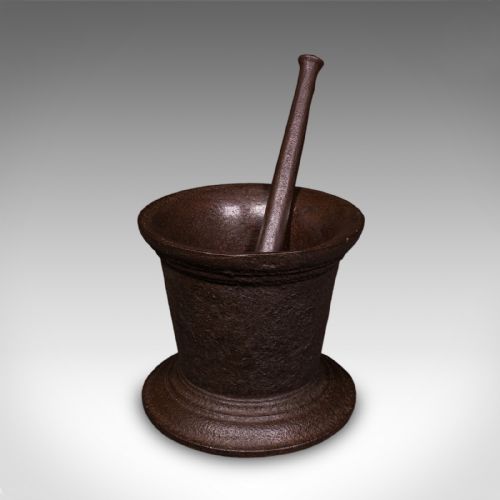
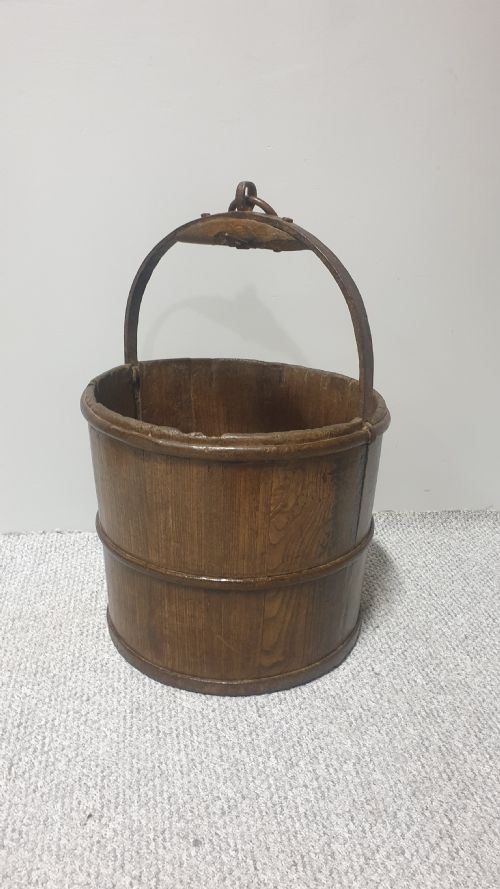
The selection ranges from large kitchen mortars and dye maker cauldrons to Japanese sake kettles and temple baths. Most examples appearing here date from the eighteenth and nineteenth centuries, alongside specific manifestations in oak and wrought iron.
Origin points stretch from English country workshops and French chateaux to Qing Dynasty China and Meiji period Japan. Each piece demonstrates the heavy metalwork characteristic of its regional trade.
Materials and construction
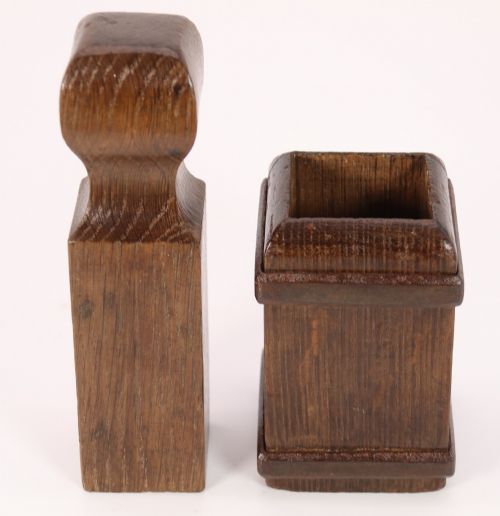
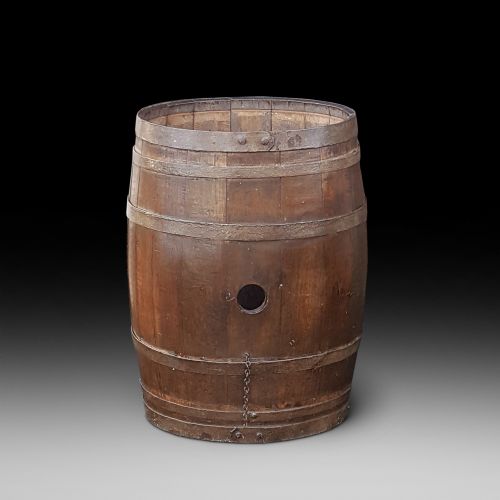
Cast iron and wrought iron dominate the construction, often paired with dense timbers such as oak in coopered buckets and mortars. Metal components are cast in moulds or beaten by hand over heat, resulting in thick, substantial walls.
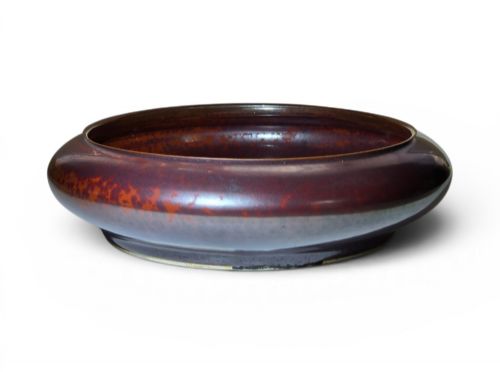
Secondary materials appear for specific functions, including bronze, enamel, porcelain, and iron rust glaze on ceramic bodies. Handles and fittings utilise matching iron bands, rivets, and occasional cloisonne lids.
Origin locations span English workshops, French chateaux, Qing Dynasty China, and Japanese Edo and Meiji periods.
Assessing quality and presence
Quality rests in the integrity of the casting or forging, where clean lines and balanced proportions indicate skilled handwork rather than rushed production. Thick walls and honest wear from genuine service elevate an object.
Surface texture and patination dictate visual success, with original dark metal skin or stable oxidation preferred over modern intervention. Maker marks, cast script, or specialised lids like cloisonne add distinction to utilitarian forms.
Kibundo
The Dark Iron Vessel Glossary
- Cast iron
- A hard, brittle alloy of iron and carbon poured into moulds to create thick vessels. It provides immense weight and heat retention.
- Wrought iron
- Iron beaten into shape while hot by a blacksmith, showing fibrous grain textures. It offers high tensile strength for bands and handles.
- Tetsubin
- A Japanese cast iron kettle used for boiling water, often featuring textured exterior surfaces. These vessels sit over charcoal heat sources.
- Mortar
- A heavy bowl in which substances are crushed or ground with a pestle. Kitchen and apothecary variants employ thick iron or stone walls.
- Coopered
- Built from wooden staves bound together by metal hoops, similar to barrel construction. This technique creates liquid-tight containers from dry timber.
Dark Iron Vessel: Frequently Asked Questions
What were these iron vessels used for?
These pieces served heavy industrial, domestic, and ritual purposes, ranging from crushing herbs in apothecary mortars to boiling water in Japanese kettles.
Others acted as dye vats, temple baths, or sturdy well buckets designed to withstand punishing physical tasks.
How do I clean a dark iron vessel?
Maintain the surface with a dry brush or soft cloth to remove dust without disturbing the aged patina.
Avoid harsh chemical cleaners or water immersion unless the material specifically requires washing, in which case dry the metal thoroughly.
Can I use these kettles for daily boiling?
Historic kettles require careful inspection before food or liquid preparation to ensure interior stability and cleanliness.
Many collectors prefer to display these items as sculptural objects rather than putting them back into active service.
How do I tell Japanese iron from European pieces?
Japanese tetsubins and sake kettles display distinct regional forms, such as specialised bronze or cloisonne lids and refined exterior hobnail textures.
European examples lean towards utilitarian mortars, barrels, and cauldrons with thick cast walls and heavy iron mounting.
Are wooden elements original to the iron parts?
Vessels combining oak staves and iron bands rely on traditional cooperage where metal hoops hold the wooden structure tight.
These mixed-material items show how workshops pooled different skills to create durable containers for liquids and dry goods.