



Apothecary Mortar Vessel
An apothecary mortar vessel is a heavy utilitarian grinding bowl, and these sturdy implements of bronze, brass, stone and wood served centuries of medical and domestic preparation.
Apothecary Mortar Vessel
An apothecary mortar vessel is a durable crushing bowl designed to grind materials for medicines, dyes and kitchen provisions. When you examine this page, you encounter pieces spanning from the seventeenth century through to the twentieth century, reflecting varied domestic and professional origins.
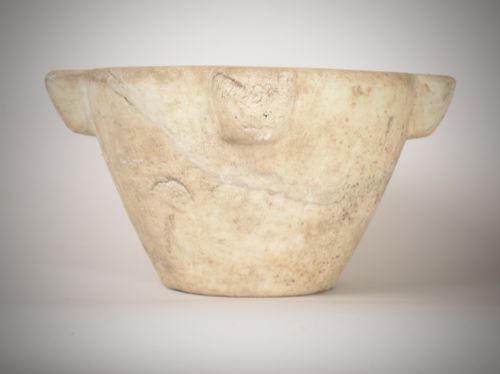
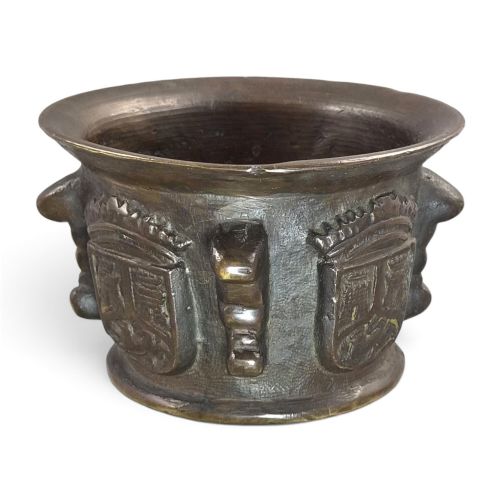
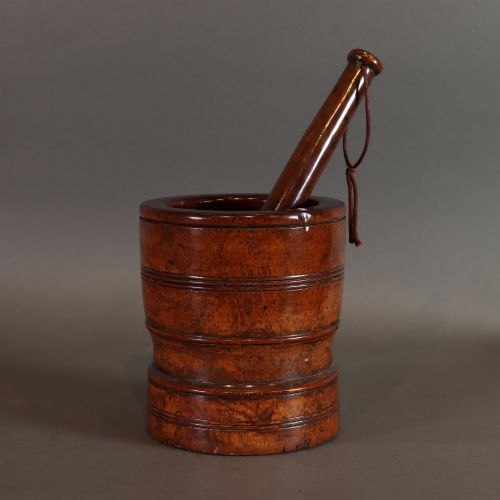
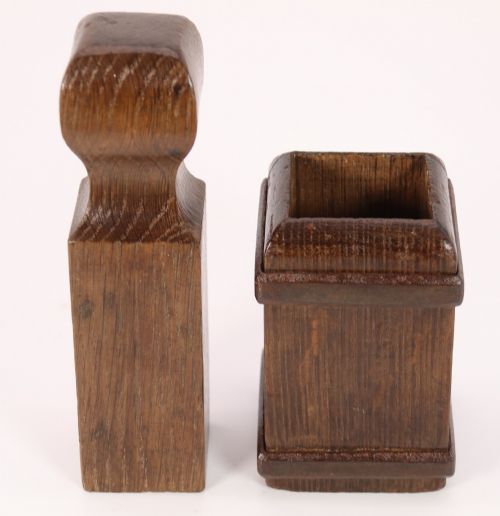
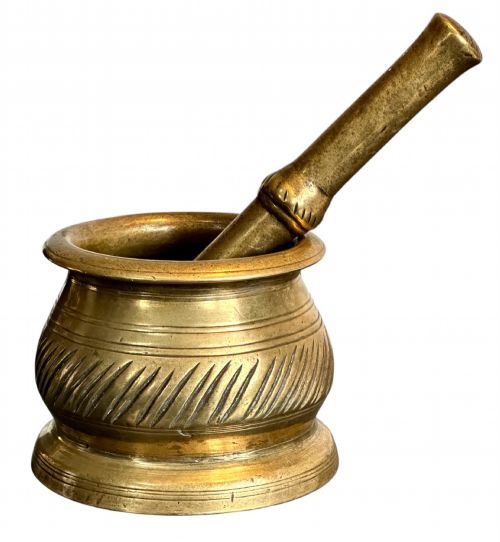
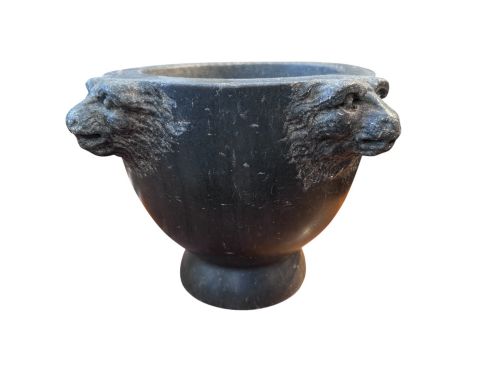
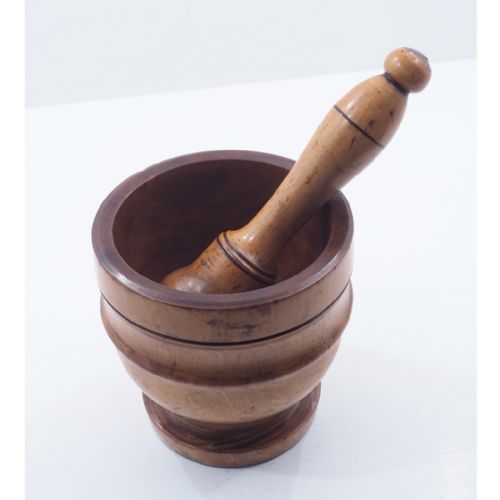
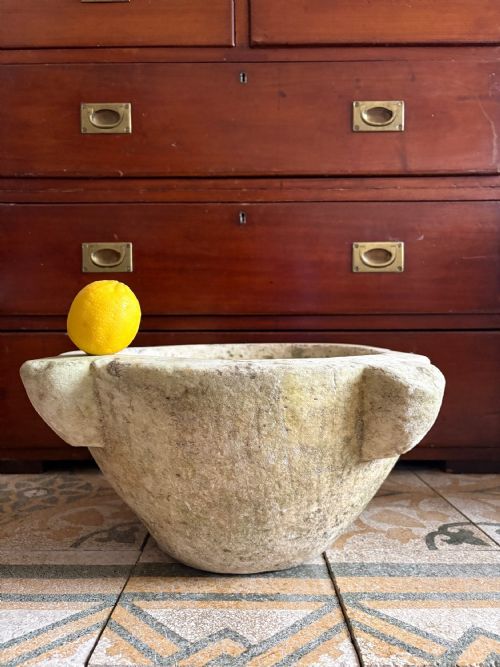
The bronze and brass examples often display distinct decorative moulding, while stone and marble versions offer immense weight and capacious interiors. Wooden treen examples fashioned from dense timbers like lignum vitae and walnut provide another tactile dimension of these historic tools.
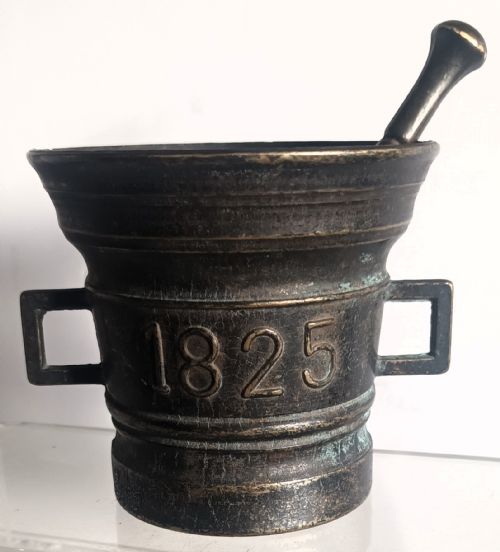
You are most likely to meet bronze and brass apothecary mortars alongside stone and marble vessels, frequently accompanied by their matching pestles. These survivors range from modest kitchen implements to massive dye maker vessels and chateau kitchen fittings.
Materials and construction methods
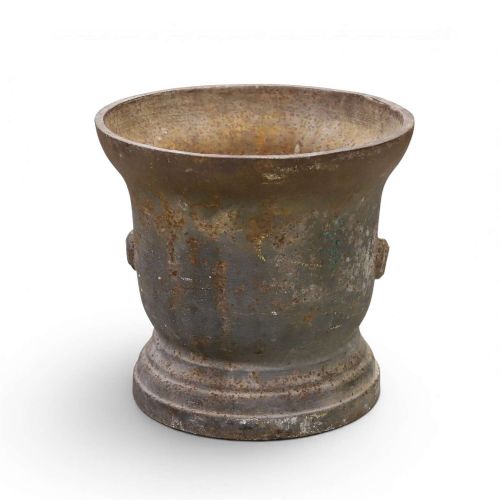
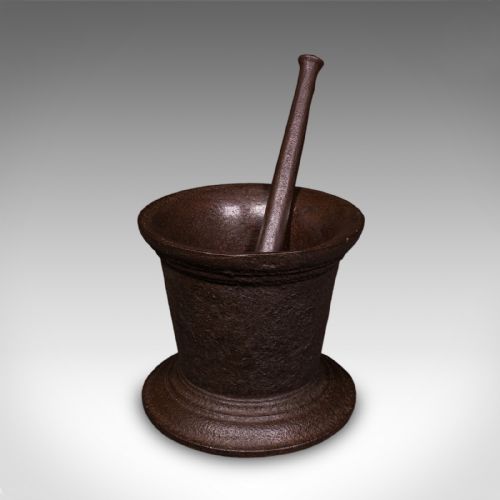
Metal vessels such as bronze, brass and cast iron were cast in moulds, often yielding thick walls and flared rims designed to withstand heavy impact. Many feature raised ribs, heraldic devices or decorative bands applied during the casting process.
Stone, marble and basalt mortars were shaped through intensive cutting and grinding, producing smooth interior surfaces suited for pharmaceutical trituration. Wooden treen vessels were turned on lathes from dense heartwoods, harnessing the natural grain to resist splitting under pressure.
One hefty specimen weighs one hundred and forty pounds, proving that historic dye makers took heavy lifting very seriously.
Distinctions in quality
Quality rests upon the crispness of the casting details on metal pieces, such as Tudor rose motifs or armorial bearings, compared to worn or pitted surfaces. The selection of material also dictates distinction, where dense marbles and heavy patinated bronzes outlast softer stones and common alloys.
Proportion and the survival of an original matching pestle elevate a piece significantly above a vessel separated from its grinding tool. Fine turning in wood or precise masonry in stone demonstrates the maker's skill in balancing functional utility with aesthetic form.
The Apothecary Mortar Vessel Glossary
- Treen
- Small handmade wooden household objects and utensils. Lignum vitae and walnut were frequently utilised for turned treen mortars.
- Pestle
- A heavy tool with a rounded end used for pounding and grinding substances in a mortar. Original matching pestles complete the functional unit.
- Trituration
- The process of grinding or crushing a substance into a fine powder. Apothecary mortars were specifically designed for this pharmaceutical task.
- Patina
- A surface sheen developed through age, handling and use. Older bronze and brass vessels exhibit a dark, mellow patina distinct from modern metal.
Apothecary Mortar Vessel: Frequently Asked Questions
What were apothecary mortar vessels used for?
These vessels ground herbs, chemicals, and minerals into powders for medicines, recipes, and dyes. Apothecaries and households relied on their solid weight to crush stubborn ingredients.
Over time, many transitioned from active apothecary tools to decorative kitchenware and display items in period interiors.
How do I date a bronze mortar?
Datings rely upon stylistic clues such as rim profiles, cast decorative bands, and specific motifs like Tudor roses or armorial bearings. Seventeenth-century examples often display simpler, robust casting compared to later Georgian variations.
Comparing the metal composition and surface wear patterns against known period benchmarks helps confirm the era of manufacture.
Are pestles usually original to the mortars?
Finding a mortar paired with its original pestle is uncommon because the working tools often became separated or damaged through heavy use. Many listings offer matched pairs assembled by collectors or dealers based on material and scale.
A true matched set shares identical wear patens and metal or wood composition.
How should I clean a historic mortar?
Historic surfaces benefit from gentle dusting and dry wiping rather than aggressive chemical polishing that strips away centuries of patina. Bronze and brass maintain their character best with minimal intervention.
Wooden treen and stone vessels require specific care suited to organic or porous materials to preserve their historic integrity.