







French Rosewood Furniture
French rosewood furniture brings together rich grain, brass mounts, and classical revival forms from the eighteenth to the twentieth centuries.
French Rosewood Furniture
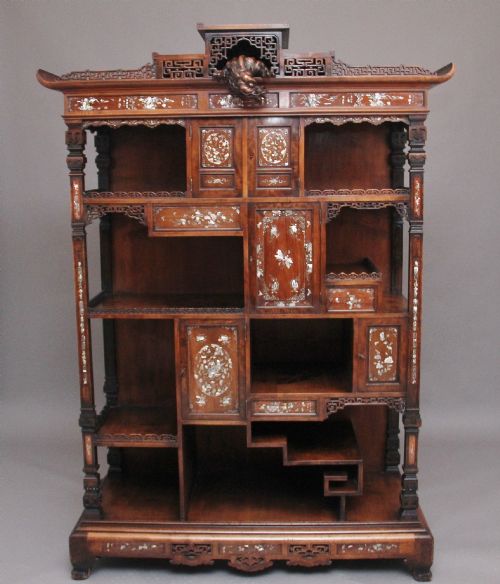
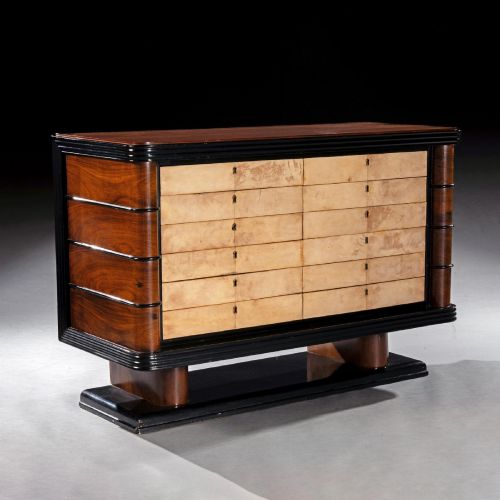
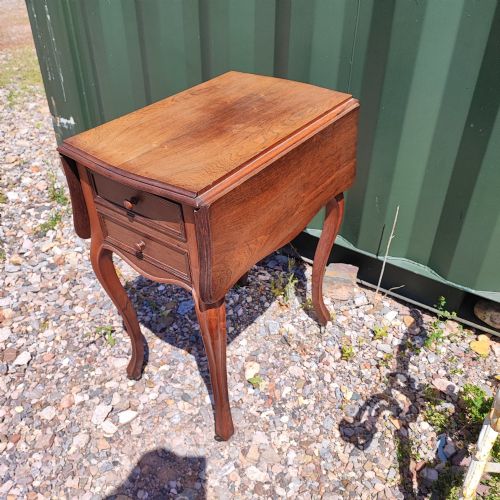
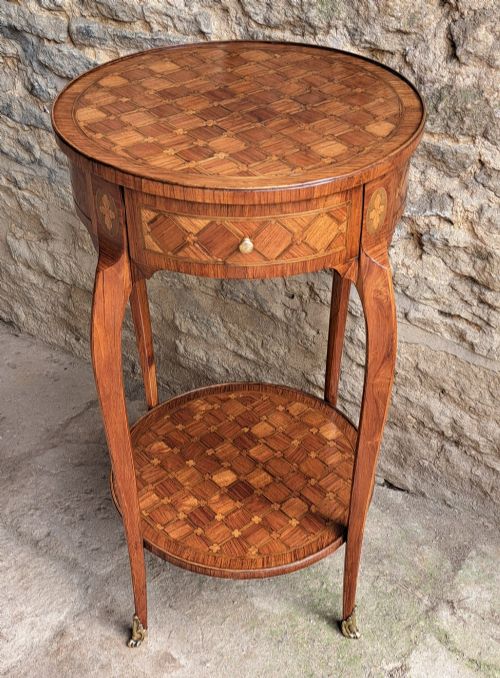
French rosewood furniture spans centuries of cabinetmaking, featuring pieces designed for writing, display, and storage across various revival styles. Buyers examining this selection encounter items ranging from serpentine commodes and bureau de dame desks to occasional tables and etageres.
The objects date from the eighteenth century through the nineteenth century and into the Art Deco period of the twentieth century. Forms such as the bonheur du jour and the side cabinet show the continuous use of rosewood alongside kingwood and satinwood veneers.
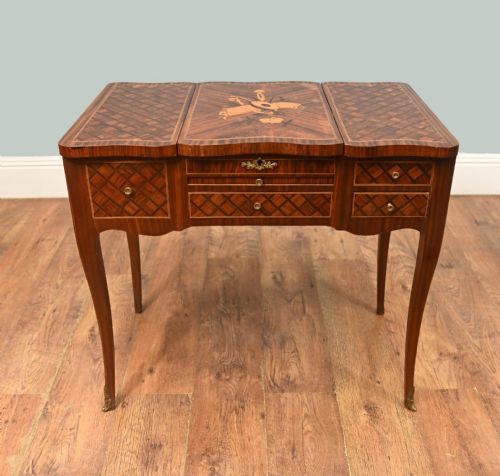
Many items display stylistic influences from Louis XV, Louis XVI, and Napoleon III periods, alongside later Art Nouveau and Art Deco designs. Pieces often incorporate marquetry, parquetry, and contrasting timber panels to emphasise the grain of the rosewood.
Materials and construction
Cabinetmakers utilised rosewood veneers over solid secondary timbers, frequently incorporating kingwood, satinwood, and walnut to create geometric parquetry and pictorial marquetry patterns. The grain of the rosewood forms the visual foundation of commodes, desks, and tables.
Mounts in cast or chased ormolu and inlaid brass lines accent the structural edges, drawer surrounds, and cabriole legs of cabinets and writing tables. Many case pieces, particularly commodes and side cabinets, integrate fitted marble tops above the timber carcase.
Secret drawers tucked behind dummy book spines in nineteenth-century secretaires still wait to surprise anyone clever enough to find the hidden spring.
Assessment of quality
The standard of a piece rests upon the precision of the marquetry inlay and the depth of the rosewood grain. Master cabinetmakers selected veneers for continuous pattern matching across drawer fronts and table tops, while lesser examples display disjointed grain alignment.
Hardware execution dictates overall grade, visible in the sharpness of cast ormolu mounts, the integration of original marble slabs, and the smoothness of drawer movement in secretaires and chests. Secondary timbers and internal drawer linings also reveal the level of workshop care.
Émile Gallé·Edwards & Roberts·Donald Ross·Haentgos Freres
The French Rosewood Furniture Glossary
- Ormolu
- Gilded bronze used for decorative mounts on furniture legs, corners, and apron rails. This technique was widely applied during the eighteenth and nineteenth centuries.
- Marquetry
- A mosaic of wood veneers applied to a carcase to form decorative pictures or geometric patterns. Makers used contrasting timbers like satinwood and kingwood alongside rosewood.
- Bonheur du jour
- A small lady's writing desk featuring a light framework with drawers and shelves above the main writing surface. These desks emerged during the Louis XV period.
- Commodes
- A low chest of drawers, often fitted with a marble top and cabriole or tapered legs. French examples frequently exhibit serpentine fronts and extensive floral marquetry.
- Parquetry
- Geometric wood inlay forming patterns such as cubes, lozenges, or herringbones. It differs from marquetry by relying on repeating geometric shapes rather than pictorial designs.
French Rosewood Furniture: Frequently Asked Questions
How do I identify a nineteenth century piece?
Nineteenth century examples often display revival styles referencing Louis XV or Louis XVI reigns, utilising machine-cut veneers alongside hand-finished ormolu mounts. The construction methods bridge traditional cabinetmaking and early industrial techniques.
Examination of the secondary timbers, drawer linings, and backboards helps confirm the period. Later Victorian interpretations frequently combine French aesthetic ideas with domestic British craftsmanship.
What is a bonheur du jour used for?
A bonheur du jour served as a personal writing desk for correspondence, featuring small drawers and pigeonholes above the main writing surface. Ladies utilised these compact pieces in private sitting rooms and boudoirs.
The upper tiers often accommodated books, inkwells, and decorative accessories. Their portable scale allowed them to be placed easily within residential interiors.
Are marble tops original to these cabinets?
Many commodes, side cabinets, and secretaires feature fitted marble tops designed to protect the rosewood surface and provide a stable display area. Original marble slabs generally fit the moulding profile of the timber carcase precisely.
Slight variations in edge bevelling and stone type correspond to the specific revival period of the piece. Examining the seating of the marble reveals whether it belongs to the original construction.
How should I care for rosewood furniture?
Rosewood requires stable humidity and protection from direct sunlight to prevent the timber veneers from drying out or fading. Gentle dusting with a dry cloth maintains the polished finish without harming the grain.
Avoid placing items near direct heat sources which can cause the underlying wood and veneer to warp or split. Wax polishes should be used sparingly and only when the timber appears dry.