


French Rococo Revival Desk
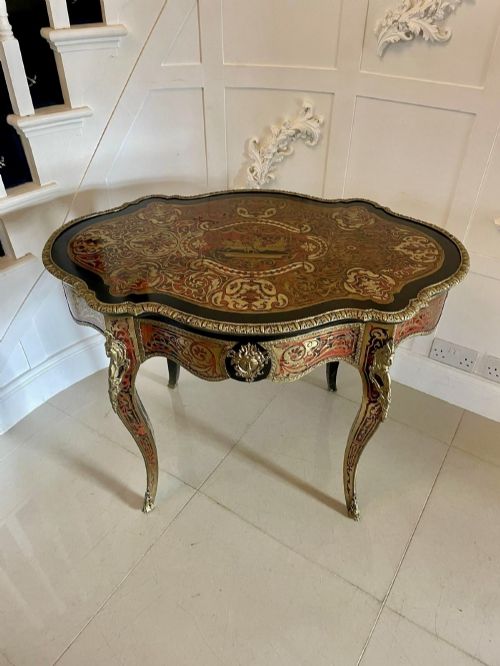
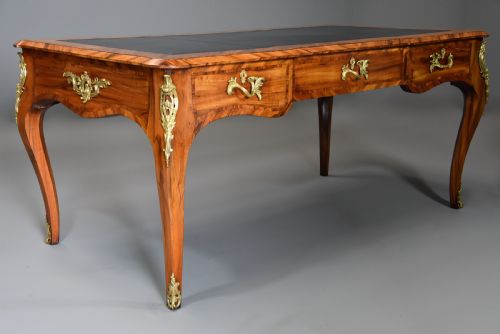
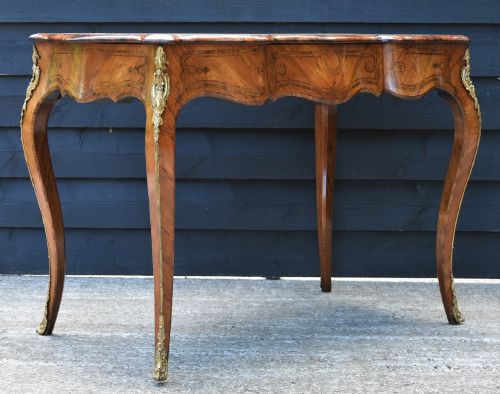
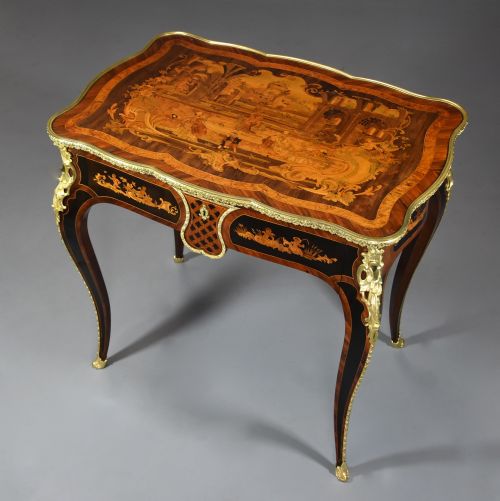
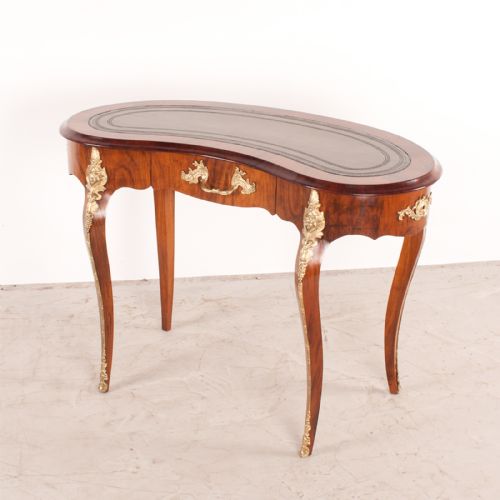
These pieces represent the french rococo revival desk, bringing curvilinear walnut, kingwood and ormolu mounts to nineteenth-century writing spaces.
French Rococo Revival Desk
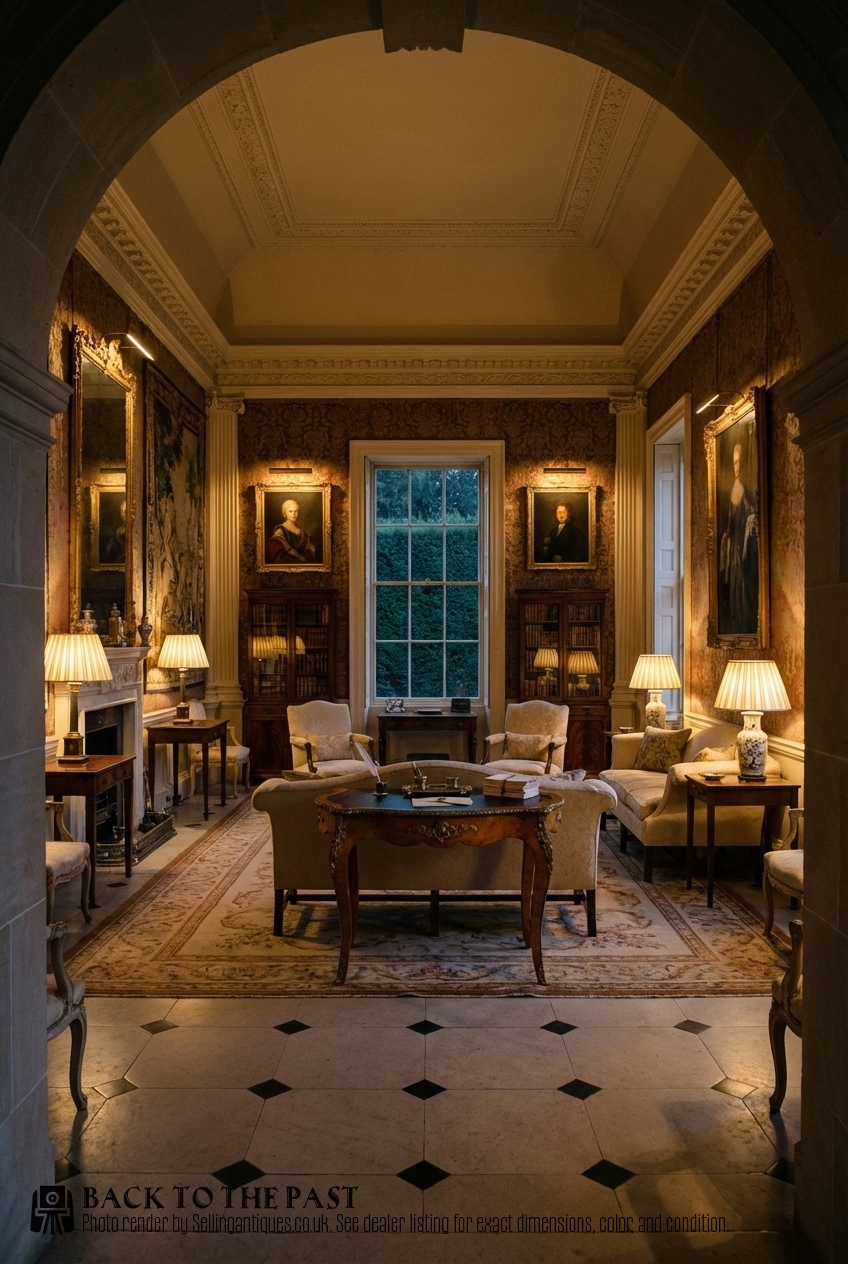
When searching for a french rococo revival desk, buyers encounter nineteenth-century writing tables, bureau plats and writing cabinets. These forms follow serpentine lines and embody nineteenth-century interpretations of earlier French royal aesthetics.
The versions most common on this page date from the Victorian era and the latter half of the nineteenth century. They incorporate marquetry, parquetry and leather writing surfaces alongside gilt bronze mounts.
How They Were Made
Cabinet makers utilised dense timbers such as kingwood, walnut and mahogany as the foundational structures for these writing tables. Surfaces received intricate marquetry and parquetry patterns arranged in geometric or floral layouts.
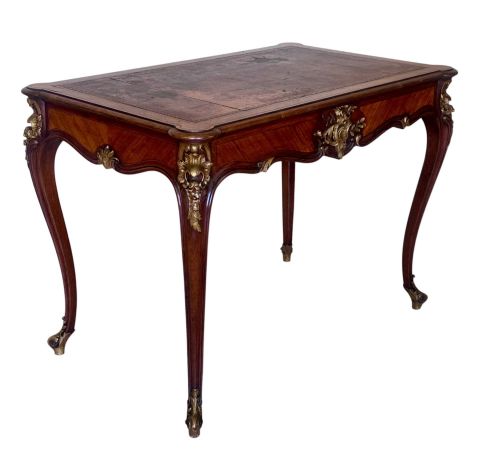
Gilt bronze and ormolu mounts were cast and chased to accentuate the serpentine outlines and corners of each piece. Leather inserts frequently formed the writing surface atop these desks.
Listings feature nineteenth-century writing tables constructed from kingwood, mahogany and walnut, accented with ormolu mounts and leather.
What Varies in Quality
The refinement of the ormolu mounts distinguishes standard examples from superior pieces, with finely chased bronze displaying crisp detail. The complexity and precision of the timber marquetry further separate tiers of craftsmanship.
Substantial proportions and robust serpentine form indicate careful construction by skilled workshops. Superior writing tables integrate secret drawers and carefully fitted interior compartments with precise joinery.
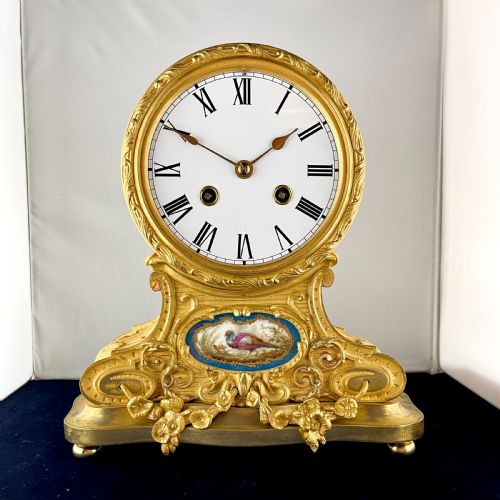
CH. Jeanselme & Co·Achille Brocot·Leon Message·Jollet et Cie
The French Rococo Revival Desk Glossary
- Ormolu
- Gilded bronze applied as decorative mounts to furniture and clock cases. This technique involves mercury gilding on bronze.
- Kingwood
- A dense tropical timber valued for its rich dark grain and contrasting figures, frequently utilised in nineteenth-century marquetry.
- Bureau plat
- A flat-topped writing table with drawers, originating in France during the eighteenth century and revived later.
- Serpentine
- A curved line that waves inward and outward, characteristic of rococo furniture silhouettes.
- Marquetry
- Inlaid pieces of wood fitted into a veneer to form decorative designs on furniture surfaces.
French Rococo Revival Desk: Frequently Asked Questions
What is a french rococo revival desk?
A french rococo revival desk is a nineteenth-century writing table influenced by earlier French design. These pieces utilise serpentine shapes and decorative bronze mounts.
Craftsmen built them using timber frames, often incorporating kingwood or walnut veneers and leather writing inserts.
How do I identify a nineteenth-century desk?
Nineteenth-century desks display characteristic construction methods, timber selections and mount designs specific to the Victorian period and continental equivalents. Examination of the secondary woods and drawer linings aids dating.
Ormolu casting styles and marquetry patterns also reflect the manufacturing techniques of the 1850s to 1900s.
Where were these desks used?
These desks served as functional writing furniture in period drawing rooms, studies and private libraries. Their finished backs allowed placement in the centre of a room rather than against a wall.
Writing tables provided a stable surface for correspondence and record keeping in affluent nineteenth-century households.
How do I care for kingwood furniture?
Maintain kingwood furniture by avoiding direct sunlight and excessive humidity fluctuations that affect timber and veneer. Gentle dusting with a dry cloth preserves the polished surface.
Conditioning the leather writing surface separately with appropriate conservation products helps prevent cracking over time.