





French Rococo Revival Clock
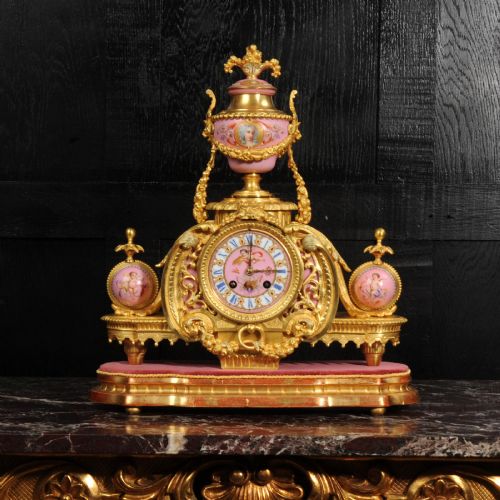
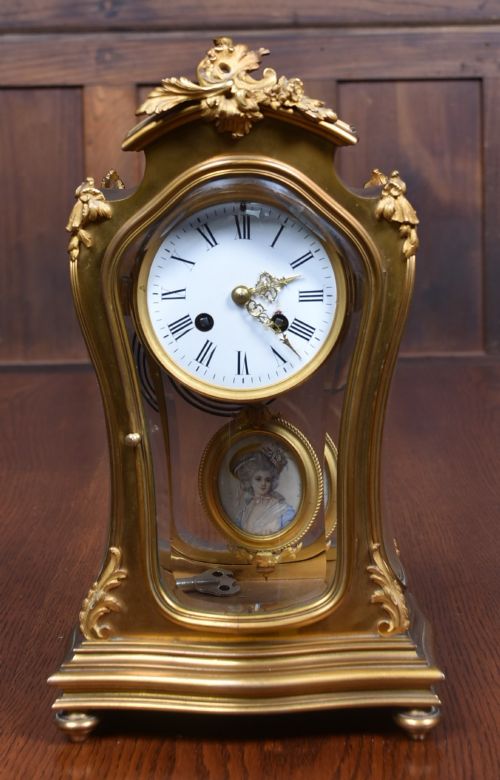
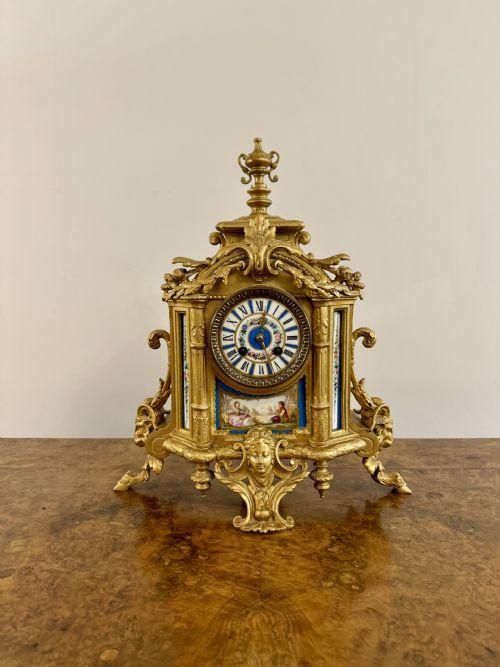
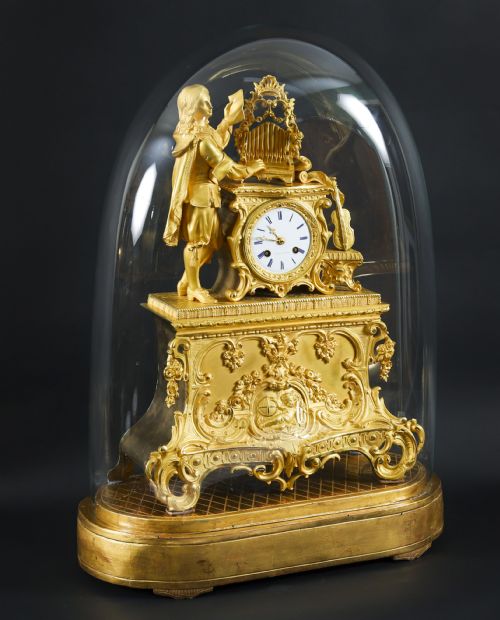
A french rococo revival clock brings ornate nineteenth-century gilt bronze and porcelain craftsmanship directly to the mantelpiece.
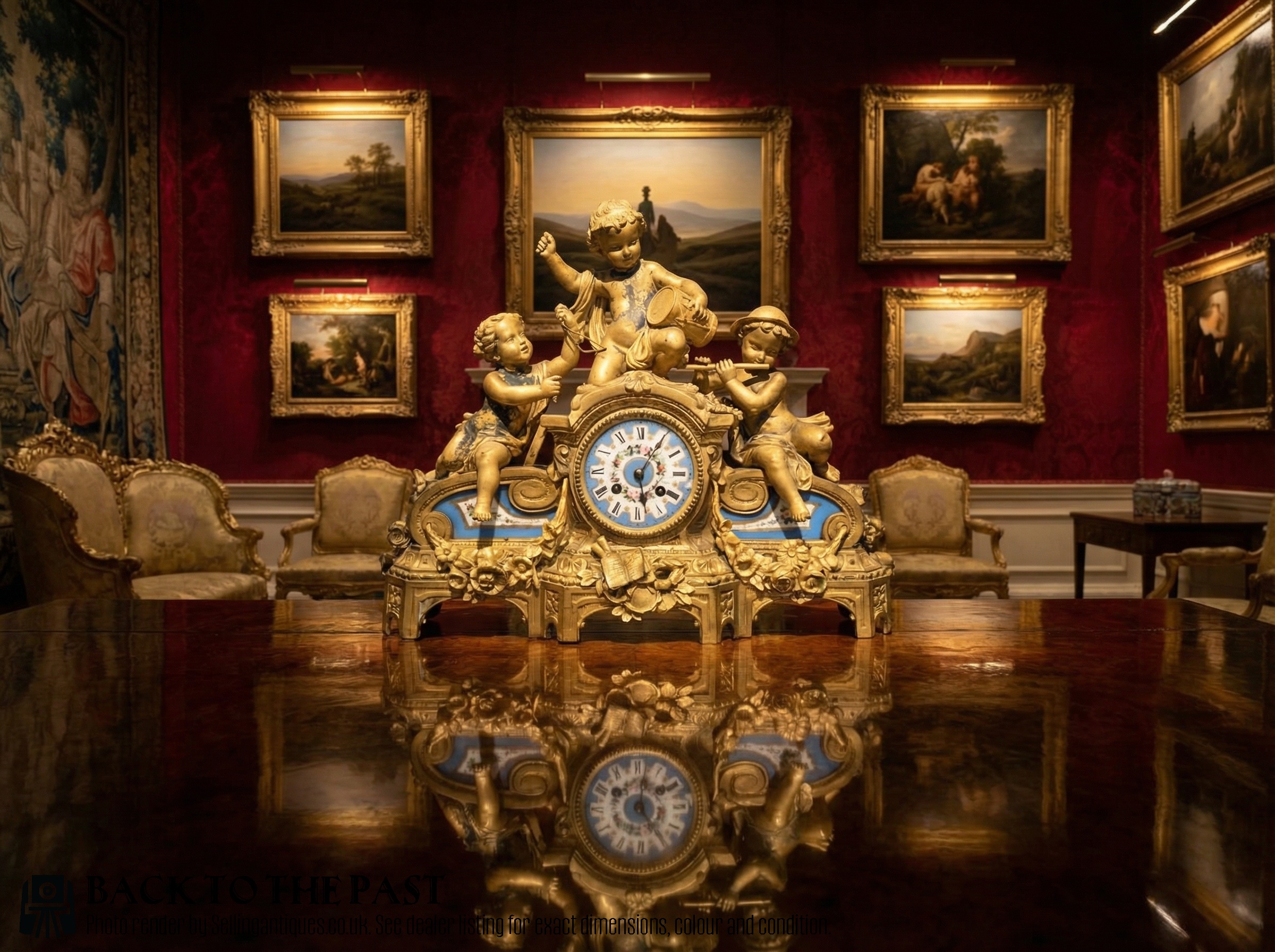
French Rococo Revival Clock
A french rococo revival clock combines the sweeping, asymmetrical curves of eighteenth-century design with nineteenth-century manufacturing prowess. These pieces emerge chiefly from the Victorian era, spanning decades from eighteen-fifty to nineteen-hundred, through periods such as the Second Empire and Napoleon III reign.
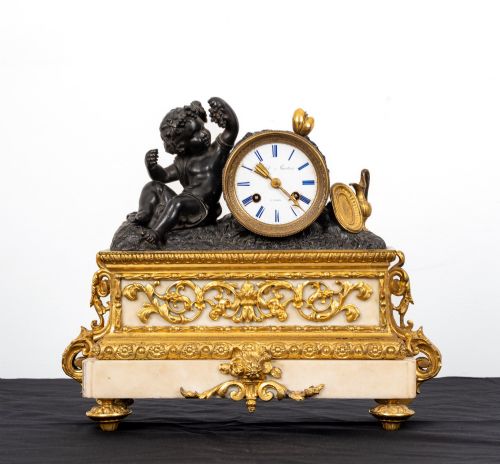
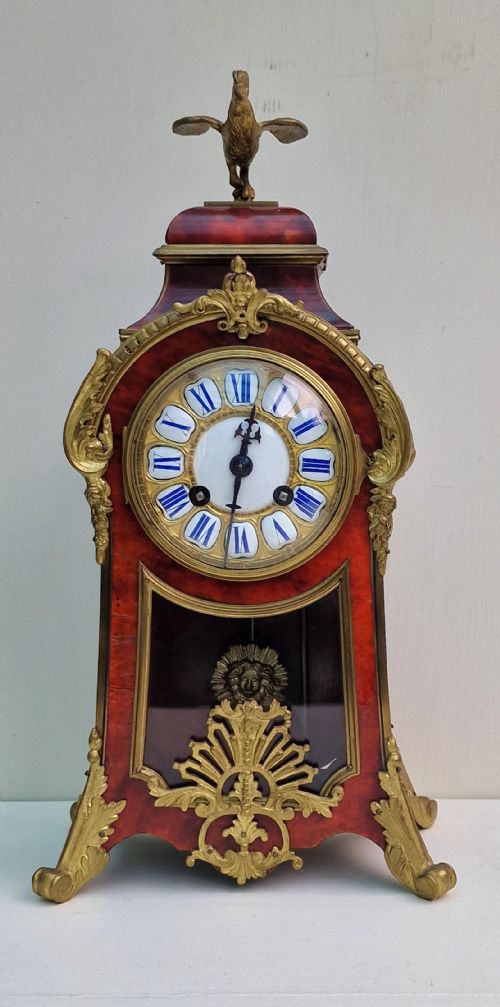
Buyers encounter mantel clocks, clock garnitures, desk clocks, and boudoir clocks housed in materials ranging from ormolu and gilt bronze to porcelain, enamel, marble, and tortoiseshell. Many examples incorporate decorative elements in the Sevres style or Louis XV manner, sometimes appearing as part of larger three-piece sets.
Materials and construction
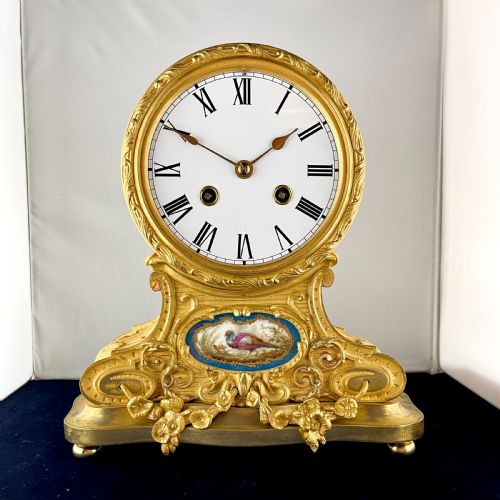
Metalwork relies on cast bronze, brass, or gilt metal finished with ormolu gilding to create bright, reflective surfaces shaped into scrolls, foliage, and figurative motifs. Artisans combine these metallic mounts with fired ceramic components, including painted porcelain panels and enamel dials.
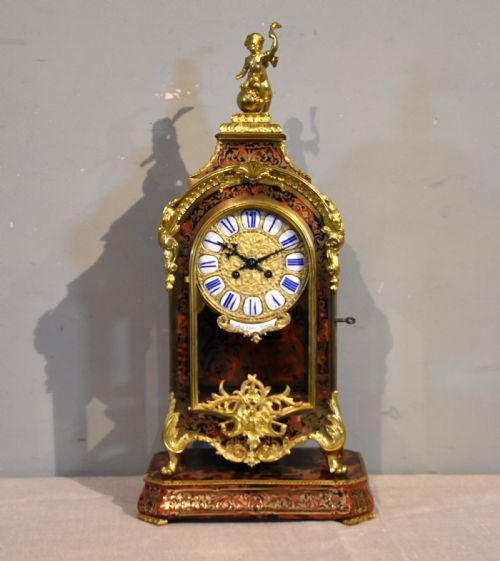
Clockmakers embed precision mechanical movements within these decorative housings, utilising glass panels for four-glass bracket clocks and intricate tortoiseshell veneers for Boulle work. Cabinetmakers and metalworkers collaborate to mount porcelain inserts from factories like Sevres and KPM Berlin directly into the cast frames.
Distinctions in quality
The sophistication of the casting and the depth of the ormolu finish separate standard production from exceptional work. Finer models display crisp, hand-chased detailing across the bronze mounts rather than soft, uniform factory stamping.
The presence of signed movements by notable makers, hand-painted miniature porcelain panels, and complete matching garniture sets elevate a piece. The integration of materials like marble and tortoiseshell also dictates the tier of the object.
Achille Brocot·Siffel and Cartier·Japy Freres·Leroy Paris·Leon Message·Jollet et Cie·PH Mourey·Le Roy and Fils·Charpentier Paris·Vincenti of Paris
The French Rococo Revival Clock Glossary
- Ormolu
- A technique of applying finely ground high-carat gold to a bronze base metal. This process creates a rich, golden surface finish characteristic of nineteenth-century decorative objects.
- Garniture
- A set of matching decorative ornaments designed to be displayed together on a mantelpiece. These typically consist of a central clock flanked by matching vases or candelabra.
- Champleve
- An enamelling technique where troughs are dug into a metal surface and filled with vitreous enamel powder before firing. This produces colourful decorative patterns across the clock case.
- Boulle
- A style of marquetry using brass and tortoiseshell inlaid in intricate patterns. Named after a royal French cabinetmaker, it defines ornate clock enclosures.
- Drumhead
- A clock case styled with a circular dial housing resembling a drum mounted on a supportive base. This form appears frequently in nineteenth-century mantle pieces.
French Rococo Revival Clock: Frequently Asked Questions
What is a french rococo revival clock?
A french rococo revival clock is a nineteenth-century timepiece that imitates the ornate, flowing decorative forms of the Louis XV period. These objects feature elaborate metallic casting, often combined with painted porcelain and enamel.
They serve primarily as decorative mantelpieces, reflecting the aesthetic tastes of the Victorian era and the Second Empire in France.
How do I identify the period?
The period is identified through a combination of material use, stylistic markers, and maker signatures stamped on the clock movements. Nineteenth-century pieces frequently display specific revival traits tied to Napoleon III designs.
Examining the casting technique and porcelain painting styles helps narrow down the manufacturing decade between eighteen-fifty and nineteen-hundred.
Where were these clocks placed?
These clocks were designed principally for prominent display on mantelpieces within formal nineteenth-century drawing rooms and parlours. Larger garniture sets occupied central spaces above fireplaces.
Smaller boudoir and desk clocks were utilised in private chambers, studies, and smaller sitting rooms.
How do I care for the metalwork?
Care for the gilt bronze and ormolu case involves gentle dusting with a soft, dry brush to prevent accumulation. Harsh metal polishes must be avoided to protect the original gold surface.
Maintaining a stable indoor climate away from direct sunlight protects both the metallic finishes and the delicate porcelain or tortoiseshell elements.