
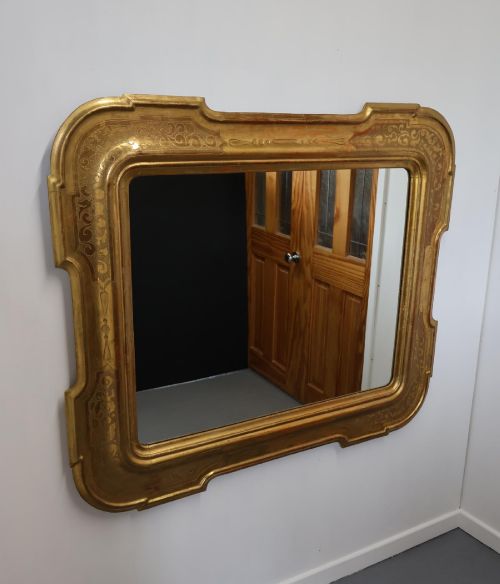
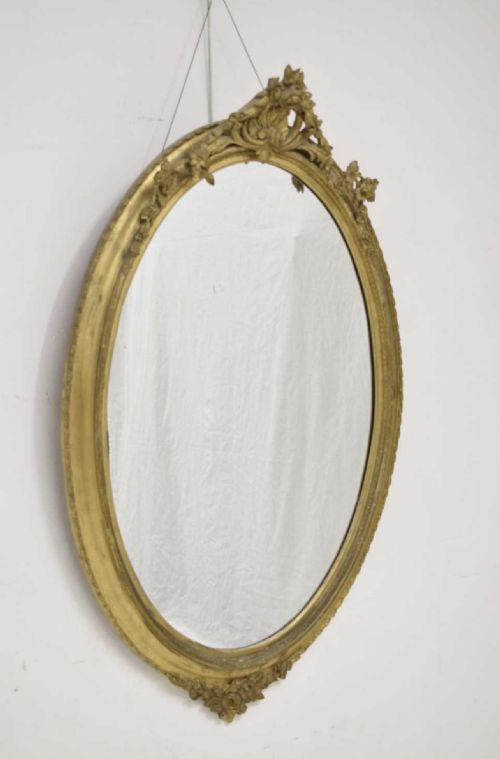
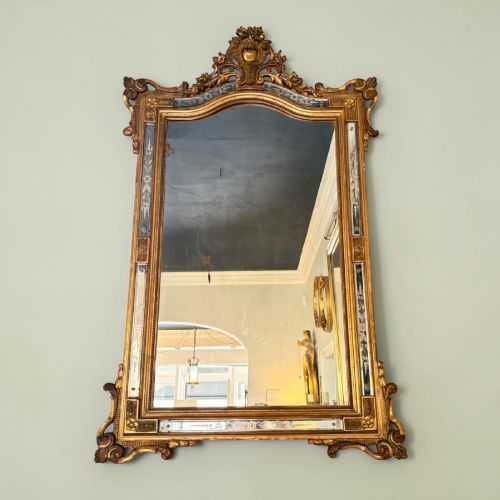
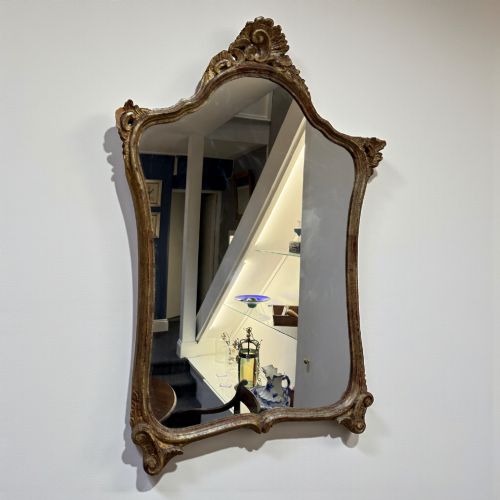
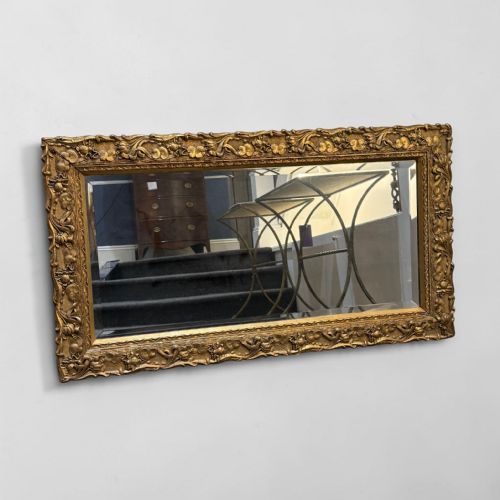
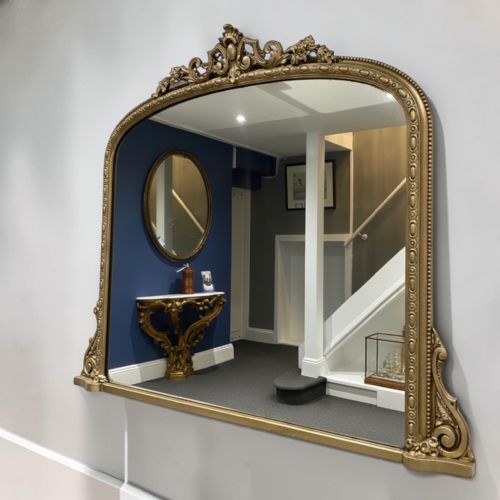
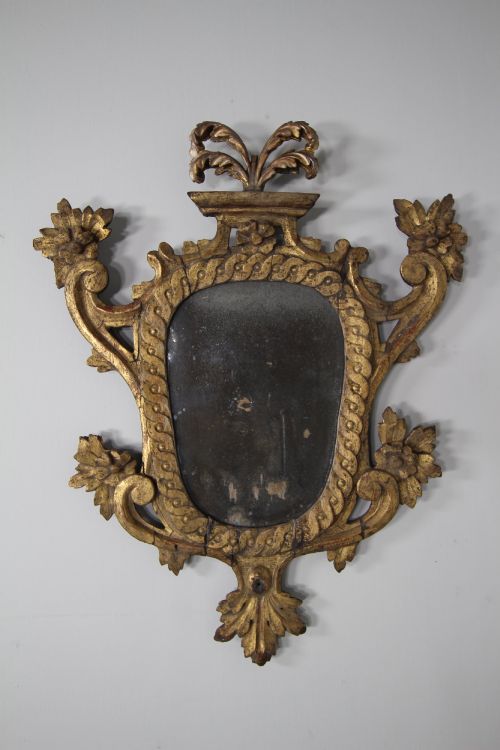
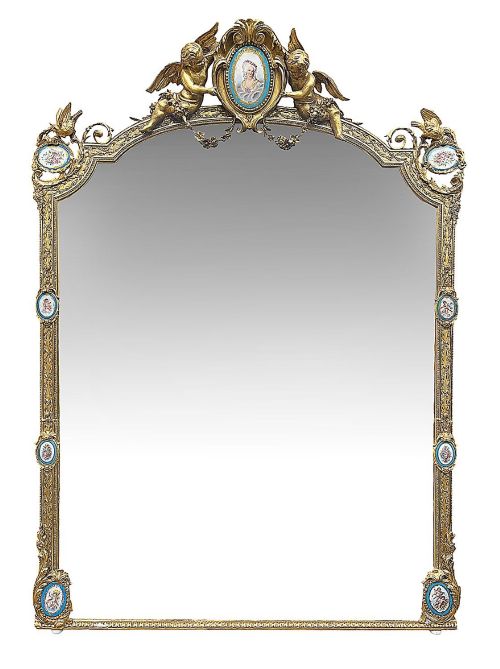
French Rococo Giltwood Mirror
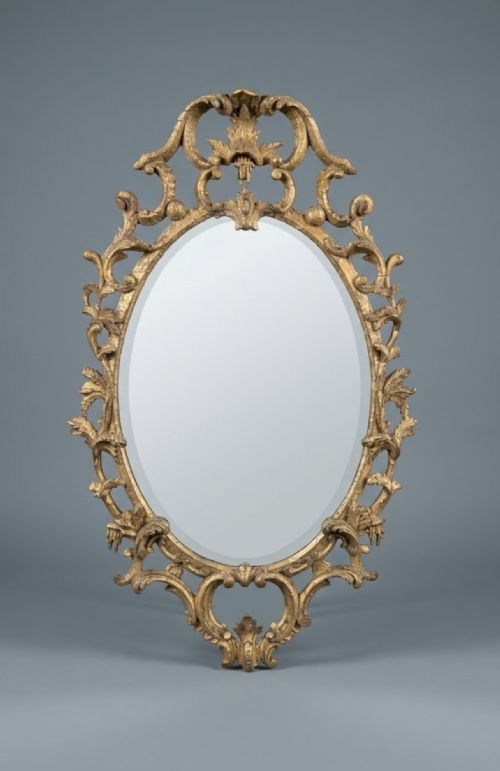
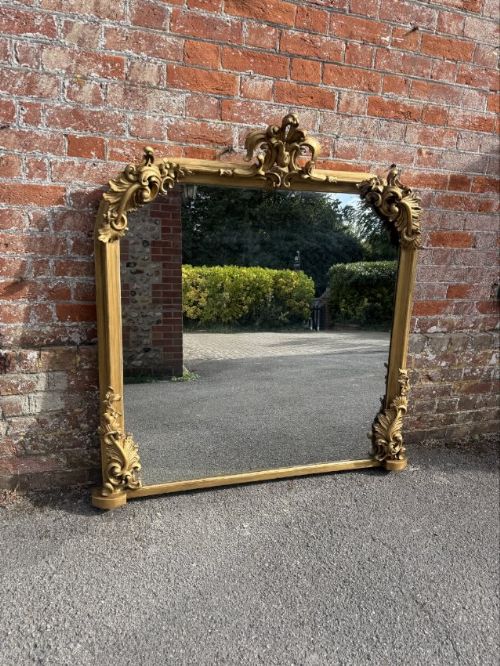
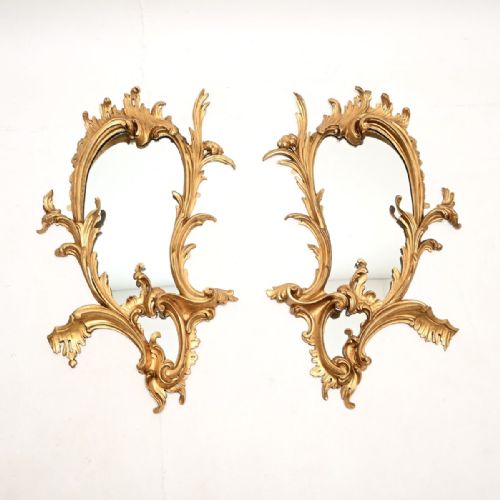
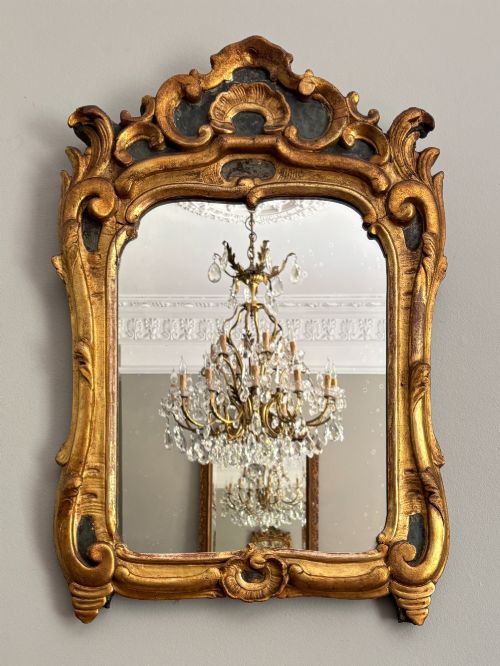
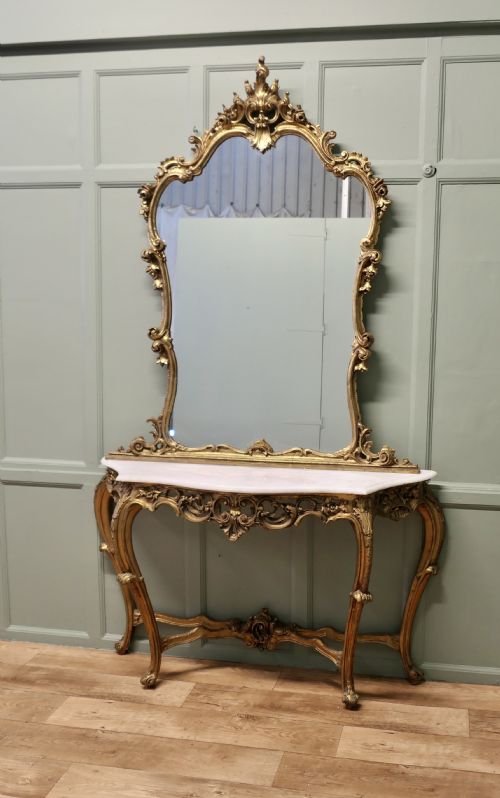
These french rococo giltwood mirror pieces bring dramatic organic curves and gilded reflection into a room.
French Rococo Giltwood Mirror
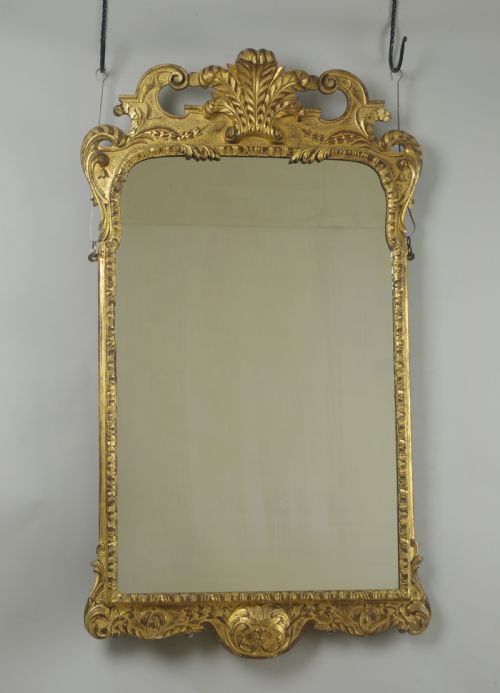
A french rococo giltwood mirror brings sculptural asymmetry and naturalistic forms to an interior. Buyers encounter wall mirrors, overmantel mirrors, and console tables spanning the eighteenth to the early twentieth century.
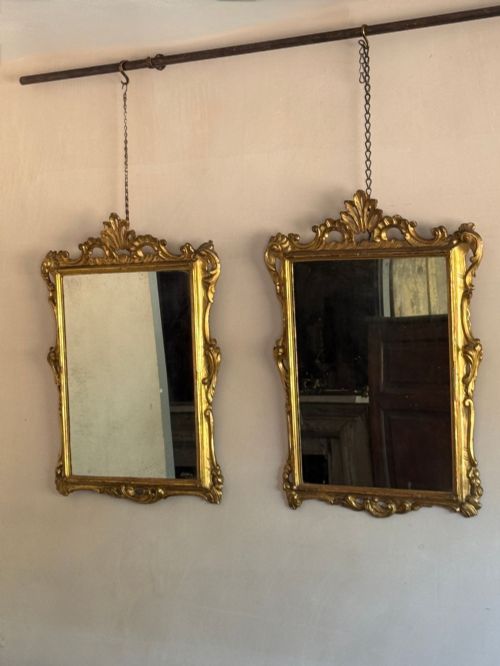
The selection ranges from tall nineteenth century examples to earlier eighteenth century pieces bearing mercury glass. Overmantel mirrors and larger wall formats dominate the selection alongside leaner mirrors.
Makers drew on Louis XV designs, French chateau aesthetics, and later rococo revival movements. The pieces function as statement focal points above mantels or console tables.
How they were made
Craftsmen carved timber and applied gesso to build up high-relief scrollwork, foliage, and asymmetrical motifs. Gold leaf or composition was then laid over the prepared surfaces to achieve a bright metallic finish.
Mirror plates varied from early mercury glass to later bevelled mirror glass set into heavy wooden frames. Structural integrity relied on solid carved wood or reinforced plaster elements.
Listings feature periods spanning from the 18th century through the Victorian era up to the 1920s.
What varies in quality
The depth and crispness of the hand-carved ornamentation separate exceptional pieces from simpler productions. Deeply undercut foliage and fluid scrolls demonstrate superior artistry over shallow moulding.
The preservation of the original gold leaf and the clarity of the mirror plate dictate the character of the object. Age-related patination on mercury glass adds depth, whereas later plate replacements alter the original visual balance.
The French Rococo Giltwood Mirror Glossary
- Giltwood
- Timber coated with gold leaf or metal leaf. This surface treatment provides a warm reflective sheen.
- Gesso
- A plaster-based mixture applied to wood frames before gilding. It creates a smooth base for intricate carving.
- Overmantel
- A mirror designed to hang specifically above a fireplace mantel. These pieces often feature wide horizontal proportions.
- Mercury glass
- An early form of double-walled glass silvered with a mercury amalgam. It produces a characteristic mottled reflection.
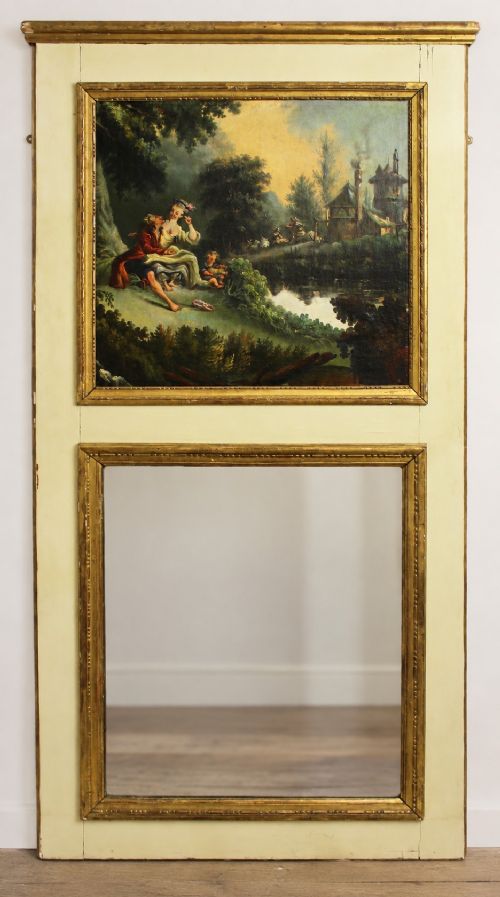
- Trumeau
- A decorative wall mirror incorporating a painted panel or oil painting above the glass plate.
French Rococo Giltwood Mirror: Frequently Asked Questions
How do I date a giltwood mirror?
Dating relies on examining the construction of the wooden frame, the backing boards, and the type of mirror glass used. Earlier pieces often utilise hand-beveled mercury glass and pegged joints.
Stylistic shifts between eighteenth-century Louis XV originals and nineteenth-century revival pieces also help determine the period of manufacture.
Where should I hang an overmantel mirror?
An overmantel mirror is traditionally placed directly above a fireplace mantelpiece to anchor the room's proportions. Its large scale reflects light and creates a focal point.
Ensure the wall fixings can support the substantial weight of carved timber and glass.
What is mercury glass?
Mercury glass refers to double-walled blown glass silvered between the layers during the nineteenth and earlier centuries. It creates a dark, mottled reflective quality.
This distinct ageing process distinguishes older plates from modern silvered glass.
How do I clean a giltwood frame?
Giltwood frames require gentle dusting with a soft, dry brush to protect the delicate gold leaf layer. Moisture and chemical cleaners can strip the original gilding.
Professional conservation is recommended for restoring damaged plaster or flaking surfaces.