
French Rococo Furniture
French rococo furniture brings dynamic movement and fluid curves into a room through carved walnut, kingwood and gilt bronze.
French Rococo Furniture
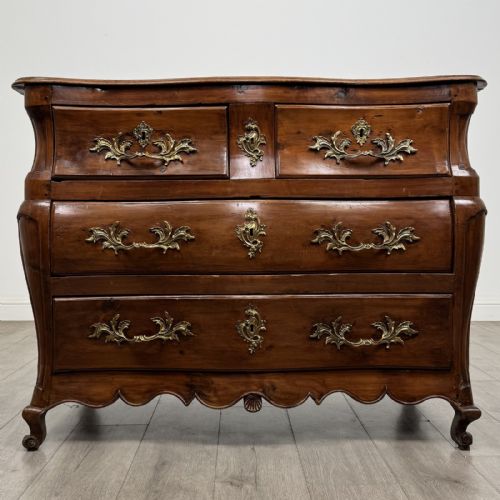
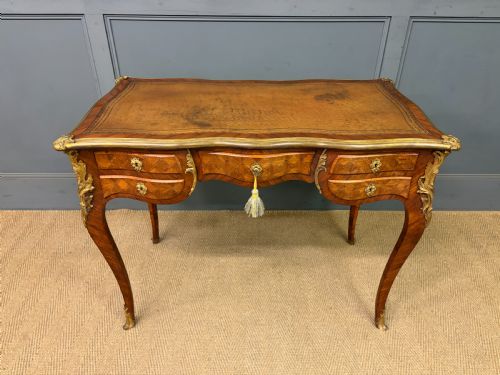
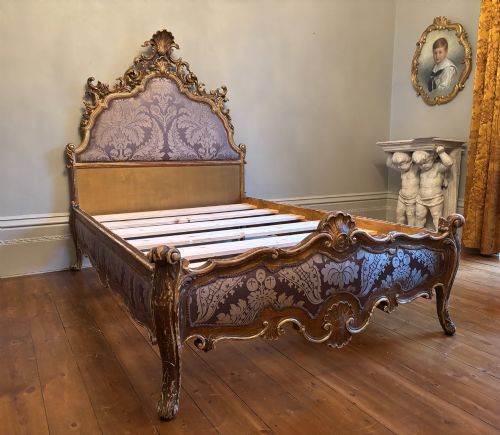
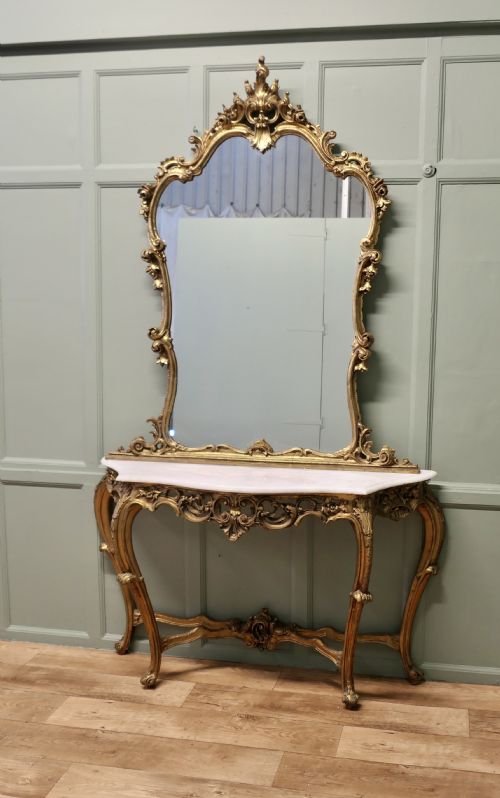
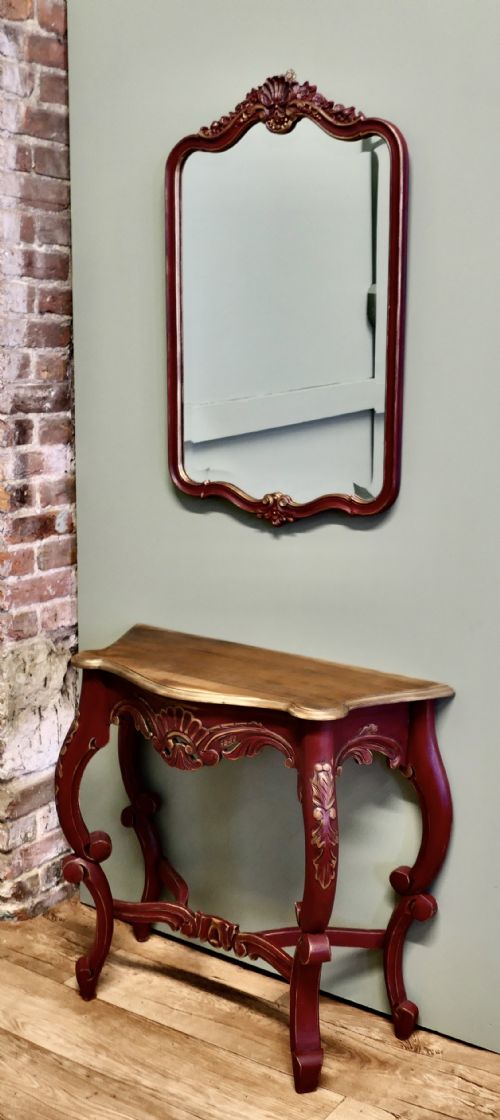
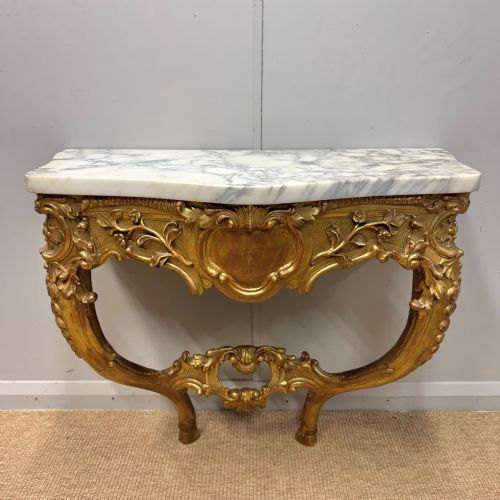
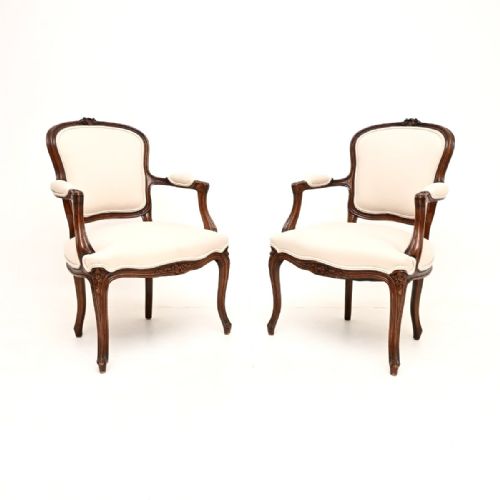
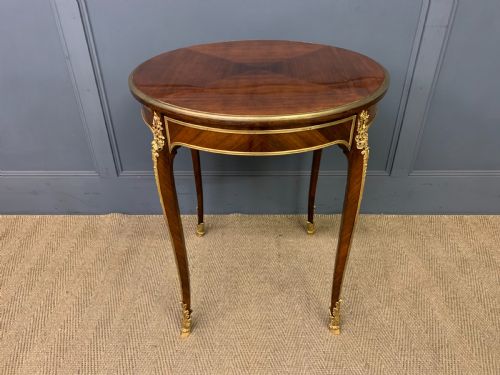
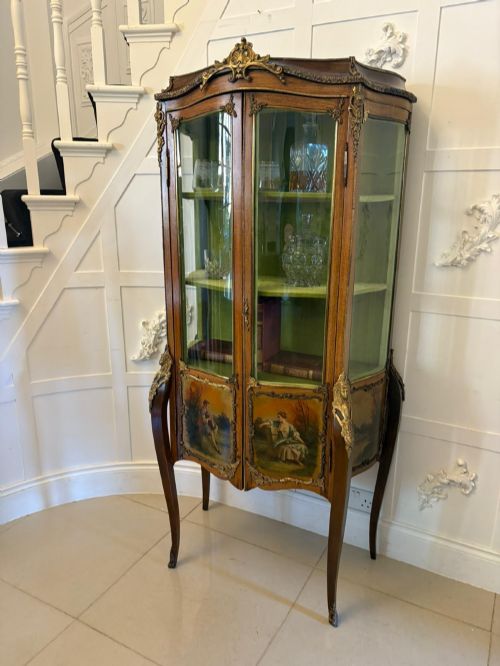
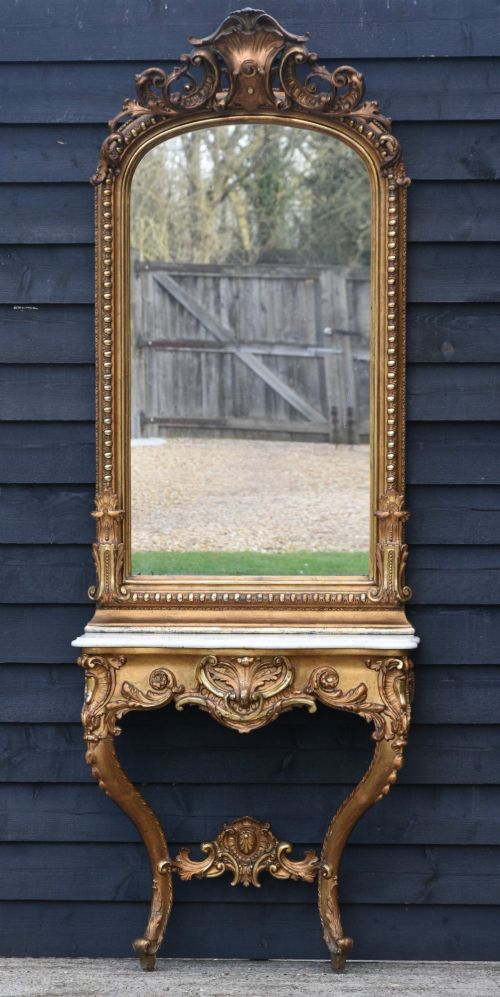
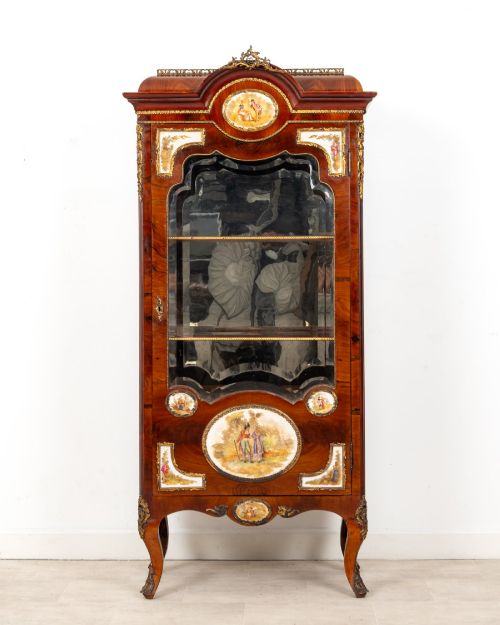
French rococo furniture encompasses serpentine commodes, display cabinets, console tables and seating dating from the eighteenth century onwards. Buyers frequently encounter nineteenth-century revival pieces that emulate the ornate forms of the original period.
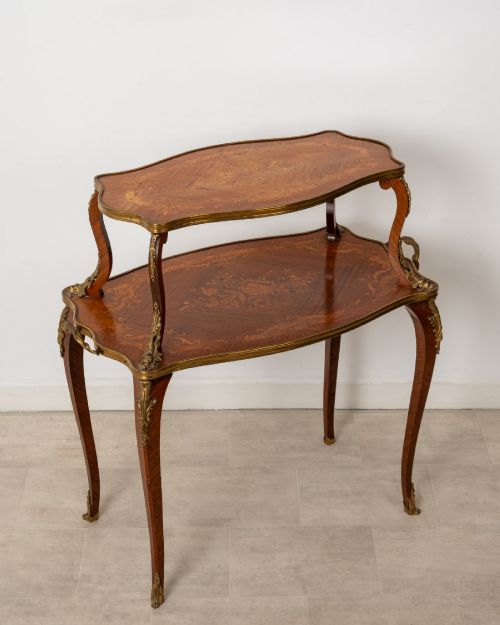
The aesthetic prioritises asymmetry, sweeping C-scrolls and natural motifs derived from shells and foliage. Items range from large freestanding vitrines and desks to smaller occasional tables and wall étagères.
How they were made
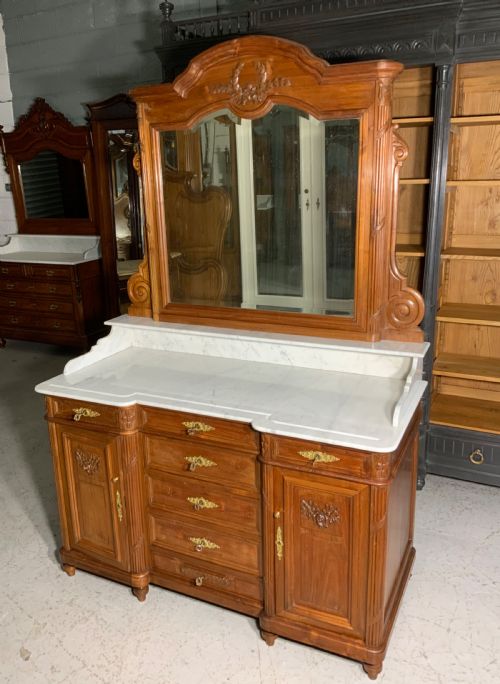
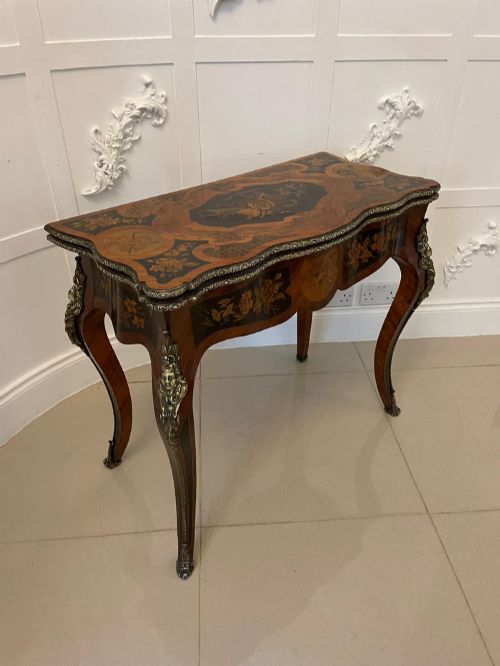
Cabinetmakers constructed carcases in walnut or oak before applying intricate kingwood marquetry and parquetry veneers. Surfaces often incorporate painted vernis martin panels and shaped marble tops.
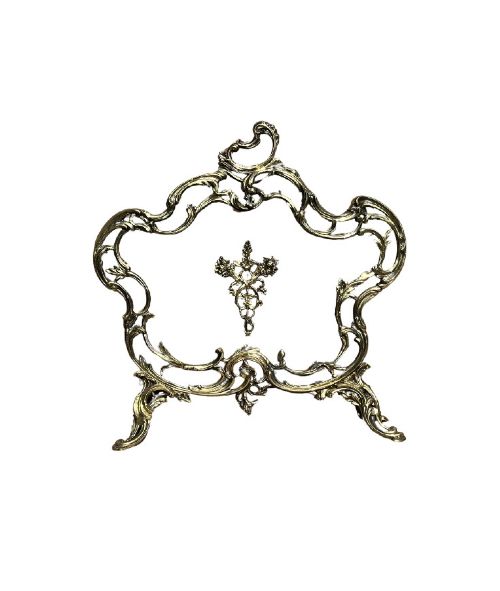
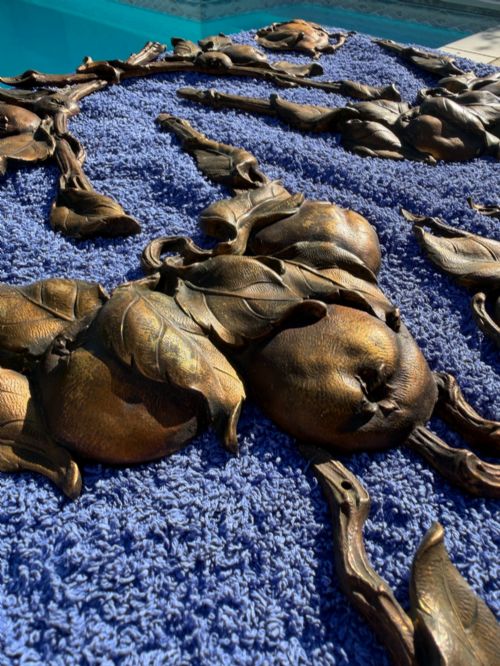
Casters, mounts, and finials cast in ormolu or gilt bronze accentuate the structural lines and protect vulnerable edges. Gilding on wood surfaces utilises layers of gold leaf applied over gesso.
A tiny gilt bronze putto finial once watched over a Parisian salon from atop a commode.
What varies in quality
Quality rests in the crispness of the bronze chasing and the precision of the marquetry patterns across curved surfaces. Finer examples display meticulous hand-carving that follows the natural grain of the wood without rigidity.
The integration of mounts into the cabinetwork indicates the skill of the maker, where brass and ormolu fit flush against walnut or kingwood. Interior construction details, such as drawer linings and dovetailing, separate standard production from master workshop output.
Poix Blin·Joseph-Emmanuel Zwiener·E. Kahn·François Linke·Millet
The French Rococo Furniture Glossary
- Ormolu
- Gilded bronze used for decorative mounts and decorative hardware. It provides a bright metallic contrast against dark kingwood or walnut.
- Vernis Martin
- A type of decorative lacquer finish developed in France, often featuring painted pastoral scenes on cabinets and vitrines.
- Marquetry
- The art of applying pieces of veneer to a structure to form decorative patterns. Craftsmen utilise various coloured woods to achieve pictorial designs.
- Serpentine
- A curved shape resembling a snake, featuring a convex centre flanked by concave ends. This contour appears frequently on commode and table fronts.
- Étagère
- An open piece of furniture with multiple tiers for displaying small objects. These stands appear in both floor-standing and wall-hung formats.
French Rococo Furniture: Frequently Asked Questions
How do I identify french rococo furniture?
Look for asymmetrical lines, curved serpentine fronts, and decorative motifs involving foliage and shells. These pieces frequently feature exposed ormolu mounts and marquetry veneers.
Construction materials typically include walnut, kingwood and giltwood. Nineteenth-century revival items share these characteristic silhouettes with their eighteenth-century predecessors.
Where should I place a commode?
A serpentine commode functions well as a focal point in a hallway, bedroom or living space. The flat top surface accommodates lamps, mirrors or decorative objects.
Ensure the room has sufficient clearance for the curved profile and opening drawers. Placing the piece away from direct sunlight protects the wood veneers and lacquer finishes.
How do I care for marble tops?
Wipe marble surfaces with a soft, damp cloth and dry them immediately to prevent water rings. Avoid acidic cleaning products that can etch the polished stone.
Use protective pads beneath objects placed on the marble to prevent scratching. Periodic gentle dusting maintains the natural lustre of the stone.
What is the difference between revival and original pieces?
Original pieces date from the eighteenth century and show period-specific construction methods and wear. Revival items were produced during the nineteenth and early twentieth centuries, drawing inspiration from earlier royal French styles.
Both categories utilise similar materials like kingwood, walnut and ormolu mounts. Revival pieces often incorporate advanced mechanical elements while maintaining the aesthetic vocabulary of the original era.