




French Rococo Bronze Sculpture
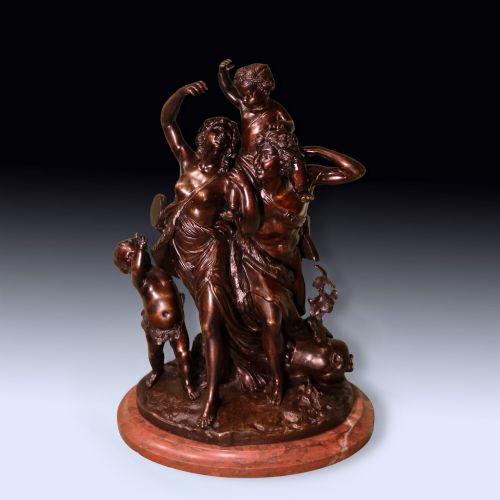
These french rococo bronze sculpture pieces bring swirling asymmetrical vitality and classical figures into interior spaces with remarkable presence.
French Rococo Bronze Sculpture
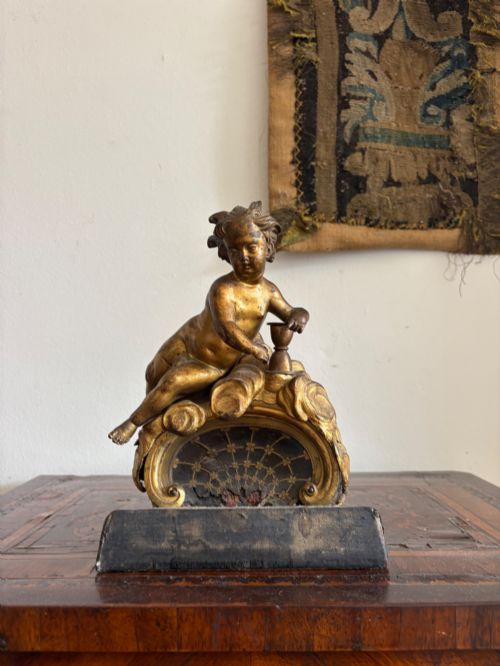
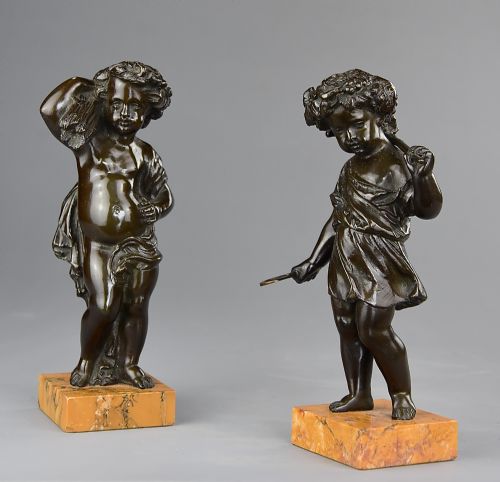
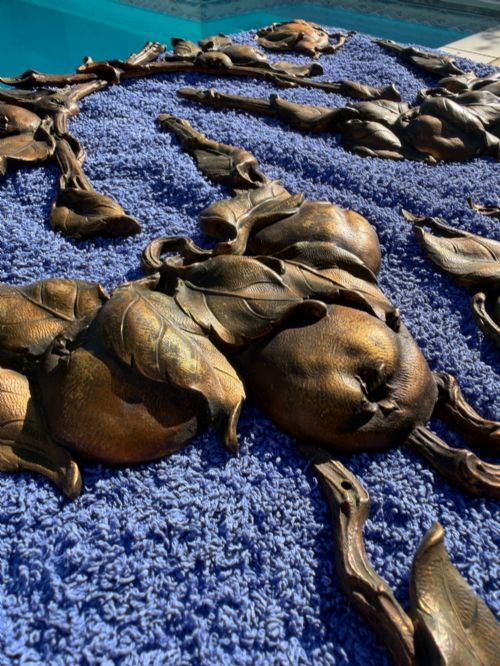
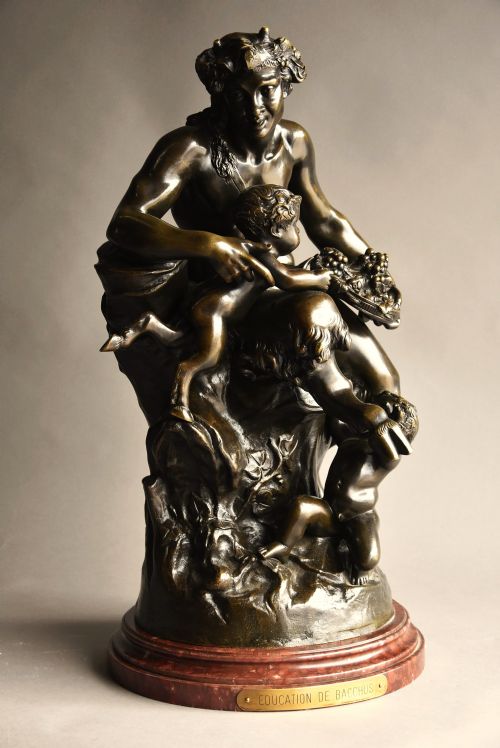
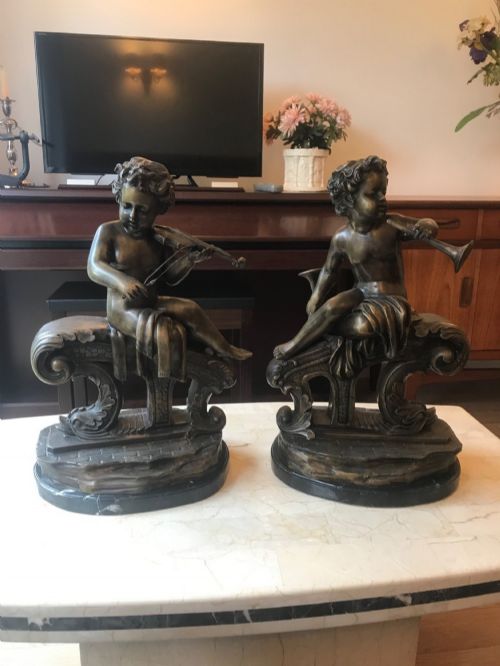
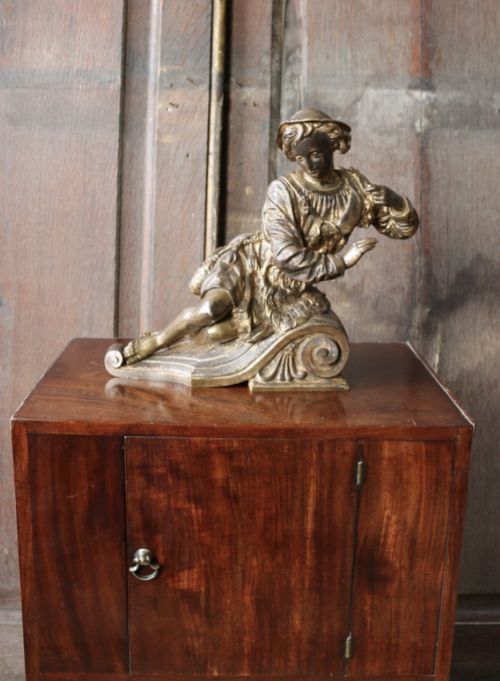
A french rococo bronze sculpture embodies the fluid lines and spirited mythological subjects characteristic of the movement, spanning figures, clock mounts, and wall appliques. Buyers searching for french rococo bronze sculpture encounter works originating predominantly from the eighteenth and nineteenth centuries, often manifesting as revival interpretations.
The assortment includes sculptural groups of putti, satyrs, and allegorical figures, alongside functional decorative objects mounted with gilt bronze and ormolu. Pieces frequently incorporate marble bases or detailed porcelain elements, reflecting the opulent interior tastes of their periods.
Assessing quality and execution
The integration of mixed materials, such as the fit between bronze mounts and marble bases or porcelain plaques, distinguishes finer studio output from standard commercial production. Heavier, more substantial metal castings indicate superior material use.
French Rococo Bronze Sculpture Retail Price Guide 2026
Typical asking prices for french rococo bronze sculpture among the pieces listed under this phrase on Sellingantiques today, from the lower quarter to the upper quarter. They describe what is for sale here now, not the wider market.
Harlequins and windmills occasionally share space with classical putti, proving that eighteenth-century decorators appreciated a touch of theatrical whimsy.
Poix Blin·Claude Michel Clodion·Leon Message·Jollet et Cie·Charpentier Paris
The French Rococo Bronze Sculpture Glossary
- Ormolu
- Gilt bronze produced by applying a mercury and gold amalgam to a bronze base and heating it. This technique creates a durable, luminous golden surface common in decorative mounts.
- Putto
- A chubby male child figure, often winged, derived from classical art and frequently depicted in mythological or allegorical groupings.
- Applique
- An ornamental metal fitting attached to a wall, panel, or piece of furniture.
- Andiron
- A horizontal metal support used in pairs inside a fireplace to hold logs, often featuring decorative sculptural terminals.
- Rococo Revival
- A nineteenth-century stylistic movement that drew inspiration from the eighteenth-century French rococo style, emphasising asymmetry, scrollwork, and natural motifs.
French Rococo Bronze Sculpture: Frequently Asked Questions
How do I identify a revival piece?
Nineteenth-century revival works often utilise machine-assisted finishing techniques alongside hand-chasing, whereas eighteenth-century originals rely entirely on period handcraft methods.
Examination of the bronze patina, casting seams, and the composition of supporting marble bases helps distinguish between original eighteenth-century production and later nineteenth-century interpretations.
What is ormolu?
Ormolu refers to gilded bronze, created by applying a gold-mercury amalgam to a cast bronze object and firing it to evaporate the mercury.
This historical process yields a distinct golden lustre that differs significantly from modern electroplating methods used on later metalware.
Where were these sculptures placed?
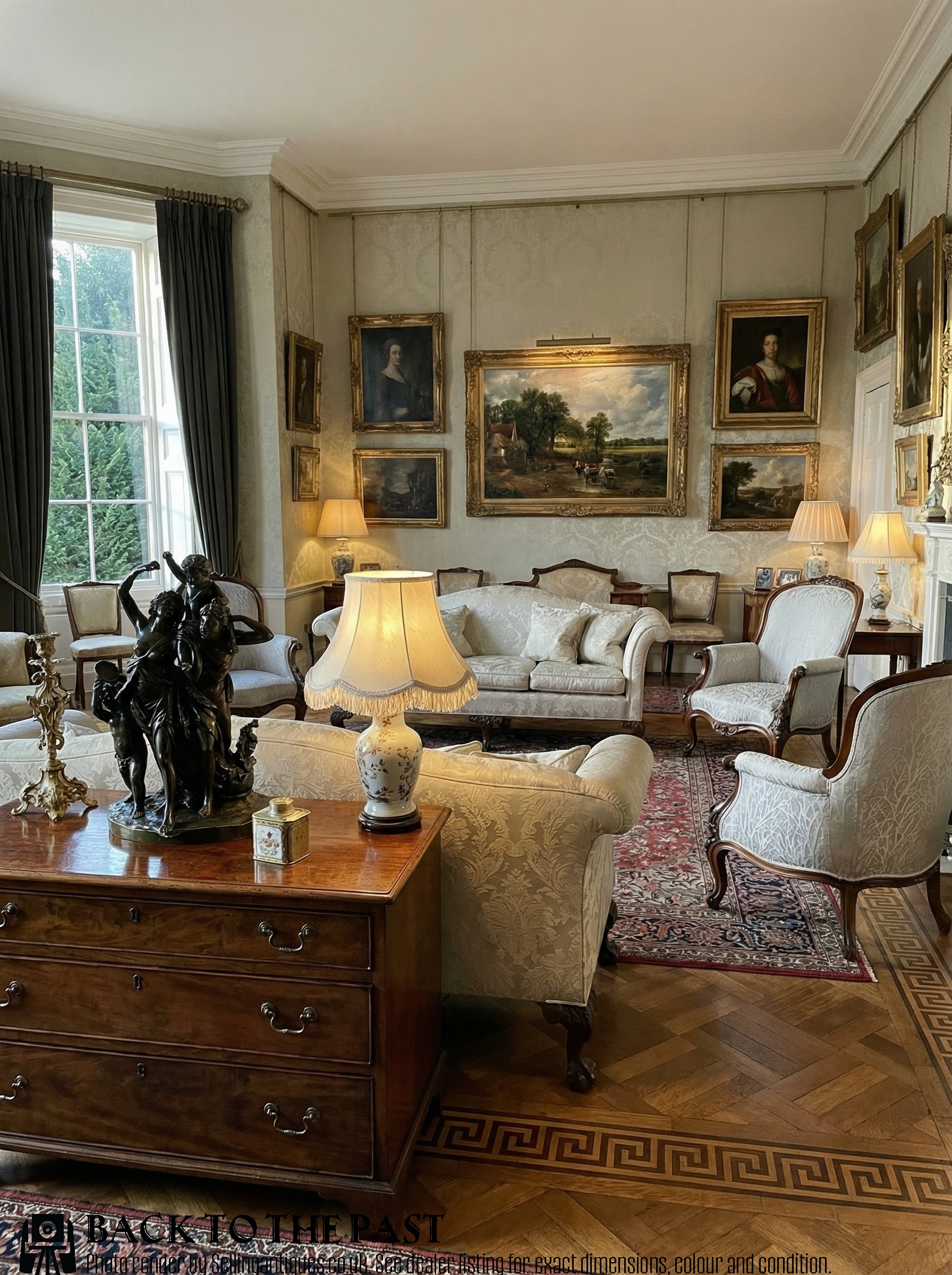
These decorative bronzes functioned primarily as mantel ornaments, clock housings, wall appliques, and architectural furniture mounts within formal interiors.
Many figures stood upon marble bases to elevate them on surfaces like pedestals, mantelpieces, or side tables in drawing rooms.
How should I clean bronze and ormolu?
Maintenance requires only gentle dusting with a soft, dry brush to prevent the accumulation of grit within intricate crevices and chased details.
Harsh chemical polishes or abrasive cloths must be avoided, as they can strip away original gilding and damage the surface patina.