
French Rococo Accent Chairs
French rococo accent chairs bring curved lines and rich upholstery into a room, offering both decorative presence and comfortable seating.
French Rococo Accent Chairs
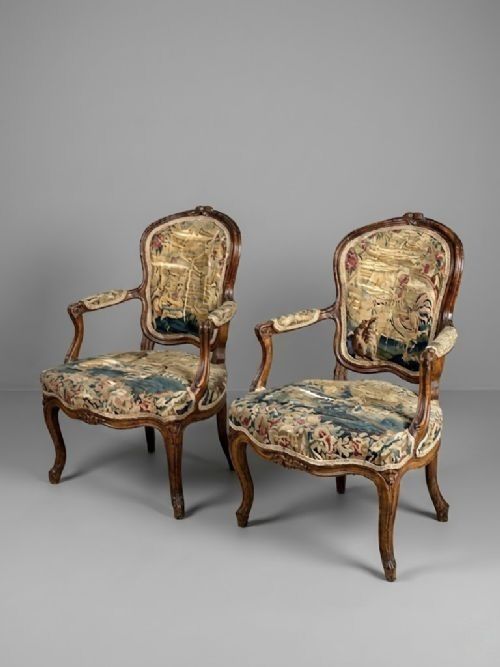
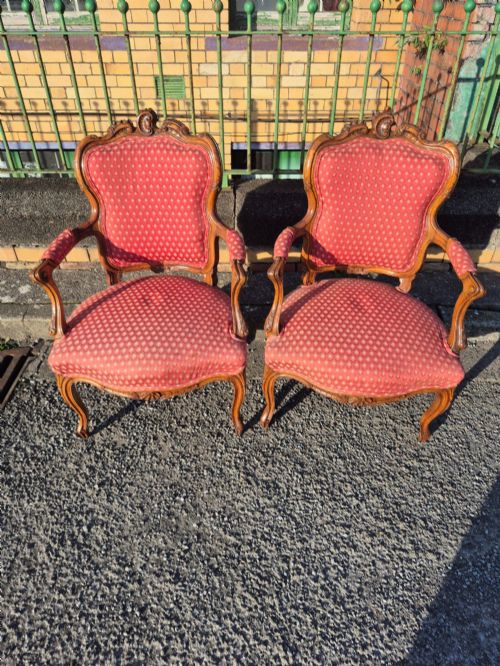
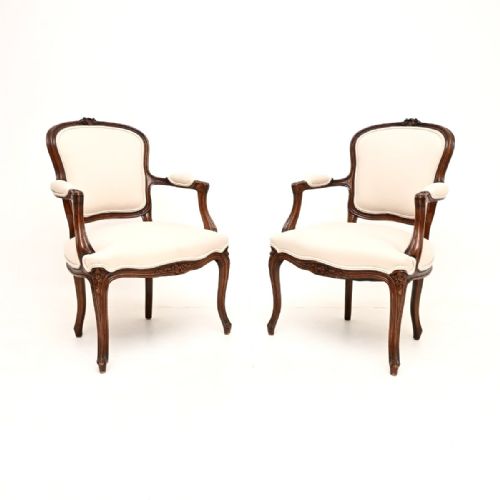
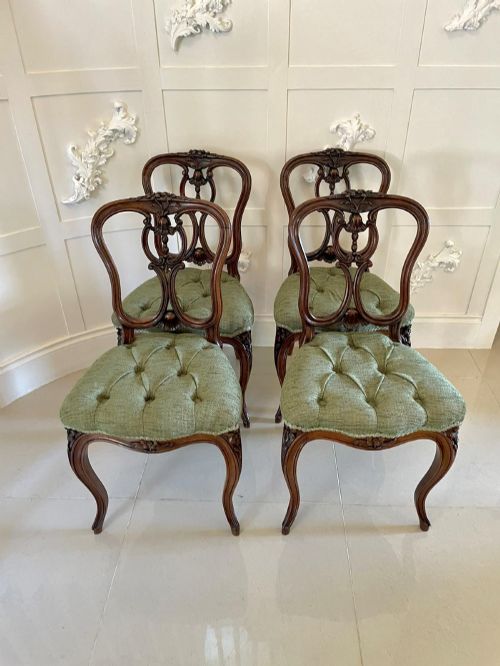
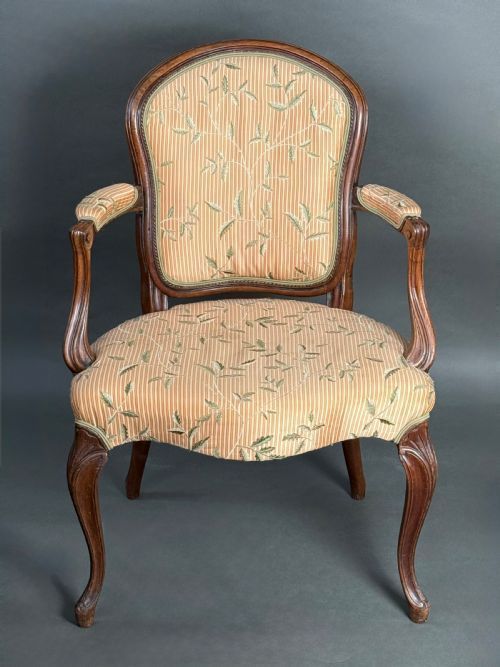
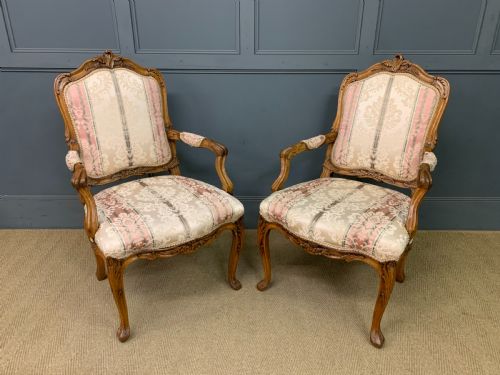
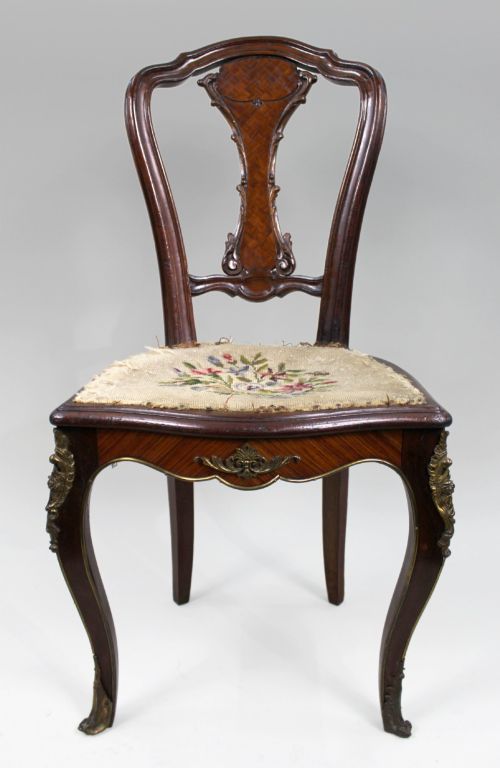
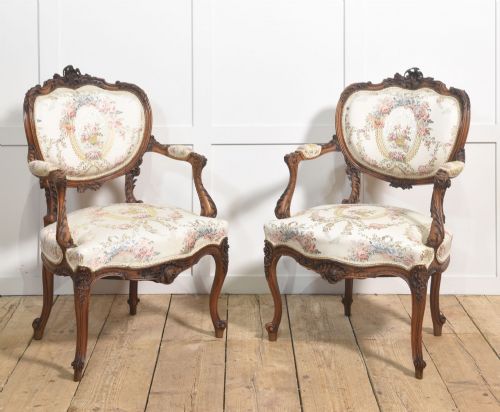
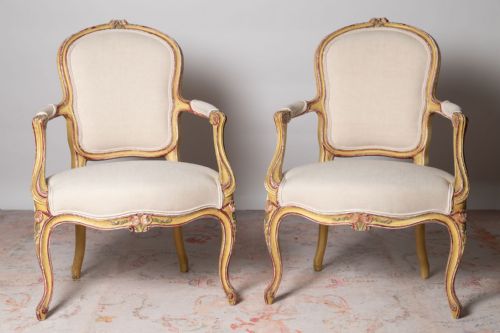
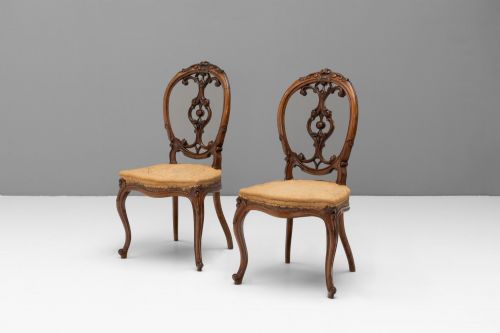
French rococo accent chairs encompass a variety of seating forms designed with flowing serpentine lines and ornate carved details. When searching for french rococo accent chairs, buyers encounter armchairs, fauteuils, side chairs, and salon chairs spanning from the eighteenth century into the twentieth century. Examples seen on this page range from genuine period pieces to later revival iterations produced during the Victorian and Edwardian eras.
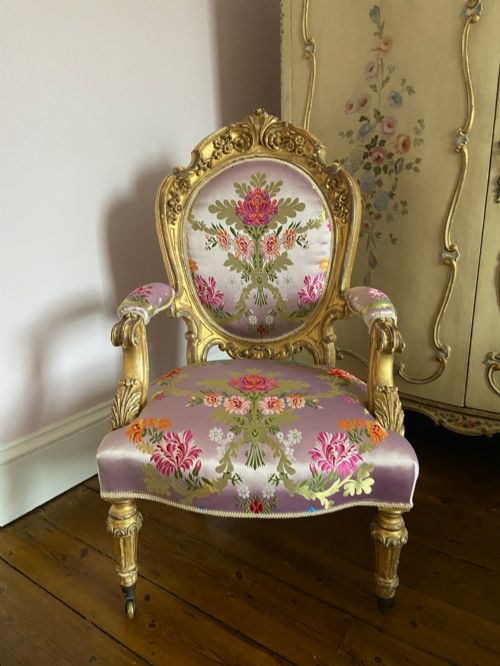
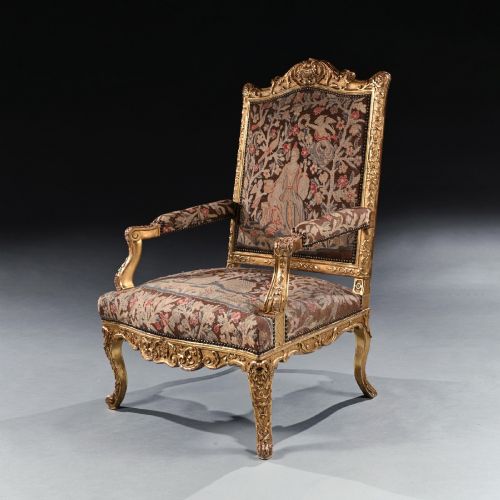
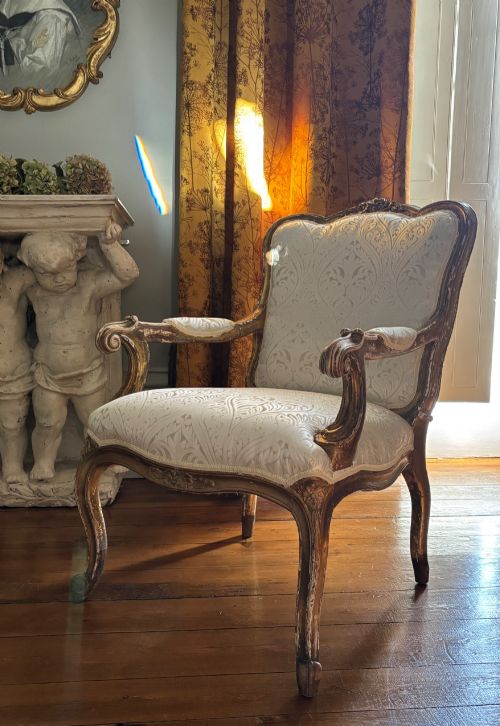
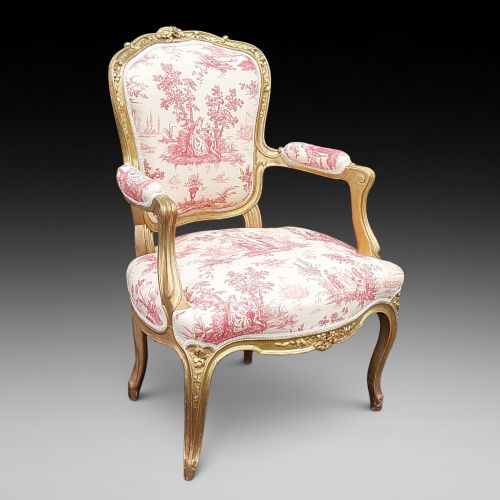
The materials and construction reflect traditional European cabinetmaking, predominantly utilising walnut, beech, and giltwood frames paired with varied upholstery fabrics. Many pieces demonstrate the enduring influence of Louis XV and Regence styles through their characteristic cabriole legs and organic cartouche-shaped backs. Whether searching for a pair of gilded salon seats or a single walnut armchair, the selection captures centuries of decorative arts history.
How they were made
Makers shaped structural frames from hardwoods such as walnut and beech, allowing carvers to execute deep relief motifs along the crest rails and apron curves. Giltwood examples received layers of gold leaf applied over gesso grounds, while other frames displayed polished timber surfaces or painted finishes.
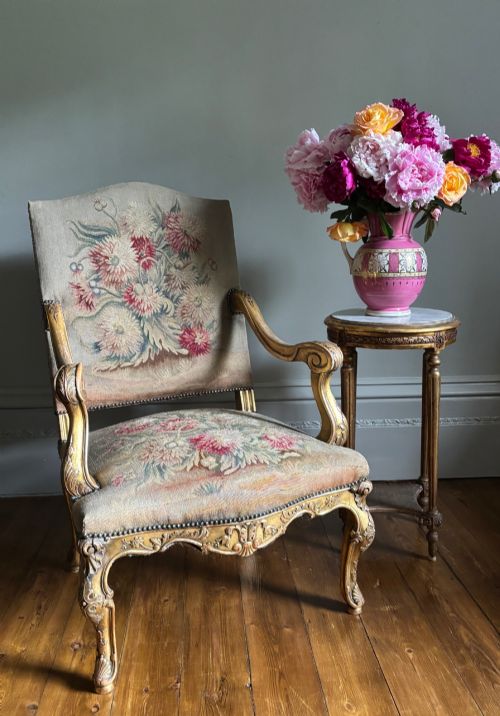
Joinery relied on traditional mortise and tenon techniques to support the sweeping contours of cabriole legs and scroll arms. Upholstered elements involved webbing, stuffing, and textile coverings secured with tacks, ranging from silk and velvet to needlepoint.
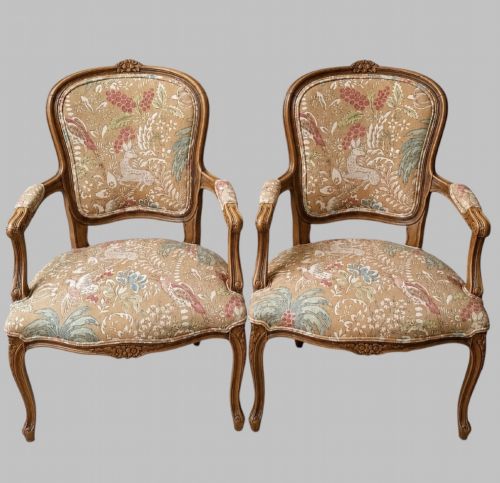
Several armchairs arrive upholstered in silk featuring whimsical parrot patterns, adding an unexpected touch of avian charm to formal seating.
What varies in quality
The definition and depth of hand-carved ornamentation separate exceptional frames from simpler production, particularly in the crispness of acanthus leaves, scrollwork, and floral motifs. Wood selection also dictates grade, with finely figured walnut or heavy gesso preparation under gold leaf marking superior workshops.
Originality of components and the integrity of the frame construction influence overall merit. Pieces retaining their early gilding or period joinery without excessive structural intervention hold distinct character compared to heavily restored examples.
The French Rococo Accent Chairs Glossary
- Fauteuil
- An open-framed armchair with upholstered back and seat, typically featuring exposed wooden arms and carved cabriole legs. This form originated in France during the eighteenth century.
- Cabriole leg
- A furniture leg that curves outward at the knee and tapers inward toward the foot, often ending in a scroll or pad. This characteristic shape defines much rococo seating.
- Giltwood
- Timber coated with a thin layer of gold leaf or metallic powder applied over a prepared surface. It provides a bright reflective finish popular in formal reception rooms.
- Ormolu
- Cast bronze mounted details finished with gold gilding, used to adorn luxury furniture frames. These metal elements accentuate the corners and mounts of refined seating.
French Rococo Accent Chairs: Frequently Asked Questions
What is a fauteuil?
A fauteuil is an open-arm chair with upholstered components and exposed wooden framing, designed for formal domestic interiors.
These seats typically feature curved armrests and cabriole legs characteristic of French design traditions.
How do I identify revival pieces?
Revival items replicate earlier eighteenth-century aesthetics using nineteenth or twentieth-century manufacturing methods and timber conditioning.
Examination of tool marks, hardware, and secondary woods helps distinguish eighteenth-century originals from later nineteenth-century interpretations.
What woods were used?
Cabinetmakers primarily utilised walnut and beech for structural frames due to their strength and suitability for carving.
Giltwood and painted finishes were also frequently applied to create decorative visual effects.
Where were they placed?
These accent seats functioned in parlours, salons, and bedchambers as both functional seating and decorative furnishings.
Pairs were often arranged around rooms to facilitate conversation and display upholstery fabrics.