




Vintage French Parlour Chairs
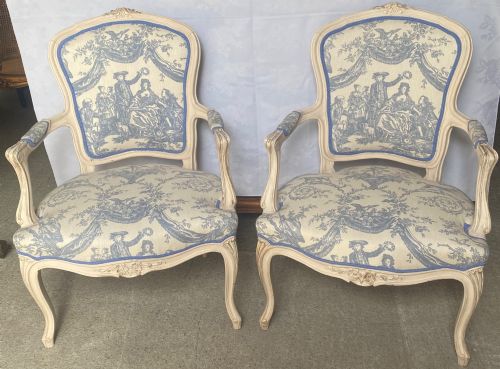
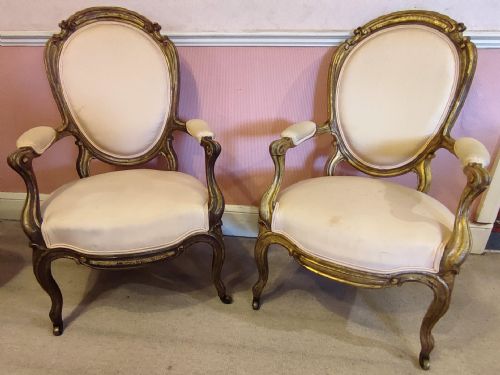
These vintage french parlour chairs bring 19th and early 20th century seating into the room with carved wood and gilt finishes.
Vintage French Parlour Chairs
When you search for vintage french parlour chairs, you are looking at seating designed for formal reception rooms spanning the nineteenth and early twentieth centuries. The examples on this page encompass nineteenth century pieces alongside items from the decades up to nineteen thirty.
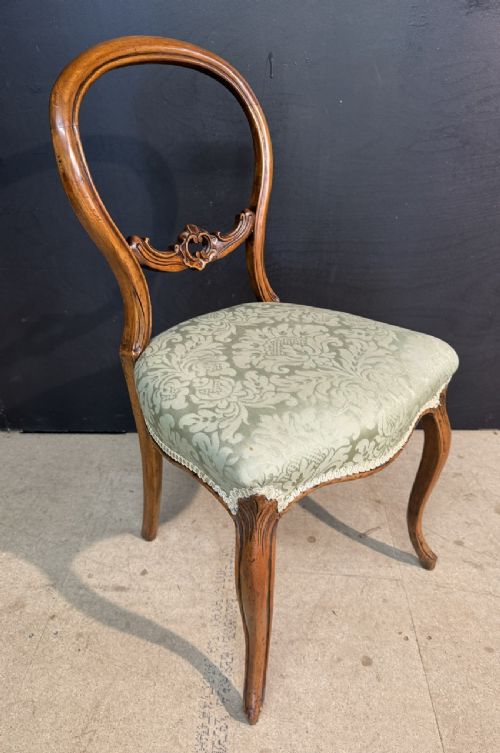
The forms vary across armchairs, salon suites, side chairs, and settees. You are most likely to meet giltwood armchairs and walnut open armchairs, alongside larger salon suites and two seat sofas.
The design vocabulary draws heavily on French Rococo Revival and Louis XVI styles, alongside Victorian and Edwardian interpretations. These seating options offer distinct regional and period characteristics within the broader category of parlour furniture.
How they were made
Construction relies upon carved walnut and giltwood frameworks shaped with cabriole legs and decorative detailing. Makers utilised traditional joinery to support the structural forms of armchairs and sofas.
Upholstery incorporates fabric, velvet, and damask, providing padded surfaces for seats and backs. Bentwood techniques also appear in specific twentieth century salon suites.
Surface finishes include gold leaf applied to carved wooden frames, alongside polished walnut showing the natural grain. Brass elements sometimes accent the construction of these pieces.
Several armchairs arrive wearing their original gilt finish, still catching the light after a century in the parlour.
What varies in quality
Quality separates through the crispness of the wood carving on the frames and the substance of the giltwood or walnut used. Finer examples display deeply sculpted floral and scroll motifs executed by skilled hands.
The integrity of the structural frame and the choice of textile upholstery, such as damask or velvet, define the standard of the piece. Matching pairs and complete salon suites represent higher levels of original conception compared to single disparate chairs.
Baumann
The Vintage French Parlour Chairs Glossary
- Giltwood
- Wood that has been coated with gold leaf or a gold coloured finish. This treatment highlights the carved decorative elements of the frame.
- Cabriole leg
- A furniture leg that curves outward and then tapers inward with a graceful arch. It typically terminates in a scroll or simple foot.
- Fauteuil
- An open armchair with wooden arms and upholstered seat and back. The armrests usually feature padded elbow rests.
- Bergere
- An enclosed upholstered armchair with a wooden frame and solid upholstered sides. It often includes a loose seat cushion.
- Salon suite
- A matched set of seating furniture comprising a sofa and multiple armchairs or side chairs. These sets were furnished for reception rooms.
Vintage French Parlour Chairs: Frequently Asked Questions
What periods do these chairs come from?
The listings span the nineteenth century and the early decades of the twentieth century. You will find pieces dated from eighteen seventy up to nineteen thirty.
Styles range through nineteenth century revivals and Edwardian examples. Each piece reflects the aesthetic preferences of its specific decade.
How were salon suites used?
Salon suites provided matching seating arrangements for formal reception rooms and parlours. A suite typically included a settee or sofa alongside several armchairs.
These groupings allowed hosts to seat guests comfortably during social gatherings. The uniform design created a cohesive appearance in the room.
What materials make up the frames?
Frames are constructed primarily from walnut and giltwood. Wood carvers shaped these materials into cabriole legs and detailed decorative motifs.
Some twentieth century suites incorporate bentwood construction methods. Brass details also appear on specific pieces.
What distinguishes a fauteuil from a standard armchair?
A fauteuil is an open armchair featuring exposed wooden arms that often include upholstered elbow rests. The sides remain open rather than upholstered solid.
This design allows for greater visibility of the carved wooden framework. It typifies French seating from the revival periods.