
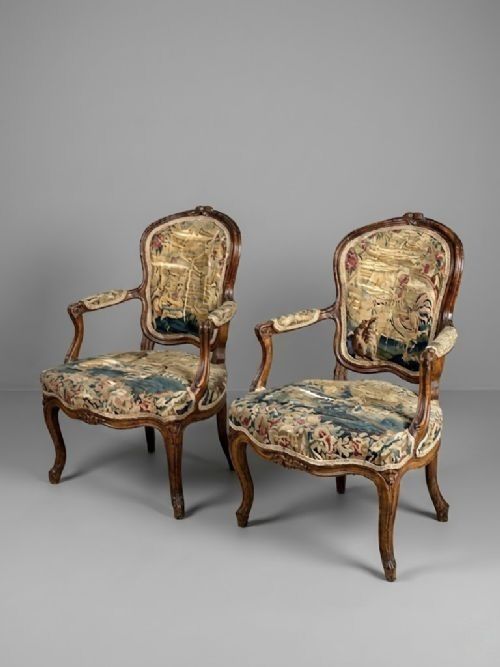
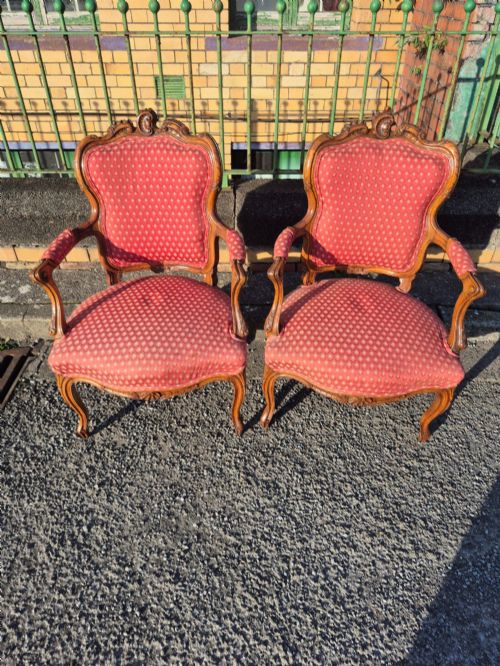
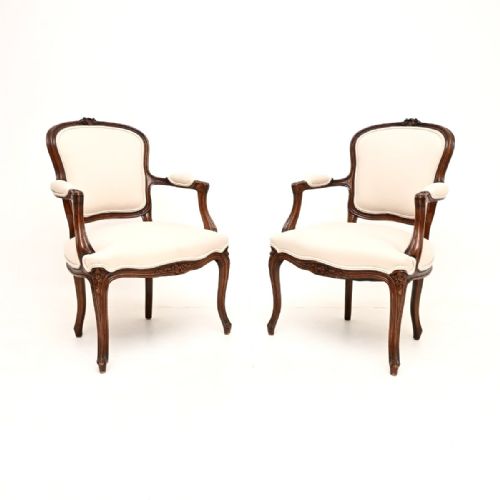
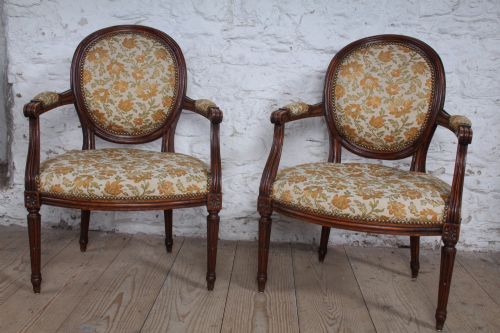
French Carved Walnut Fauteuil
A French carved walnut fauteuil brings tactile warmth and period elegance to a room through exposed timber and traditional upholstery.
French Carved Walnut Fauteuil
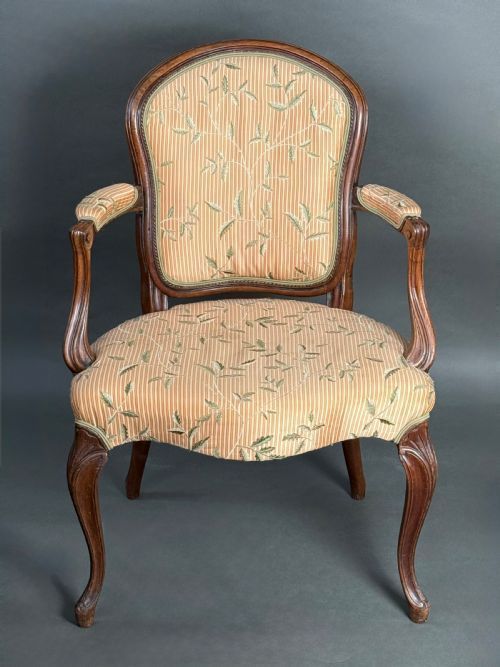
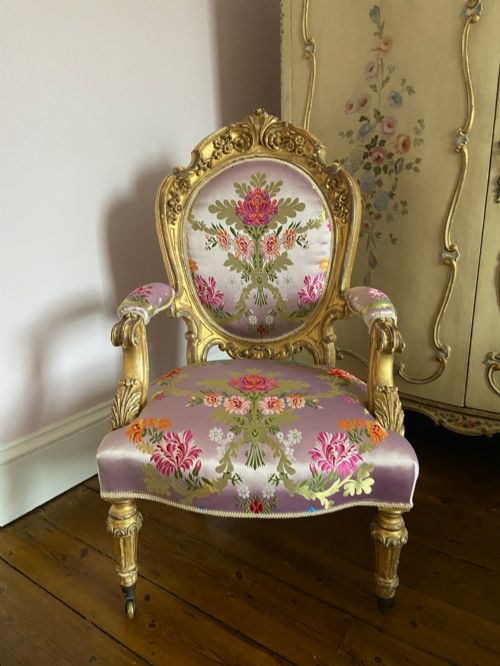
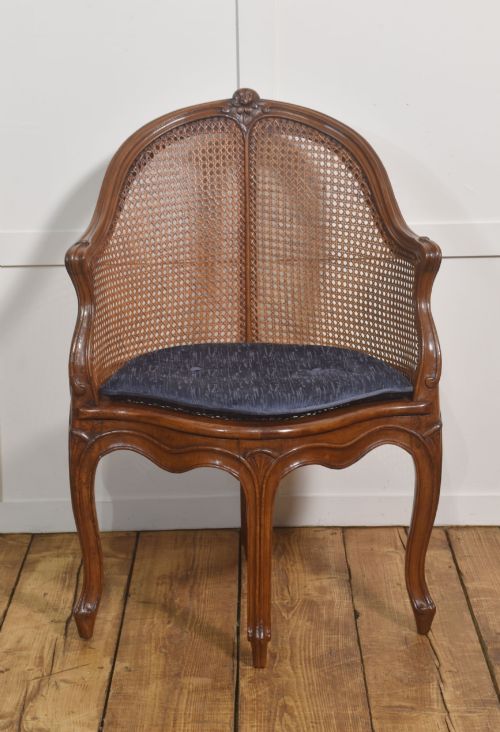
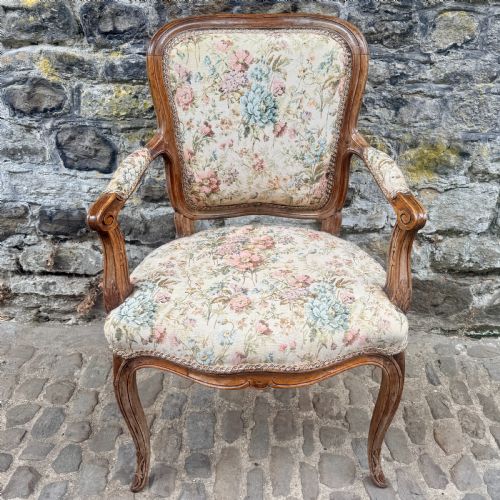
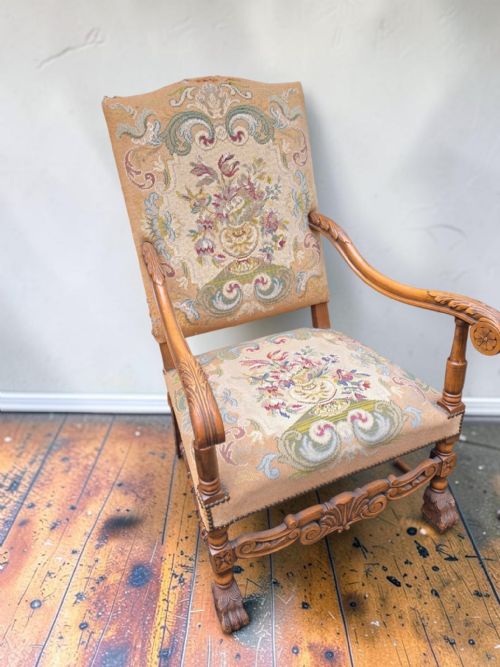
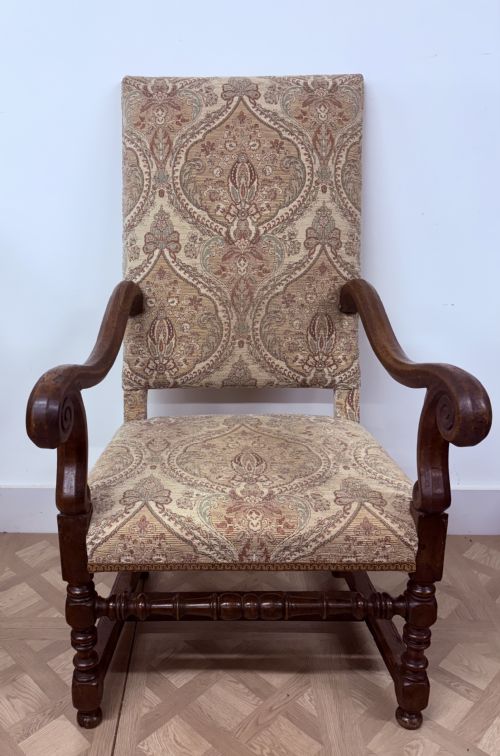
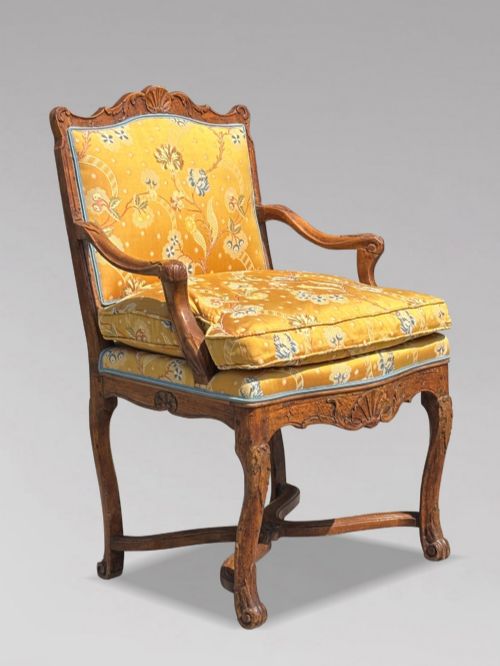
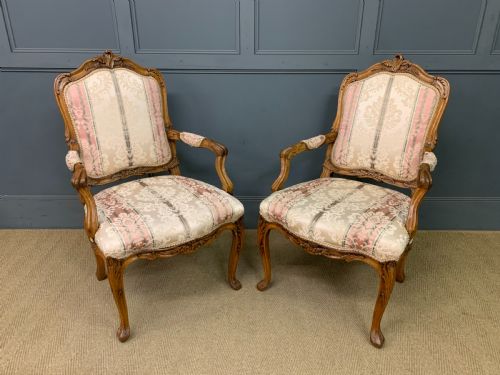
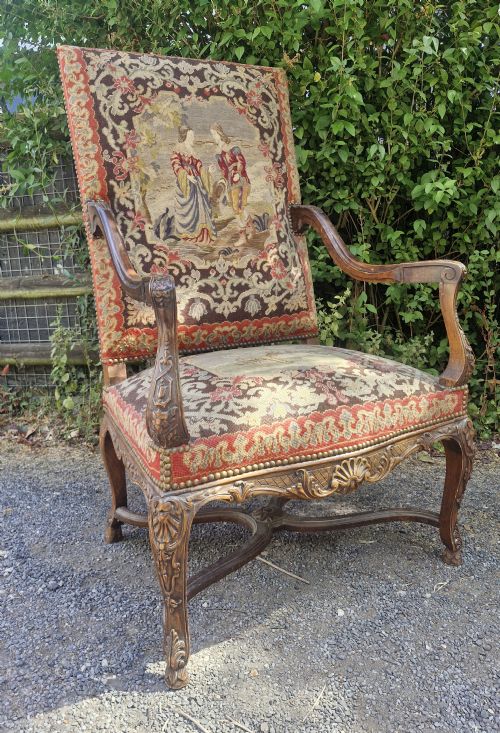
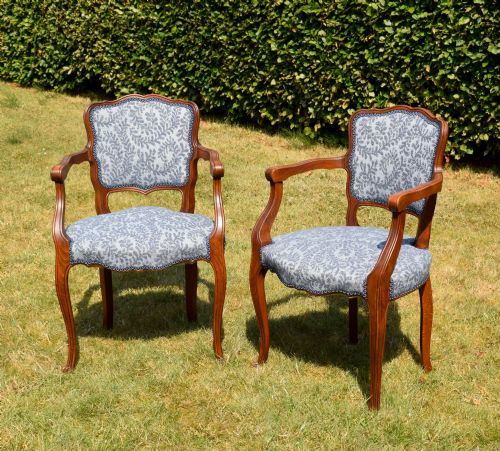
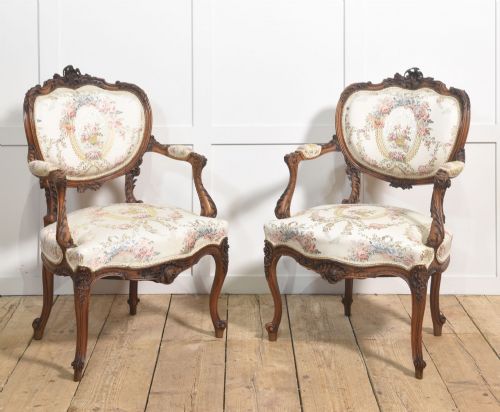
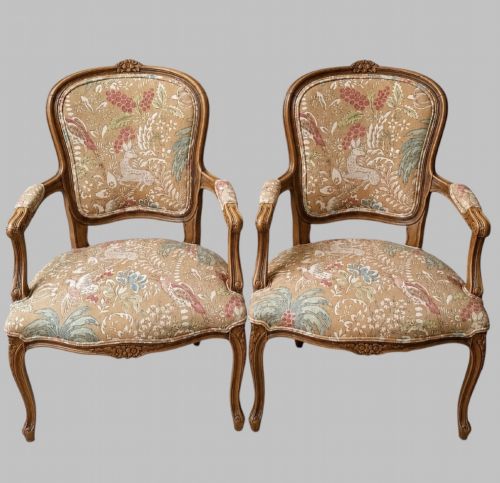
A french carved walnut fauteuil is an open-armed seating form designed in France, typically featuring a visible wooden frame shaped with curves and floral motifs. Buyers search this phrase to find seating that combines structural timber with soft textiles for a distinct continental aesthetic.
The versions most commonly met on this page date from the nineteenth century, though earlier examples from the seventeenth and eighteenth centuries appear alongside later revivals. These armchairs range from provincial farmhouse seating to refined salon models with elaborate decorative carving.
Makers and craftsmen produced these chairs in various regional styles, including Louis XV and Rococo revivals. The forms adapt easily to contemporary interiors while retaining their historical character through exposed walnut frames and traditional coverings.
What varies in quality
The depth and crispness of the hand-carved ornamentation separate standard seating from exceptional examples, as skilled carvers produced undercut details and smooth leaf work rather than shallow moulding. The choice of walnut itself also matters, with richly figured grain patterns adding visual weight to the frame.
The preservation of the original wooden joins and the integrity of the underlying frame determine structural merit over time. Chairs retaining period textiles like Aubusson tapestry or antique needlepoint maintain a higher degree of historical completeness than those with modern replacement fabrics.
Materials recorded across the inventory include solid walnut, brass tacks, cane panels, silk, and woven tapestry textiles.
The French Carved Walnut Fauteuil Glossary
- Aubusson
- A style of tapestry woven in the French town of the same name, frequently utilised to cover seat backs and squab cushions. These panels often depict floral bouquets or pastoral scenes.
- Cabriole
- A furniture leg that curves out in a convex shape at the knee and tapers inward in a concave arc to the foot. This profile mimics animal limbs and appears frequently on revival seating.
- Rococo Revival
- A nineteenth-century design movement mimicking the asymmetrical scrolls, shell motifs, and naturalistic curves of the eighteenth-century French court. Pieces in this style emphasise decorative woodwork.
- Needlework
- Hand-stitched textile work utilising wool or silk yarn on a canvas mesh ground, often seen on nineteenth-century chair upholstery. This technique created durable coverings with pictorial designs.
French Carved Walnut Fauteuil: Frequently Asked Questions
What is a fauteuil?
A fauteuil is a traditional French upholstered armchair characterised by open wooden arms and an exposed frame. It provides comfortable seating while displaying decorative woodwork along the back and legs.
These chairs were designed for formal rooms and salons, offering a lighter alternative to fully upholstered closed armchairs of the period.
How were these chairs used?
These chairs served as principal seating in French salons, drawing rooms, and halls, accommodating guests during conversation and social gatherings. Their open arms allowed individuals wearing wide period garments to sit comfortably without restriction.
Later owners utilised them as occasional reading chairs or decorative accents in domestic interiors, combining utility with historical display.
How do I clean the wooden frame?
Maintenance of the walnut frame involves dusting with a soft, dry cloth to prevent the accumulation of grit in the carved recesses. Avoid harsh chemical polishes that can degrade the traditional finish over time.
Applying a microcrystalline wax occasionally helps protect the exposed timber and preserves the natural sheen of the walnut surface.
How do I tell periods apart?
Differentiating periods relies on examining the style of the carving and the construction methods visible in the frame. Earlier eighteenth-century models display restrained proportions and hand-cut joinery, whereas nineteenth-century revival pieces often feature heavier timber sections and deeper, machine-assisted relief work.
Tool marks and the type of secondary wood used inside the frame also provide clues to the approximate date of manufacture.