




French Religious Statue
A French religious statue brings centuries of devotion and craftsmanship into a room, offering carved wood, bronze and plaster figures of saints and angels.
How they were made
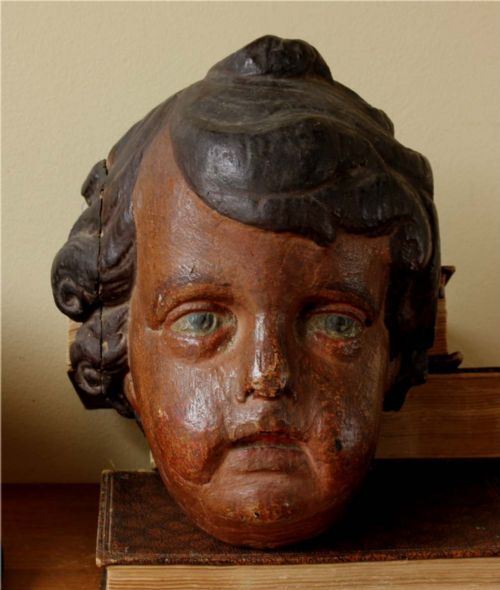
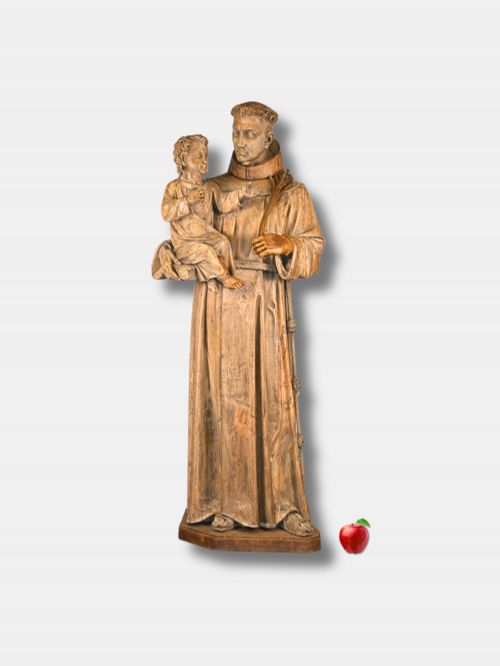
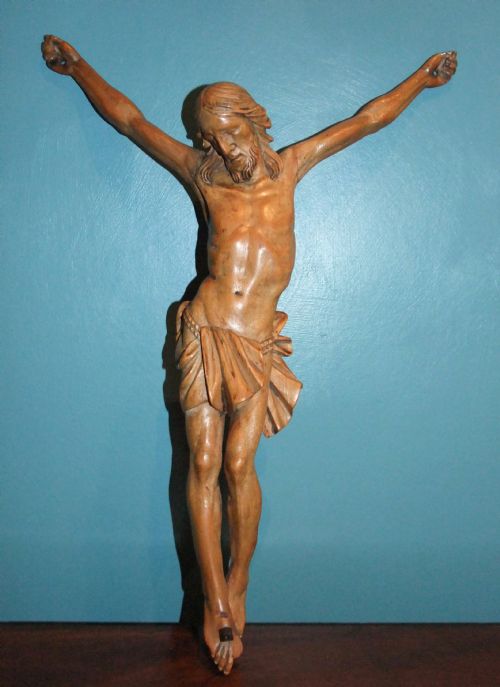
Carved wood serves as a primary medium, utilising timbers such as oak and fruitwood shaped by hand. Many wooden surfaces feature gesso layers and polychrome paint applications to add colour and detail to faces and garments.
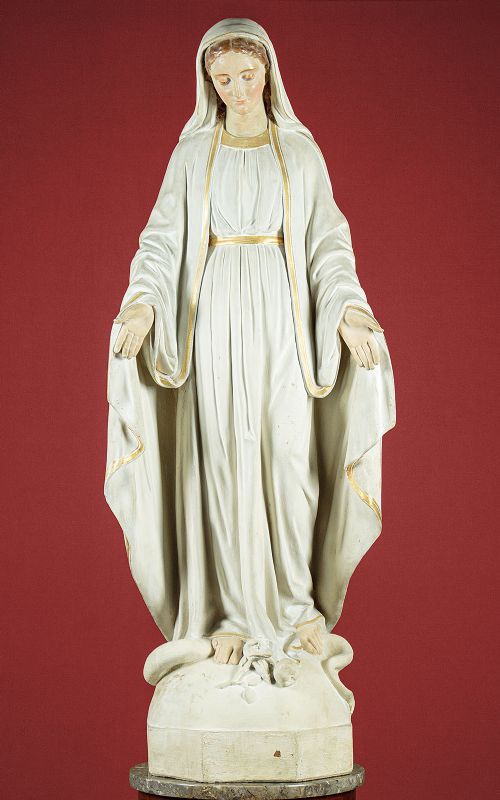
Metalwork appears in patinated bronze figures and busts cast using traditional methods. Other pieces employ terracotta and ecclesiastical plaster moulded into large-scale devotional representations.
What varies in quality
The refinement of the carving dictates the distinction between standard production and masterwork execution, particularly evident in facial expressions and drapery folds. Finer sculptures retain original polychrome surfaces and gesso details rather than later overpainting.
Materials influence the character of each piece, where dense fruitwood or heavy patinated bronze displays superior structural integrity compared to softer plaster or composite mediums.
Listings feature works from the sixteenth to the twentieth century, employing carved wood, bronze, terracotta, and plaster.
Rouillard Angers
The French Religious Statue Glossary
- Polychrome
- Decorated in multiple colours. This term describes wooden sculptures painted with pigments over a gesso ground.
- Gesso
- A plaster mixture used as a base for painting on wood. It provides a smooth surface for detailed polychrome decoration.
- Corpus Christi
- An image of the body of Jesus Christ on the cross. These figures focus attention on the crucifixion.
- Globe de Marie
- A nineteenth-century French glass dome display. These enclosures housed religious mementoes, wedding globes, and devotional objects.
- Putti
- Representations of small winged infants or cherubs. They appear frequently in baroque and religious architectural sculpture.
French Religious Statue: Frequently Asked Questions
How old are these statues?
The available pieces span from the sixteenth-century Renaissance fragments through the eighteenth and nineteenth centuries up to the early twentieth century.
Most items date to the nineteenth century, though earlier timber carvings and later plaster figures also appear.
What materials are used?
Carved wood forms a large portion of the inventory, including oak and fruitwood, often finished with gesso and polychrome paint.
Other works utilise patinated bronze, terracotta, and ecclesiastical plaster for large-scale figures.
Where do they come from?
These pieces originate primarily from France, reflecting French ecclesiastical traditions and regional workshop styles.
Certain items also bridge French and Spanish stylistic influences from the eighteenth century.
What is a Globe de Marie?
A Globe de Marie is a nineteenth-century French glass dome used to protect and display sacred items or bridal mementoes.
These glass enclosures sat on wooden bases to preserve delicate interior arrangements.