

French Rectangular Gilt Mirror
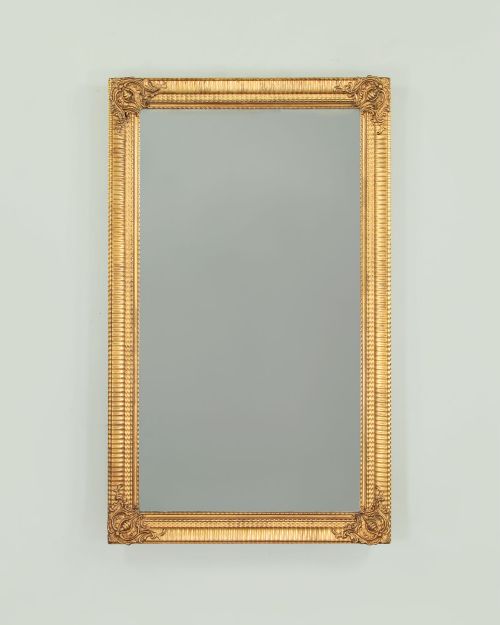
When you select a french rectangular gilt mirror, you acquire a reflective glass plate set inside a gilded wooden frame designed for wall hanging or resting on a mantelpiece.
French Rectangular Gilt Mirror
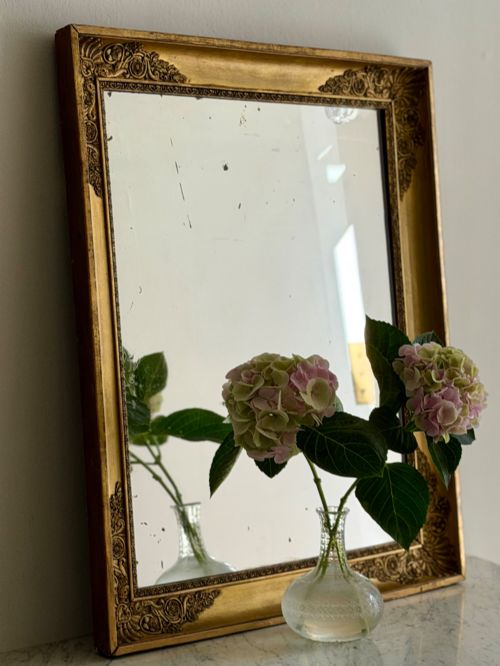
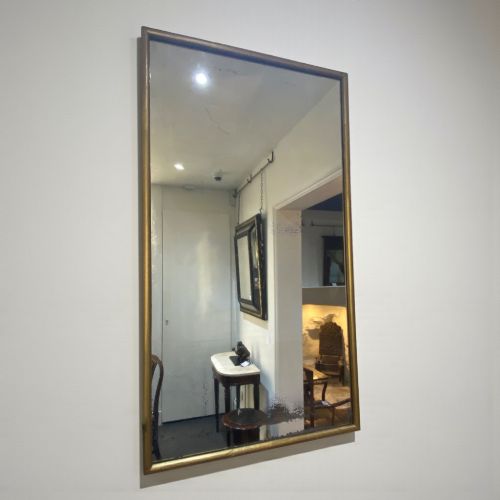
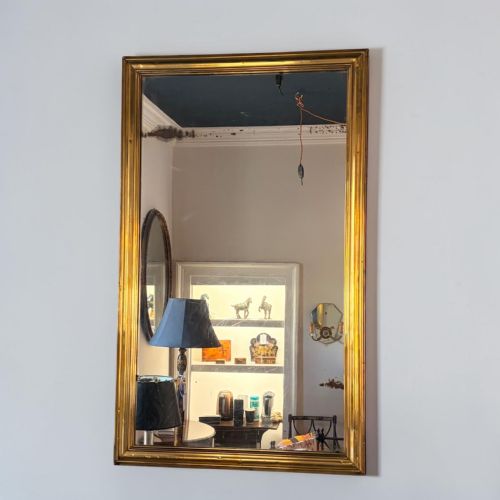
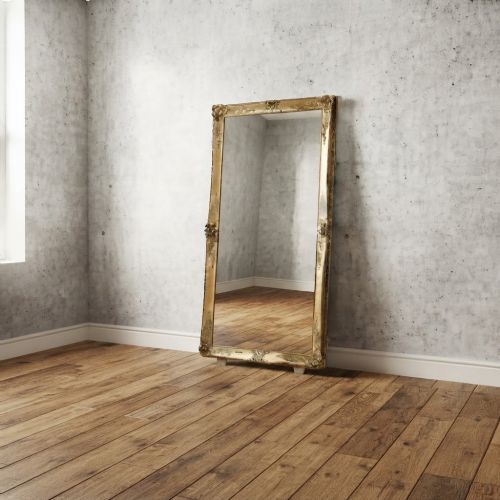
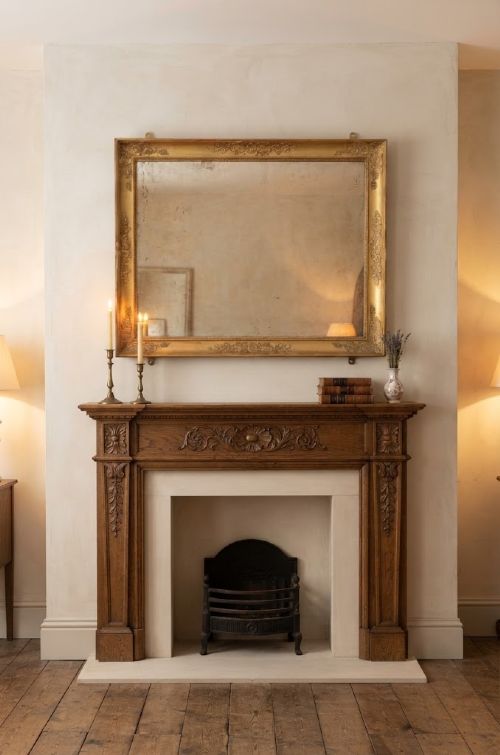
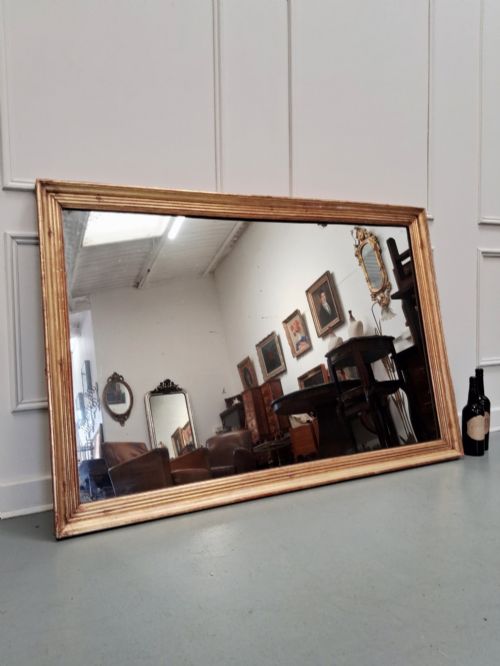
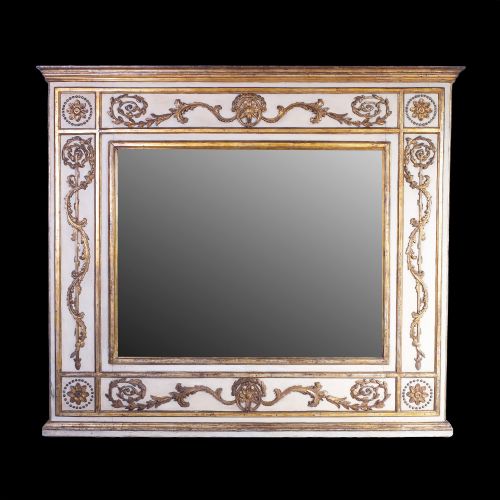
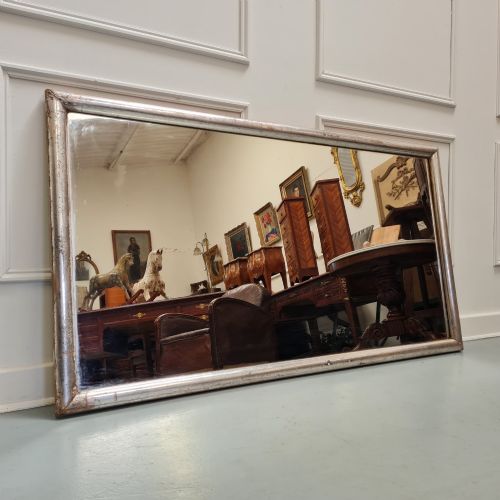
A french rectangular gilt mirror takes several distinct forms across the selection, ranging from compact wall-hanging pieces to substantial overmantel and leaner mirrors designed for prominent interior placement. The phrase encompasses items recorded from the nineteenth century onward, including pieces referencing the Louis Philippe and neoclassical styles alongside simpler bistro formats.
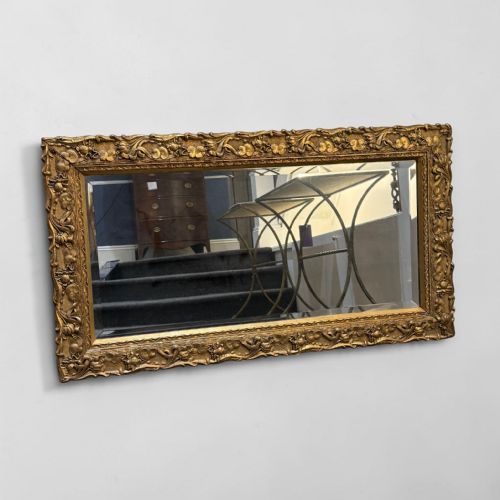
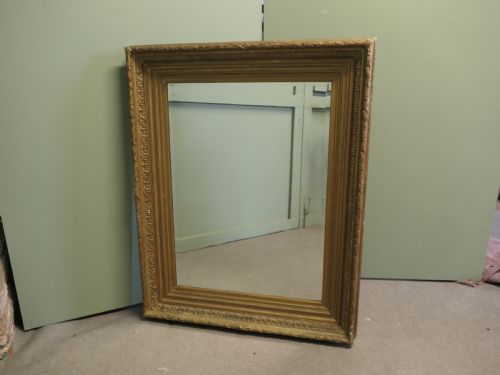
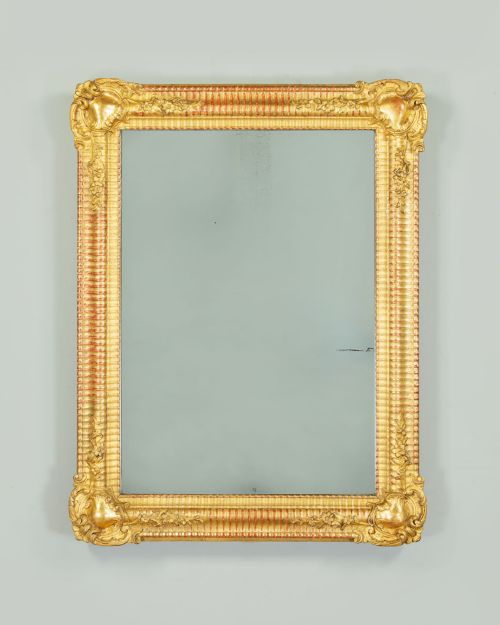
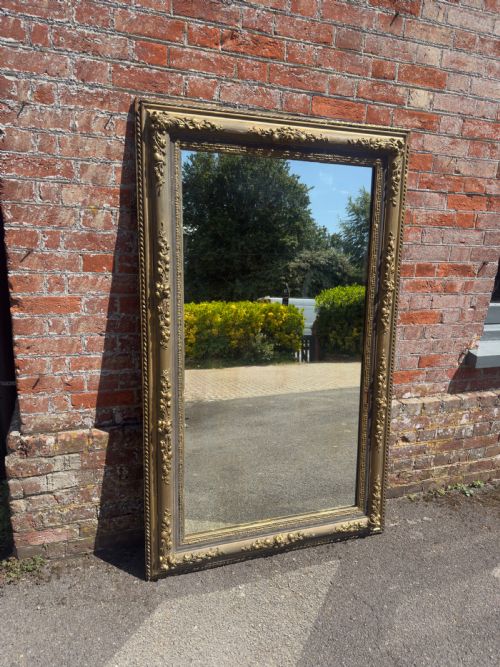
Most examples originate from the nineteenth century, often displaying characteristic rectangular formats framed in wood with applied gesso or carved details. Buyers encounter both smaller dressing mirrors and large decorative wall plates featuring floral, mythological, or ornate gilded borders.
How they were made
Makers constructed the primary support from timber, applying layers of gesso to build up decorative reliefs before gilding the surface with gold leaf, silver leaf, or paint. Carved wooden elements frequently incorporate floral and mythological motifs shaped directly into the frame structure.
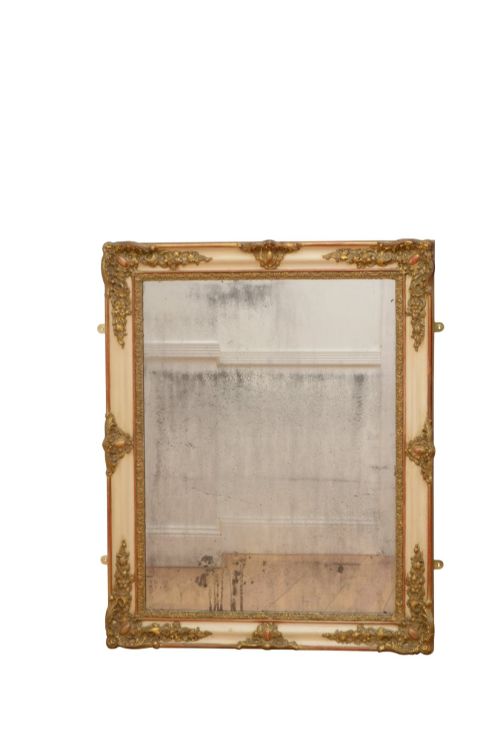
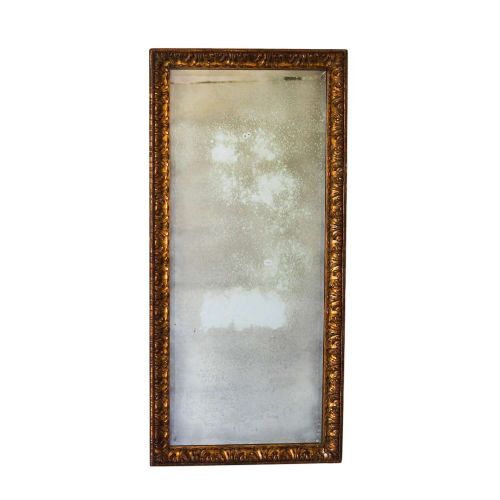
Mirror plates consist of glass, with historical examples occasionally retaining period mercury glass displaying foxing. Frames utilise composition ornamentation moulded and applied to the wooden base to achieve intricate decorative depth.
The selection includes nineteenth-century pieces spanning styles from neoclassical and Louis Philippe to Victorian Rococo revival.
What varies in quality
The precision and depth of the carved woodwork and applied gesso ornamentation define the visual merit of the frame. Skilled hands produce crisp floral and mythological carvings that retain their definition beneath layers of gilding.
The condition of the reflective plate and the integrity of the original gold leaf or painted finish determine the overall character. Pieces retaining aged mercury glass or undisturbed historic gilding demonstrate greater adherence to their period of origin.
The French Rectangular Gilt Mirror Glossary
- Giltwood
- Wood that has been coated with gold leaf or silver leaf. This finish creates the bright metallic sheen characteristic of period frames.
- Gesso
- A plaster-like mixture applied to wood frames to create a smooth surface for carving and gilding. Artisans mould this material into relief decorations.
- Overmantel mirror
- A large horizontal mirror designed to sit directly above a fireplace mantel. These pieces frequently feature substantial proportions to anchor a room.
- Mercury glass
- An early type of mirror glass created by pouring a silvering amalgam behind the glass plate. This material often develops dark spots known as foxing over time.
- Louis Philippe
- A nineteenth-century French style characterised by restrained classical proportions and gentle curved upper corners. Pieces from this group avoid excessive ornamentation.
French Rectangular Gilt Mirror: Frequently Asked Questions
How do I hang a heavy antique mirror safely?
Hanging a heavy antique mirror requires locating secure wall studs or utilising appropriate cavity fixings capable of supporting the combined weight of the wood and glass. Professional installation ensures the frame remains stable against the wall.
Large overmantel and leaner formats often rest partially on a surface while secured to the wall with discreet brackets to prevent tipping. Checking the structural integrity of the frame backing is an essential preparatory step.
What is foxed glass on an old mirror?
Foxed glass refers to the natural ageing of the reflective backing material, which produces dark spots, clouding, or speckled discoloration across the plate. This process occurs over decades as environmental moisture interacts with the silvering.
Many collectors value foxed mercury glass for the authentic historic character it brings to nineteenth-century pieces. It distinguishes antique plates from modern replacement glass.
How do I clean a gilded wood frame?
Cleaning a gilded wood frame requires gentle dusting with a soft, dry brush to remove particles without disturbing the delicate gold leaf or gesso surface. Water and chemical cleaning solutions should be avoided entirely.
Maintaining these frames involves keeping them away from direct moisture and extreme temperature fluctuations. Careful handling preserves the original historic finishes found on period pieces.