



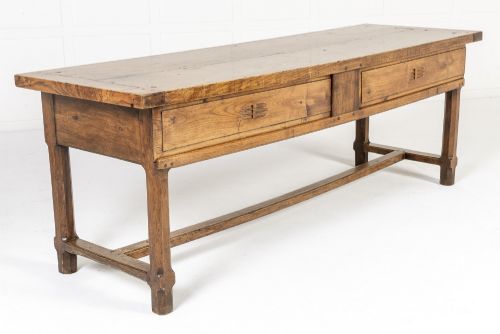
French Provincial Server Table
A french provincial server table brings rustic charm and practical utility to a room, offering a surface rooted in centuries of rural European craftsmanship.
French Provincial Server Table
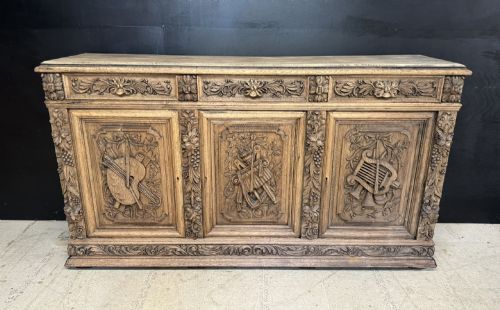
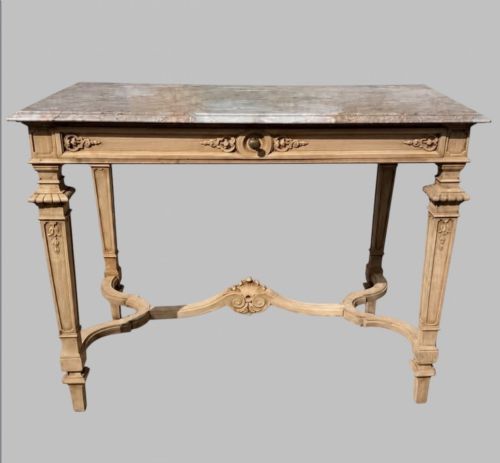
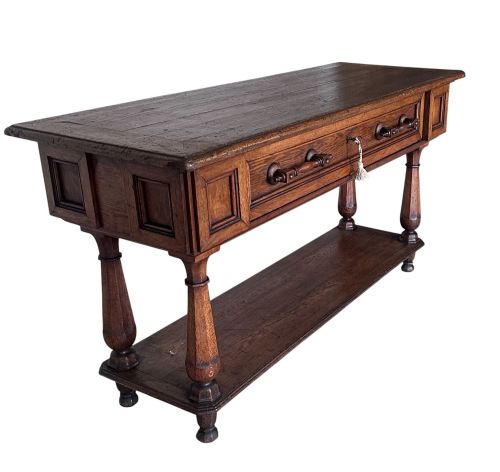
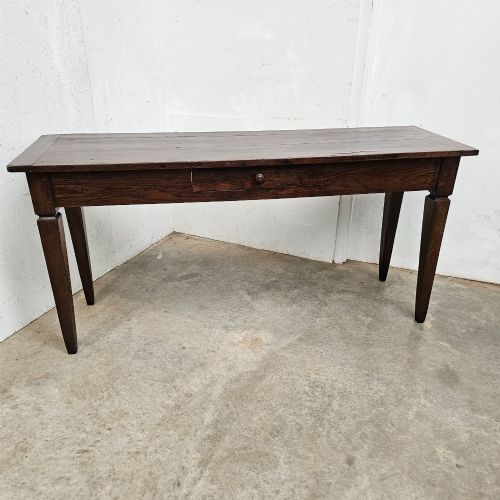
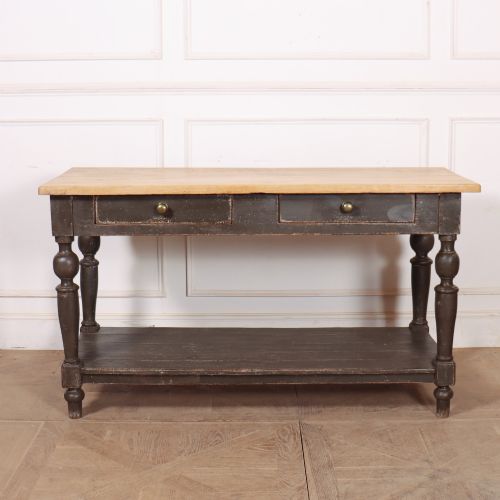
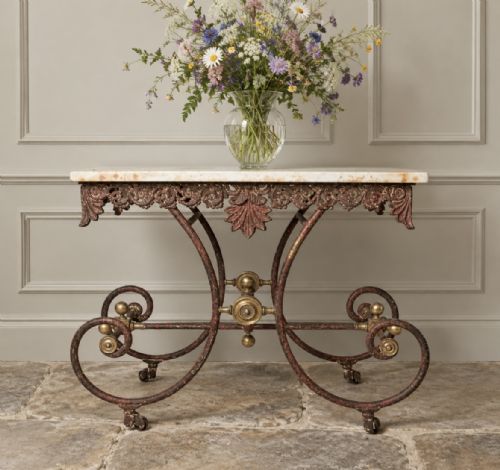
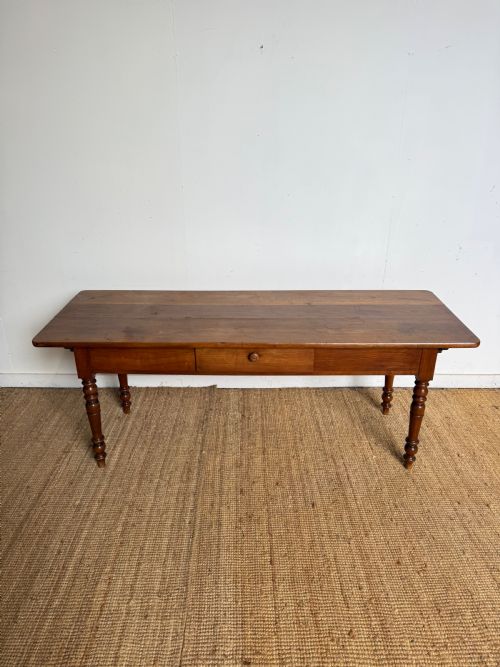
When searching for a french provincial server table, buyers encounter a variety of forms including console tables, serving tables, sideboards, and drapers tables originating from regional France. These pieces typically date from the eighteenth and nineteenth centuries, spanning periods such as the eighteen-eighties and eighteen-nineties.
The version most frequently met on this page is constructed from regional timbers like oak, cherrywood, fruitwood, and walnut, often featuring practical drawers or lower pot-shelves. Styles range from simple rustic country designs and French provincial to Louis fifteenth and sixteenth revivals.
Originating from areas like Alsace and Bresse, these tables served utilitarian purposes in manor kitchens, farmhouses, and provincial homes before finding a place in modern dining and living spaces.
How they were made
Construction relies heavily on regional hardwoods such as solid oak, cherrywood, and walnut, alongside painted pine in more rustic examples. Joinery is traditional and robust, designed to withstand daily domestic labour in provincial kitchens and dining rooms.
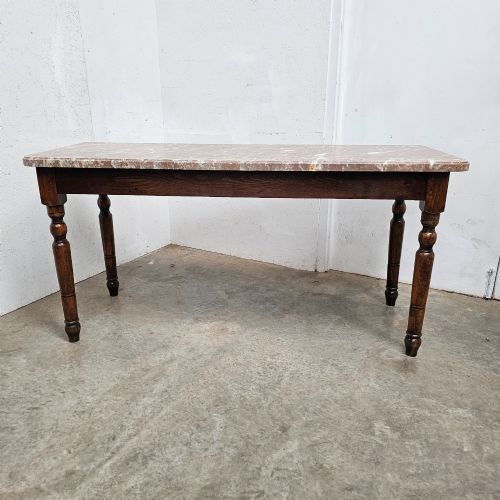
Surface finishes vary between natural waxed timbers, bleached oak, and painted wood, occasionally accented by applied brass hardware. Certain iterations incorporate fitted marble tops for practical food preparation and display purposes.
Some kitchen tables carry the quiet scars of past pastry rolling and heavy chopping, having worked for their supper long before entering the antiques market.
What varies in quality
Quality rests in the choice of timber and the integrity of the structural frame, where dense fruitwoods and heavy oak command greater presence than softer painted pine. The refinement of hand-carved detailing and the retention of original surface patination distinguish finer workshop output from utilitarian daily furniture.
Proportion and utility also dictate standard, as tables retaining original drawers, pot-shelves, or integrated marble slabs demonstrate greater original design ambition from their provincial makers.
The French Provincial Server Table Glossary
- Console table
- A table designed to stand against a wall, frequently featuring a slender profile suited to hallways and dining rooms.
- Potboard
- A lower wooden shelf fitted beneath a table or dresser, historically utilised for storing pots and kitchen utensils.
- Drapers table
- A long, sturdy utility table traditionally used in textile trade and domestic workrooms, characterised by a generous surface area.
- Fruitwood
- Timber sourced from fruit-bearing trees such as cherry, pear, or apple, prized in regional furniture making for its warm tone and fine grain.
- Patination
- The surface sheen and colour acquired by wood and metal through age, handling, and exposure to light over many decades.
French Provincial Server Table: Frequently Asked Questions
Where did these serving tables originate?
These pieces originate from provincial regions across France, including areas such as Alsace and Bresse. They were built for local farmhouses, manors, and country homes.
Makers utilised whatever regional timbers were readily available locally, resulting in distinct regional characteristics.
How were these tables used originally?
They served practical functions in domestic spaces, acting as surfaces for food preparation, serving meals, and general kitchen work.
Many incorporate drawers for cutlery storage or lower shelves for keeping heavy cookware off the floor.
How do I care for a wooden surface?
Maintain the timber by dusting regularly with a dry cloth and occasionally applying natural beeswax to nourish the grain.
Avoid placing untreated wooden surfaces in direct sunlight or near heat sources to prevent timber splitting.
Are marble tops original to the tables?
Marble inserts were frequently integrated into tables intended for culinary tasks, patisserie display, or serving duties.
The cool stone surface provided an ideal hygienic workspace for handling pastry and food.
How can I tell the age of the timber?
Age is determined by observing tool marks, the type of joinery used, and the depth of the natural surface patination.
Eighteenth-century examples often display hand-sawn board widths and pegged joints distinct from later manufacturing methods.