


French Provincial Oak Cupboard
A French provincial oak cupboard brings robust regional joinery and practical rural storage into a modern interior.
French Provincial Oak Cupboard
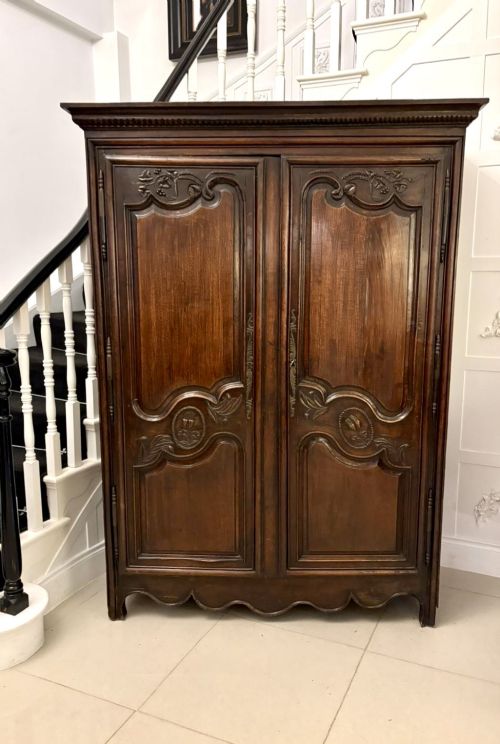
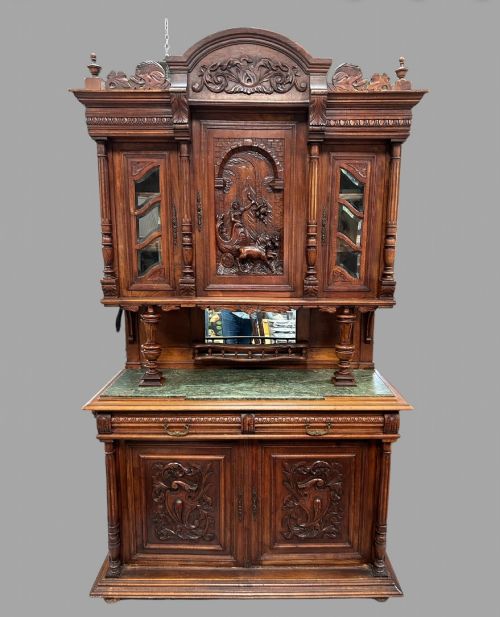
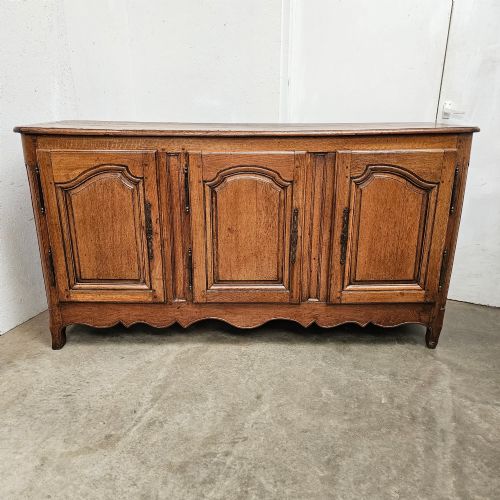
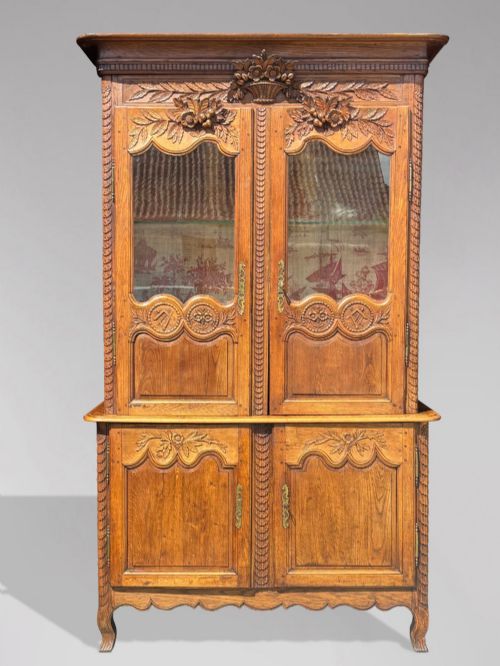
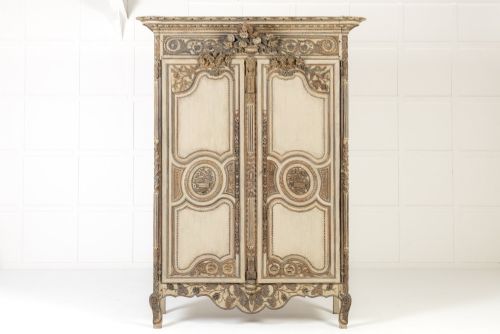
A french provincial oak cupboard represents the domestic storage furniture produced in regional France, spanning centuries from the seventeenth century onward. These pieces encompass large two-part buffets, single-door armoires, pantry larders, and low housemaid cupboards designed for provincial homes.
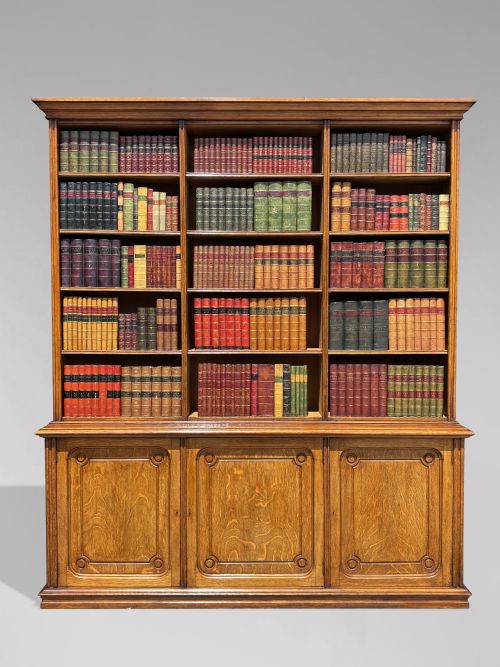
The versions most commonly met on this page date from the eighteenth and nineteenth centuries, constructed predominantly in solid oak with occasional fruit wood or walnut accents. Their forms range from modest mountain cupboards and bread safes to imposing panelled armoires and architectural buffets deux corps.
Materials and Construction
Makers utilised solid regional timber, primarily oak complemented by walnut, chestnut, and fruit wood, joined using traditional pegged mortise and tenon construction. Surfaces often display hand-planed panels and pegged frames built to withstand daily rural use.
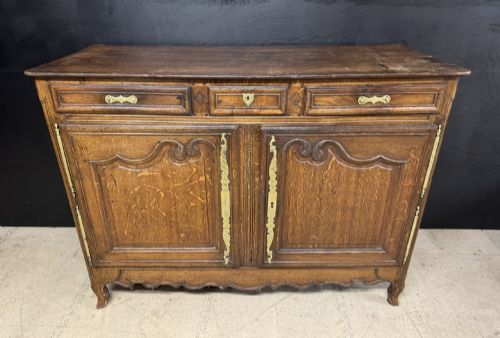
Hardware consists of wrought iron and brass hinges, escutcheons, and locks, securing heavy panelled doors. Secondary woods appear internally on shelving and drawer linings, reflecting the local availability of materials during each period.
French Provincial Oak Cupboard Retail Price Guide 2026
Typical asking prices for french provincial oak cupboard among the pieces listed under this phrase on Sellingantiques today, from the lower quarter to the upper quarter. They describe what is for sale here now, not the wider market.
The listings show French provincial oak cupboards spanning from the 17th century through to mid-century Art Deco interpretations.
Judging Quality and Character
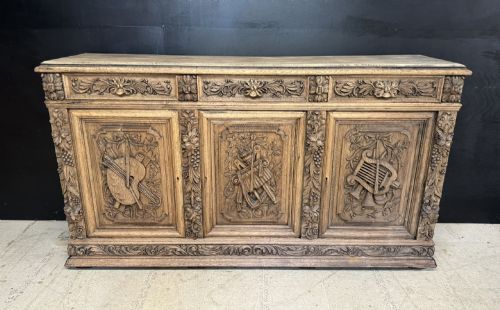
Quality rests in the depth of hand-carving, the weight and tightness of the timber joints, and the retention of original brass or wrought iron hardware. Heavy, thick oak panels and untouched surface patination separate provincial work made for prosperous rural households from lighter utility pieces.
Proportions and architectural restraint define the better examples, where raised panels and cornices are balanced rather than over-ornamented. The integrity of the original hinges and locks also indicates how carefully the piece has been preserved through successive generations.
The French Provincial Oak Cupboard Glossary
- Armoire
- A tall standing wardrobe or cupboard with doors enclosing shelving or hanging space. They often feature deep panelled doors and moulded cornices characteristic of provincial French joinery.
- Buffet deux corps
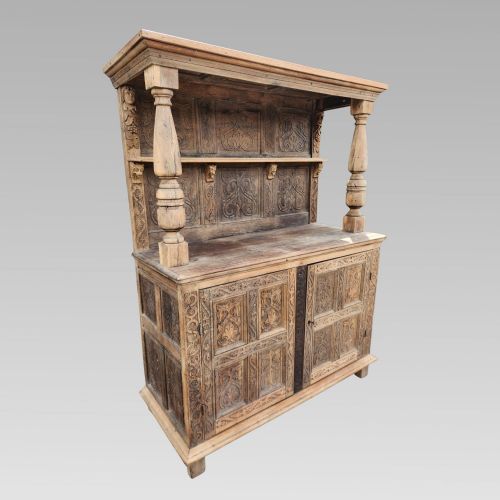
- A large two-tier storage piece comprising a smaller upper cabinet set upon a deeper lower sideboard base. This monumental form frequently served as a primary dining room or kitchen storage unit.
- Panetiere
- A traditional ventilated bread safe featuring turned spindles or pierced grilles to keep loaves fresh. These small cabinets were often wall-mounted or set upon low side tables.
- Enfilade
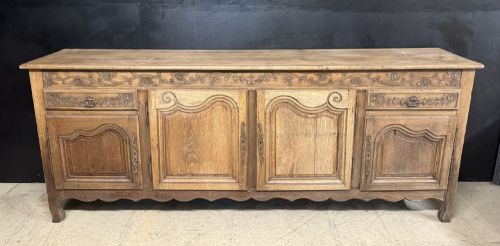
- A long sideboard or buffet fitted with multiple doors in a continuous line along the front. They were traditionally used in French provincial dining rooms for serving food and storing tableware.
- Bonnetiere
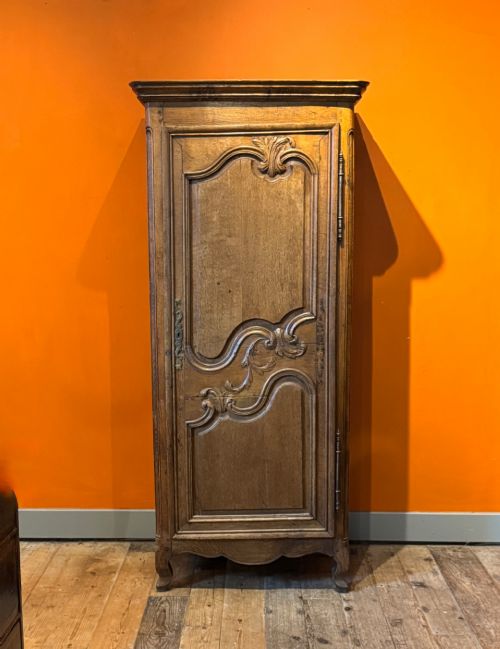
- A single-door tall cupboard originally designed to store regional headwear and caps. These narrow cabinets suit modern spaces requiring vertical storage with a modest footprint.
French Provincial Oak Cupboard: Frequently Asked Questions
What rooms suit a French provincial oak cupboard?
These large storage pieces function effectively in kitchens, dining rooms, and hallways as practical storage for tableware, linens, or provisions. Their substantial presence and natural timber tones ground large living spaces.
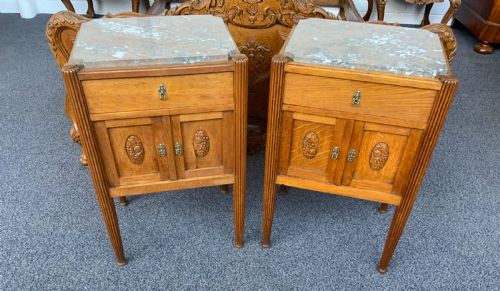
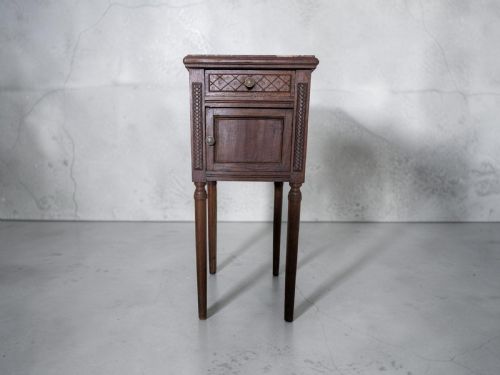
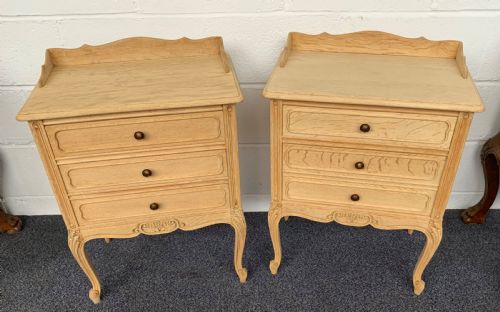
Smaller variants such as bedside cabinets and single-door cupboards adapt easily to bedrooms and narrow corridors. Their robust construction handles everyday use while adding regional French character.
How do I date an 18th-century French cupboard?
Dating relies upon examining the hand-cut joinery marks, ironwork fixings, and the style of the raised door panels. Eighteenth-century pieces frequently display pegged joints and uneven hand-planed surfaces rather than uniform machine production.
Hardware placement and lock mechanisms also provide chronological clues, as hand-forged wrought iron predates standard cast brass fittings. Secondary woods used inside drawers help confirm the regional workshop origin.
Are these cupboards made from solid oak?
Provincial workshops built these storage pieces using solid regional oak, sometimes supplemented with chestnut or fruit wood for internal partitions. Timber boards were hand-riven and planed, resulting in visible grain irregularities.
Backboards and drawer bases generally consist of secondary timbers native to the specific region of France where the piece was made. This solid construction ensures durability across centuries of domestic service.
How do I care for antique oak furniture?
Maintenance requires keeping the timber away from direct heat sources and sudden humidity shifts to prevent wood movement. Periodic application of natural beeswax feeds the dry oak and preserves the historic surface finish.
Avoid modern silicone polishes, which build up on the grain and dull the natural sheen of the antique timber. Gentle dusting with a dry cloth keeps the surface clean without harming the patina.
What is the difference between an armoire and a larder?
An armoire is a tall wardrobe-style cupboard traditionally enclosed by full-length panelled doors for general storage. Larder cupboards, by contrast, often featured internal shelving and ventilated construction for food storage in rural kitchens.
While both share a commanding vertical presence, larder cupboards generally reflect specific culinary utility in provincial homes. Armoires prioritize clothing storage with deeper internal cavities.