


French Provincial Oak Buffet
A French provincial oak buffet brings robust regional character and deep storage to a room through solid timber and carved panels.
French Provincial Oak Buffet
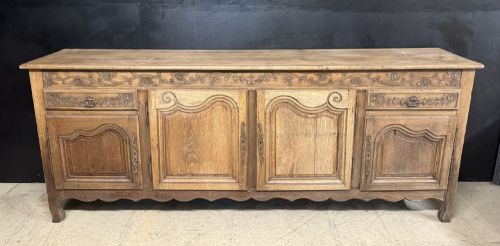
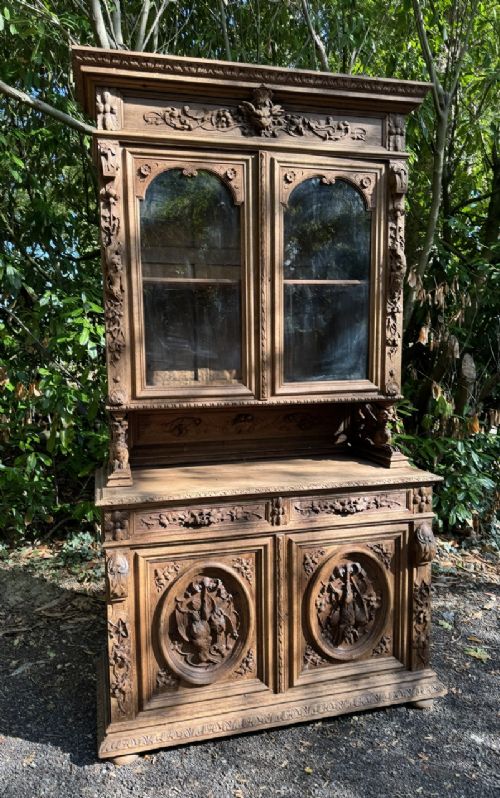
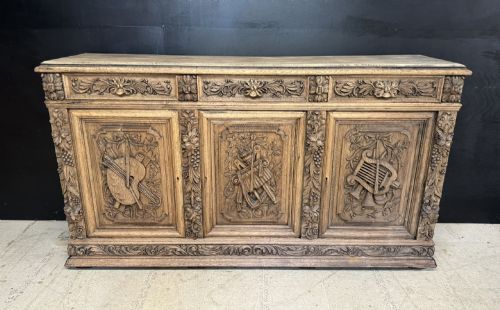
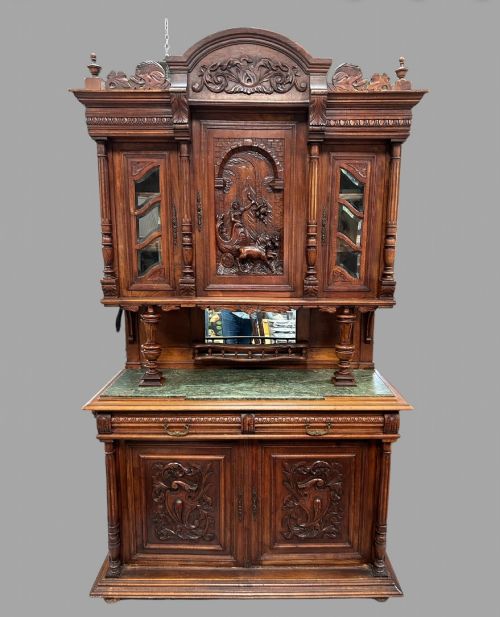
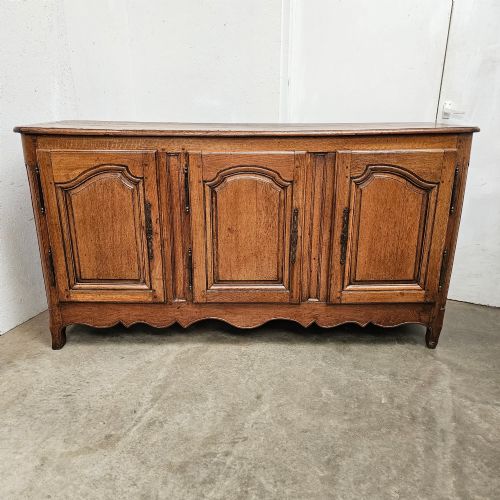
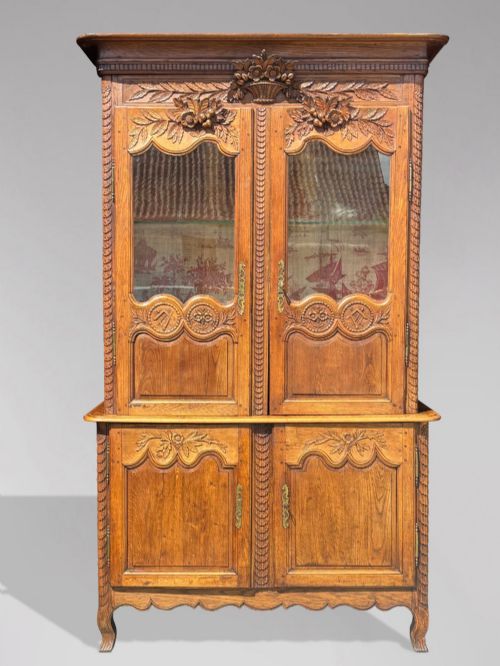
A french provincial oak buffet is a practical storage piece originating from regional France, frequently appearing as low sideboards, enfilades, and towering buffet de corps cabinets.
The pieces on this page span the eighteenth and nineteenth centuries, displaying regional variations from Normandy and other historic French provinces.
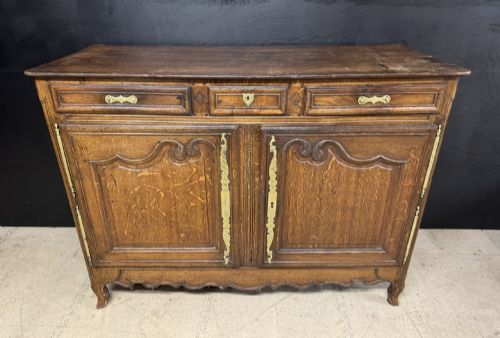
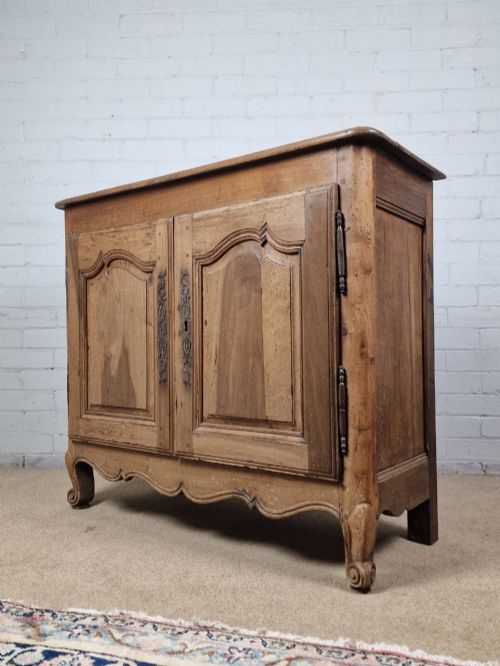
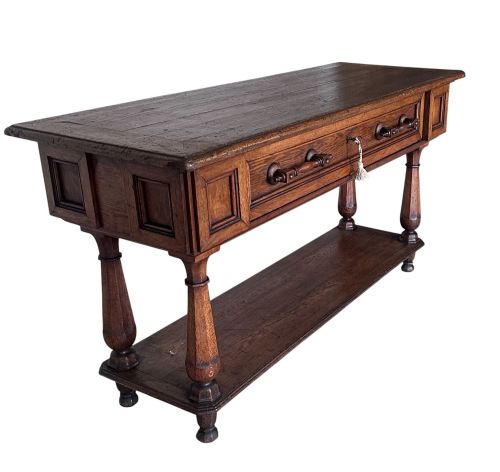
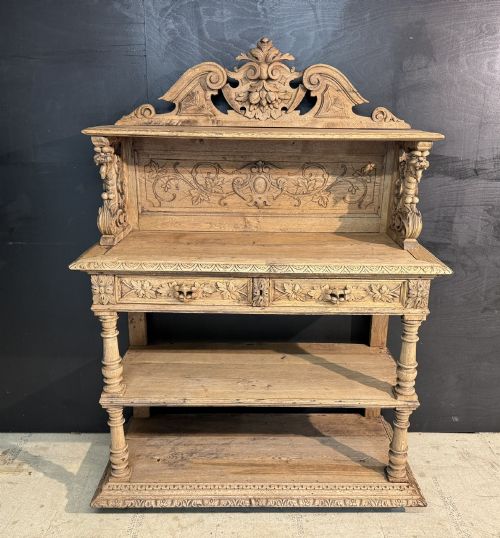
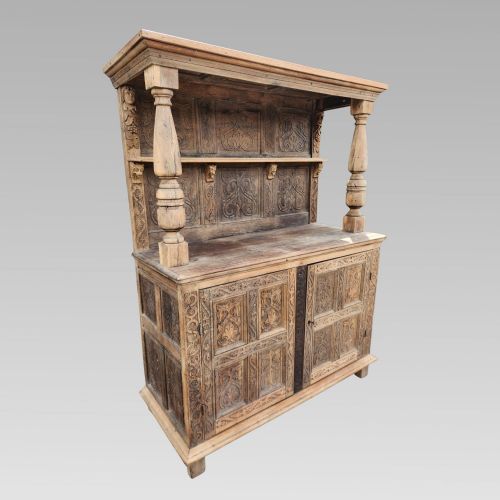
Forms range from simple dresser bases and house maid cupboards to monumental two-body cabinets featuring panelled doors and carved details.
Construction and Materials
Local artisans built these cabinets primarily using solid oak, often supplemented with fruitwood, walnut, or chestnut for internal elements and contrasting panels.
Hardware played a functional and decorative role, with heavy brass and wrought iron hinges, escutcheons, and drop handles securing the heavy timber doors.
Several sacristy cupboards and house maid units on offer previously served practical storage duties in French rural households and ecclesiastical rooms.
Judging Quality and Execution
The distinction between standard utility furniture and superior examples lies in the depth and crispness of the hand-carved ornamentation on the doors and rails.
Proportion and timber selection drive value, where tight grain figuring, well-matched panels, and original patinated surfaces elevate the piece.
The French Provincial Oak Buffet Glossary
- Buffet de Corps
- A large two-section cabinet consisting of a lower sideboard base beneath an upper display or storage cabinet. These tall pieces dominate a dining space or large kitchen.
- Enfilade
- A long sideboard fitted with multiple doors in a continuous line, traditionally used in formal French rooms for serving food. They provide substantial surface and interior capacity.
- Parquetry
- A geometric mosaic of wood pieces used for decorative effect, commonly seen on tabletops and sideboard surfaces. This technique displays the precision of the cabinetmaker.
- Dresser Base
- A low rectangular cabinet fitted with drawers above cupboard doors, functioning as a sturdy sideboard. These versatile pieces sit comfortably in contemporary hallways and living rooms.
- Escutcheon
- A flat plate of brass or iron surrounding a keyhole to protect the surrounding wood. They offer both mechanical reinforcement and a decorative focal point on cabinet doors.
French Provincial Oak Buffet: Frequently Asked Questions
How do I use a buffet in a modern home?
These cabinets provide deep interior storage for tableware, linens, or media equipment while offering a wide surface for lamps and displays.
Their robust timber construction allows them to anchor dining rooms, hallways, and living spaces with practical utility.
How do I date an eighteenth-century oak buffet?
Dating relies on examining construction methods, such as hand-cut dovetails, peg joinery, and the style of the hand-carved panels.
Hardware placement and timber shrinkage patterns also provide clear physical indicators of age.
Are these buffets made entirely of solid oak?
Most examples utilise solid oak for the primary frame, top, and doors, though secondary woods like fruitwood or chestnut occasionally appear in internal partitions.
Inspectors will find traditional pegged mortise and tenon joints holding the heavy timber together without modern fasteners.