
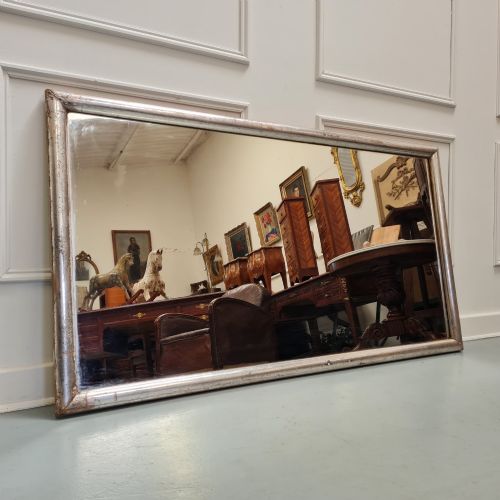
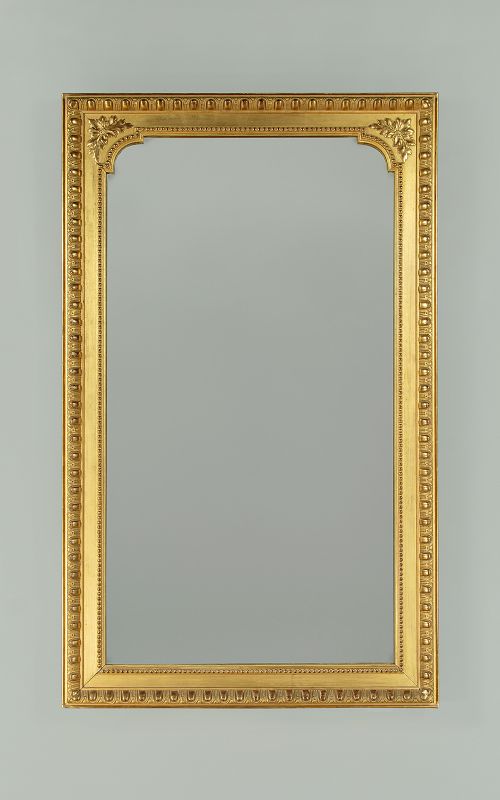
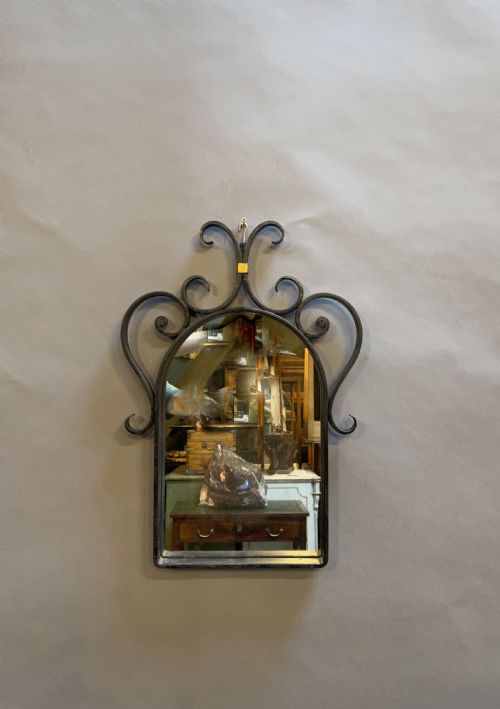


French Provincial Frame Mirror
A french provincial frame mirror brings domestic warmth and rural character into a room through weathered painted timber and softer regional carving.
French Provincial Frame Mirror
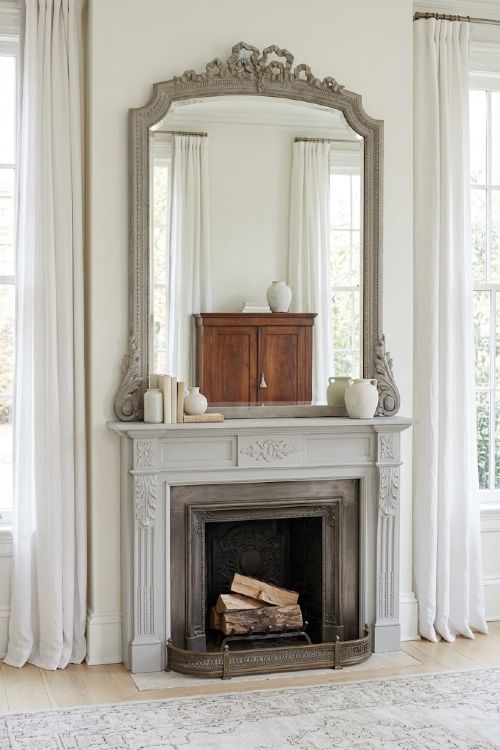
When searching for a french provincial frame mirror, buyers encounter wall-hanging and overmantel formats originating primarily in the nineteenth century. These pieces reflect regional French interpretations of classic design, spanning styles such as Louis XV Revival, Louis Philippe and French Country.
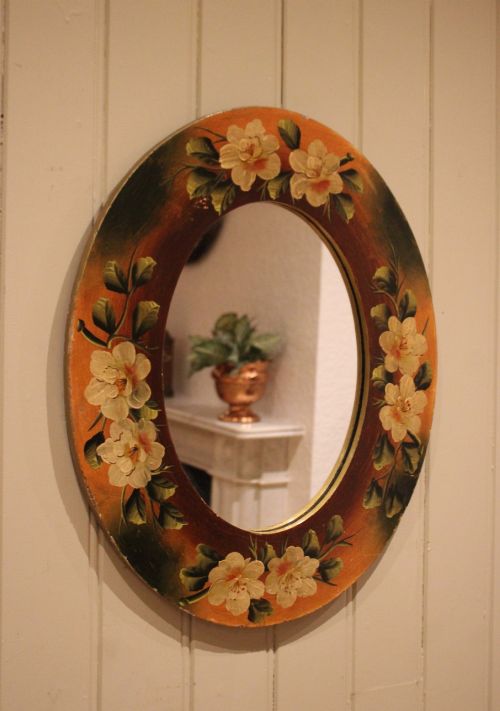
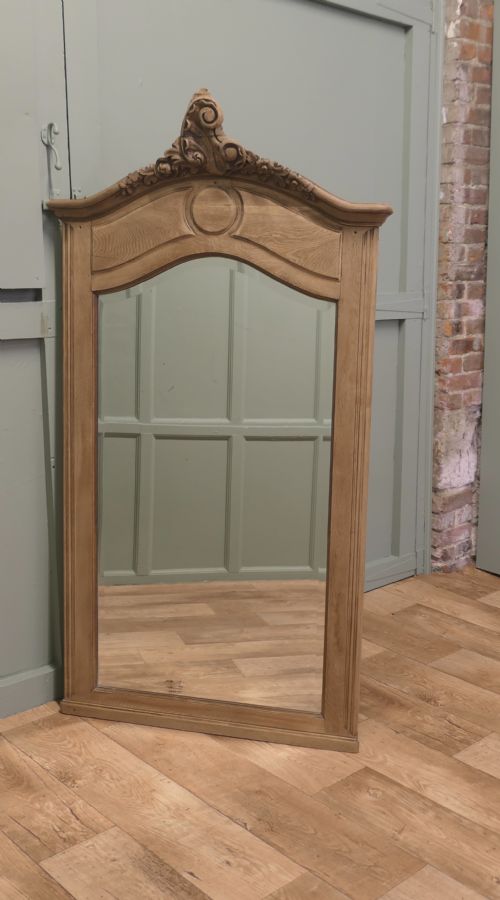
The selection on this page relies heavily on nineteenth-century examples, alongside select pieces from around nineteen-twenty. Common configurations include rectangular, oval, cushion and trumeau formats designed to anchor a room.
Makers and workshops constructed these mirrors for everyday domestic utility in chateaux, farmhouses and townhouses. Their enduring appeal lies in how comfortably they integrate into contemporary interiors while retaining regional vernacular charm.
How they were made
Makers built the structural frames using timber such as oak, beech and faux bois or faux bamboo turned elements. Carved wood and applied gesso formed the decorative surface relief, providing a stable base for subsequent painting, bleaching or gilding.
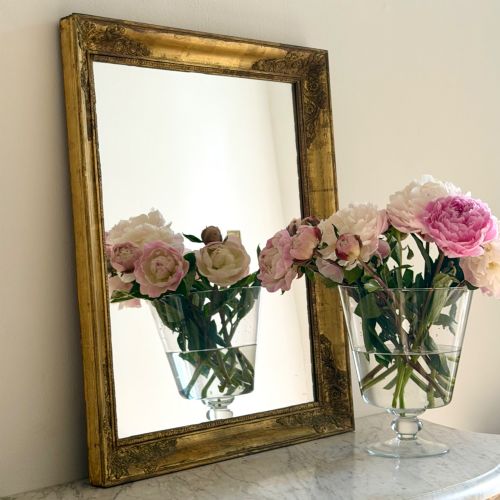
Reflecting the technological limitations of the era, glass plates included mercury glass or traditional mirror glass fitted securely behind the timber frame. Gilding was applied over prepared gesso grounds, while painted finishes utilised oil or water-based pigments that developed a natural patina over decades of use.
One listed piece doubles as a cinema advertising board, proving that even provincial mirrors occasionally went to the movies.
What varies in quality
Quality in these mirrors rests upon the depth and execution of the wood carving rather than surface decoration alone. Pieces featuring hand-carved oak, articulated scrolls or sculptural floral motifs display superior craftsmanship compared to simpler moulded or mass-produced alternatives.
The integrity of the original plate and the harmony of the finish dictate the visual success of the piece. Authentic nineteenth-century mercury glass plates with natural oxidation contrast distinctly against later replacement mirror glass, altering the optical depth and historical weight of the object.
The French Provincial Frame Mirror Glossary
- Trumeau mirror
- A decorative wall mirror incorporating an upper panel painted or carved with pastoral scenes, placed traditionally between windows.
- Giltwood
- Timber coated with fine gold leaf applied over a prepared gesso layer. This technique creates a rich metallic sheen that catches ambient light.
- Gesso
- A plaster mixture applied to wooden frames as a smooth base for gilding and paint. It allowed artisans to carve crisp decorative relief details.
- Mercury glass
- An early double-walled blown glass plate silvered internally with a mercury amalgam. It produces a characteristic mottled reflection and deep dark background.
- Louis Philippe
- A mid-nineteenth-century French style characterised by restrained classical proportions and gentle rounded upper corners. It avoids excessive ornamentation in favour of simple elegance.
French Provincial Frame Mirror: Frequently Asked Questions
Where should I hang an overmantel mirror?
Overmantel mirrors were designed specifically to sit above a fireplace mantelpiece, where they reflect light and anchor the hearth visually within the room.
Today, they work equally well mounted above a low sideboard or console table to create a similar sense of vertical scale.
How do I identify original mercury glass?
Original mercury glass displays a characteristic dark, mottled appearance behind the glass surface with uneven patches where the silvering has aged. Modern mirror glass remains uniformly bright and highly reflective by comparison.
Examining the edge of the glass plate often reveals the thicker, handmade qualities of nineteenth-century production.
What is faux bamboo furniture?
Faux bamboo refers to wood turned and carved by hand to imitate the segmented stalks of natural bamboo. This decorative technique became exceptionally popular during the nineteenth century under Asian design influences.
French makers applied this whimsical finish to mirror frames to introduce exotic texture into domestic interiors.
How do I clean an antique frame?
Dust painted and gilded frames gently with a soft dry brush to prevent accumulating grime in carved recesses. Avoid liquid cleaners or harsh solvents, which can lift fragile historic gesso or distress original paint.
For the glass plate, apply a mild glass cleaner to a cloth rather than spraying the mirror directly, ensuring liquid does not seep behind the frame edge.