


French Portrait Miniature
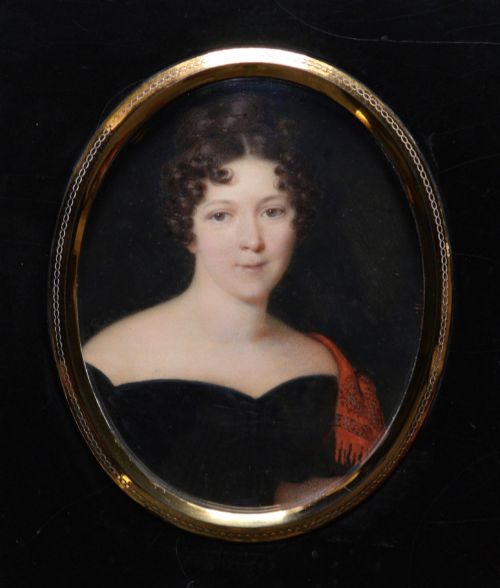
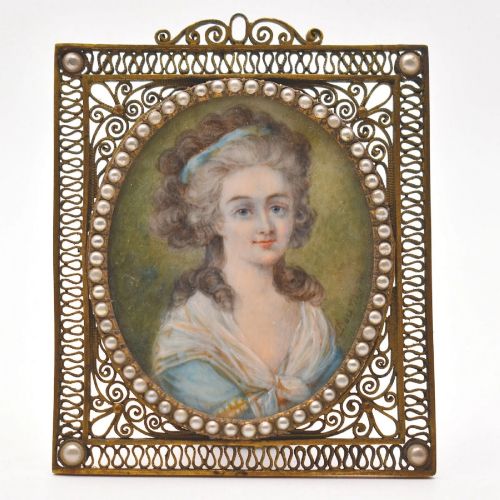
A french portrait miniature captures a likeness on a small scale, framed in brass, gilt bronze, or gold.
French Portrait Miniature
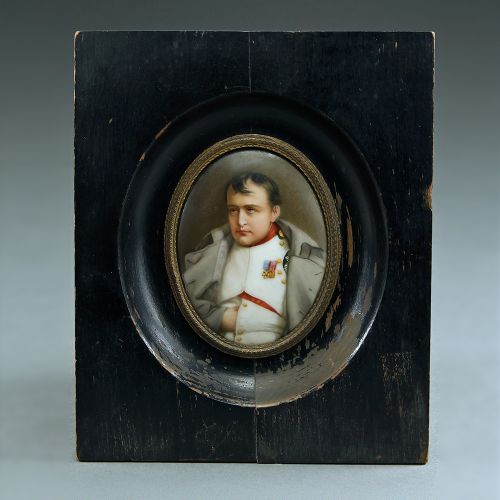
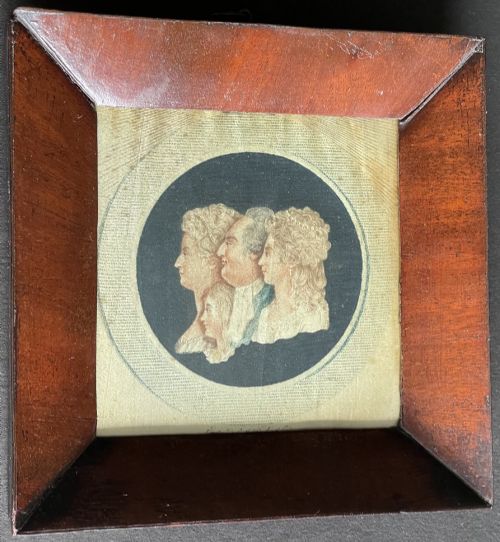
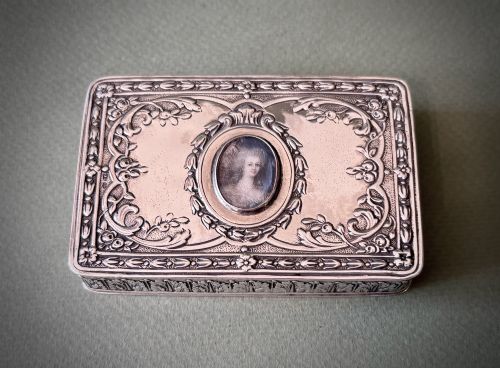
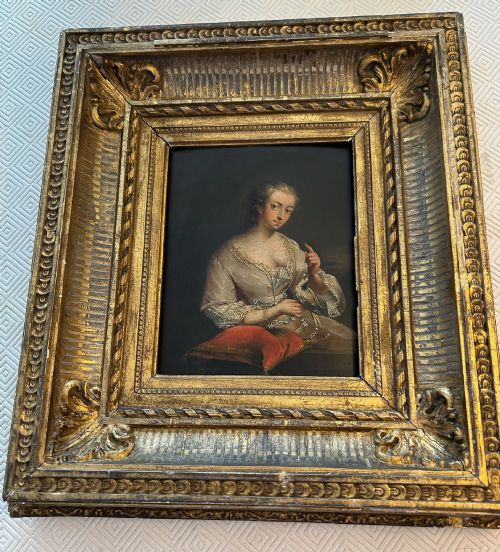
A french portrait miniature brings small-scale likenesses of historical figures, ladies of quality, and gentlemen into domestic spaces. These pieces take the form of miniature paintings, porcelain plaques, enamel works, and watercolours set within elaborate metal frames, snuff boxes, and jewellery caskets.
The 19th century dominates the selection, though examples reach back to the 18th century and the Regency period. Buyers encounter subjects ranging from Napoleon Bonaparte and royalty to religious figures and anonymous sitters rendered after classical masters.
Materials and Techniques
Artists painted these small portraits using watercolours, oils, and enamel upon surfaces such as paper, copper, porcelain, and ivory. The delicate brushwork required precise skill, often capturing fine facial details and elaborate period costumes within a compass of a few inches.
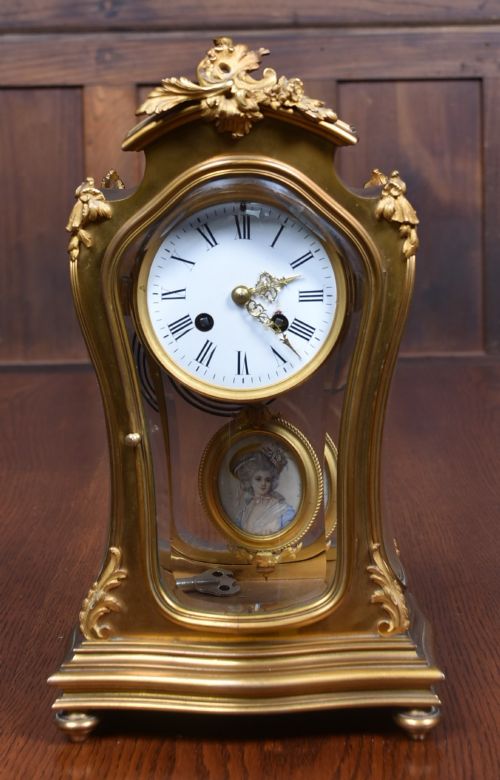
Frames and housings utilise gilt bronze, brass, ormolu, and gold, sometimes enhanced with seed pearls, mother-of-pearl, and carved wood. Limoges enamelling and porcelain plaques frequently integrate into larger decorative objects like mirrors, clocks, and caskets.
Materials recorded across the inventory include glass, enamel, brass, paint, gilt bronze, paper, and watercolour.
Assessing Quality
The mounting influences the overall merit, as heavy cast gilt bronze, ornate ormolu surrounds, and precious metal lockets indicate careful workshop production. Signed pieces or those attributed to known hands carry greater weight than unsigned works of the french school.
Dumont·Rodier·Jean-Baptiste van Loo·Louis Léopold Boilly·Jean-Baptiste Isabey·Elisabeth Vigee Le Brun·F. Bienvue
The French Portrait Miniature Glossary
- Ormolu
- A gilded bronze technique used extensively for furniture mounts and picture frames. It provides a bright metallic finish resembling gold.
- Limoges enamel
- Painted enamelwork originating from the French city of Limoges. This technique appears on copper plaques and decorative boxes.
- Gilt bronze
- Copper alloy cast and coated with a layer of gold. It forms the sturdy structure for many antique miniature frames and caskets.
- Miniature painting
- A detailed artwork executed on a small scale. Artists utilised watercolour, oil, or enamel to render portraits.
French Portrait Miniature: Frequently Asked Questions
How were french portrait miniature pieces displayed?
These small portraits hung on walls within dedicated picture frames or sat upon tables mounted in heavy gilt bronze and ormolu. Many pieces served personal functions, fitted inside snuff boxes, jewellery caskets, or worn as pendants.
Owners carried them close or placed them in intimate interior settings where guests could examine the fine detail up close.
Are these portraits signed by the artists?
Some pieces bear signatures or initials from the painter, whilst many remain anonymous works produced by the broader french school. Signatures add historical context and help attribute the work to specific miniaturists.
Unsigned pieces still demonstrate high technical skill through their brushwork and framing.
How do I care for antique miniatures?
Keep these delicate objects away from direct sunlight to prevent the fading of watercolours and painted surfaces. Maintain stable indoor humidity to protect ivory, paper, and wooden frames from warping.
Clean glass and metal surrounds gently with a dry cloth, avoiding moisture near the painted miniature.