


French Porcelain Mantel Clock
When choosing a french porcelain mantel clock, you are selecting a sophisticated domestic timekeeper that combines decorative ceramics with elaborate metallic mountings.

French Porcelain Mantel Clock
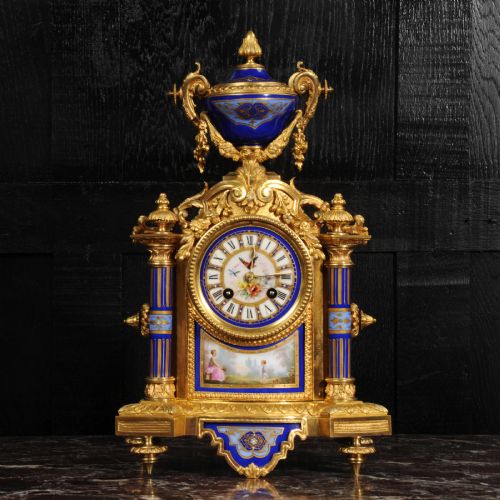
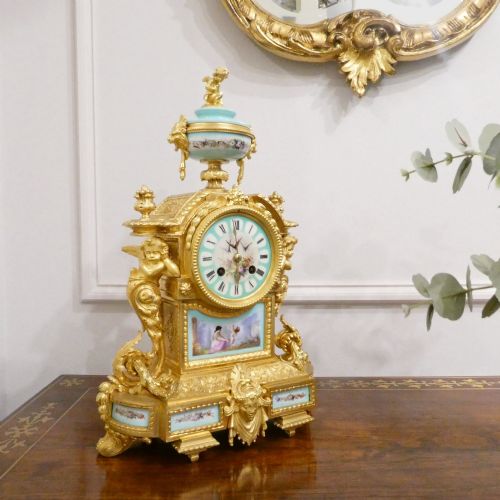
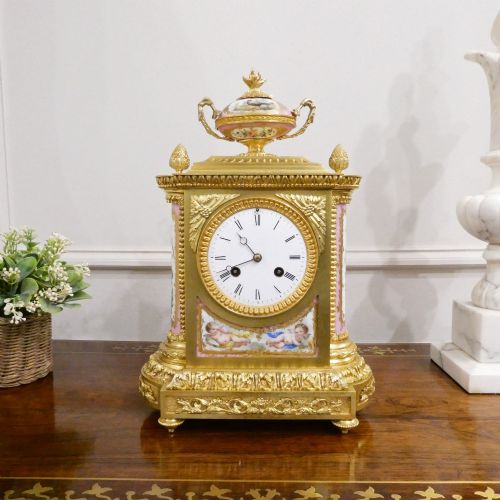
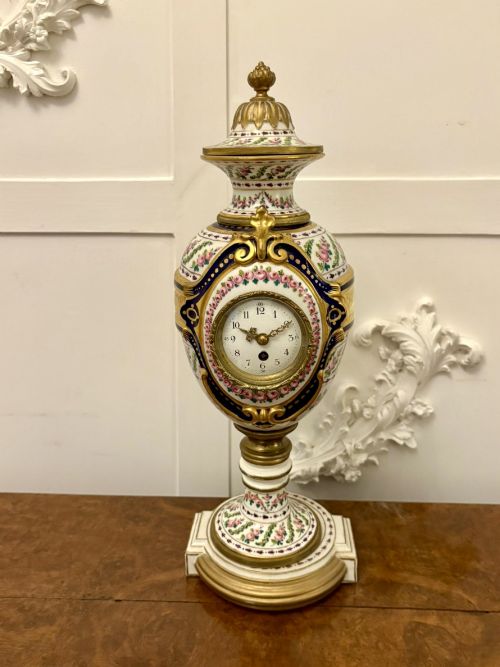
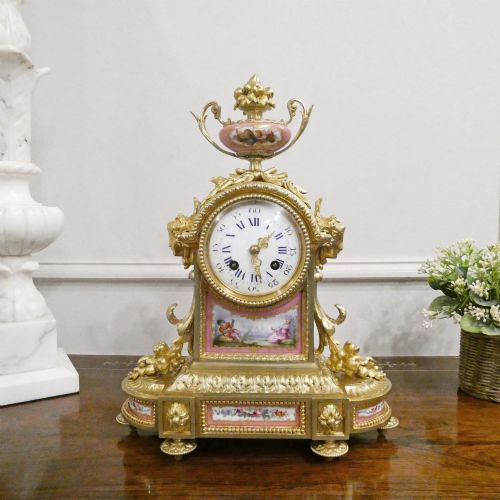
A french porcelain mantel clock is typically an ornate domestic timepiece designed for placement on a shelf or fireplace surround, frequently accompanied by matching garniture sets. These objects emerge primarily from the nineteenth century, spanning periods from the second empire through the victorian era and into the early nineteen hundreds.
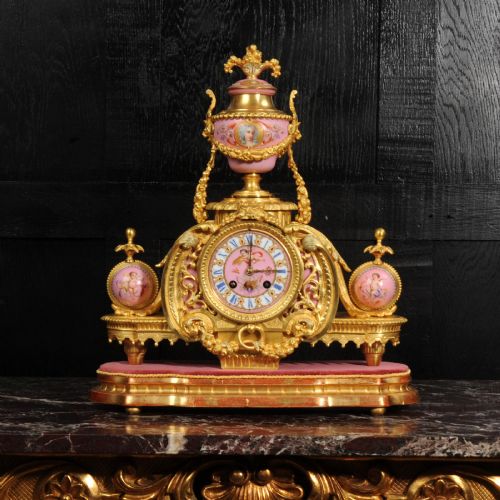
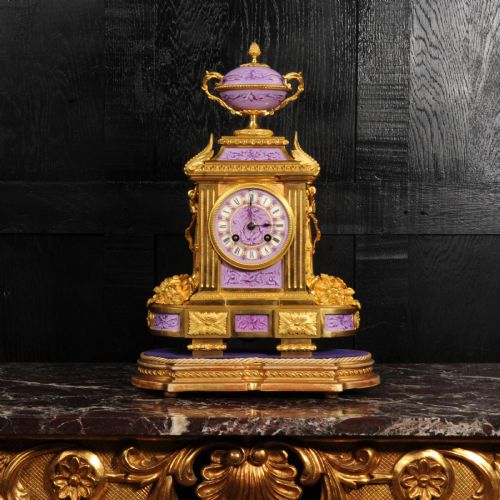
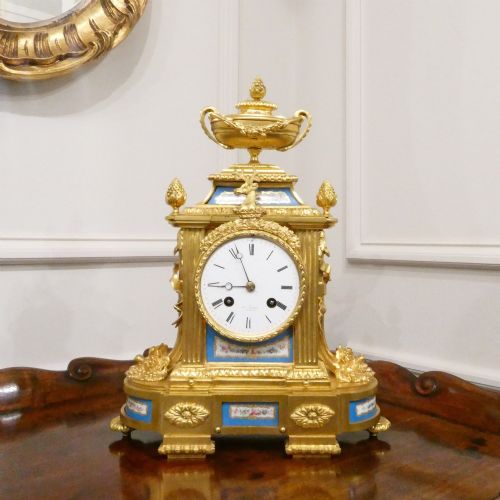
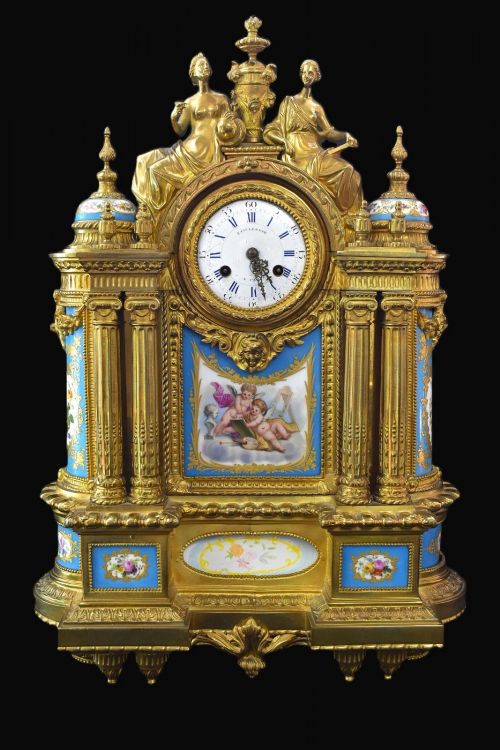
The versions most commonly met on this page combine glazed porcelain panels or painted urns with metallic housings. Makers adopted historical design motifs, producing pieces in louis sixteenth style, rococo revival, and napoleon third aesthetics.
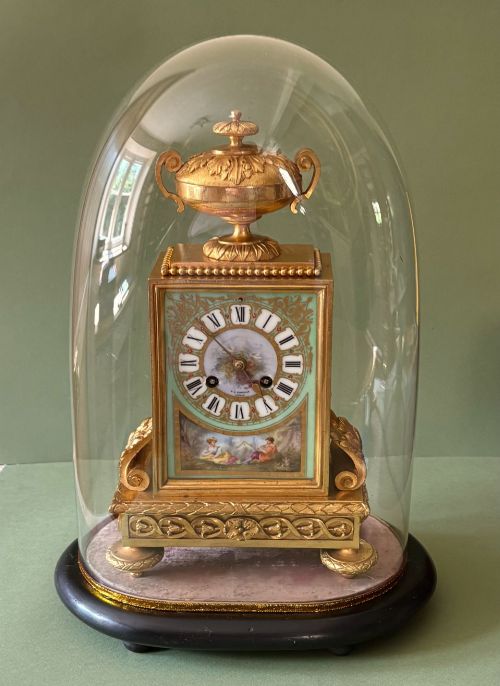
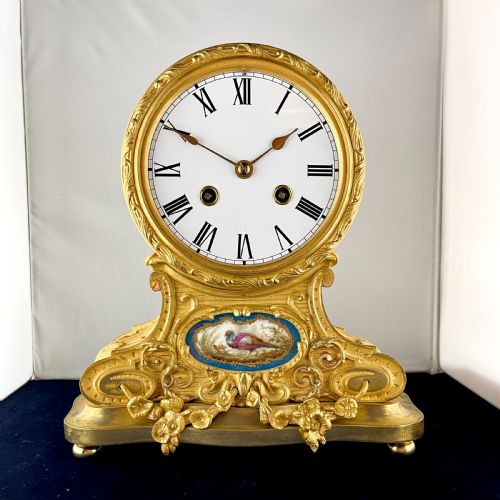
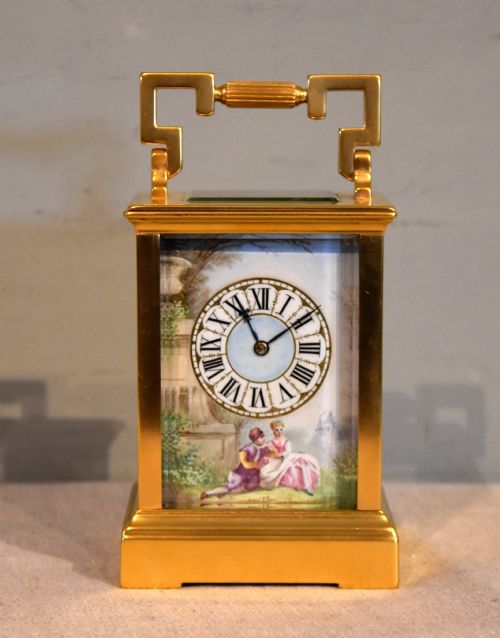
Beyond standard mantel clocks, buyers encounter specialised formats including drum head timepieces, carriage clocks under glass domes, and large multi-piece garnitures. The painted elements often feature pastoral scenes, floral arrangements, or classical figures integrated directly into the clock body.

How they were made
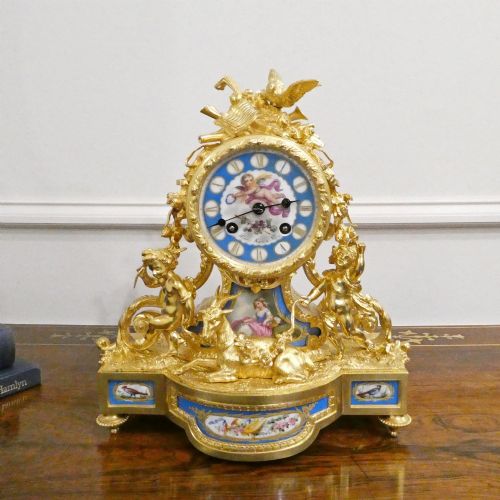
The construction relies heavily on the marriage of fired ceramics and cast metal frameworks. Foundries utilised gilt bronze, ormolu, and gilded metal to form the structural chassis and decorative mounts, which were then fitted with porcelain plaques originating from notable factories.
Enamel dials with individual cartouches or painted chapter rings were mounted behind glass bezels to display the hours. Skilled artisans decorated the porcelain surfaces by hand, applying intricate pigments and gold leaf before firing the ceramic elements to a durable finish.
French Porcelain Mantel Clock Retail Price Guide 2026
Typical asking prices for french porcelain mantel clock among the pieces listed under this phrase on Sellingantiques today, from the lower quarter to the upper quarter. They describe what is for sale here now, not the wider market.
Certain clocks feature cheeky painted putti peeking out from the gilt metal mounts to keep watch over the hours.
What varies in quality
Quality in these timepieces rests upon the precision of the cast metal mounts and the artistic execution of the painted porcelain panels. Finer examples display deeply chased ormolu detailing and hand-painted ceramic components signed by known miniaturists or associated with esteemed makers.
The caliber of the interior movement also dictates the standing of a piece. Clocks produced by recognised horological workshops feature more complex mechanisms, sometimes including repeater functions or striking trains, paired with robust porcelain housings that retain their original gilding and structural integrity.
Japy Freres·Achille Brocot·Henry Marc·Jean-Baptiste Delettrez·Etienne Lenoir·PH Mourey·Vincenti·Tiffany and Co
The French Porcelain Mantel Clock Glossary
- Ormolu
- A technique of applying finely ground high-carat gold to a bronze object using a mercury amalgamation process. This provides a rich, durable golden surface finish characteristic of luxury nineteenth-century metalwork.
- Garniture
- A set of decorative matching objects designed to be displayed together on a mantelpiece. In clock sets, this typically includes a central timekeeper flanked by matching vases or candelabra.
- Cartouche
- A small painted enamel plaque or section on a clock dial used to denote individual hours. These segments are often framed individually in metal surrounds.
- Japy Freres
- A prominent nineteenth-century French manufacturing dynasty known for producing large quantities of clock movements and finished timepieces. Their works appear frequently in housing paired with porcelain panels.
- Drum head clock
- A style of mantel clock where the movement housing is shaped as a circular drum elevated on a decorative plinth or base. This form often incorporates porcelain body elements.
French Porcelain Mantel Clock: Frequently Asked Questions
What is a clock garniture?
A clock garniture is an ensemble consisting of a central mantel clock accompanied by matching side pieces such as decorative urns or candelabra. These sets were designed to create a balanced display across a mantelpiece or sideboard.
Such groupings utilise identical materials and decorative motifs, tying together the porcelain panels and gilt bronze mounts across all matched components.
How do I identify a louis xvi style clock?
Louis sixteenth style clocks are characterised by classical symmetry, straight lines, and architectural elements such as fluted columns and urn motifs. They reflect a reaction against the preceding flamboyant rococo aesthetic.
These pieces frequently incorporate porcelain plaques adorned with fine pastoral painting, set within restrained ormolu or gilt bronze frameworks.
Were these clocks made in sets?
Many nineteenth-century French clocks were indeed produced alongside matching ornamental vases or garnitures. These coordinated items share the same porcelain body style and metallic finishes.
Surviving sets often retain their original protective glass domes, which shielded the delicate painted surfaces and gilt mounts from dust and environmental wear.
What distinguishes a carriage clock?
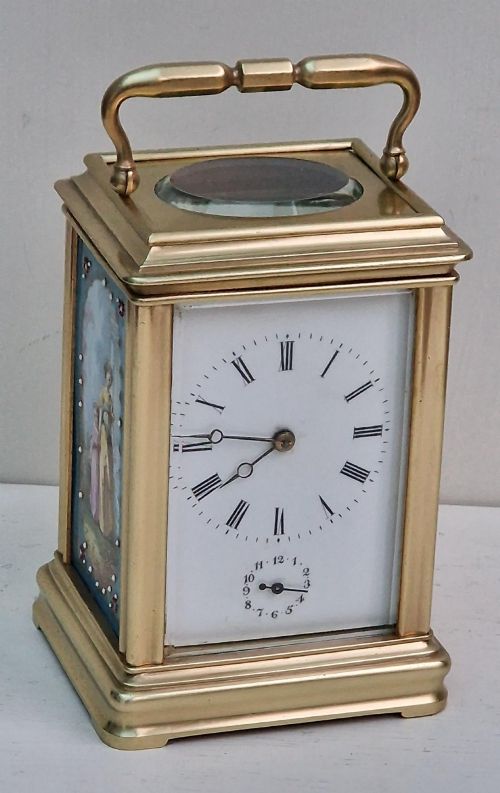
A carriage clock is a portable timekeeper originally designed for travel, featuring a carrying handle and housing within a glazed brass or gilt metal case. Examples found here incorporate porcelain panels or enamel dial plates.
These compact pieces often include precision mechanisms like lever escapements and repeater complications, allowing them to chime the hours on demand.