




French Painted Room Screen
A french painted room screen brings division and artistry to a space, capturing historic craft through folding panels of canvas, leather, and wood.
French Painted Room Screen
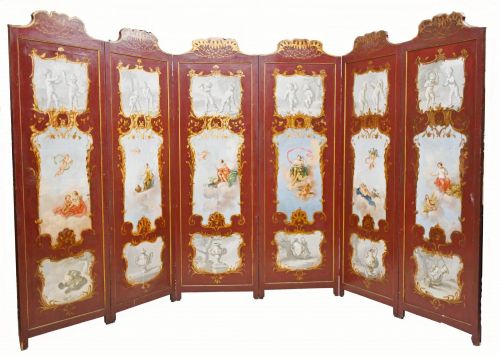
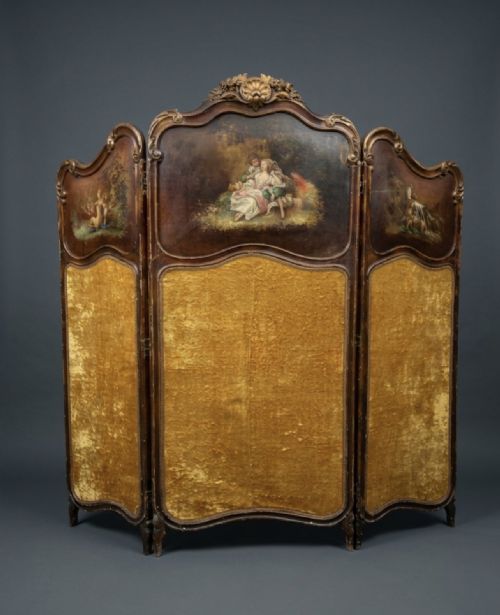
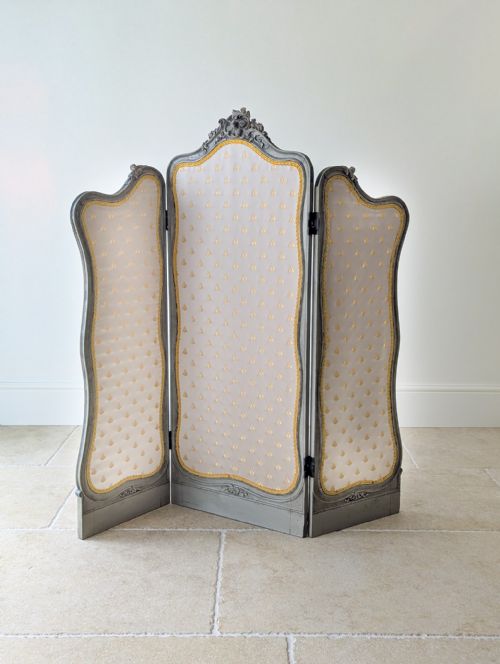
A french painted room screen acts as a movable partition or decorative barrier, dividing large interiors into intimate zones. Buyers seeking a french painted room screen encounter folding configurations ranging from compact three-fold designs to expansive six-panel dividers.
The evidence shows forms spanning multi-panel room dividers and modest modesty screens alongside smaller fire screens. Materials stretch from wood and canvas to oil paint, leather, and gilt leaf, echoing French Rococo Revival, Napoleon III, and French Neoclassical styles.
Dating across the listings covers the mid-eighteenth century through the Victorian era up to around nineteen hundred. These pieces present pastoral scenes, Chinoiserie motifs, and delicate hand-painted details across multiple folds.
Materials and construction
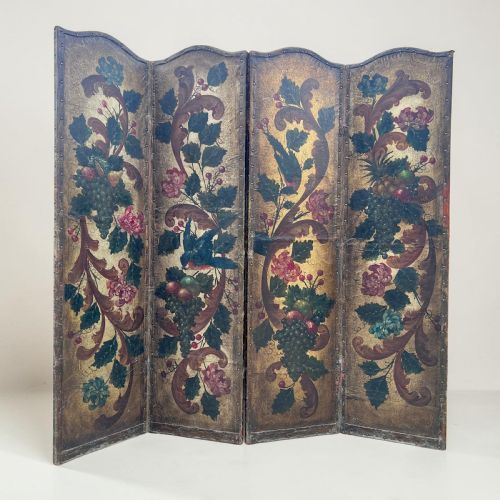
Construction relies upon wooden frames supporting panels of canvas or leather, joined together with brass hinges to allow flexible folding. Makers applied oil paint directly to the surface, frequently incorporating gilt leaf and giltwood highlights.
Surface decoration ranges from pastoral painted scenes to intricate Chinoiserie compositions. Walnut and other woods form the underlying structure, complemented by painted leather or stretched canvas surfaces.
French Painted Room Screen Retail Price Guide 2026
Typical asking prices for french painted room screen among the pieces listed under this phrase on Sellingantiques today, from the lower quarter to the upper quarter. They describe what is for sale here now, not the wider market.
One eighteenth-century survivor proves that modesty screens have been helping people dodge awkward room drafts since seventeen fifty.
Markers of quality
Quality rests upon the execution of the hand-painted artwork and the structural integrity of the folding frames. Fine examples display sophisticated brushwork in pastoral or Chinoiserie subjects rather than repetitive decorative filler.
The choice of primary material, such as supple painted leather or substantial walnut frames, elevates the standing of a piece. Finer hardware and harmonious multi-fold proportions separate standard dividers from exceptional workshop productions.
Paul Sormani
The French Painted Room Screen Glossary
- Modesty screen
- A small decorative screen designed to shield a person from the heat of a fireplace or drafts, often featuring painted panels.
- Chinoiserie
- European decorative art depicting Chinese motifs and imaginary landscapes, frequently found on painted screens from the nineteenth century.
- Gilt leaf
- Thin sheets of hammered gold applied to wood or framing elements to create a lustrous decorative finish.
- Napoleon III
- A nineteenth-century French design period known for eclectic revivals of historic styles, including elaborate painted room dividers.
- Rococo Revival
- A nineteenth-century artistic movement drawing on eighteenth-century curves, asymmetry, and ornate pastoral ornamentation.
French Painted Room Screen: Frequently Asked Questions
What is a french painted room screen used for?
These folding screens were historically used to divide large rooms, create private dressing areas, or block draughts from doors and windows.
Today, they serve primarily as decorative wall art or spatial dividers in living areas and bedrooms, adding texture and historic character.
How do I care for painted leather panels?
Painted leather requires careful maintenance to prevent the surface from drying out or cracking over time.
Keep these screens away from direct sunlight and severe temperature fluctuations to preserve the underlying oil paint and gilt details.
How many folds do these screens have?
The listings demonstrate configurations ranging from single modesty screens to three, four, and six-panel folding dividers.
Larger multi-fold versions require adequate floor space to stand securely in a zig-zag or curved arrangement.
What styles are common in these screens?
Common aesthetic movements include French Rococo Revival, Napoleon III, and French Neoclassical design influences.
Subjects depicted on the panels frequently include pastoral landscape scenes and decorative Chinoiserie motifs.