





Antique Decorative Draught Screen
An antique decorative draught screen splits a room and blocks a chill with painted panels, hand-embossed leather, or woven textile.
Antique Decorative Draught Screen
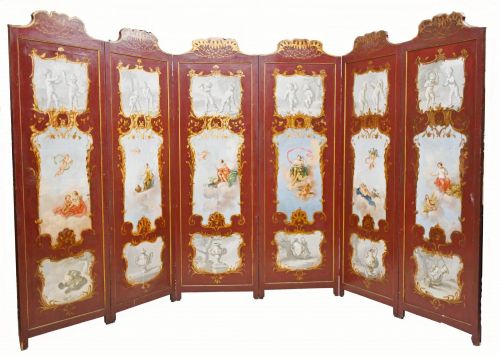
An antique decorative draught screen is a folding panel structure designed to divide a space or deflect heat from a hearth. The examples on this page span several centuries and styles, taking the form of multi-fold room dividers and smaller fireplace screens.
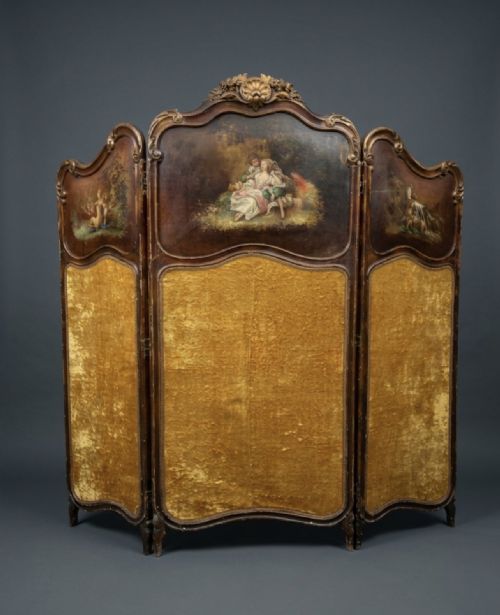
The materials and visual vocabulary draw upon European traditions, ranging from French Rococo Revival and Continental Baroque to Arts and Crafts designs. Most pieces rely on wood frames supporting panels of hand-painted leather, oil paint, or woven fabric.
Buyers will encounter tall folding partitions meant to section off parts of a room alongside lower modesty screens and fire screens. These objects combine practical utility with decorative art, using painted scenes or embossed surfaces to catch the eye.
How they were made
Makers constructed the structural frames from timber such as giltwood and plain wood, joining the folds with metal hinges. Panels were then inserted to form the body of the screen.
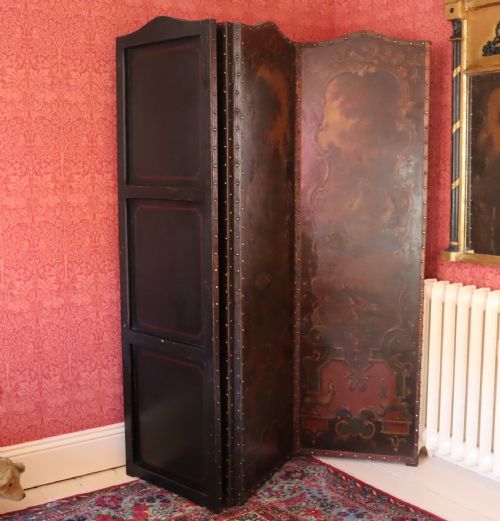
Surface decoration involved skilled hand work, including oil paint, gilt leaf, and detailed paintwork on leather. Metal tacks frequently secure the leather or fabric panels to the wooden framework.
Antique Decorative Draught Screen Retail Price Guide 2026
Typical asking prices for decorative draught screen among the pieces listed under this phrase on Sellingantiques today, from the lower quarter to the upper quarter. They describe what is for sale here now, not the wider market.
Some screens were built solely to hide family arguments happening behind them.
What varies in quality
The standard of an antique decorative draught screen rests upon the execution of its decorative panels and the integrity of its wooden frame. Fine examples exhibit meticulous hand-painted details or carefully embossed leather rather than simplified decoration.
Construction methods also distinguish finer pieces, particularly the precision of the joinery and the quality of the hinges connecting the folds. The choice of materials, from gilt leaf to substantial leather, shapes the physical presence of the object.
Paul Sormani·William Morris
The Antique Decorative Draught Screen Glossary
- Cordoban leather
- Leather originating from Córdoba, known for heavy embossing and gilding. It provides a rich, textured surface suited to grand interiors.
- Giltwood
- Wood carved and coated with gold leaf or a gold-coloured finish. This material reflects light and adds a decorative sheen to the frame.
- Modesty screen
- A low folding screen historically used to shield a person from the direct heat of a fireplace or to provide privacy. They sit lower than full room dividers.
- Chinoiserie
- European artistic style reflecting Chinese motifs and decorative techniques. It appears in painted scenes depicting imaginary Asian landscapes.
Antique Decorative Draught Screen: Frequently Asked Questions
How are draught screens used today?
These screens serve to zone open-plan spaces, conceal unsightly areas, or simply stand as decorative wall art.
Position them against a blank wall or angle the folds to create a cosy nook in a larger room.
What is the difference between a room divider and a fire screen?
Room dividers consist of multiple tall folds intended to partition a space or block draughts across a room.
Fire screens are typically smaller single-panel or low folding pieces placed near a hearth to deflect radiant heat.
How do I identify the period of a screen?
Dating relies on stylistic clues, such as Rococo curves, Arts and Crafts simplicity, or specific painting techniques.
Examine the construction of the frame and the materials used for the hinges and tacks for further clues.
How should I care for leather panels?
Painted and embossed leather panels require stable humidity and protection from direct sunlight to prevent cracking.
Dust them gently with a dry, soft cloth and avoid chemical cleaning agents entirely.