





French Painted Plant Table
A french painted plant table brings botanical grace indoors, offering a charming stage for greenery through distressed finishes and classical forms.
French Painted Plant Table
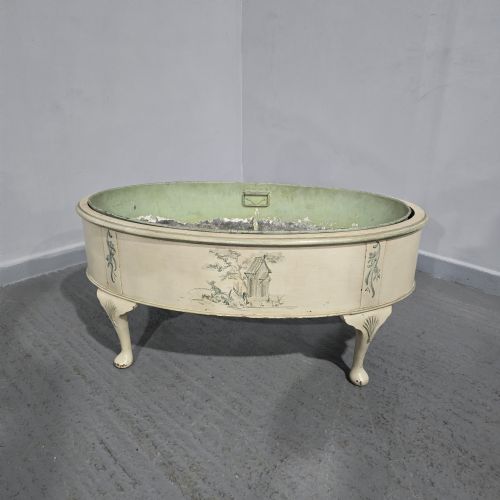
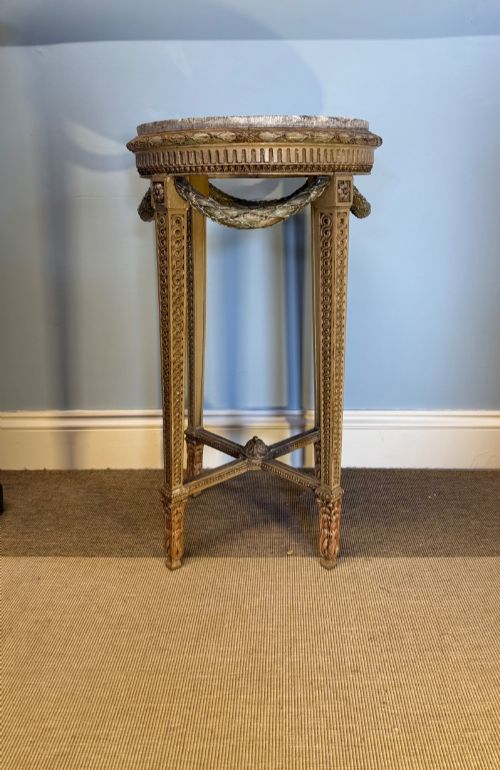
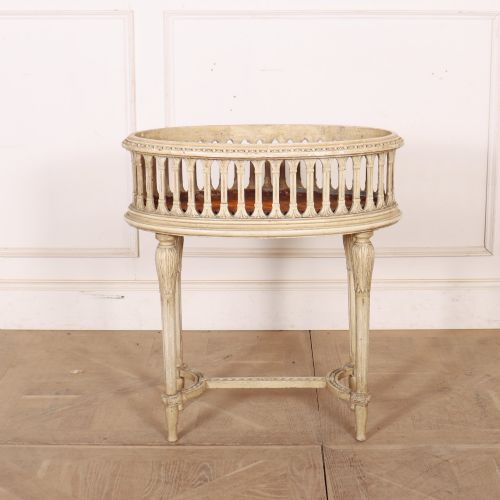
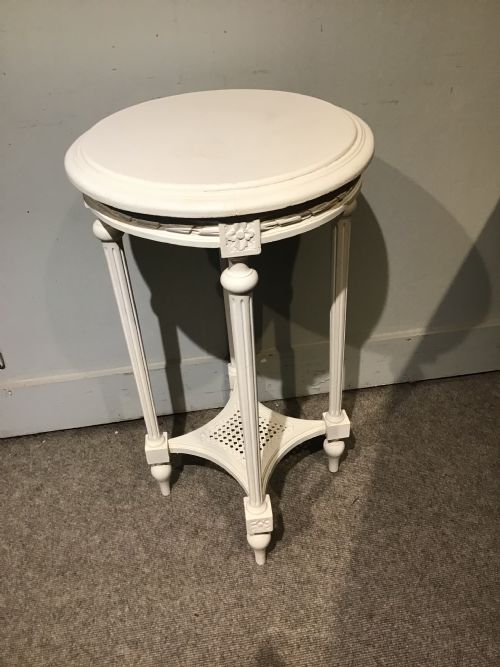
A french painted plant table functions as a decorative stand or pedestal designed specifically to elevate flora within interior spaces and conservatories. These pieces span from the late nineteenth century into the early twentieth century, encompassing periods such as the Belle Epoque, Napoleon III, and Louis XVI styles.
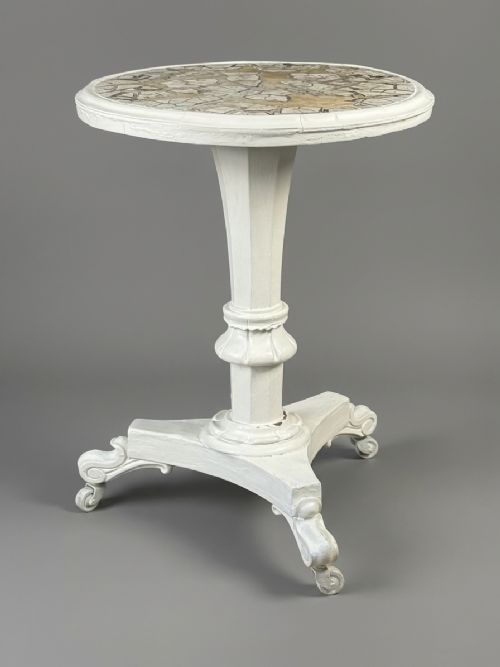
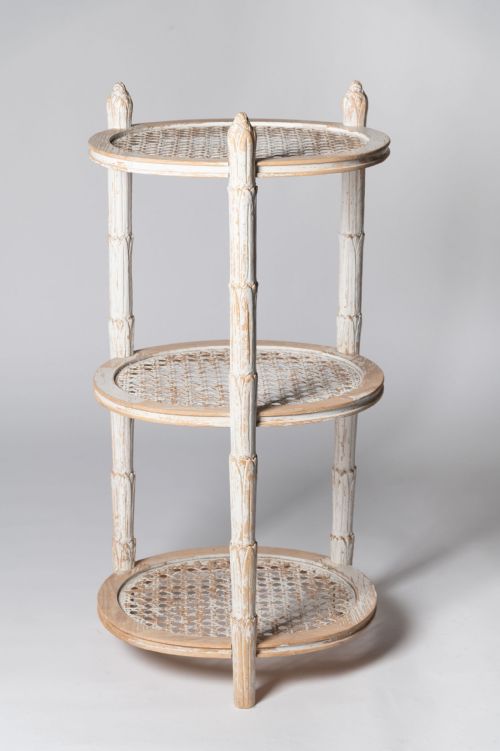
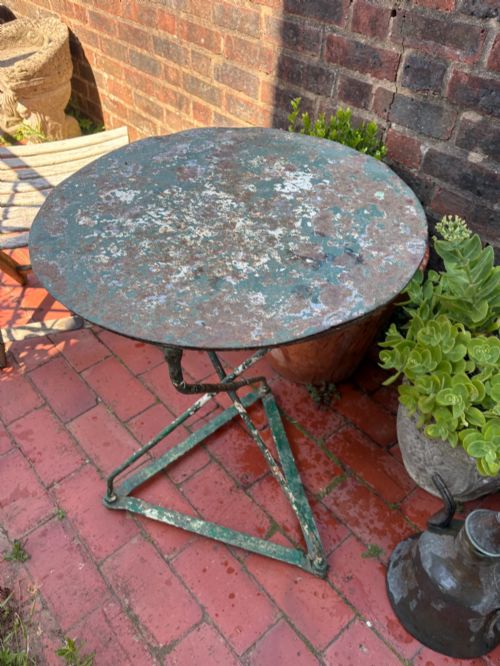
The forms vary from multi-tiered etageres and jardiniere stands to round gueridon tables and occasional side tables. You will frequently encounter versions featuring painted wood or cast iron structures, often paired with contrasting surfaces.
Origins trace directly to continental aesthetics, utilising French country charm alongside more formal chateau and rococo revival motifs. They serve practical display roles while anchoring a room with aged patina and organic warmth.
Materials and Construction
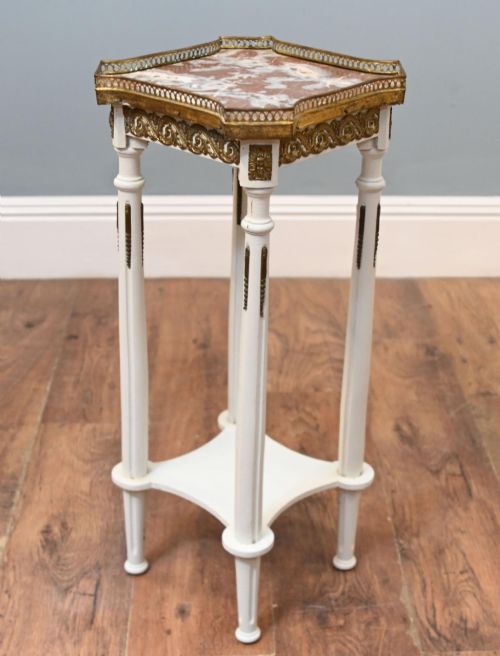
Construction relies heavily on painted wood and forged or wrought iron, providing sturdy skeletons for botanical display. Artisans combined these structural elements with decorative materials like inset marble tops and cast brass details.
Surfaces received layers of paint, sometimes incorporating ebonised finishes or delicate painted porcelain plaques. Wirework and strapwork techniques also appear in garden-oriented variants designed to withstand damp conditions.
French Painted Plant Table Retail Price Guide 2026
Typical asking prices for french painted plant table among the pieces listed under this phrase on Sellingantiques today, from the lower quarter to the upper quarter. They describe what is for sale here now, not the wider market.
Tole flowers immortalise fleeting blooms in painted metal, letting delicate bouquets stubbornly outlive their botanical counterparts.
Judging Quality and Craftsmanship
Quality rests upon the integrity of the original paint surface and the stability of the underlying timber or metal frame. Hand-forged ironwork and finely carved wooden details distinguish superior examples from simpler utilitarian pieces.
The integration of premium inset materials, such as heavy marble slabs or hand-painted porcelain plaques, elevates a piece above standard production. Original patination and harmonious proportions remain vital markers of enduring desirability.
The French Painted Plant Table Glossary
- Jardiniere
- A decorative stand or receptacle specifically designed to hold plants or floral arrangements. They often feature waterproof liners or elevated platforms to protect surrounding floors.
- Etagere
- A piece of furniture consisting of a set of open shelves for displaying small objects or plants. These multi-tiered units maximise vertical space in compact interiors.
- Gueridon
- A small round table supported by one or more columns or figures. Originating in seventeenth-century France, they frequently serve as plant stands or occasional tables.
- Vernis Martin
- A type of decorative furniture finish that mimics Japanese lacquer using resin varnishes. It creates a luminous, translucent surface with subtle depth.
French Painted Plant Table: Frequently Asked Questions
What is a french painted plant table?
A french painted plant table is a decorative piece of furniture created to hold flowers and potted plants. These stands combine functional surfaces with artistic finishes typical of French design traditions.
They appear in various forms, including multi-tiered etageres, pedestals, and small occasional tables. Their primary purpose is to elevate greenery while adding visual interest to a room.
How were these tables used originally?
Originally, these tables populated nineteenth-century conservatories, drawing rooms, and halls to showcase prized botanical specimens. Wealthy households utilised them to bring nature indoors during colder months.
They acted as focal points for exotic ferns and flowering plants, integrating horticulture with interior decoration. Today, they serve a similar decorative function in modern homes.
How can I tell the period of a stand?
Dating a stand involves examining construction methods, hardware, and stylistic indicators such as Belle Epoque or Napoleon III motifs. Hand-forged ironwork and period-specific paint layers offer strong chronological clues.
Materials like heavy marble tops and ebonised wood often point toward the nineteenth century. Comparing construction joints helps distinguish older artisanal pieces from later reproductions.