



French Painted Jardiniere
A French painted jardiniere brings botanical display indoors with classic continental flair and decorative elegance.
French Painted Jardiniere
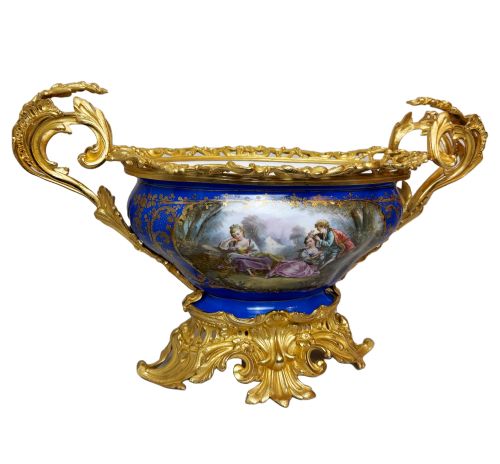
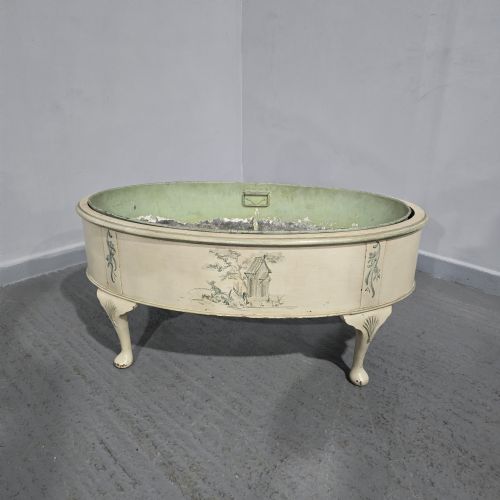
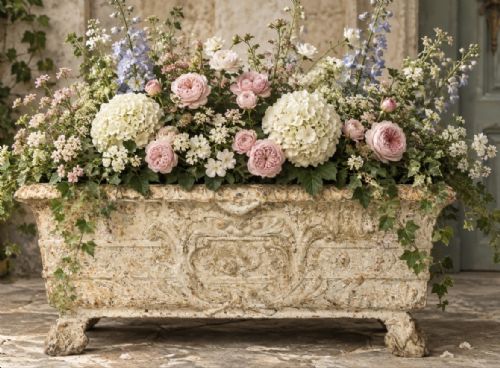
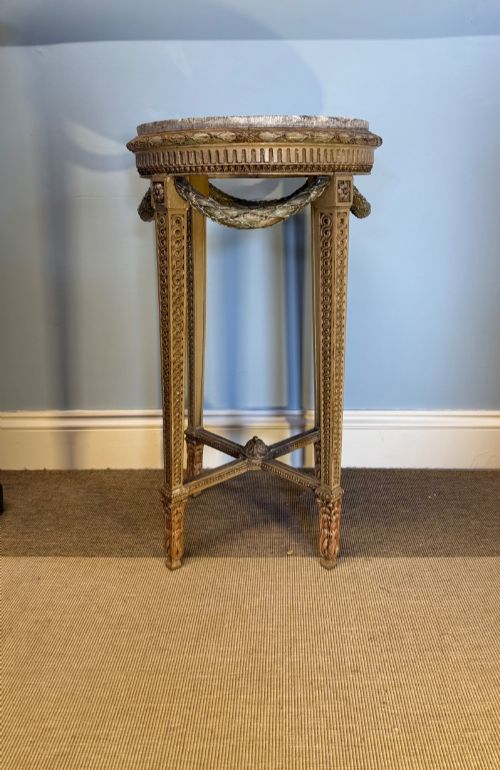
When you search for a French painted jardiniere, you encounter decorative plant holders and floral display vessels originating from nineteenth century France and Britain. These items span plant stands, centrepieces, and pedestal planters designed to house interior greenery or garden blooms.
You are most likely to meet nineteenth century examples on this page, taking forms such as cast and wrought iron stands, wirework tiered planters, and porcelain centrepieces with painted details. The selection includes Victorian items alongside French Chateau and Napoleon III styles.
Makers utilised painted wood, enamel, zinc, and porcelain alongside metalwork structures to create vessels suitable for both interior salons and garden conservatories. These containers served as focal points for botanical arrangements in period homes.
How they were made
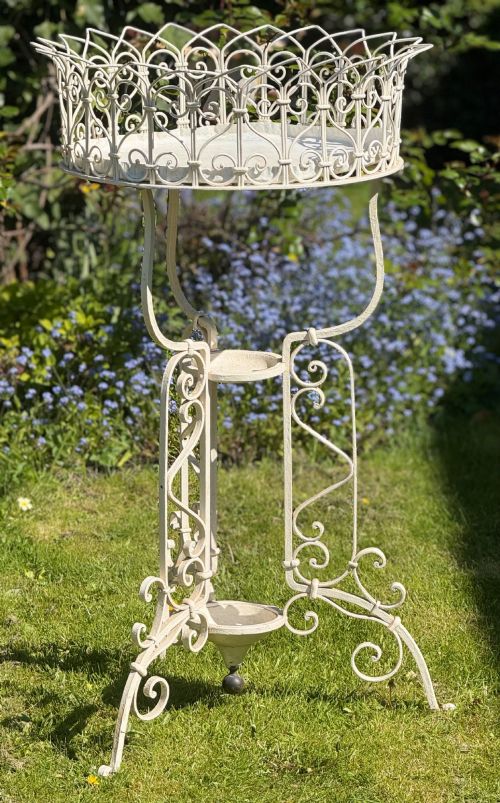
Materials recorded in the evidence combine structural metals like cast iron, wrought iron, and wirework with delicate elements such as porcelain plaques and enamel finishes. Craftsmen shaped metal into scrollwork and lattice basket tops, applying paint to timber and iron surfaces.
Ceramic components frequently feature hand painted decoration, occasionally complemented by gilt bronze mounts or marble tops. These mixed media constructions unite robust support frames with ornamental basins designed to hold plants securely.
French Painted Jardiniere Retail Price Guide 2026
Typical asking prices for french painted jardiniere among the pieces listed under this phrase on Sellingantiques today, from the lower quarter to the upper quarter. They describe what is for sale here now, not the wider market.
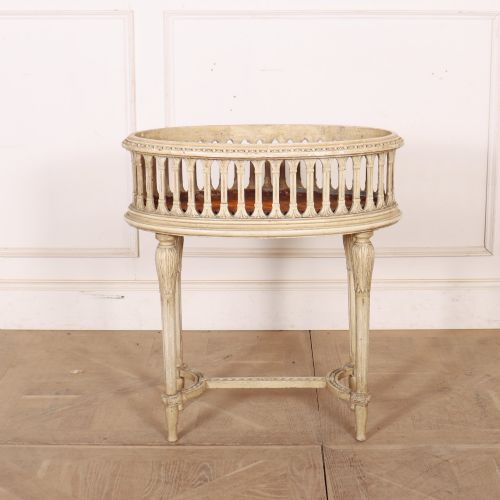
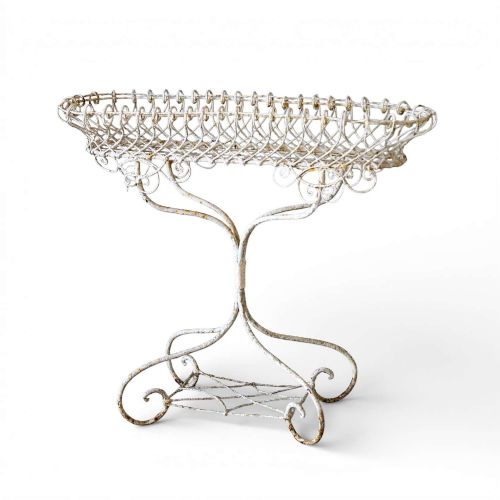
Several plant stands feature intricate wirework lattice baskets built to keep nineteenth century ferns looking properly elevated.
What varies in quality
The distinction between standard utility items and finer decorative pieces rests upon the sophistication of the metalwork and the artistry of the painted decoration. Elaborate scrollwork, integrated porcelain plaques, and gilt bronze mounts elevate an object beyond basic garden utility.
Condition of the painted surfaces and the integrity of the underlying materials dictate the desirability of each piece. Items featuring intact hand painted porcelain and well preserved original paint finishes represent the upper tier of the range.
The French Painted Jardiniere Glossary
- Jardiniere
- An ornamental pot or stand for holding plants or flowers. These vessels form the central focus of this collection.
- Napoleon III
- A nineteenth century French design style associated with eclectic revivalism and ornate detail. Pieces from this period often incorporate ebonised finishes and porcelain plaques.
- Wirework
- Metal strands bent and joined to form open lattice or tiered structures. This technique creates lightweight yet robust plant stands.
- Gilt Bronze
- Bronze coated with a thin layer of gold or gold coloured alloy. This material provides opulent mounts on porcelain centrepieces.
French Painted Jardiniere: Frequently Asked Questions
What is a french painted jardiniere used for?
These vessels were originally designed to hold potted plants and floral arrangements within domestic interiors or sheltered garden spaces. They elevated greenery to display height, acting as decorative centrepieces for rooms.
Today, they serve a similar purpose in period and eclectic interiors, holding botanical displays or standing alone as sculptural decorative objects.
How do I care for a painted metal planter?
Maintenance involves gentle dusting and protecting the surfaces from excessive moisture to preserve the original paintwork. Placing a liner inside the basket prevents water damage to antique iron and wood.
Avoid harsh chemical cleaners that might strip the historic paint finishes or damage delicate porcelain and gilt bronze mounts.
Where should I place a plant stand in my home?
These stands suit entrance halls, drawing rooms, and conservatories where their decorative forms can be appreciated from multiple angles. Their open wirework or elevated pedestal designs work well against plain walls or near natural light.
Ensure the location supports the weight and footprint of cast iron or marble top variations safely.
How can I tell a nineteenth century piece apart?
Nineteenth century examples often display specific stylistic markers such as Napoleon III ebonising, Rococo Revival curves, or neoclassical symmetry. Material construction methods, including hand forged iron and hand painted porcelain, point to period production techniques.
Examining the wear patterns on painted surfaces and metal joins helps confirm the age and authenticity of the item.