




Antique Planter on Legs
An antique planter on legs brings living greenery indoors, elevating botanical displays on raised stands crafted in timber, brass and porcelain.
Antique Planter on Legs
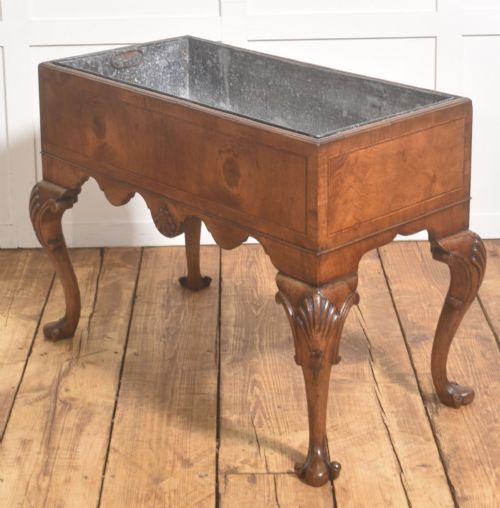
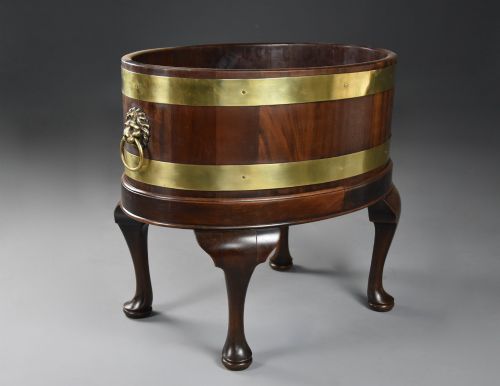
An antique planter on legs takes the form of a jardiniere, plant stand or wine cooler raised on legs, designed to hold potted plants or function as an occasional table. These pieces emerge across the Georgian, Victorian and Edwardian eras, spanning the nineteenth and early twentieth centuries.
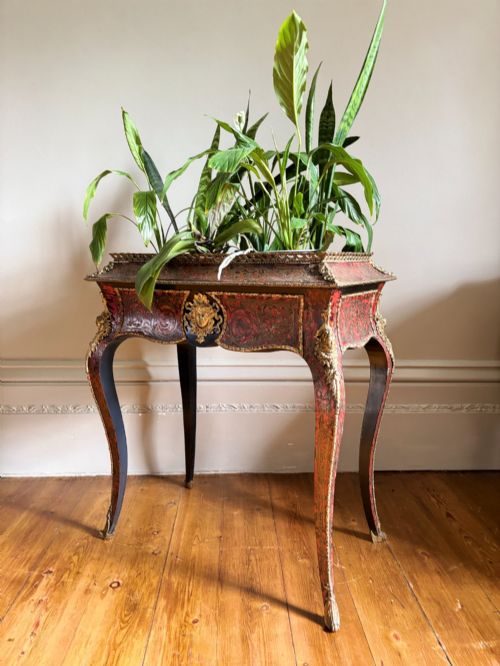
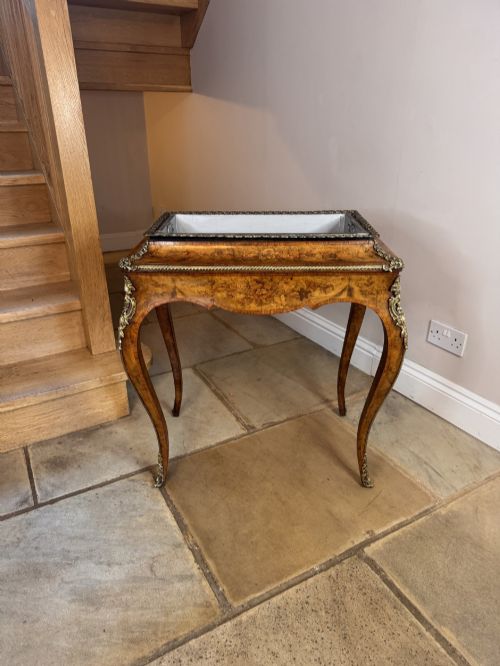
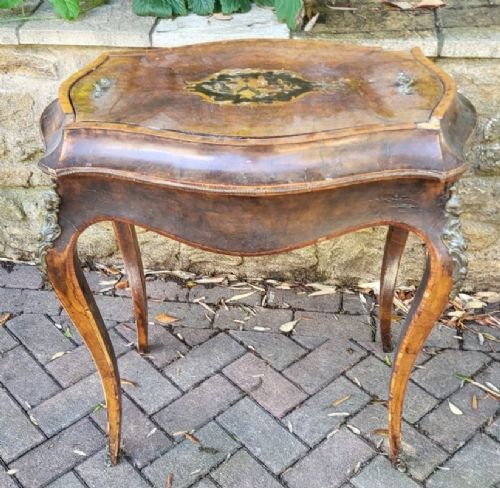
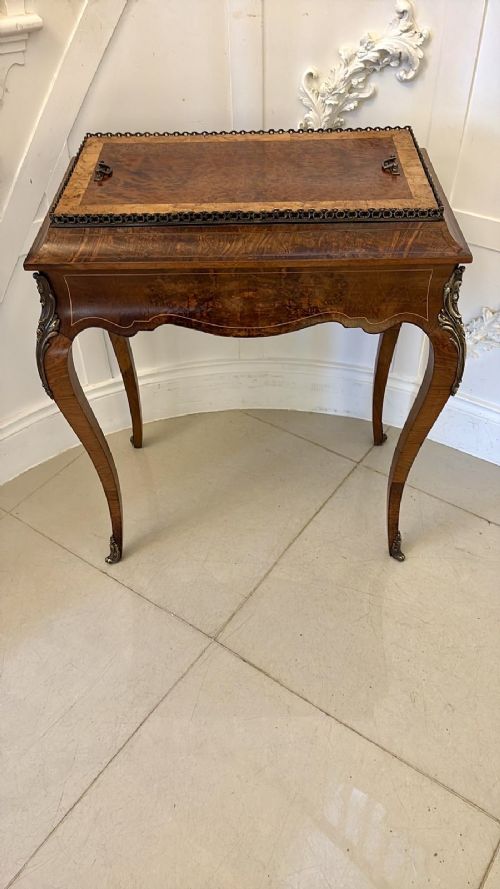
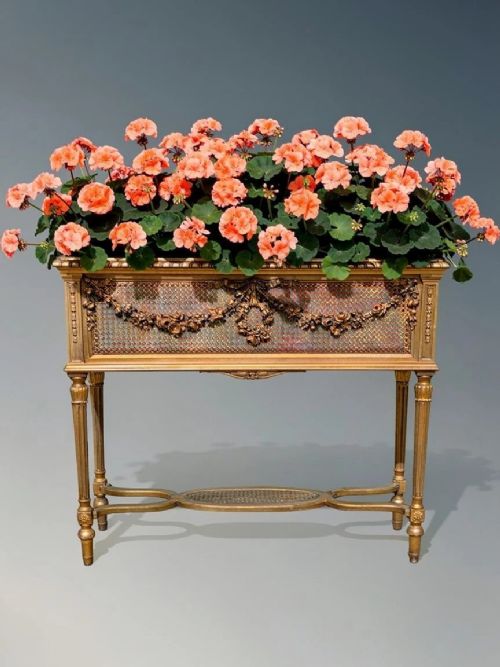
The most common version on this page is the Victorian walnut or Edwardian mahogany jardiniere stand, often featuring marquetry inlay, ormolu mounts and a metal or zinc liner for practical plant display. French influences appear frequently through Louis XV styles, Napoleon III boullework and Belle Epoque designs.
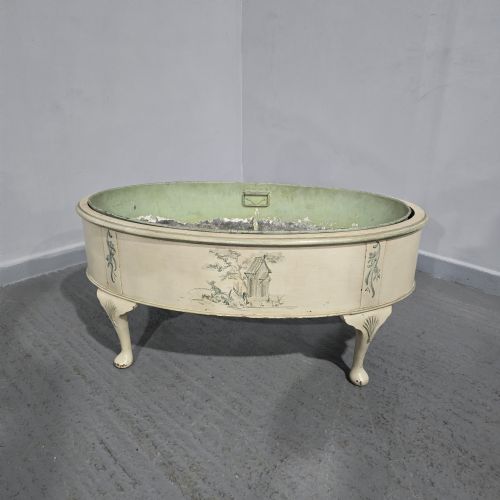
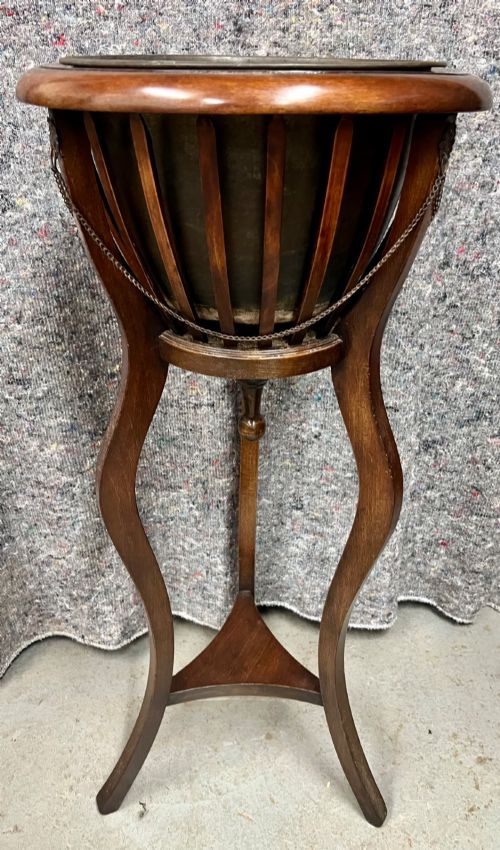
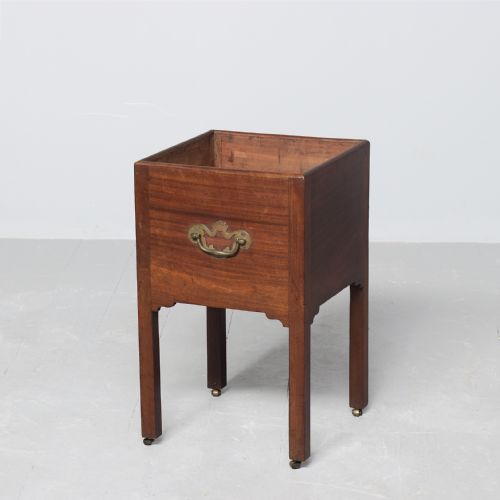
Makers and craftsmen also utilised satinwood, burr walnut, kingwood and painted pine to construct these elevated planters, sometimes combining them with side tables or cellarettes. The resulting objects range from monumental French ormolu-mounted stands to modest oak barley twist plant stands.
Materials and construction
Cabinetmakers built these planters using timbers such as mahogany, walnut, burr walnut, satinwood and kingwood, frequently applying intricate marquetry inlays and giltwood or ormolu mounts. French and English workshops combined structural framing with decorative veneers to achieve refined aesthetic surfaces.
Interior functionality relied on metal liners, zinc inserts, porcelain plaques or ceramic bowls designed to contain damp soil and water. These protective linings preserved the surrounding wooden frames and allowed plants to be watered safely inside domestic rooms.
Antique Planter on Legs Retail Price Guide 2026
Typical asking prices for planter on legs among the pieces listed under this phrase on Sellingantiques today, from the lower quarter to the upper quarter. They describe what is for sale here now, not the wider market.
Listings feature items from the Georgian, Victorian and Edwardian eras, utilising mahogany, burr walnut, ormolu and satinwood.
Craftsmanship and distinction
Quality rests in the precision of the cabinetwork, the richness of the timber veneers such as burr walnut or satinwood, and the crispness of any ormolu mounts or marquetry inlay. Superior examples display seamless joinery and balanced proportions across the legs and body.
The integration of artistic elements, such as Sevres-type porcelain plaques, hand-painted details or fine brass galleries, separates standard plant stands from exceptional decorative pieces. The presence of original fitted liners or lift-off lids further distinguishes better-surviving specimens.
The Antique Planter on Legs Glossary
- Jardiniere
- An ornamental pot or stand for holding plants or flowers. These items often feature decorative metal liners.
- Ormolu
- Gilded bronze mounts applied to furniture and decorative objects. This technique is prominent in French nineteenth-century pieces.
- Marquetry
- Decorative veneer work forming patterns using various woods. Craftsmen cut contrasting timbers to create intricate floral or geometric designs.
- Cellarette
- A cabinet or container originally used for holding bottles of wine. Many forms double as planters or jardinieres in domestic settings.
- Boulle
- A type of marquetry using brass and tortoiseshell developed in France. This opulent technique defines Napoleon III decorative arts.
Antique Planter on Legs: Frequently Asked Questions
What is an antique planter on legs?
An antique planter on legs is a raised botanical container or jardiniere designed to display indoor plants at a convenient height. These pieces combine structural stands with decorative vessels made from timber, metal or ceramic.
Originating primarily across the Georgian, Victorian and Edwardian periods, they served both functional gardening needs and refined interior decoration. Many examples double as side tables or wine coolers through the inclusion of removable lids or liners.
How were these planters used historically?
Historically, these stands held potted ferns, palms and flowering plants within drawing rooms and garden rooms. The raised legs kept dampness away from carpets while placing greenery at eye level.
Some versatile designs functioned as cellarettes or wine coolers during dining occasions. Their removable liners allowed owners to water plants without damaging the surrounding fine woodwork.
How do I identify Victorian and Edwardian examples?
Victorian examples frequently display rich burr walnut, heavy ormolu mounts, and elaborate marquetry inlay influenced by French revival styles. They often feature robust proportions and dark, polished timbers.
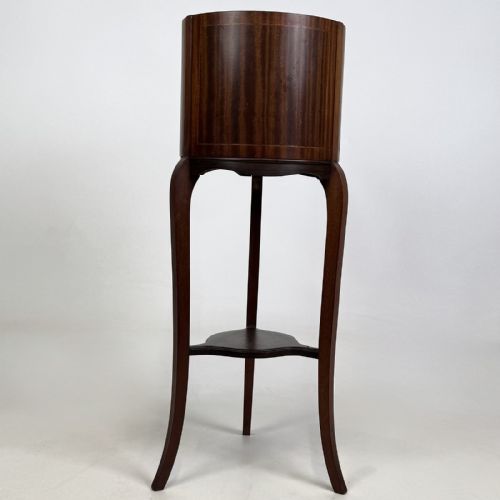
Edwardian pieces tend to present lighter satinwood or mahogany constructions with simpler cabriole legs and restrained inlay. Their aesthetic reflects a shift towards brighter, more delicate interior furnishings.
Can I still use them for plants?
Many antique planters retain their original metal or zinc liners, making them suitable for holding potted plants with proper care. Protective saucers inside the liner help prevent moisture from reaching fragile historic timbers.
For pieces without waterproof liners, using a modern inner pot ensures the antique structure remains completely safe from water damage. Alternatively, they function effectively as standalone display tables or decorative storage.