


French Painted China Cabinet
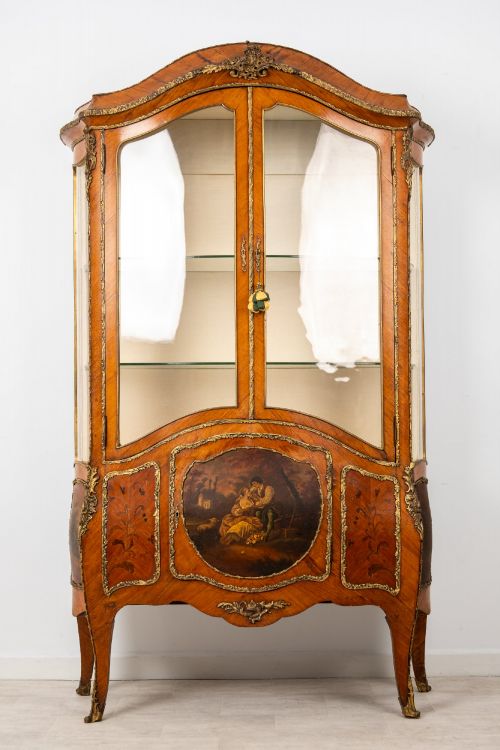
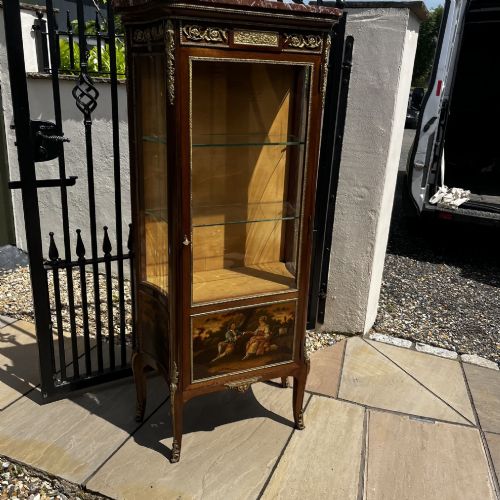
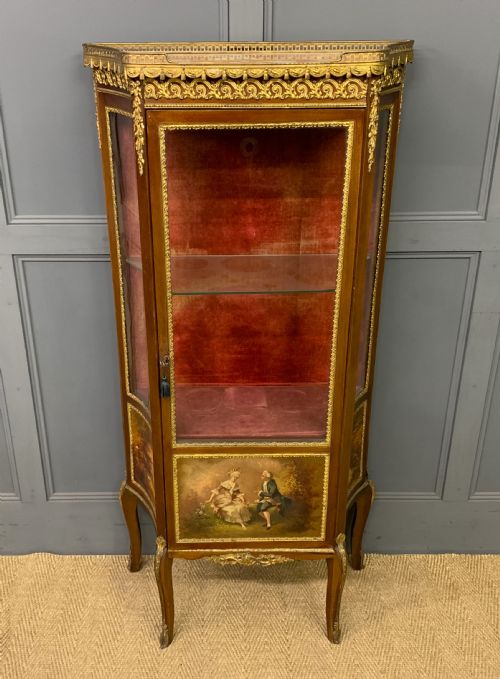
A French painted china cabinet brings decorative hand-painted panels and glazed display space into a room.

French Painted China Cabinet
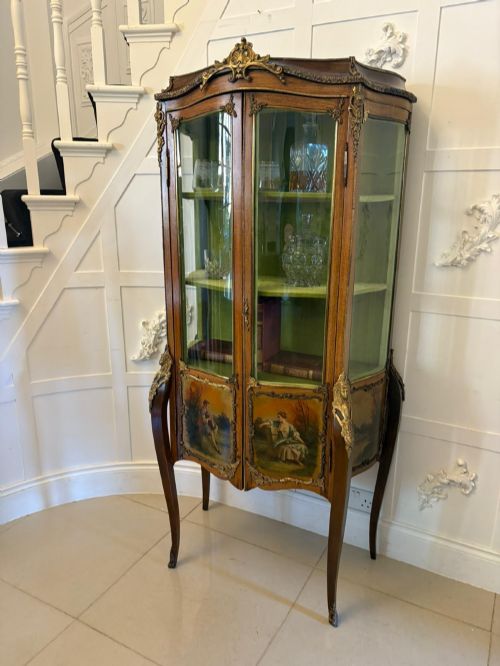
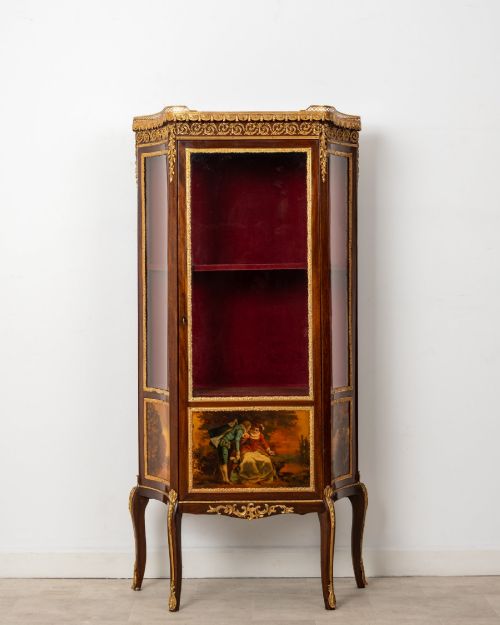
When you search for a french painted china cabinet, you encounter glazed display furniture designed to showcase porcelain, plates and decorative objects. The examples on this page span the nineteenth century and the Edwardian period, drawing on Louis XV and Louis XVI revivals.
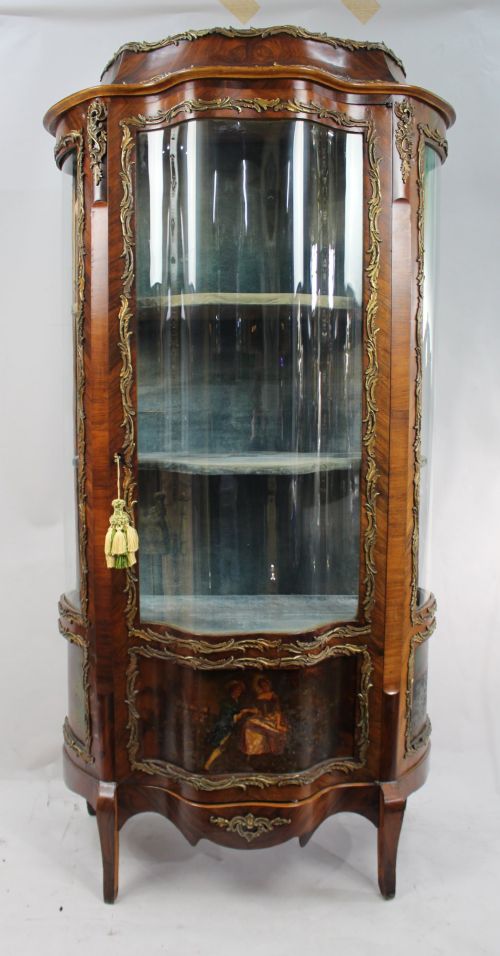
Most pieces take the form of vitrines, freestanding display cabinets and serpentine or bombe cabinets. These items combine glass viewing areas with lower painted panels, often executed in the Vernis Martin manner.
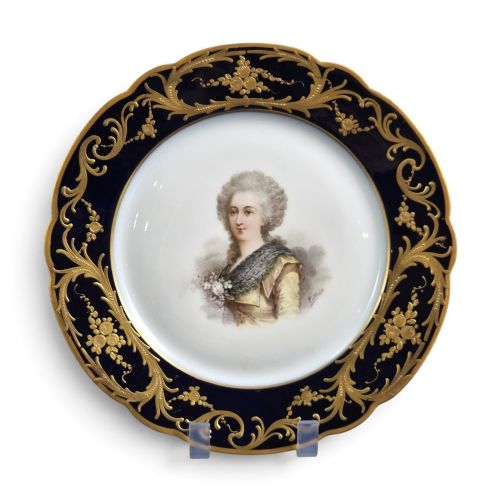
Cabinet plates also appear alongside the larger furniture items, offering hand-painted porcelain from periods including the eighteenth and nineteenth centuries.
How they were made
Cabinet makers utilised foundational timbers such as mahogany and kingwood, frequently pairing them with marquetry and satinwood inlay. Gilt bronze and ormolu mounts provide structural framing and decorative enrichment around glass doors and panel edges.
Painted decoration takes the form of floral motifs and figurative scenes applied in the Vernis Martin tradition, protected by clear varnish layers. Marble tops and velvet or fabric linings complete the interior and exterior construction of the vitrines.
Some cabinets hide their contents behind curved concave glass, playing gentle tricks on the eye of anyone peering in.
What varies in quality
The standard of the hand-painted panels separates standard production from exhibition pieces. Finer cabinets display delicate brushwork and detailed figurative compositions rather than simple floral repeats.
The weight and crispness of the gilt bronze or ormolu mounts indicate the underlying craftsmanship of the piece. Substantial cast bronze mounts and finely figured kingwood or mahogany veneers distinguish the superior examples.
François Linke·Angela Kaufman·Pucher Deroche
The French Painted China Cabinet Glossary
- Vernis Martin
- A type of simulated Japanese lacquer developed in eighteenth-century France and emulated on later display cabinets. It involves layers of translucent varnish over painted scenes.
- Ormolu
- Gilt bronze mounts applied to furniture for decorative effect. These cast metal ornaments highlight the architectural lines of the cabinet.
- Vitrine
- A glass-fronted display cabinet intended for the exhibition of porcelain and precious objects. The term appears interchangeably with display cabinet in these listings.
- Bombe
- A swelling, outward-curving furniture shape associated with eighteenth-century revival styles. Cabinets with this profile require advanced carpentry.
- Kingwood
- A dense, richly figured timber utilised for cabinet veneers during the nineteenth century. Its dark grain provides contrast against gilt mounts and painted panels.
French Painted China Cabinet: Frequently Asked Questions
How do I distinguish Louis XV and Louis XVI styles?
Louis XV style furniture relies on asymmetrical curves, serpentine shapes and exuberant rococo ormolu mounts. The overall profile feels flowing and organic.
Louis XVI style shifts towards neoclassical symmetry, straight tapered legs and geometric or architectural framing elements.
Where were these cabinets placed originally?
These vitrines stood in reception rooms, drawing rooms and parlours to display imported porcelain, cabinet plates and collected curiosities. The glass panels protected delicate items from dust while keeping them visible.
Their decorative painted lower panels allowed the furniture to function as artwork within the room scheme.
What timbers are used in these cabinets?
Makers utilised exotic hardwoods including kingwood and mahogany as veneer surfaces over sturdy internal framing. Satinwood inlay frequently provides contrasting border details.
Gilt bronze or ormolu mounts complete the exterior vocabulary of the timber structure.