
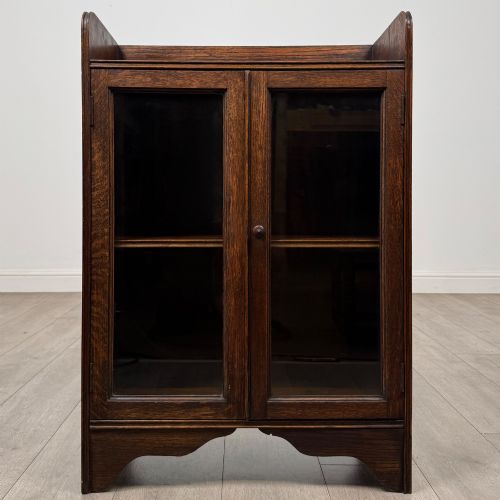
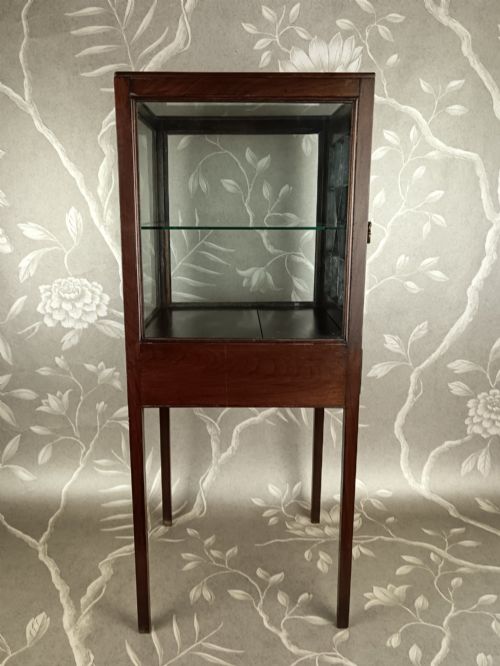
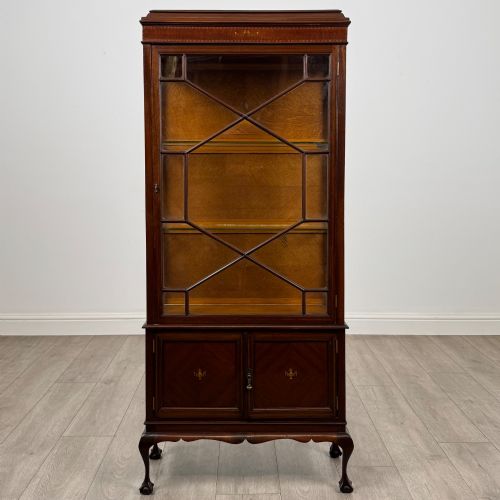
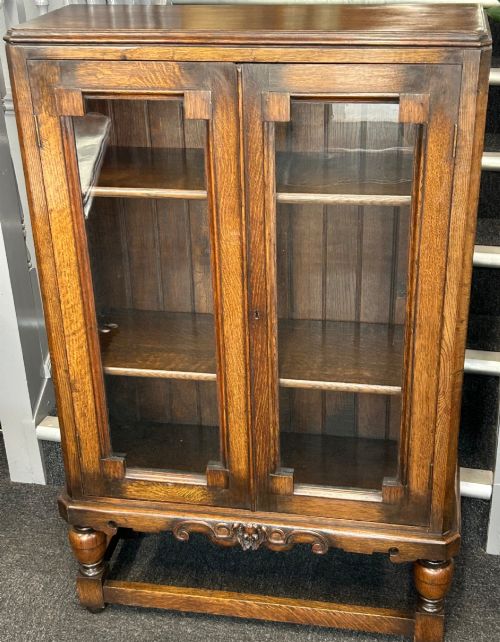


Small Glazed Standing Bookcase
A small glazed standing bookcase offers upright storage and visible display, combining glass panels and timber shelves for everyday use in compact rooms.

Small Glazed Standing Bookcase
When searching for a small glazed standing bookcase, a buyer encounters upright furniture designed to hold books and display objects behind glass doors. The items on this page span several periods, including Georgian, Victorian, Edwardian, and the twentieth century, reflecting varied interpretations of the form.
The most common versions met here include Edwardian and 1900s pieces in mahogany or oak, often incorporating glazed doors, internal shelving, and occasional galleries or inlaid decoration. Forms range from straightforward floor bookcases to display cabinets, vitrines, and music cabinets with glass panels.
Origins vary across English workshop traditions and French production, bringing materials such as satinwood, walnut, and brass alongside the primary woods. Buyers find both dedicated bookcases and hybrid display furniture sharing the essential upright glazed format.
Materials and construction
Makers built these pieces using timbers like mahogany, oak, walnut, and satinwood, frequently selecting figured veneers to enhance visual depth on doors and panels. Glass panels fitted into wooden frames protect the contents while keeping the interior visible.
Construction techniques involve traditional joinery, with brass hardware used for hinges, locks, and handles. Inlaid details and painted finishes appear on specific Edwardian and French examples, adding decorative contrast to the structural wood.
The listings here feature oak, mahogany, walnut, and satinwood, spanning the Georgian, Victorian, and Edwardian eras.
Distinctions in quality
Quality in these pieces rests upon the selection of timber and the precision of the joinery in the frame and doors. Finely figured mahogany or quarter-sawn oak combined with crisp inlay work distinguishes the superior examples from plain utility pieces.
The integration of the glass, the smoothness of adjustable shelf mechanisms, and the refinement of brass mounts separate standard production from more ambitious workshop output.
The Small Glazed Standing Bookcase Glossary
- Glazed
- Fitted with glass panels to enclose the interior. This allows books or display items to remain visible while protected from dust.
- Vitrine
- A glass-fronted cabinet designed primarily for the display of porcelain, curiosities, or fine bindings. These pieces often feature glass on the sides as well as the doors.
- Inlay
- A technique where pieces of contrasting wood or other materials are inserted into depressions in the base wood to form decorative patterns. It is frequently seen on Edwardian and Sheraton Revival pieces.
- Gallery
- A small decorative rail running along the top edge of a cabinet or bookcase. It prevents items placed on top from sliding off.
- Music cabinet
- A specialised upright cabinet containing internal shelves or drawers originally intended for sheet music. Many variants incorporate glass doors and function similarly to small bookcase forms.
Small Glazed Standing Bookcase: Frequently Asked Questions
What is a small glazed standing bookcase?
A small glazed standing bookcase is an upright piece of furniture featuring glass doors and internal shelving, designed to rest on the floor.
These pieces combine the functions of book storage and display, making them suitable for smaller living spaces where floor area is limited.
How were these bookcases used historically?
Historically, these cabinets housed personal libraries, valuable volumes, or decorative collections in domestic interiors. The glass doors kept dust away from paper and bindings while allowing titles to be read from across the room.
Some variants with internal compartments also served for organising music sheets or displaying porcelain.
How do I style a small glazed bookcase in a modern room?
These bookcases work well in studies, living rooms, or hallways where upright furniture fits unused wall space. The glass front keeps the visual weight of the room light while offering functional storage.
Mixing books with small decorative objects behind the glass creates a balanced display that suits both traditional and contemporary interiors.
How can I tell an Edwardian bookcase from a Victorian one?
Edwardian bookcases often feature lighter timbers, satinwood inlay, and delicate proportions inspired by Sheraton Revival styles. Victorian examples frequently utilise darker walnut or mahogany, sometimes incorporating heavier mouldings and bolder carved details.
Examining the secondary woods and construction methods inside the cabinet helps clarify the period of manufacture.