
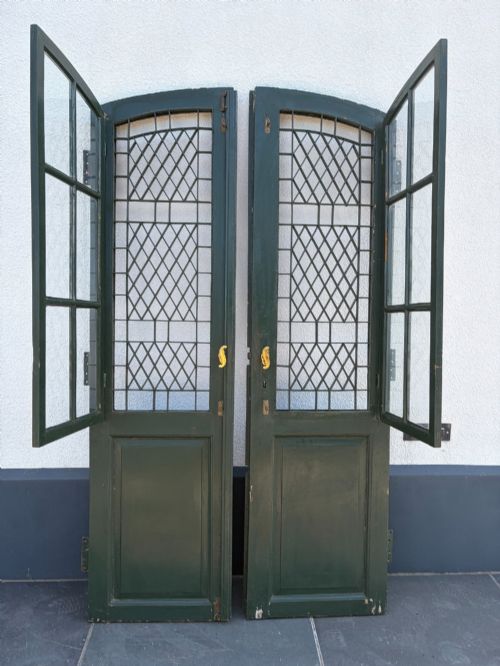
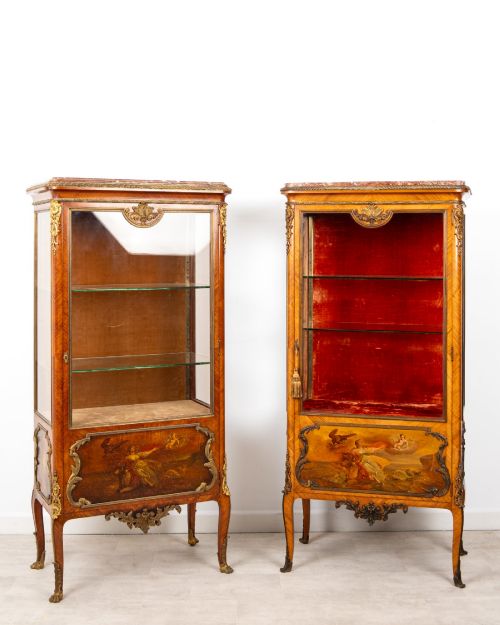
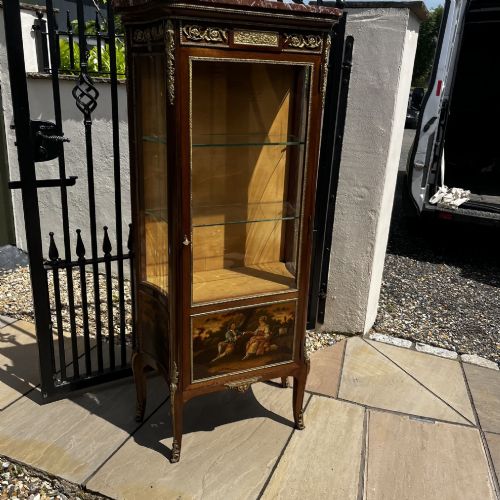
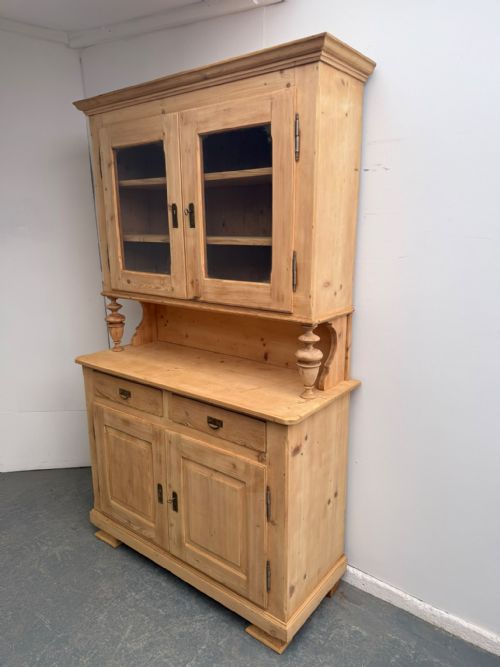


Painted French Glazed Cabinet
A painted french glazed cabinet brings light and colour to a room while holding books, ceramics or collections behind glass.

Painted French Glazed Cabinet
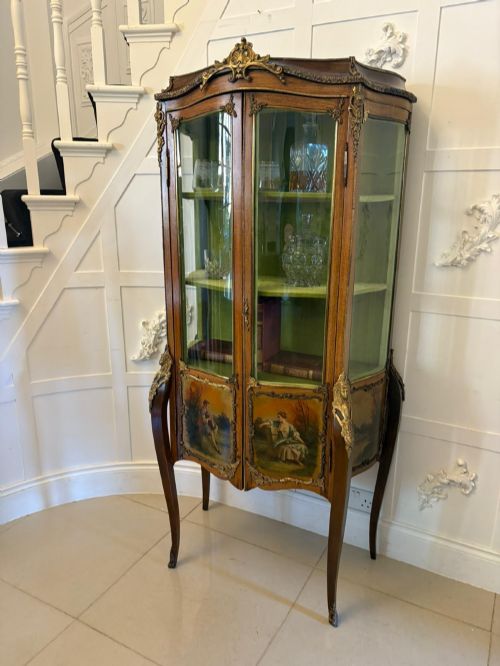
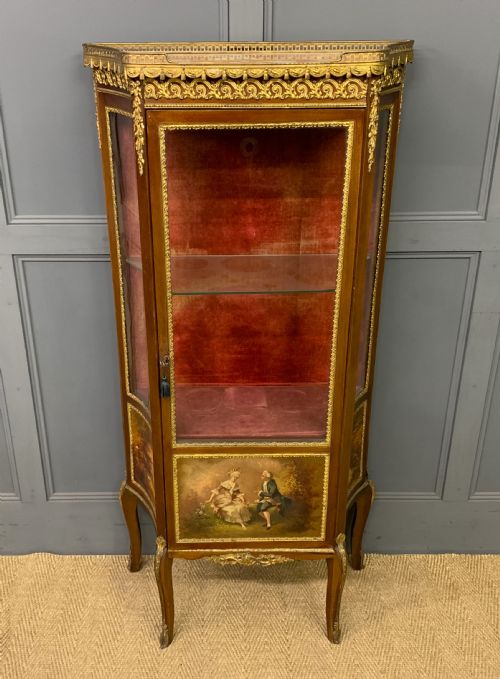
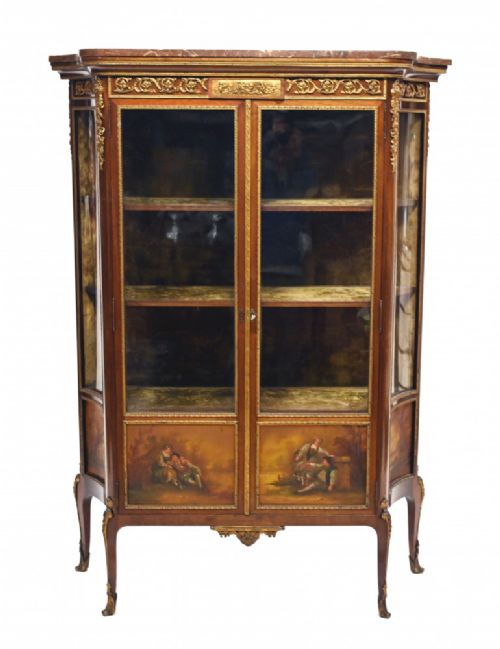
A painted french glazed cabinet combines display glass with decorative painted woodwork, often taking the form of a vitrine, bookcase or display cabinet. These pieces draw on revival styles such as Louis XV, Louis XVI and French Rococo, reflecting continental cabinet-making traditions from the nineteenth and early twentieth centuries.
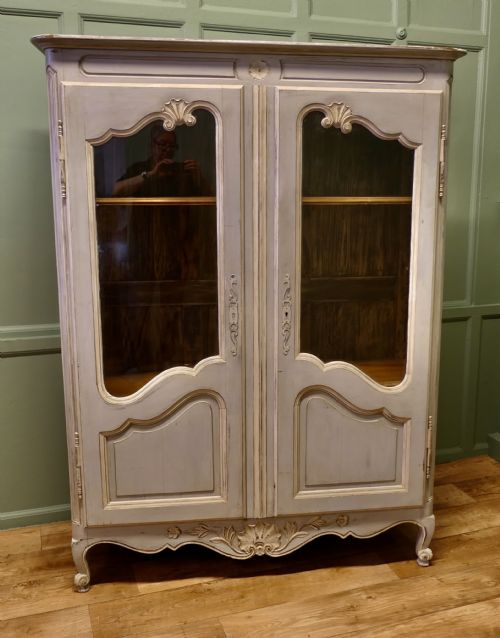
The selection ranges from tall library bookcases and double-door cupboards to smaller wall-hanging vitreens and pier cabinets. Pieces emerge from periods spanning the Victorian era, the Edwardian period, and specific decades between 1870 and 1920.
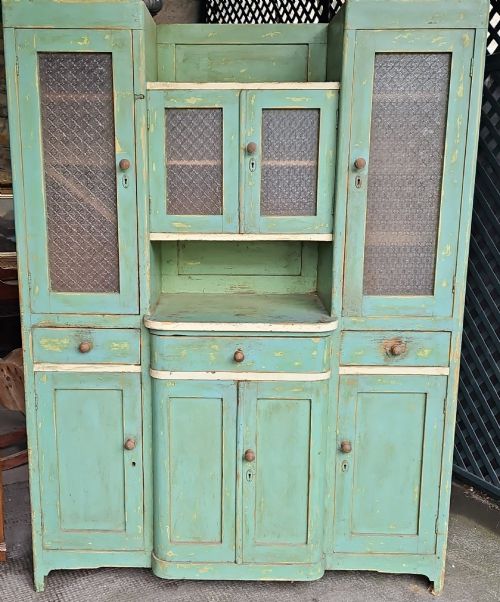
Painted wood finishes dominate, appearing alongside mahogany, kingwood, pine and walnut. Many examples incorporate glazed doors or concave glass panels to showcase objects from multiple angles.
What Varies in Quality
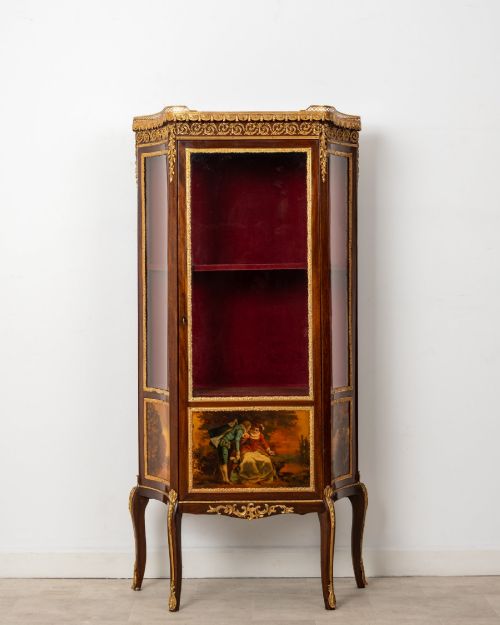
The refinement of the painted panels and decorative Vernis Martin work sets apart finer examples from simpler provincial cupboards. Hand-rendered floral scenes and figurative vignettes demand greater artisan skill than flat, uniform painted coats.
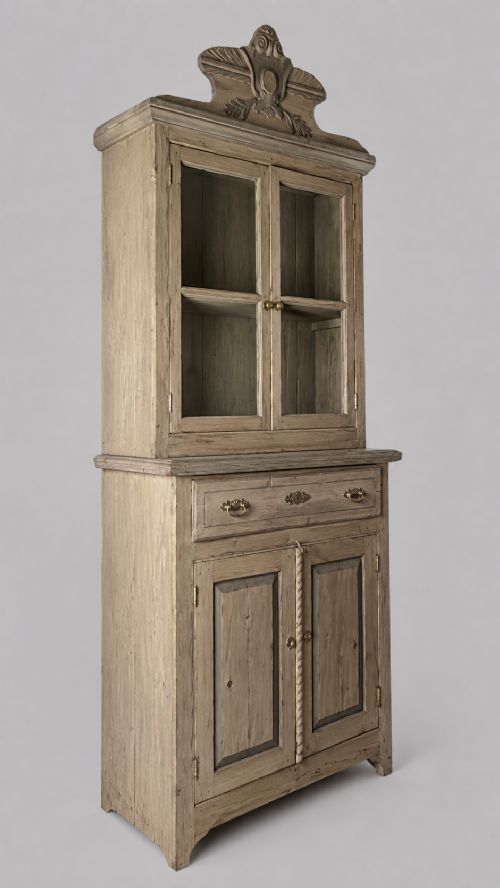
The integration of cast ormolu mounts, bronze enrichment and marble tops indicates the tier of a cabinet. Heavier, finely chased gilt bronze hardware and fitted internal glass shelves separate exhibition-grade vitrines from utility pine pieces.
Cabinets span the 19th century, Edwardian era, and early 20th century, encompassing both grand kingwood vitrines and country pine cupboards.
François Linke
The Painted French Glazed Cabinet Glossary
- Vitrine
- A glass display cabinet designed specifically for showing porcelain, silver and small objets d'art. These pieces often feature glass on the sides as well as the front doors.
- Vernis Martin
- A simulated Japanese lacquer technique developed in eighteenth-century France and emulated in later revival furniture. It uses layers of translucent varnish over painted scenes to create a glossy, luminous finish.
- Ormolu
- Gilded bronze mounts applied to the corners, feet and pediments of fine cabinet work. The metal is cast and chased by hand before receiving a gold wash.
- Kingwood
- A dense, richly figured tropical timber used as a veneer on high-end nineteenth-century furniture. It is prized for its dark violet-brown grain contrasted with golden stripes.
Painted French Glazed Cabinet: Frequently Asked Questions
How do I clean the glass panels?
Use a soft microfibre cloth and a mild glass cleaning solution applied directly to the cloth rather than the wood. This prevents moisture from damaging painted surfaces or ormolu mounts near the edges.
Take care around hand-painted panels and gilt areas, ensuring liquid does not seep into hairline cracks in the varnish.
Can I adjust the internal shelves?
Many display cabinets and bookcases feature adjustable wooden or glass shelving systems. Traditional rack-and-pinion mechanisms or wooden support strips allow shelves to move up and down.
Check the internal supports carefully before loading heavier books or ceramic collections onto the upper tiers.
How do I identify a Vernis Martin finish?
Vernis Martin surfaces display a deep, translucent gloss built up through multiple layers of spirit varnish over hand-painted pastoral or floral scenes. The finish often shows a fine network of age crazing under close inspection.
Unlike modern lacquer, genuine period examples reveal subtle brushwork and depth beneath the glassy outer coat.
Where should I place a cabinet in my room?
Position the piece away from direct sunlight and strong heat sources to protect the painted wood, delicate varnishes and timber veneers. Consistent indoor temperatures prevent the wood and glue joints from drying out.
Ensure the floor is level so the glazed doors hang true and latch correctly without binding against the frame.