


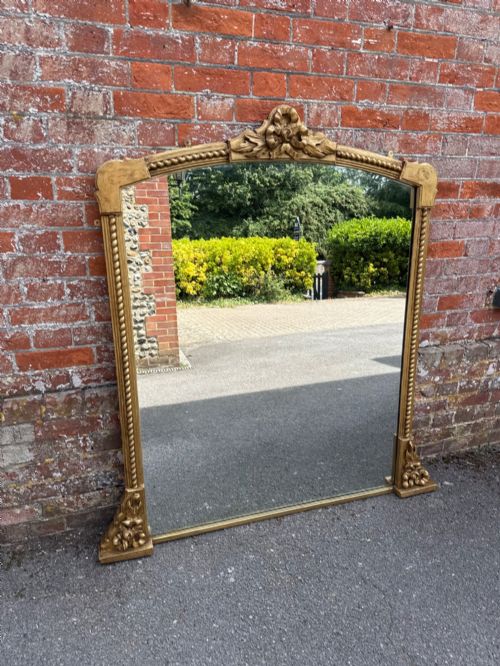
French Overmantle Mirror
A french overmantle mirror brings monumental presence and reflecting light above a fireplace, anchoring a room with period proportion.
French Overmantle Mirror
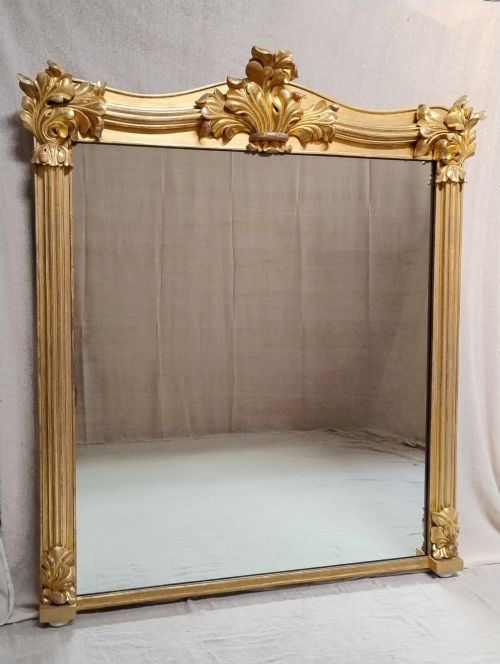
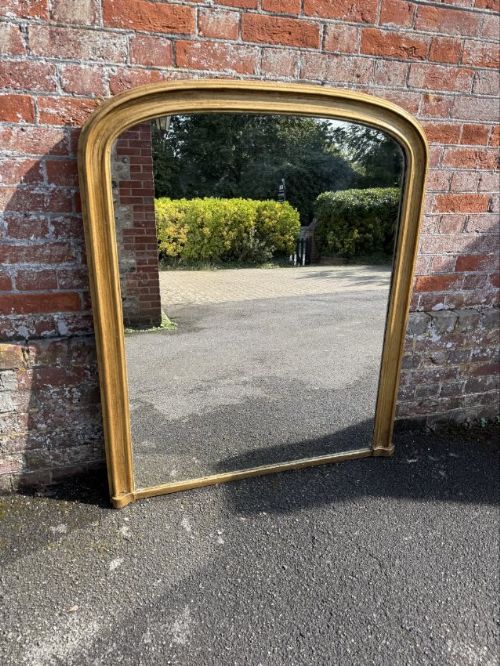
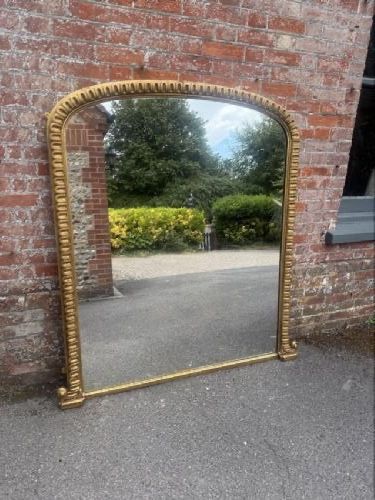
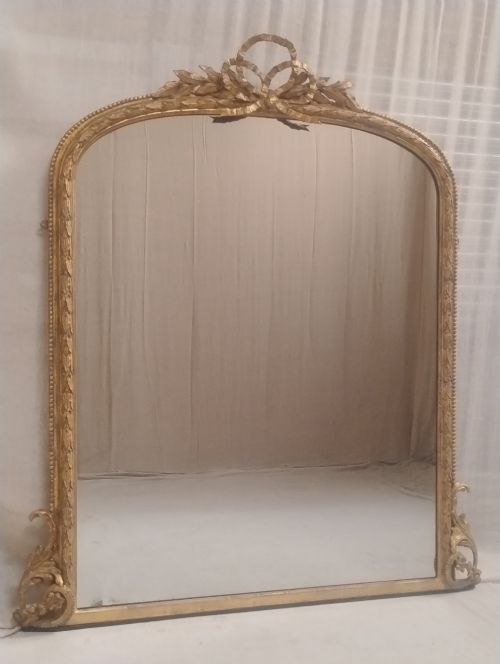
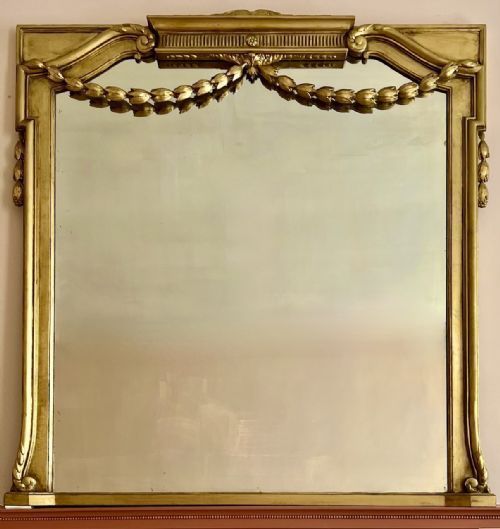
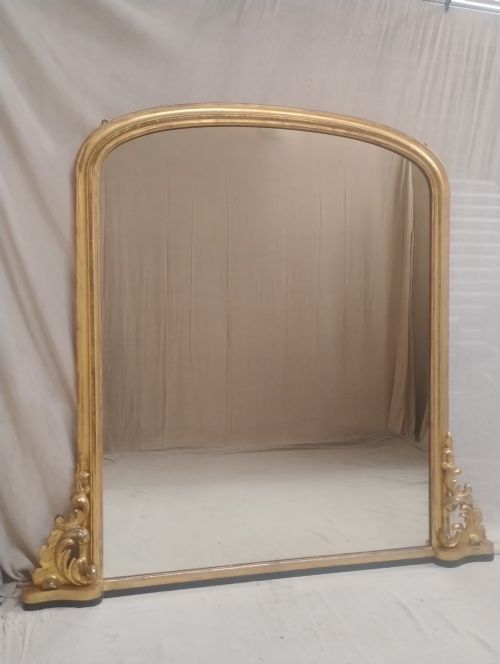
A french overmantle mirror is a large wall glass designed historically to sit on the mantel shelf above a fireplace, reflecting warmth and illumination into the interior. These pieces date predominantly from the nineteenth century, encompassing Victorian interpretations alongside continental Louis Philippe and Rococo Revival forms.
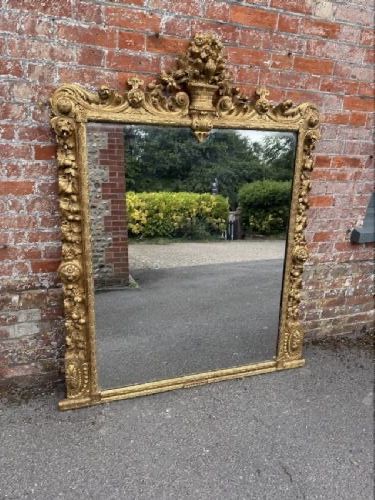
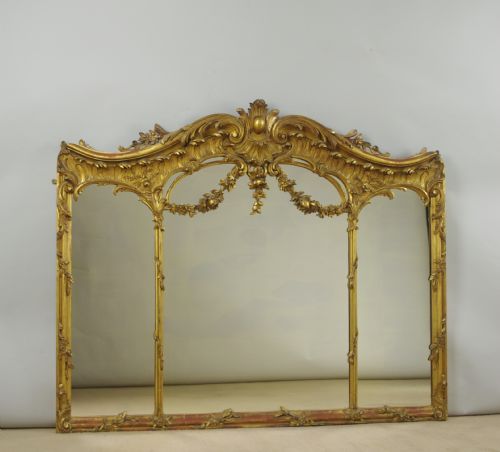
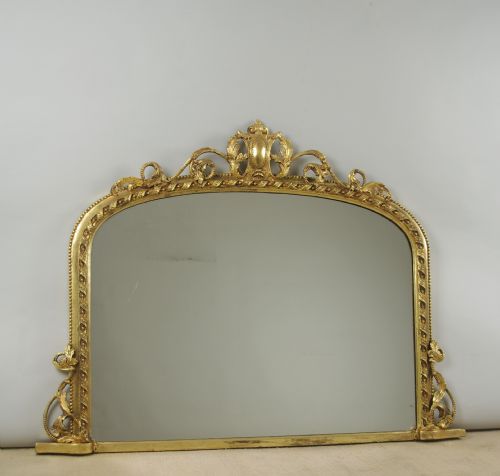
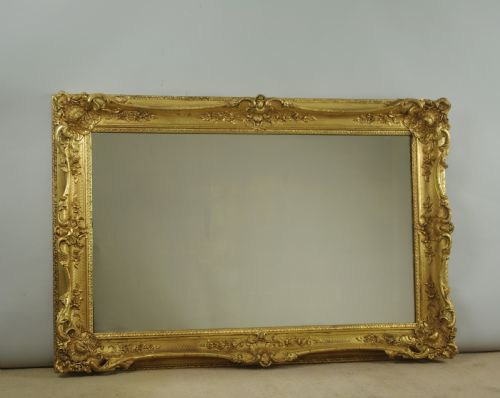
The format typically spans tall arched profiles, rectangular shapes, and triple-plate configurations built to command the chimney breast. Surviving examples reflect origins in French chateaux and salons, executed in formats from simple painted pine to deeply carved giltwood.
How They Were Made
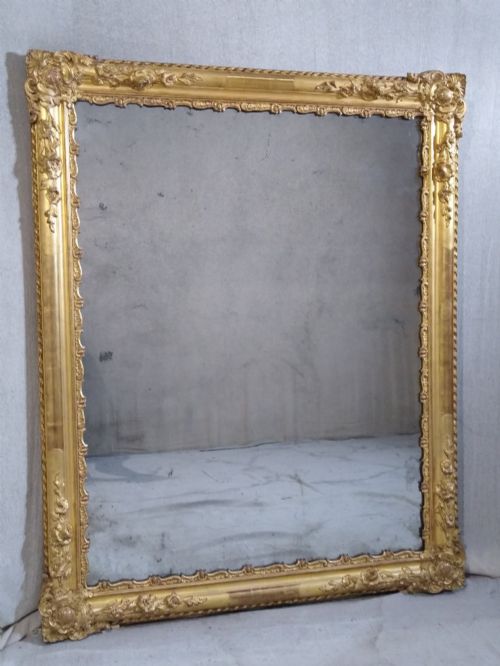
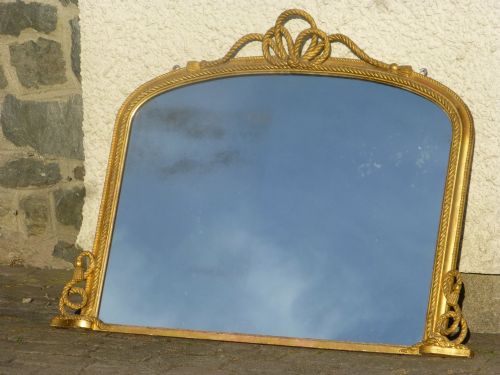
Frames are constructed from carved wood, frequently layered with gesso to build up high-relief scrollwork, rope twists, and neoclassical moulding before gilding or painting. Artisans applied gold leaf or composition ornament directly onto the prepared wooden structure.
Glazing relies on mirror glass, occasionally retaining original mercury plates or silvered surfaces that show gentle age and foxing. The heavy plates are secured within rebated frames and backed with timber panels.
Some nautical overmantel frames sport a rope twist, letting you bring seafaring knots to your living room fireplace.
What Varies in Quality
The distinction between tiers rests upon the crispness of the hand-carved wood and gesso ornamentation rather than moulded composition substitutes. Superior examples maintain deep relief, sharp botanical or scroll motifs, and intact original gilding.
Proportion and scale dictate desirability, with taller or wider triple-plate formats demanding greater joinery skill to remain stable. The preservation of original glass plates and uncompromised structural joints further separates standard items from exceptional ones.
The French Overmantle Mirror Glossary
- Overmantel
- A mirror or decorative piece specifically proportioned to hang on the wall directly above a mantelpiece. These items were designed to complement the architecture of the hearth.
- Gesso
- A plaster-like mixture applied to wood frames and carved or moulded into decorative relief before gilding. This material allowed makers to achieve intricate surface ornamentation.
- Giltwood
- Timber coated with gold leaf or metallic powder applied over a prepared ground. It provides a luminous, reflective finish characteristic of formal period interiors.
- Louis Philippe
- A mid-nineteenth-century French style characterised by understated elegance, gently rounded top corners, and minimal ornamentation. This aesthetic favours clean architectural lines over excessive scrollwork.
- Mercury Glass
- Mirror plate manufactured using a tin-and-mercury amalgam backing popular before the widespread adoption of modern silver nitrate solutions. It produces a characteristic mottled, softly reflective appearance.
French Overmantle Mirror: Frequently Asked Questions
How do I hang a heavy overmantle mirror?
These mirrors carry significant weight due to their dense timber frames and thick glass plates, requiring secure attachment directly into structural wall studs or masonry using heavy-duty brackets.
Professional installation is recommended to distribute the load safely and protect the historic frame from undue stress.
Can these mirrors stand on a mantelpiece?
Many examples are designed to rest their weight directly upon the shelf of the fireplace while being anchored to the wall above for stability. This dual support method follows historical placement practices.
Weight distribution must be checked carefully against the strength of the mantel shelf before resting the frame.
How do I clean antique mirror glass?
Surfaces should be dusted gently with a dry microfibre cloth to remove loose particles without disturbing fragile edges or aged silvering. Liquid cleaners must be avoided, as moisture can seep behind the plate and damage original backing.
Special care is required for antique mercury glass to preserve its characteristic patina and prevent further oxidation.
What is the difference between Louis Philippe and Rococo styles?
Louis Philippe frames feature restrained, curved upper corners and clean lines that suit simpler interior schemes. Rococo Revival pieces display exuberant, asymmetric scrollwork, floral motifs, and high-relief gesso ornamentation.
Choosing between them depends on whether the room calls for architectural serenity or dramatic, ornate focal points.