


French Ormolu Timepiece
A French ormolu timepiece brings domestic grandeur to a mantelpiece, combining gilt metalwork with precise timekeeping.
French Ormolu Timepiece
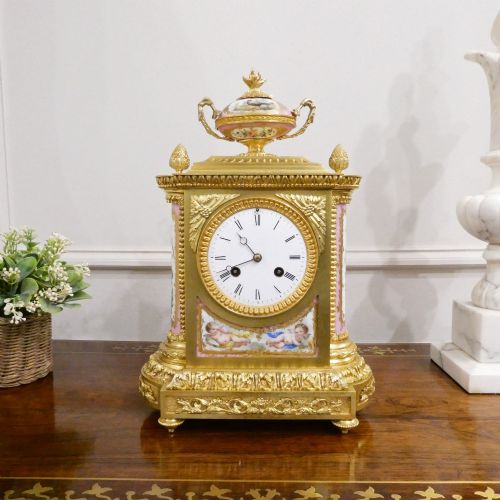
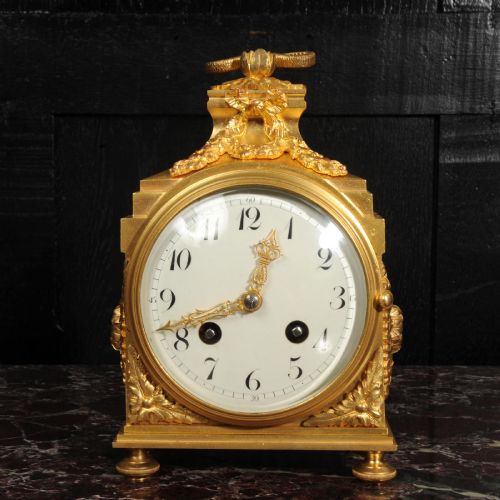
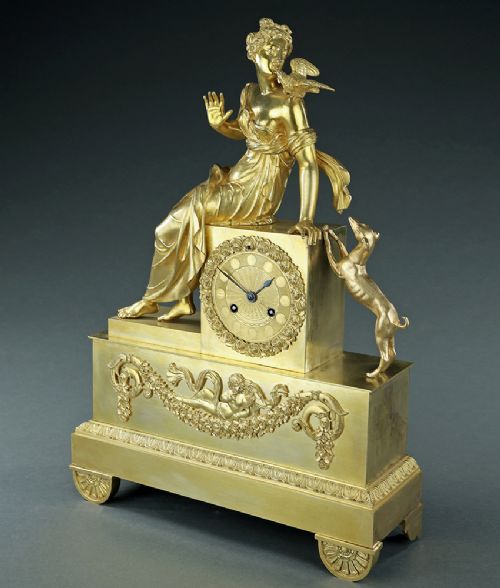
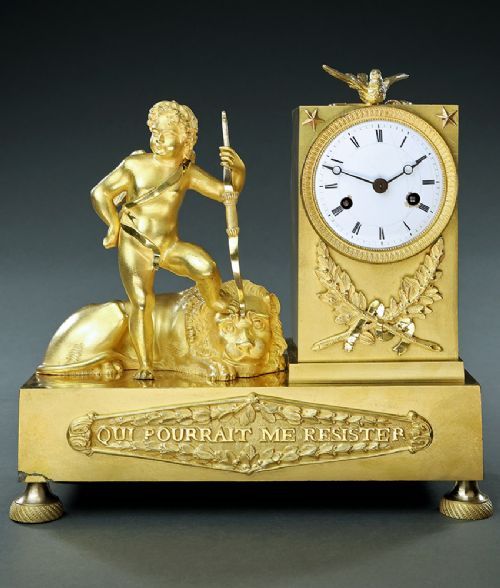
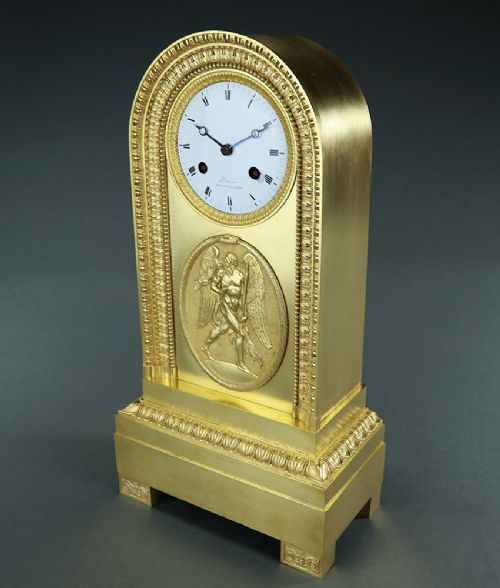
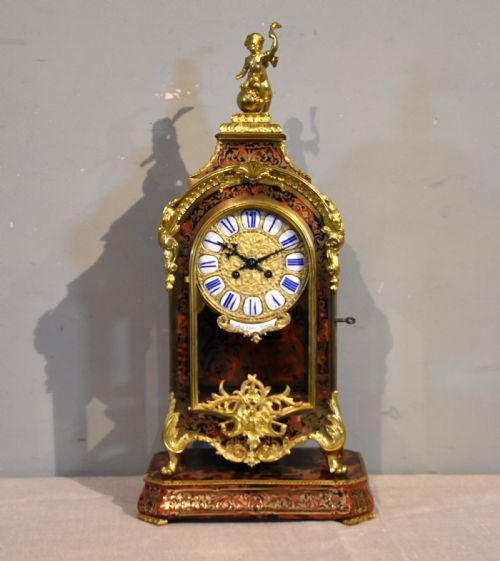
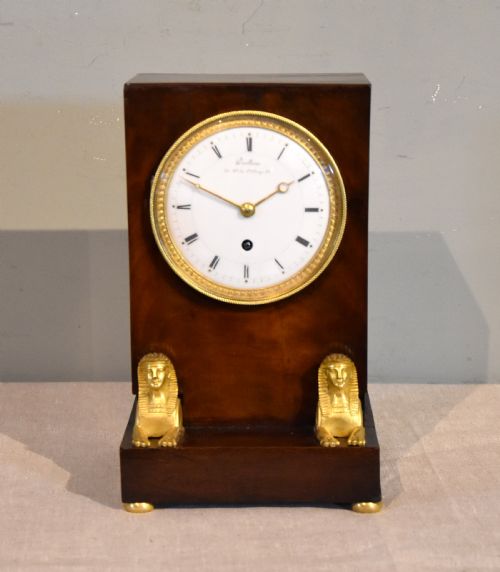
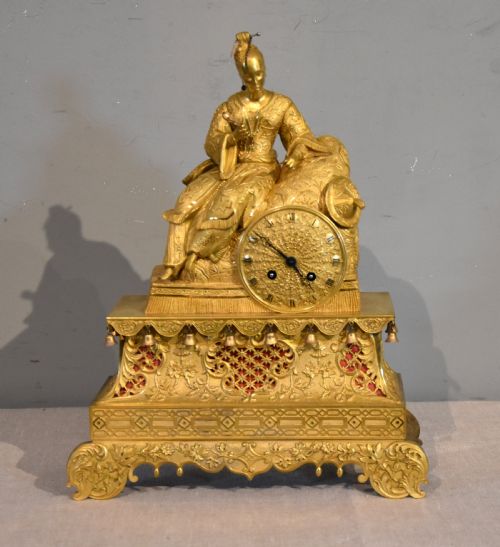
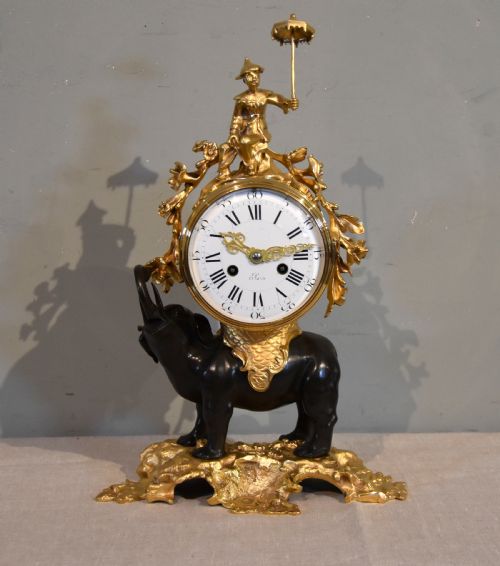
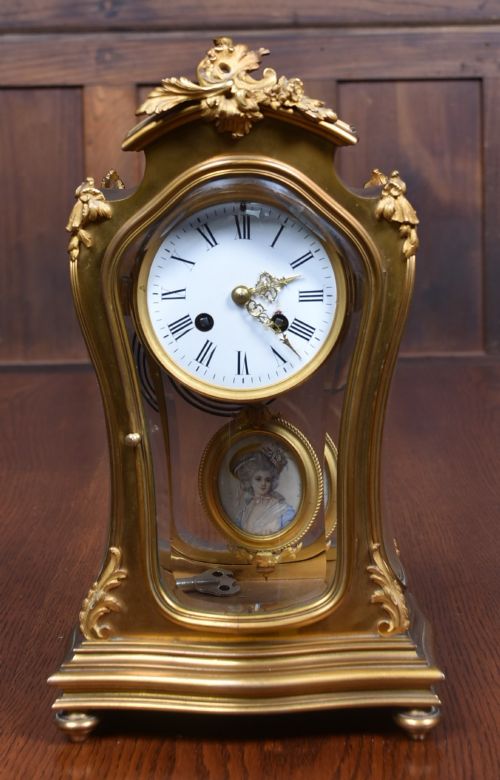
A French ormolu timepiece is primarily found in mantel clock and table clock forms, dating from the nineteenth century with occasional pieces reaching into the Regency and Victorian eras. These decorative objects display styles ranging from French Empire and French Rococo Revival to Louis XVI Revival.
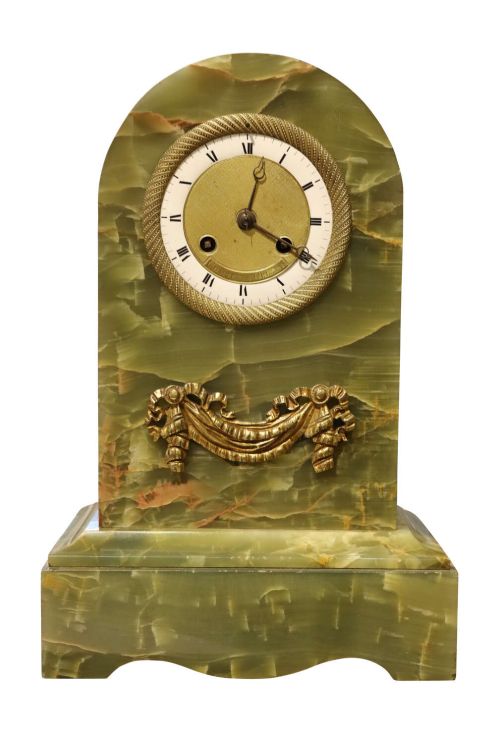
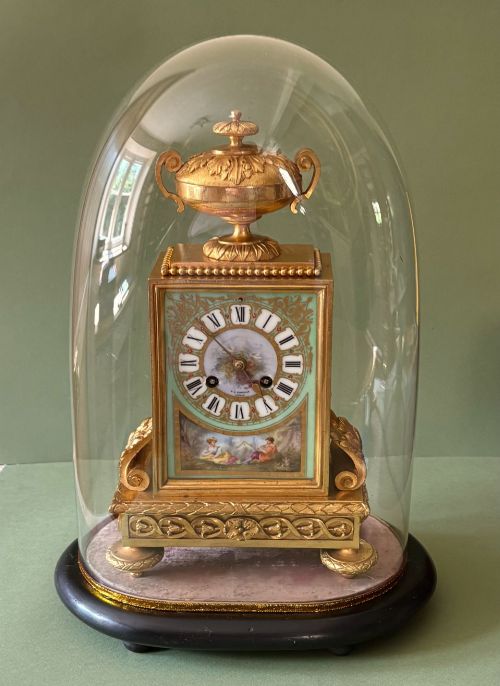
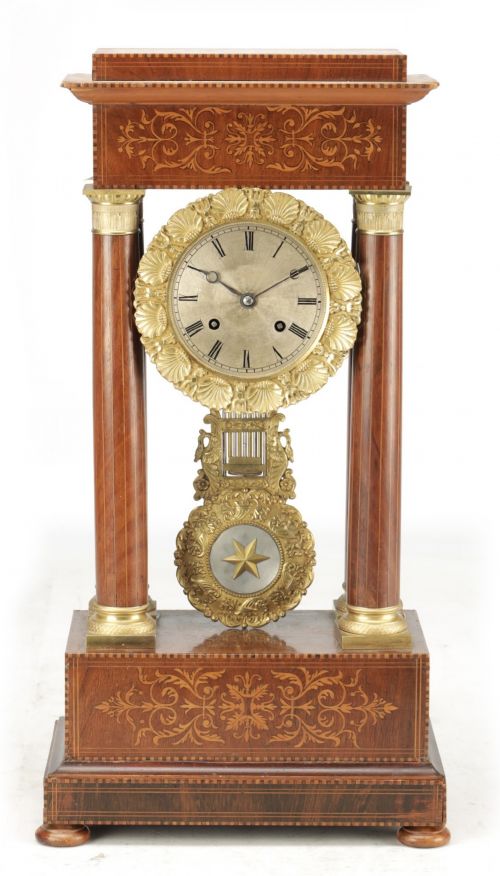
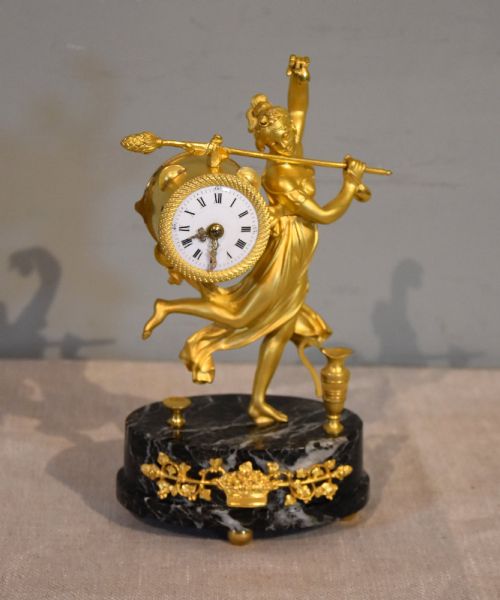
Buyers encounter architectural portico clocks, figural subjects depicting love and fidelity, and heavy marble or onyx cases mounted in gilt bronze. Many examples integrate porcelain panels or enamel dials alongside patinated bronze figures and tortoiseshell or mahogany bodies.
How they were made
The construction relies on fire-gilded bronze, known as ormolu, combined with structural elements of brass, marble, onyx, and exotic woods such as rosewood and mahogany. Case makers cast the metal mounts in intricate decorative forms before applying mercury gilding to achieve a deep, lustrous golden surface.
Clockmakers integrated enamel dials, often featuring hand-painted details, alongside specialised movements like fusee mechanisms. These metal and mineral components were assembled with porcelain plaques and glass panels to create balanced architectural and figural mantel pieces.
What varies in quality
The distinction between tiers of these timepieces rests on the crispness of the bronze casting and the depth of the mercury gilding. Finer examples display sharp chisel work on the ormolu mounts, where hand-finishing defines the foliage and figural details rather than leaving them soft from the mould.
Quality also depends on the integration of materials, such as heavy marble bases, hand-painted porcelain panels, and signed movements by known makers. Superior pieces maintain harmony between the clock case and the dial, utilising matching components and robust internal mechanisms.
Jean Baptiste Delettrez·Charles a Orleans·Le Roy Paris·Jollet et Cie·Samuel Marti·Japy Frres
The French Ormolu Timepiece Glossary
- Ormolu
- Gilt bronze produced by applying a mixture of gold and mercury to a bronze base and heating it until the mercury vaporised. This historic technique leaves a distinctive matte and burnished golden finish.
- Portico clock
- An architectural style of clock featuring a central dial suspended within a frame supported by four columns. These pieces often incorporate mahogany, rosewood, and delicate brass inlay.
- Fusee
- A conical pulley used in clock movements to maintain even drive force as the mainspring unwinds. This mechanism improves the timekeeping accuracy of the clock.
- Champleve
- An enamelling technique where troughs are dug into the surface of the metal and filled with vitreous enamel powder before firing. It appears frequently on late nineteenth-century clock mounts.
French Ormolu Timepiece: Frequently Asked Questions
How do I wind these clocks?
Winding typically involves using a matching key inserted into the winding holes on the enamel dial to tension the mainspring. Care must be taken not to overwind the mechanism.
Many nineteenth-century movements require a gentle setting of the hands and occasional professional servicing to ensure the gear train operates smoothly.
How do I tell Empire style from Rococo?
Empire style clocks, dating from the early nineteenth century, display symmetrical, classical architecture with motifs derived from ancient Rome and Greece. They often feature dark patinated bronze paired with bright ormolu mounts.
Rococo revival pieces, popular later in the century, embrace asymmetrical curves, C-scrolls, naturalistic foliage, and exuberant shell motifs. Their gilt bronze frames twist and flow without strict geometric balance.
Where should I place a marble clock?
Marble and ormolu clocks require a sturdy, level surface such as a heavy mantelpiece, sideboard, or console table capable of supporting their substantial weight. Keeping them away from direct sunlight and damp environments preserves the enamel dials and gilt surfaces.
Stable placement also ensures the pendulum hangs vertically, allowing the escapement to beat evenly and keep correct time.