


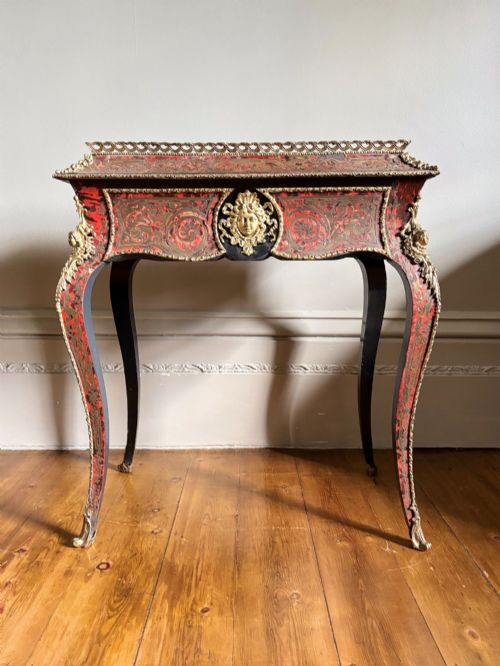
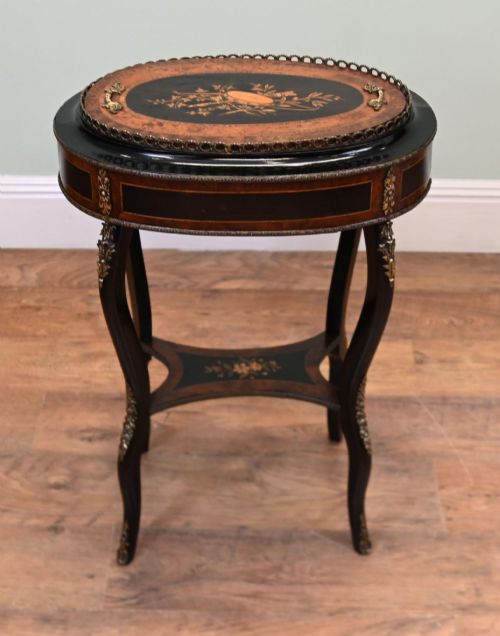

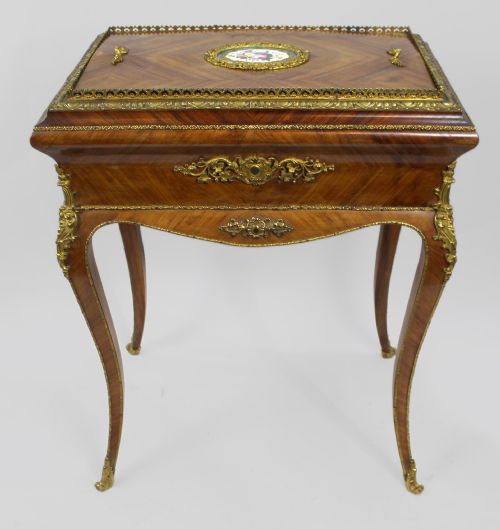
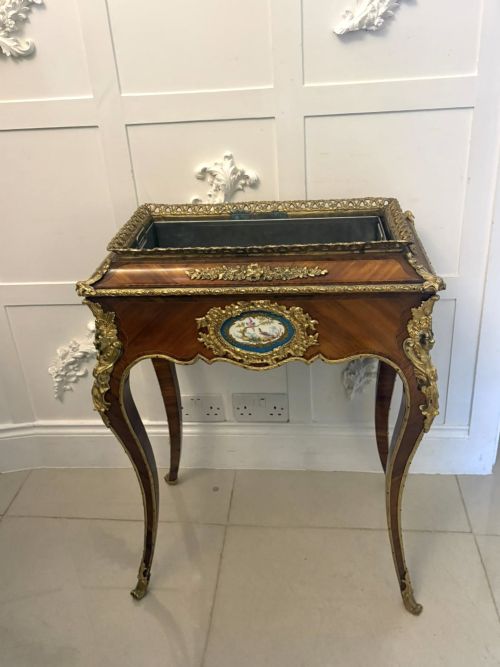
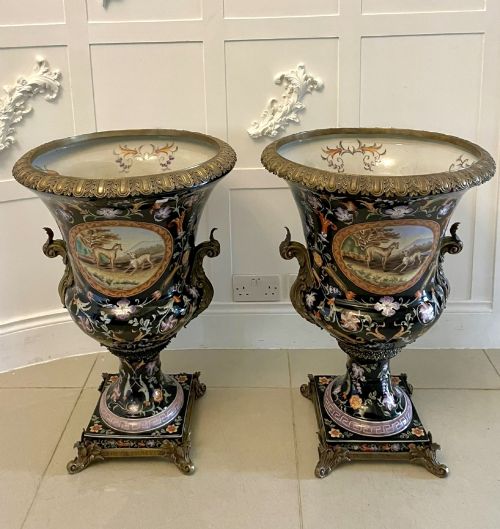
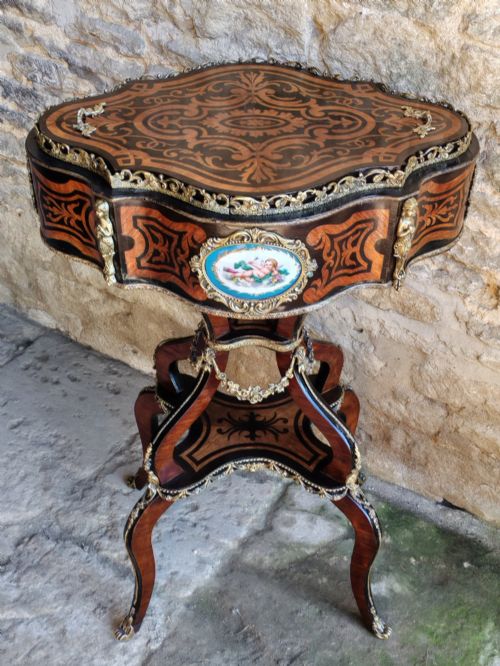

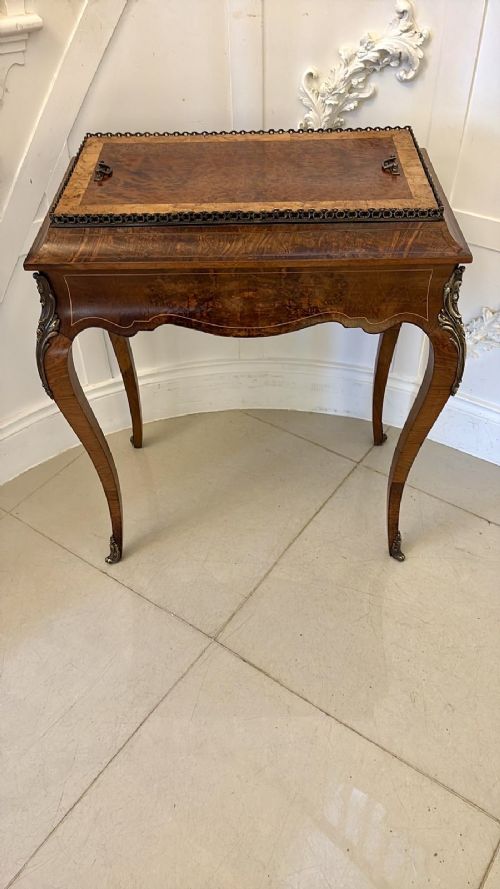


French Ormolu Planters
French ormolu planters bring nineteenth-century salon elegance indoors, offering ornate gilt mounts and fine timbers designed to house botanical displays.
French Ormolu Planters
When you search for French ormolu planters, you are looking at decorative vessels and stands created during the nineteenth century to hold plants and flowers within domestic interiors. These pieces appear in forms ranging from tabletop urns to freestanding side tables, jardinière stands, and wine coolers.
You are most likely to meet pieces dated across the Victorian era, alongside specific decades from eighteen-fifty to nineteen-hundred, reflecting the revival styles popular during the period.
The objects frequently combine functional metal liners with elaborate wood marquetry, porcelain plaques, or ceramic bodies designed to complement period reception rooms.
Materials and Construction
Maker's workshops built these planters using a foundation of hardwoods such as walnut, burr walnut, kingwood, mahogany, and ebonised wood, frequently decorated with marquetry or exotic wood inlays.
Gilding techniques applied to bronze and brass produced the characteristic ormolu mounts, which were chased and fitted around porcelain panels, ceramic bodies, and cut glass.
Many examples incorporated metal inserts or liners to protect the wooden structures and inlaid surfaces from moisture damage associated with live plants.
French Ormolu Planters Retail Price Guide 2026
Typical asking prices for french ormolu planters among the pieces listed under this phrase on Sellingantiques today, from the lower quarter to the upper quarter. They describe what is for sale here now, not the wider market.
Many nineteenth-century planters moonlighted as wine coolers, proving that Victorian ferns and champagne bottles shared the exact same social calendar.
Standards of Manufacture
The precision of the metal chasing on the ormolu mounts separates standard production from finer examples, with crisp detailing and heavy casting indicating superior workshop standards.
The complexity of the timber preparation, particularly in burr walnut, marquetry, and Boullework inlay, dictates the sophistication of the piece.
The integration of hand-painted porcelain plaques or cloisonné enamel elements elevates the decorative ambition of the stand.
The French Ormolu Planters Glossary
- Ormolu
- Gilt bronze or brass mounts applied to furniture and decorative objects. This technique creates a rich golden finish characteristic of French revival furniture.
- Jardiniere
- A decorative pot or stand designed to hold plants or flowers. These items often double as wine coolers or side tables.
- Boulle
- A form of marquetry using brass and tortoiseshell inlaid into dark woods. It appears frequently on nineteenth-century French stands.
- Marquetry
- Patterns of wood veneers applied to a furniture structure to create pictorial or geometric designs. Craftsmen utilised various exotic timbers for contrast.
- Majolica
- Tin-glazed earthenware popular during the nineteenth century. It provides colourful ceramic bodies for mounted urns and planters.
French Ormolu Planters: Frequently Asked Questions
What is a French ormolu planter?
A French ormolu planter is a nineteenth-century decorative vessel or stand adorned with gilt bronze mounts designed for indoor horticulture.
These pieces range from table urns to freestanding marquetry tables with metal liners.
How were these planters used?
They were placed in nineteenth-century drawing rooms to display potted plants or fresh floral arrangements during social gatherings.
Many designs doubled as wine coolers, cellarettes, or decorative side tables when not holding foliage.
What timbers do these pieces use?
Craftsmen utilised European and exotic hardwoods including walnut, burr walnut, kingwood, satinwood, and mahogany.
These woods often featured contrasting marquetry, parquetry, or ebonised finishes.
How do I identify Napoleon III pieces?
Napoleon III pieces date from the mid-nineteenth century and typically display opulent revival styling, heavy ormolu mounts, and intricate Boullework.
They reflect the eclectic taste of the Second French Empire.
Can I use them for real plants?
Most antique planters contain removable metal liners intended to hold moisture away from the timber structure.
Careful placement and waterproof saucers protect the historic wood and marquetry from water damage.