

French Ormolu Mirror
A french ormolu mirror brings unmistakable nineteenth-century grandeur to a room, combining cast bronze mounts with polished glass.
French Ormolu Mirror
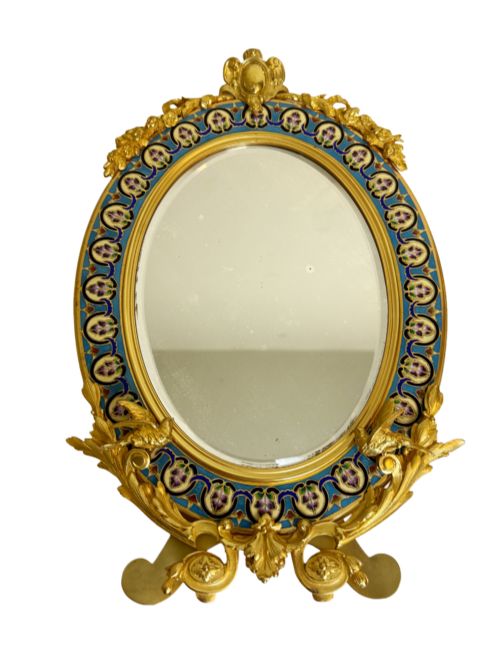
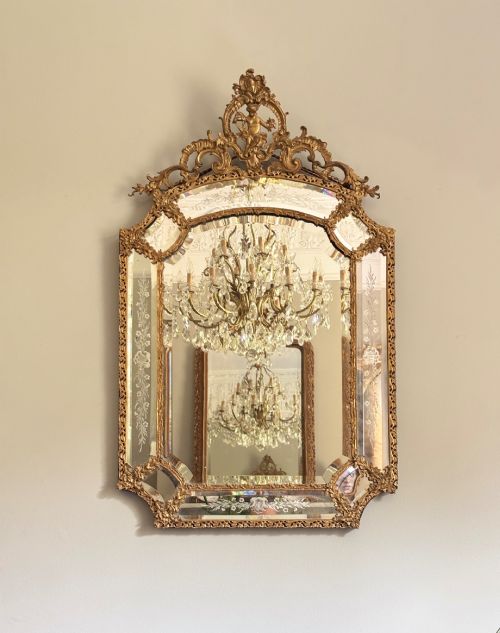
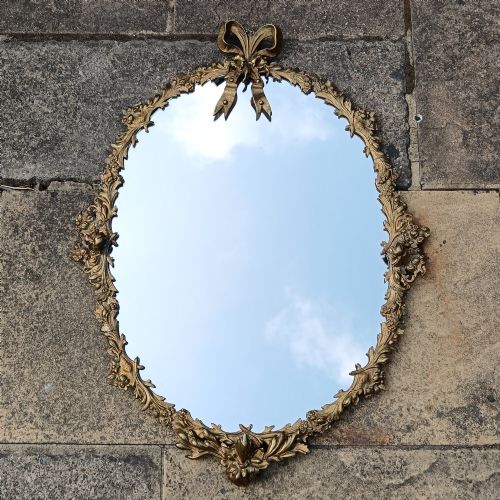
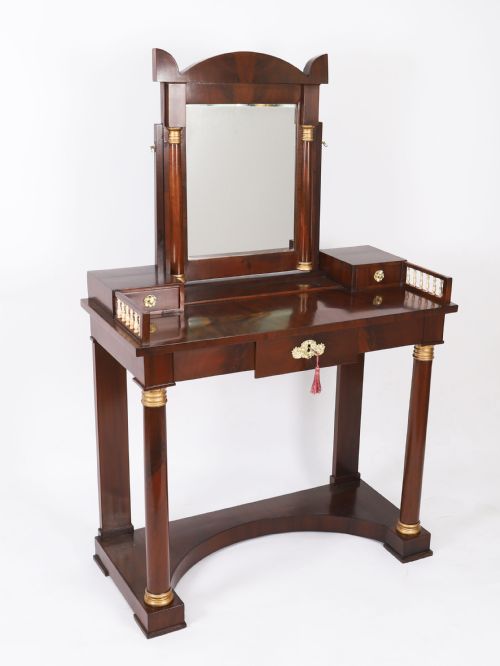
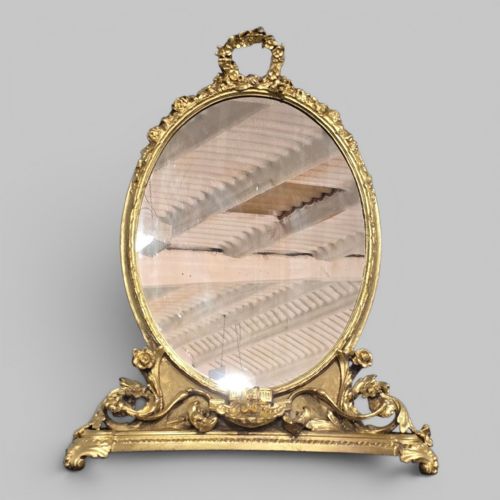
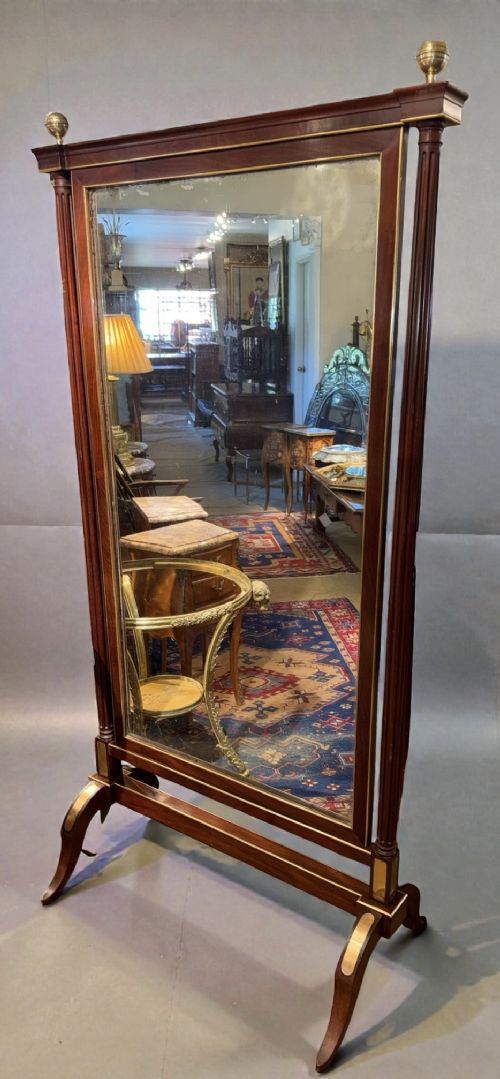
A french ormolu mirror combines mercury-gilded or brass mounts with timber or bronze frames, originating primarily across the nineteenth century. Buyers examine pieces ranging from small toilet and dressing table mirrors to large wall mirrors, cheval glasses, and overmantle designs.
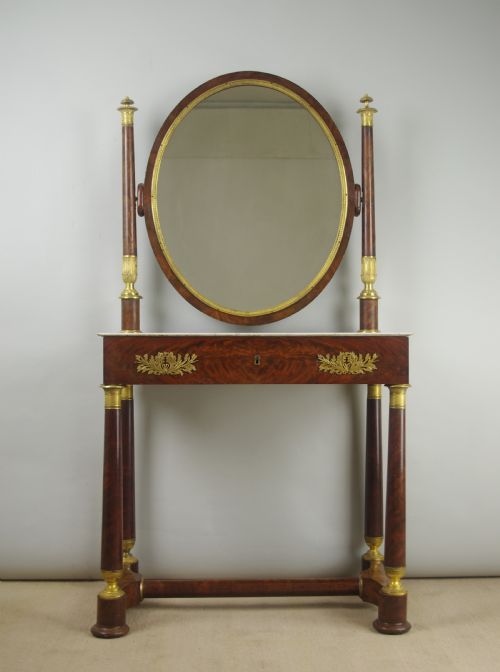
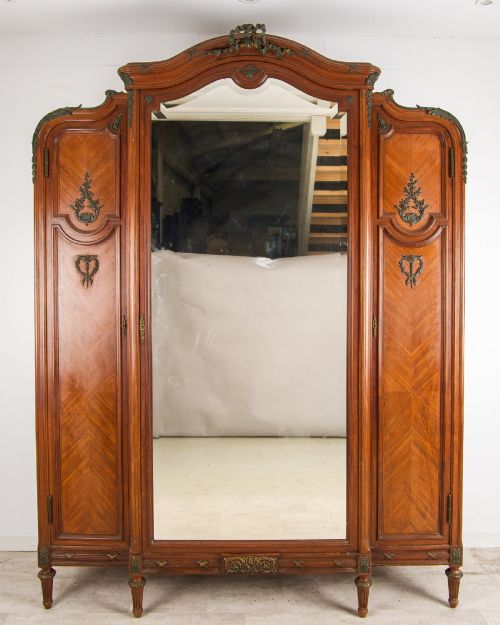
The aesthetic leans heavily toward revival styles, notably Louis XV rococo, Louis XVI classical symmetry, and French Empire grandeur. Pieces frequently incorporate mahogany, walnut, kingwood, or marble elements alongside the characteristic metal ornamentation.
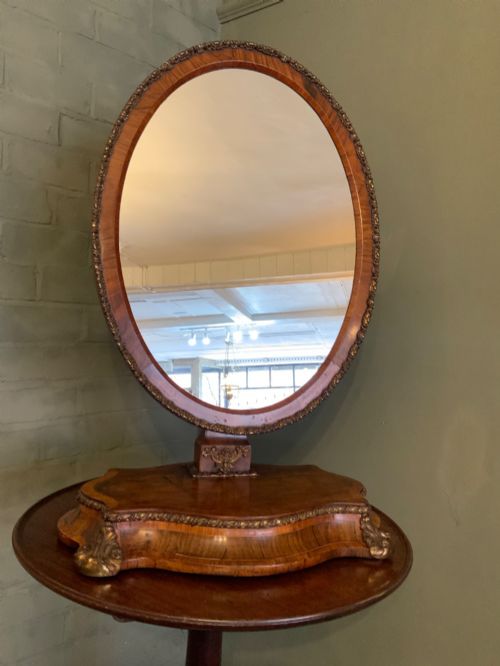
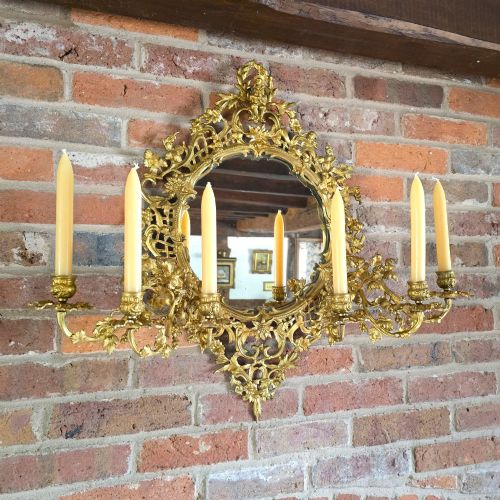
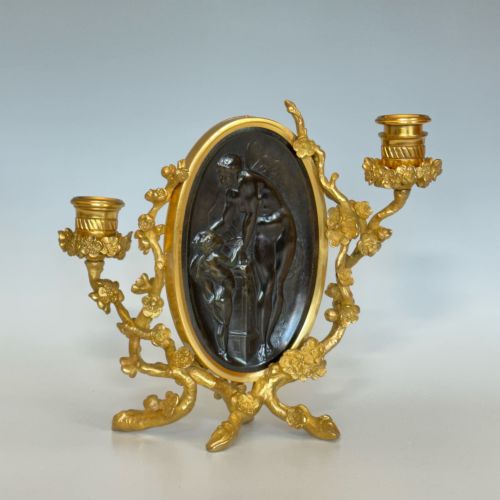
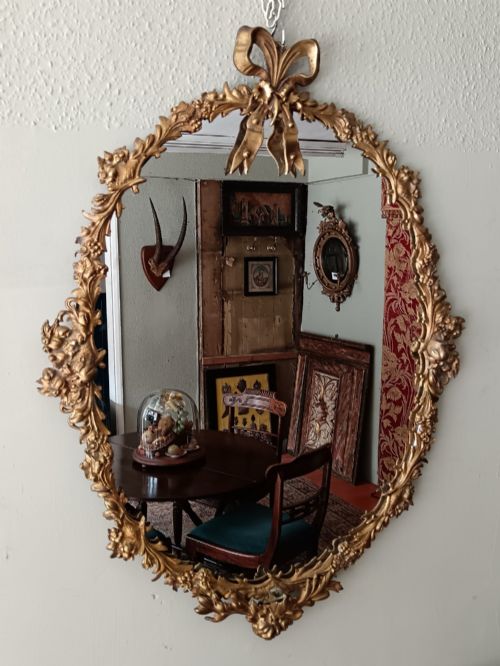
Tabletop versions and easel mirrors appear alongside monumental architectural wall pieces equipped with candelabra branches or detailed floral scrollwork. These items serve both functional vanity purposes and decorative display within period interiors.
How They Were Made
The metal mounts rely on bronze or brass cast via traditional foundry methods, subsequently finished with mercury gilding or gold plating to create the characteristic ormolu surface. Artisans chased these metal components by hand to sharpen details in acanthus leaves, cherubs, and asymmetrical scrolls before securing them to the wooden frames with tiny screws or pins.
Frames utilise dense hardwoods such as mahogany, walnut, and kingwood, often shaped into serpentine or curved outlines that mirror the metalwork contours. Cabinetmakers applied veneers or used solid timbers, incorporating structural reinforcements to support the substantial weight of both the heavy metal mounts and the thick mirror glass.
Several mirrors arrive with attached candelabra branches, ready to reflect flickering candlelight across nineteenth-century salons.
What Varies In Quality
The crispness of the bronze chasing dictates visual success, separating sharply defined acanthus foliage and smooth figures from soft, muddy castings produced in secondary workshops. Artisans who spent hours hand-chiseling the cast metal created depth and shadow that machine finishing fails to replicate.
The integration between the frame and the metal mounts indicates overall workshop competence. Superior examples feature mounts tailored precisely to the wood contours, using matching fixing pins and high-grade cabinet timbers like figured mahogany or kingwood rather than plain secondary woods.
G Durand·Paul Sormani·Thiebaut Freres
The French Ormolu Mirror Glossary
- Ormolu
- Gilt bronze or brass mounts applied to furniture and mirrors. The technique involves coating base metal with a mercury-gold amalgam and heating it.
- Cheval glass
- A full-length standing mirror mounted in a frame that allows it to tilt. These freestanding pieces often feature heavy ormolu counterweights or decorative side pivots.
- Champleve
- Enamelling technique where recessed areas are gouged out of a metal surface and filled with vitreous enamel. It appears on select nineteenth-century frames alongside gilt bronze.
- Vitrine
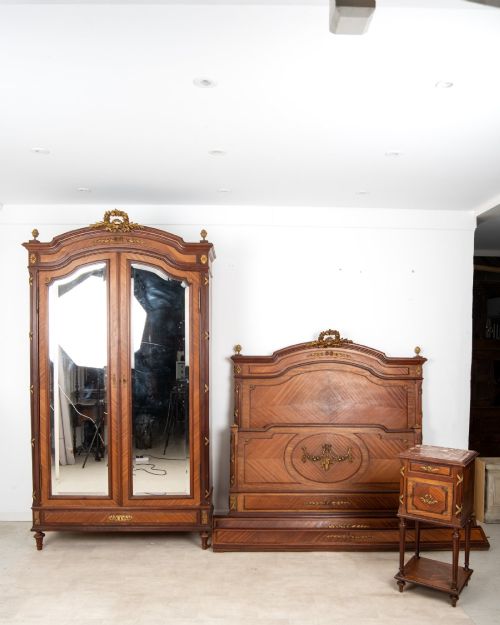
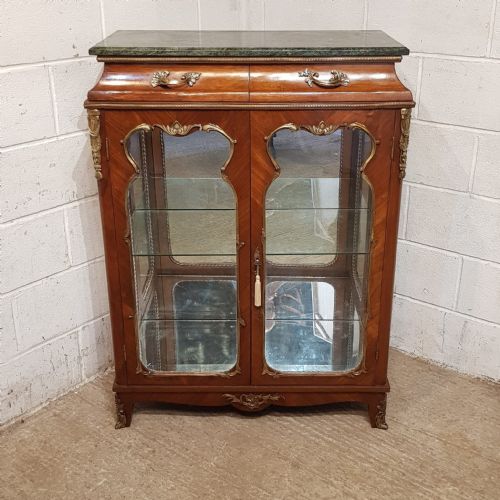
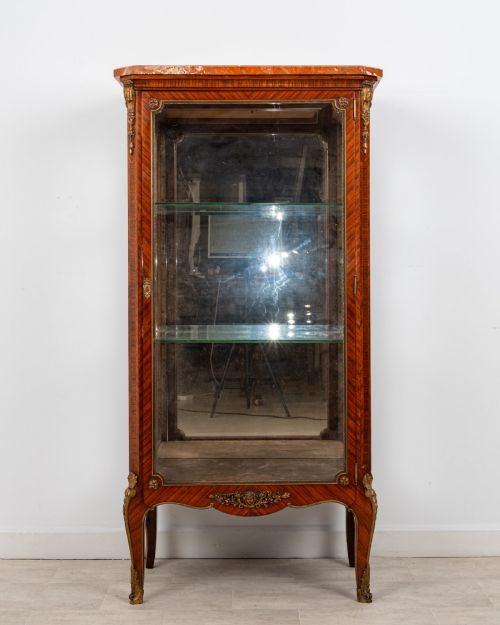
- A glass-fronted display cabinet. These often share design vocabularies and ormolu mounts with matching salon mirrors.
- Surtout de table
- A large mirrored plateau placed on dining tables. They utilise similar silvered glass and ormolu framing techniques as wall and dressing mirrors.
French Ormolu Mirror: Frequently Asked Questions
How do I date a french ormolu mirror?
Dating relies on stylistic clues, construction methods, and the quality of the mercury gilding. Earlier nineteenth-century pieces often reflect strict French Empire symmetry, while later decades favour exuberant Louis XV rococo revival forms.
Examining the reverse of the frame reveals joinery details and screw types. Hand-cut fixings and older backing boards generally point toward the mid-nineteenth century, whereas uniform machine screws suggest later reproduction periods.
What is the difference between ormolu and gilt brass?
Ormolu specifically describes high-grade bronze finished with a mercury-gilding process that imparts a deep, warm gold tone. Gilt brass uses a less expensive yellow metal base and often employs modern electroplating.
True ormolu exhibits hand-chased details where sharp edges catch the light differently. Gilt brass can feel lighter in weight and may show a brighter, more uniform yellow finish across the cast.
Can these mirrors be hung safely on modern walls?
Hanging requires locating structural studs or using heavy-duty wall anchors rated for substantial weight. Many period wall mirrors and overmantles incorporate heavy bronze mounts and dense hardwood frames that demand secure load-bearing support.
Professional framing brackets or French cleats distribute the vertical load evenly. Avoid relying solely on decorative top rings attached to the frame, as centuries-old metal fatigue can cause failure.
How should I clean ormolu mounts?
Maintenance requires only a soft, dry microfibre cloth to remove accumulated dust from crevices. Introducing moisture or chemical polishes risks stripping the historical gold finish from the bronze substrate.
Professional conservation is recommended for tarnished or darkened metal surfaces. Abrasive cleaners permanently damage the hand-chased details and the underlying gilt layer.