
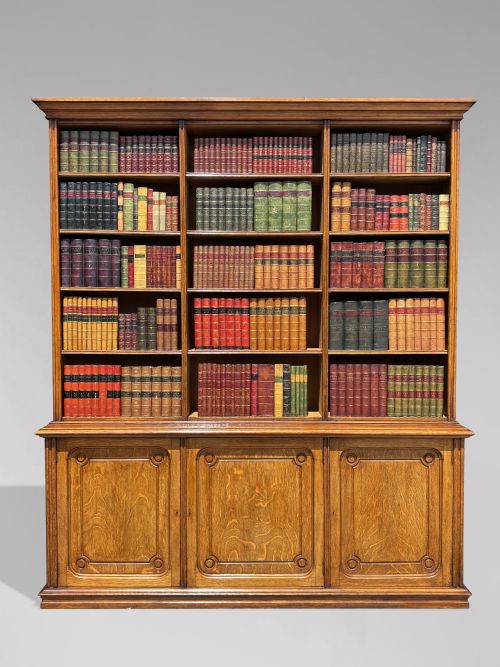
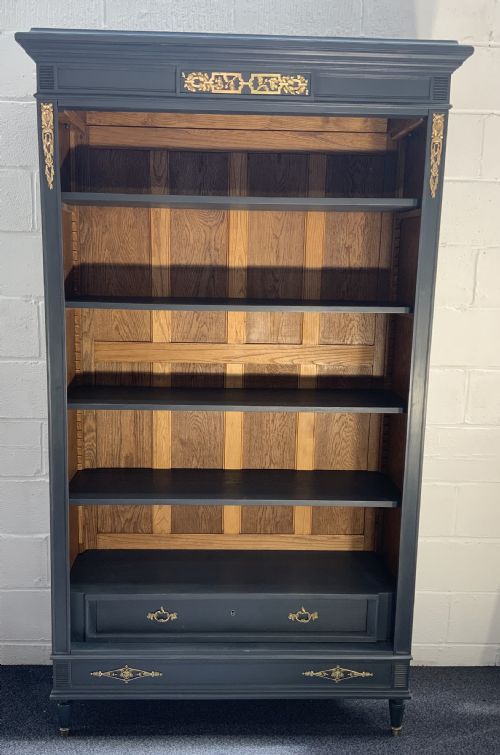


French Oak Display Cabinet
A french oak display cabinet brings architectural timber and glazed panels together to hold silver, glass, and books.

French Oak Display Cabinet
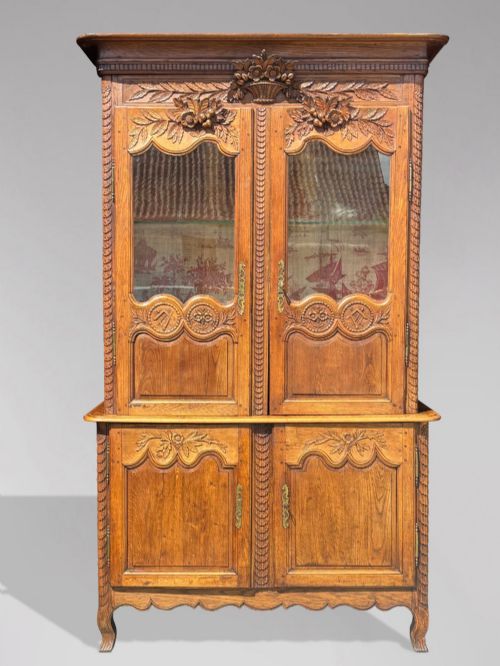
A french oak display cabinet combines sturdy timber framing with transparent doors to showcase precious objects while keeping them safe from dust. These pieces range from towering cupboards and two-part buffets to refined vitrines and open bookcases.
The examples gathered here draw on 18th century and 19th century traditions, alongside later interpretations from 1910 and 1920. Styles span French Provincial, Louis XV, and Gothic Revival, reflecting regional workshops and metropolitan tastes alike.
Buyers will encounter substantial constructions like the buffet deux corps alongside lighter glazed bookcases and shop display cases. Oak provides the primary structural frame across nearly every iteration, sometimes paired with walnut, brass, or painted surfaces.
How they were made
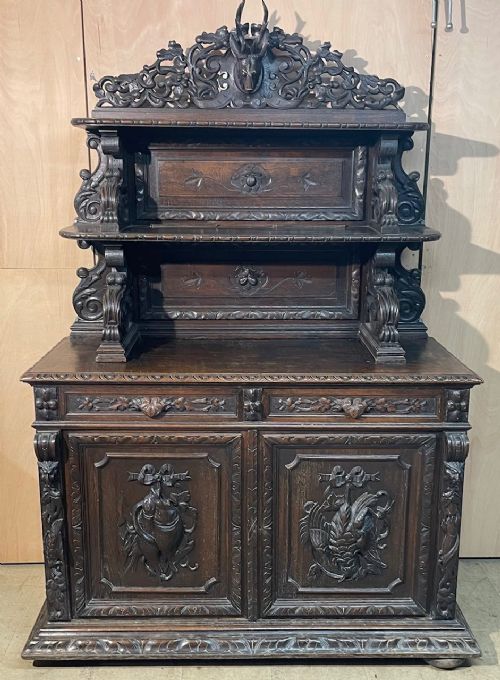
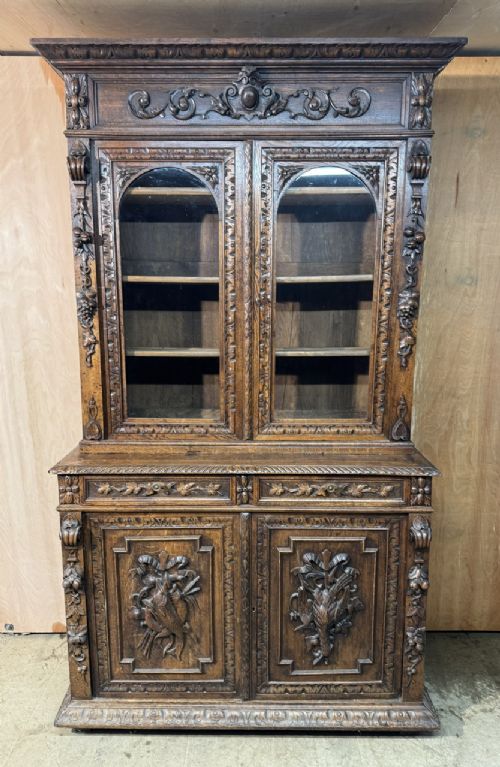
Makers built these cabinets using solid oak planks, frequently shaped with hand-carved mouldings, raised panels, and structural joints designed to bear heavy weight. Glazed doors relied on timber frames rebated to hold glass panes securely in place.
Iron and brass hardware, including hinges, escutcheons, and occasional embellishments, fastened the doors and drawers while adding metallic contrast to the timber. Surface treatments range from bleached or limed finishes to painted coats and natural waxed polish.
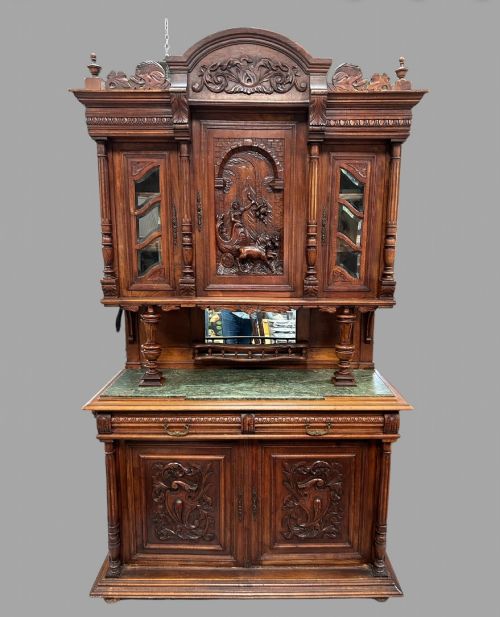
Several cabinets conceal their secrets behind twisted barley columns and carved masonic symbols, ready to hold glassware with historic flair.
What varies in quality
The degree of hand-carved detail separates standard provincial pieces from ambitious workshop commissions, particularly where scrolling foliage or figural motifs adorn the cornices and stiles. Timber selection also matters, as tightly grained oak boards display a more even figure and greater structural stability over time.
Construction methods reveal the hand of the maker through the integration of pegged mortise and tenon joints and heavy brass or iron hardware. Original glass panes and intact internal shelving systems hold greater architectural integrity than later replacements.
The French Oak Display Cabinet Glossary
- Buffet deux corps
- A large two-tier storage cabinet featuring an upper cupboard stacked securely upon a lower base section. This regional form offered extensive storage for household provisions and display.
- Vitrine
- A glass-fronted display cabinet designed specifically for exhibiting porcelain, curiosities, and fine tableware. The glazed sides and doors allowed light to illuminate the objects from multiple angles.
- Barley twist
- A carved spiral decorative motif resembling a twisted rope, commonly turned on table legs, framing members, and structural uprights. It added dynamic vertical movement to 19th century furniture.
- Masonic buffet
- A specialised storage cabinet associated with fraternal or civic lodges, often distinguished by carved symbolic iconography on the exterior panels. These pieces served functional storage needs within meeting spaces.
- Bleached oak
- Timber treated to lighten its natural warm tone, creating a pale, neutral surface appearance. This finish highlights the grain pattern while offering a softer visual weight in a room.
French Oak Display Cabinet: Frequently Asked Questions
What is a buffet deux corps?
A buffet deux corps is a substantial two-section cabinet featuring a smaller upper display or storage compartment resting on a deeper lower base.
These imposing pieces were traditionally used in French provincial dining rooms and kitchens to store heavy ceramics and linens.
How do I clean oak display cabinets?
Oak display cabinets benefit from dusting with a dry, soft cloth to prevent particulate buildup on the carved surfaces and mouldings.
Avoid silicone polishes, choosing instead a traditional microcrystalline wax applied sparingly to maintain the natural timber finish.
Are these cabinets made of solid wood?
The primary structural frames, doors, and architectural mouldings on these pieces utilise solid oak, often paired with secondary hardwoods.
Backboards and internal drawer linings may incorporate secondary timbers common to regional French cabinetmaking traditions.
How can I tell 18th century from 19th century pieces?
Eighteenth century cabinets typically display hand-cut joinery, pinned joints, and regional provincial proportions that reflect vernacular workshop practices.
Nineteenth century revivals often incorporate heavier mechanical tooling marks, standardised hardware, and stylistic revivals such as Gothic or Louis XV motifs.
What is a vitrine used for?
A vitrine is designed with glass panels to exhibit delicate glassware, ceramics, and collectible objects safely out of reach.
The transparent enclosure protects contents from dust while maximising visibility from the front and sides.