


French Mythological Bronze
French mythological bronze figures bring classical deities and nymphs into the home through cast metal.
French Mythological Bronze
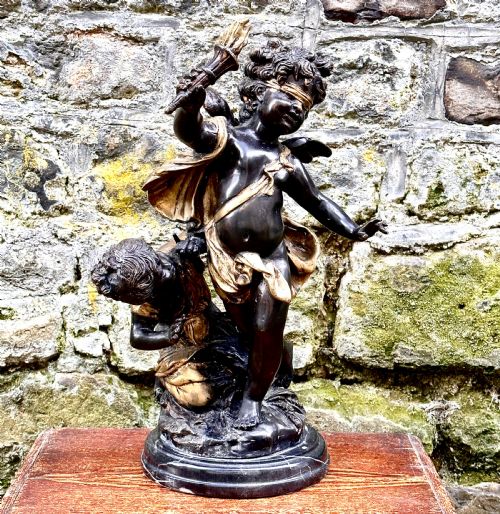
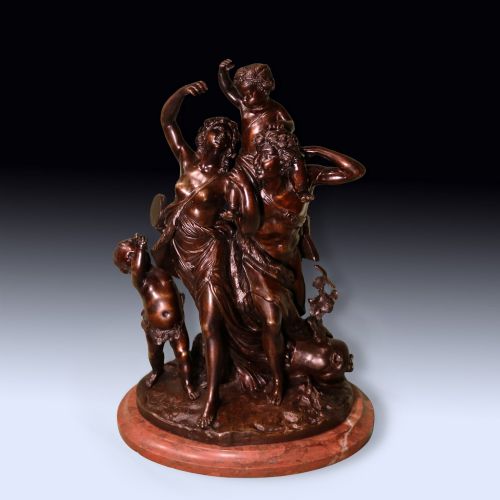
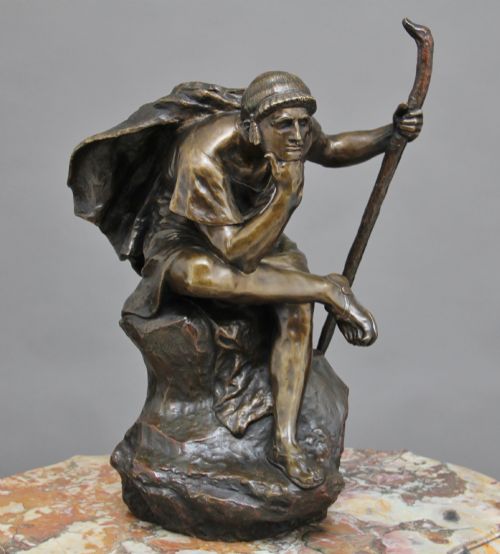
When you search for french mythological bronze, you find cast metal figures, groups, and decorative objects drawn from classical antiquity and mythology. The selections span the nineteenth century, the Victorian era, the Regency period, and into the early twentieth century.
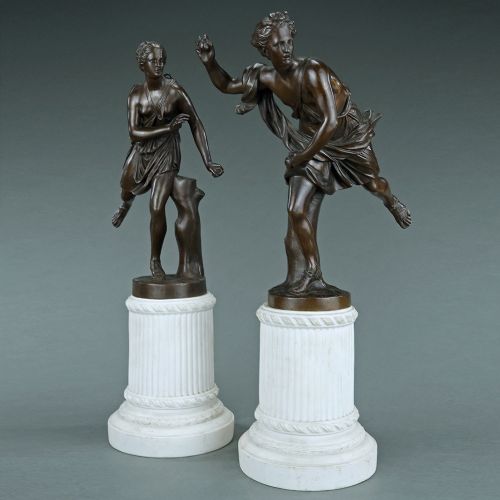
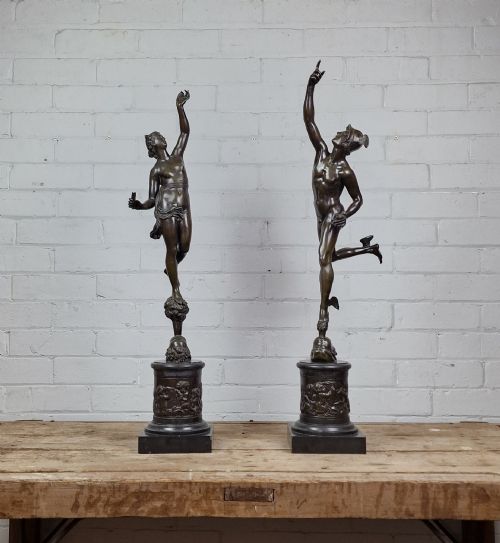
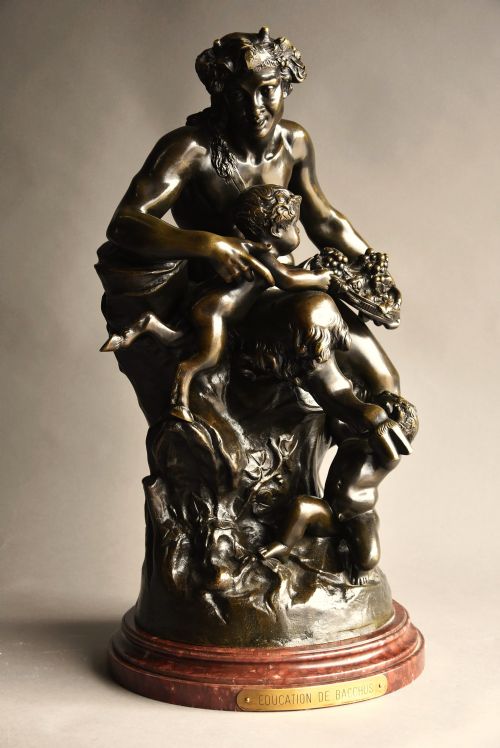
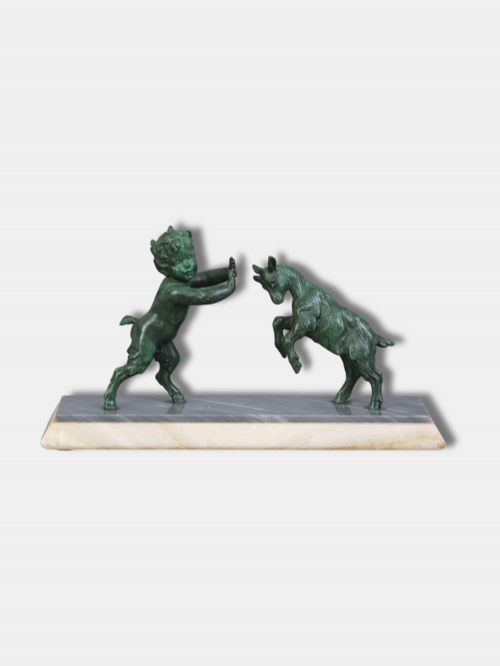
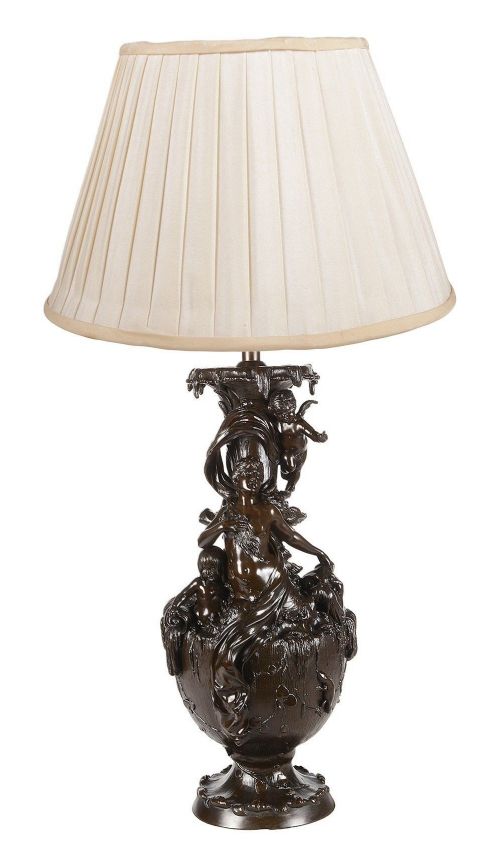
You meet sculptures of figures such as Diana, Venus, Mercury, Bacchus, and various fauns, nymphs, and satyrs. These subjects appear as standalone sculptures, mantel clocks, table lamps, candlesticks, and decorative vases.
The pieces on this page originate predominantly from nineteenth-century French workshops and foundries, incorporating grand tour influences alongside neoclassical, rococo revival, and art nouveau styles.
Quality and Detail
The definition and crispness of the chasing in the metal separate the finest castings from simpler production pieces. Skilled chiselling after casting brings out the musculature, drapery folds, and facial expressions of mythological figures.
The richness and depth of the patination contribute heavily to the visual presence of a bronze. Variations in surface colour, from deep dark patinas to bright parcel-gilding, reflect the care taken during finishing.
The quality of the secondary materials, such as heavy veined marble plinths or finely mounted ormolu collars, elevates the overall execution of the sculpture group.
Several deities appear locked in eternal dance groups, proving that even immortal gods enjoyed a lively evening out.
Barbedienne·Emile Carlier·Auguste Moreau·Pierre Le Faguays·Jean Jacques Pradier·Victor Paillard·Louis Auguste Moreau·Louis Ernest Barrias·Simon Louis Boizot
The French Mythological Bronze Glossary
- Patinated bronze
- Bronze treated with chemical solutions to produce a specific surface colour and tone. This finish protects the metal and highlights the sculptural contours.
- Ormolu
- Finely ground high-carat gold applied to a bronze base using a mercury amalgamation technique. It creates a rich golden decorative mount.
- Grand tour
- A cultural journey undertaken by wealthy Europeans to classical sites in Italy. Souvenirs from these travels included small bronze figures of ancient deities.
- Neoclassical
- An artistic style inspired by the art and culture of classical antiquity. It values restrained proportions, heroic subjects, and balanced composition.
- Lost-wax casting
- A method of metal casting where a molten metal is poured into a mould that has been created by means of a wax model. This allows for intricate detail in sculptural work.
French Mythological Bronze: Frequently Asked Questions
What is a French mythological bronze?
A French mythological bronze is a cast metal sculpture depicting gods, goddesses, and figures from classical legends, produced primarily in France during the nineteenth and early twentieth centuries.
These pieces range from small cabinet figures to monumental groups intended for domestic display in salons and studies.
How were these bronzes used originally?
Owners displayed these sculptures on mantelpieces, pedestals, and library tables as symbols of classical learning and refined taste.
Some examples also served functional roles as candlesticks, clock cases, wall mirrors, or lamp bases.
How do I care for a bronze sculpture?
Dust the surface regularly with a soft, dry brush to prevent dirt accumulation in the crevices of the casting.
Avoid using abrasive cleaners, polishes, or moisture, which can damage the historic patina on the metal.
How can I tell different periods apart?
Regency and early nineteenth-century pieces often incorporate bright ormolu mounts and strict classical proportions.
Later nineteenth-century works and those from the art nouveau period introduce more fluid movement, varied patinas, and naturalistic bases.