

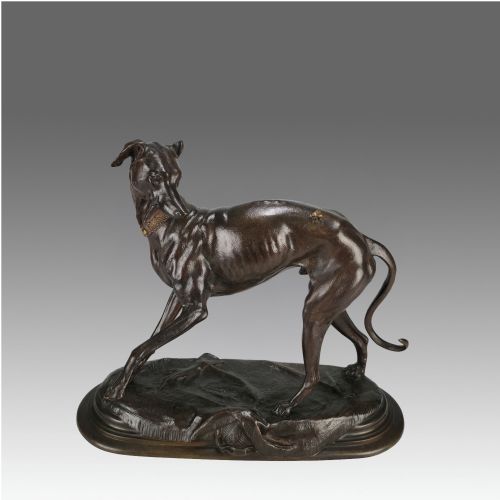


French Bronze Table Ornament
A French bronze table ornament brings nineteenth-century foundry skill and distinct animal or figural movement straight into a room.
French Bronze Table Ornament
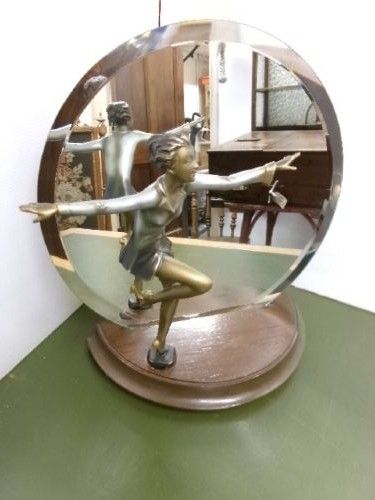
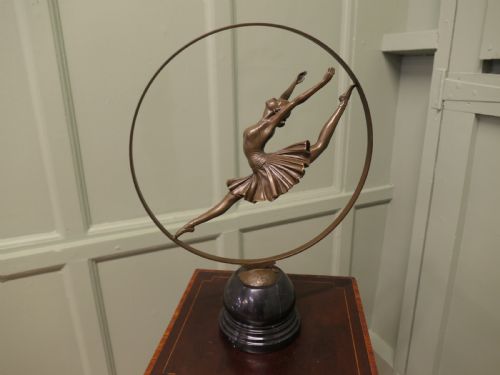
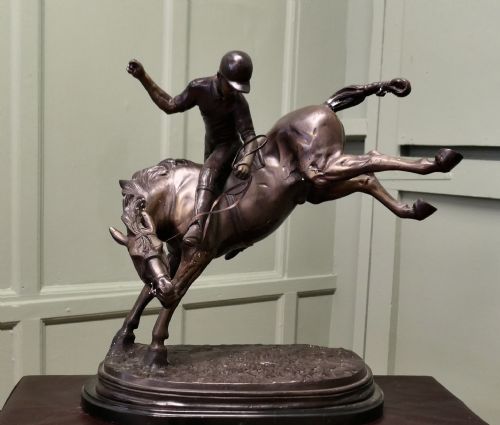
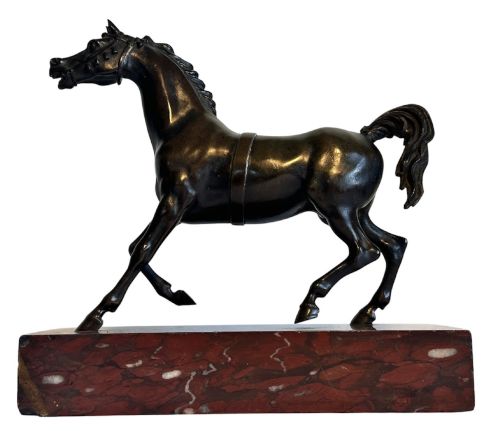
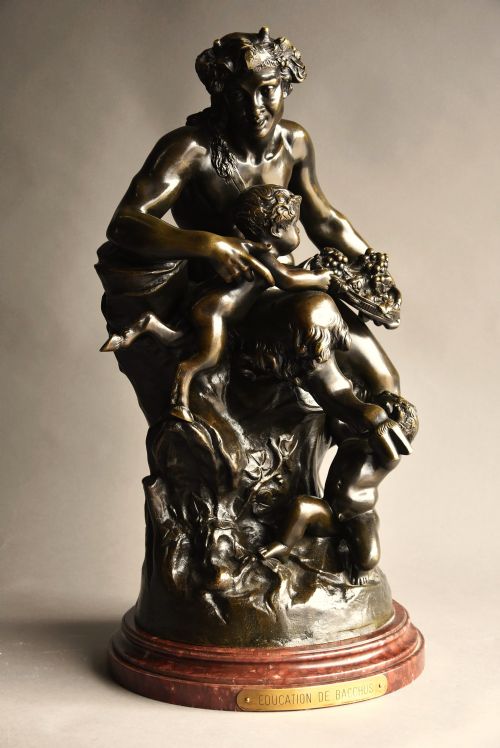
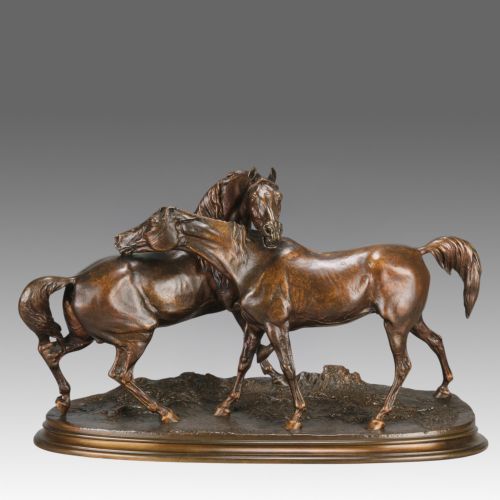
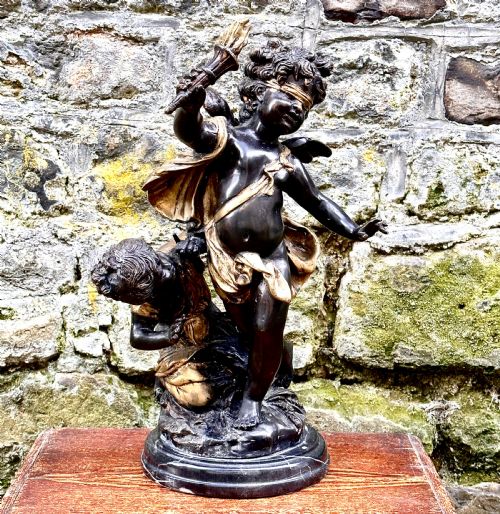
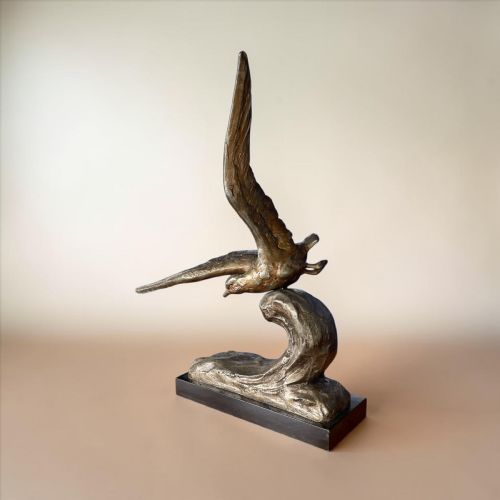
A french bronze table ornament is a sculptural metal object designed for display on a surface, most commonly taking the form of animalier subjects, mythological figures, or dancing ladies. You will frequently encounter nineteenth-century animal studies, classical putti groups, and twentieth-century Art Deco dancer figures as you browse these listings.
The materials span traditional cast bronze alongside spelter, gilt bronze, and cast iron, often mounted onto heavy bases of marble, onyx, or wood. Forms range from small provincial statuettes and fireside dog statues to large sculptural groups and decorative ewers designed to command attention in a reception room.
Origins heavily reflect French foundry traditions, spanning Rococo Revival, Victorian Neoclassical, and French School aesthetics. Pieces date primarily from the nineteenth century through the 1930s, capturing shifting tastes from naturalistic wildlife to stylised modernist movement.
Materials and construction
Foundries utilised the lost-wax casting method or sand casting to achieve fine detail in bronze and spelter before applying hand-finished patination. Many figures were cast in distinct sections and subsequently joined, allowing for complex multi-figure groups like satyrs with fauns or musical cherubs.
Heavy stone plinths made from marble or onyx served as integral architectural supports for smaller statuettes and dancing ladies. These bases provided necessary stability for top-heavy metal sculptures while adding a clean geometric contrast to organic figures.
French Bronze Table Ornament Retail Price Guide 2026
Typical asking prices for french bronze table ornament among the pieces listed under this phrase on Sellingantiques today, from the lower quarter to the upper quarter. They describe what is for sale here now, not the wider market.
Listings feature pieces spanning the 19th Century, Georgian era, and 1930s, executed in bronze, spelter, marble, and glass.
Assessing the work
The integration between the metalwork and its stone base reveals much about the original maker's intent. Superior examples show seamless fixings and high-grade marbles that complement the weight and balance of the central bronze.
Claude Michel Clodian·P J Mêne·Alfred Barye
The French Bronze Table Ornament Glossary
- Animalier
- A nineteenth-century artistic focus on the realistic depiction of animals, particularly horses, dogs, and wildlife. Sculptors working in this style studied musculature and natural movement with scientific precision.
- Spelter
- A zinc alloy frequently used as a cheaper alternative to bronze during the nineteenth and early twentieth centuries. It accepts patination well to imitate bronze but remains softer and lighter.
- Patina
- The surface coloration and sheen developed naturally over time or applied artificially by the foundry through chemical treatments. It protects the metal and defines the visual depth of the sculpture.
- Putto
- A plump, naked male child depicted in classical art, often winged and resembling a cherub. Pairs of putti appear frequently in nineteenth-century decorative groups seated on rocks or musical themes.
- Chasing
- The manual finishing process where a metalworker refines the surface of a raw casting using hammers and punches. This step restores lost texture and eliminates any flaws from the mould.
French Bronze Table Ornament: Frequently Asked Questions
Where should I display a bronze table ornament?
These pieces suit mantelpieces, entrance hall commodes, and central display tables where lighting can catch the patination. Their compact footprint allows them to sit comfortably alongside books and ceramics.
Ensure the surface is level and sturdy enough to support the combined weight of the metal and its stone base.
How do I clean an antique bronze?
Dust the surface regularly with a soft, dry brush to prevent particulate buildup in the recessed details of the casting. Avoid using commercial metal polishes, which strip away the historic patina.
If the piece requires deeper attention, consult a professional conservator rather than attempting chemical cleaning at home.
How do I tell bronze from spelter?
Bronze feels significantly heavier and cooler to the touch than zinc-based spelter. Inspecting the underside or areas of wear often reveals a yellowish brassy tone for bronze, whereas spelter shows a greyish metal underneath.
Spelter is also softer and more prone to bending under pressure than true bronze.
What is an animalier bronze?
Animalier bronzes depict realistic animals, capturing tension, motion, or repose in subjects like hounds, stallions, and birds of prey. The genre gained immense popularity across France during the nineteenth century.
Artists paid close attention to anatomical accuracy and the natural habits of their subjects.