


French Modernist Art
French modernist art spans decades of innovation, bringing bold canvases, sculptural metalwork and distinct decorative objects into contemporary spaces.
French Modernist Art
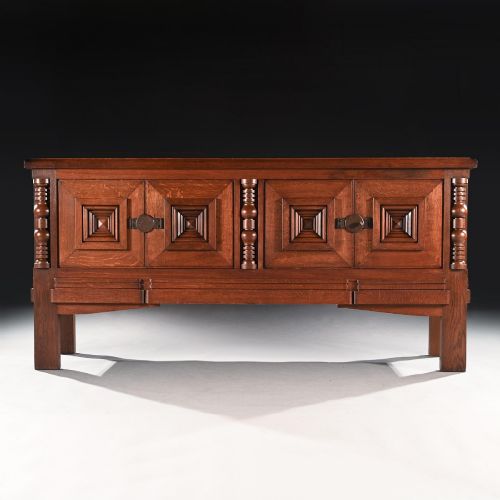
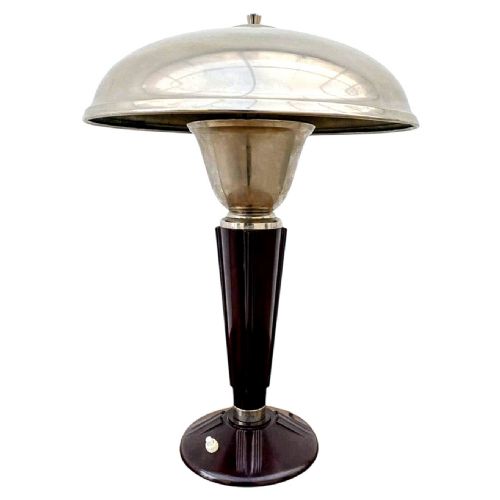
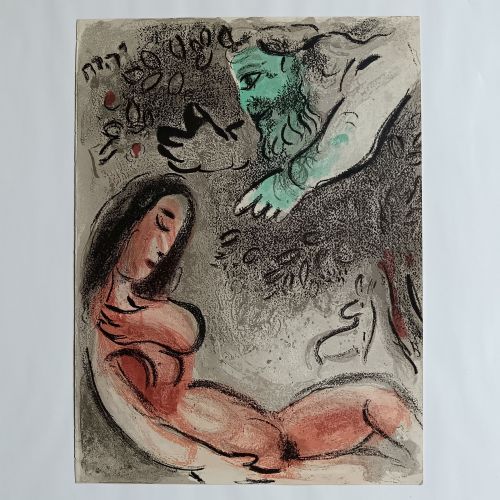
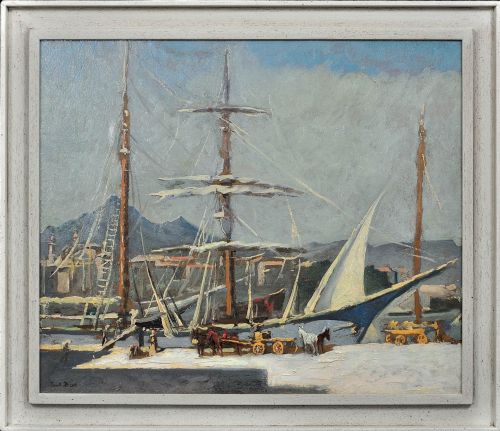
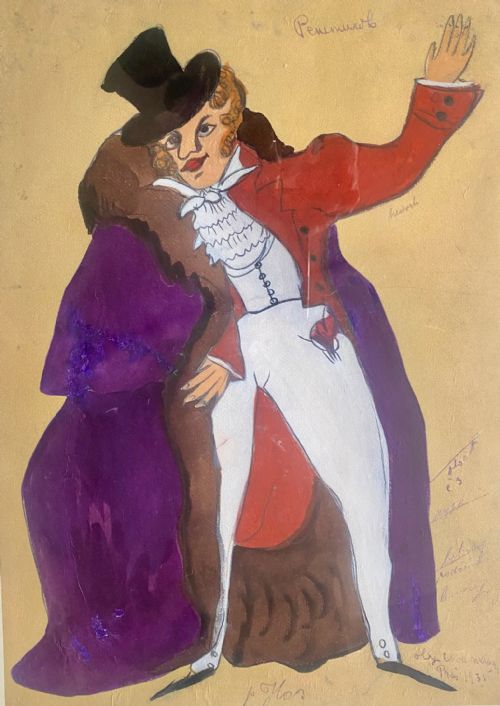
French modernist art encompasses a diverse range of paintings, drawings, lighting and sculptural objects created during the early to mid-twentieth century. Canvas and paper works featuring oil, gouache and ink sit alongside functional items like chrome lamps and wooden sideboards.
The objects frequently bridge decorative arts and fine art, reflecting movements such as Art Deco, Cubism and Fauvism. Pieces span from the 1920s through to the 1960s, capturing the shifting aesthetic priorities of Parisian studios and provincial workshops alike.
How they were made
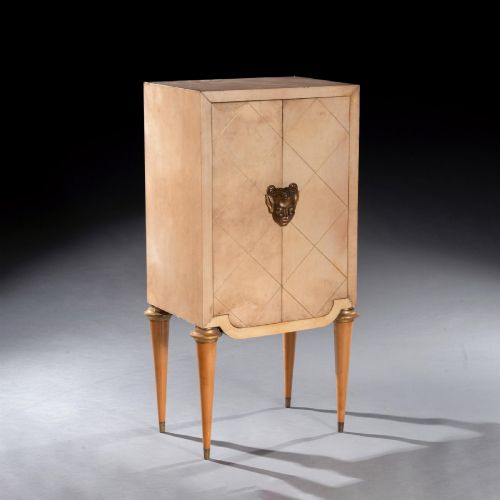
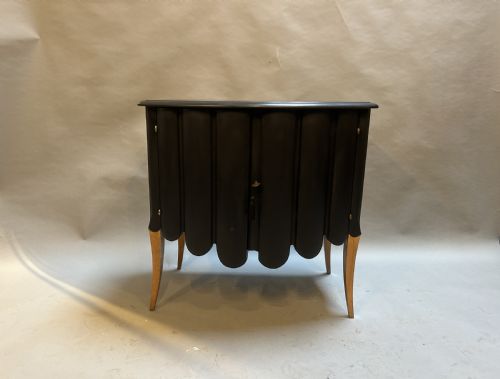
Makers utilised traditional artist materials including canvas, oil paint, gouache and paper alongside industrial components like chrome, metal, glass and bakelite. Cabinetmakers worked with oak, parchment inlay and ebonised wood to build architectural furniture.
Techniques ranged from fluid brushwork in oil and deep etching on glass or metal to precise construction methods in furniture design. Artisans combined hand-finishing with modern manufacturing materials characteristic of the period.
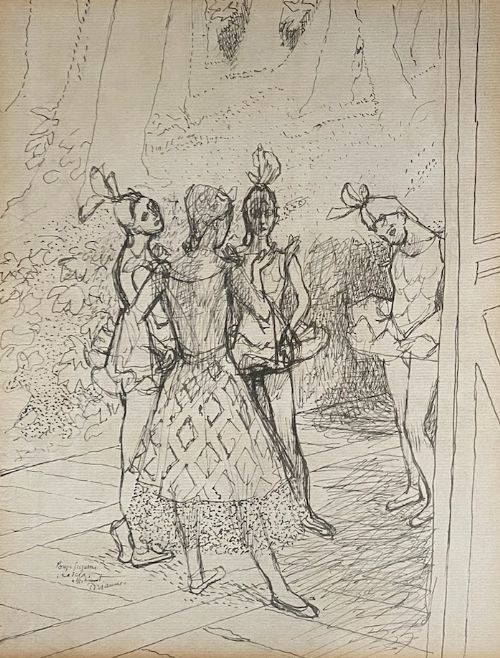
A surprising number of striking modernist canvases depict cats, dancers, and quiet domestic interiors.
What varies in quality
Quality rests upon the strength of the composition, the handling of materials and the integrity of the design execution. Well-realised paintings demonstrate confident brushwork and tonal balance, while manufactured objects show precision in metalwork and joinery.
Attribution to known designers or prominent studios elevates a piece, as does documented provenance connecting the work to specific exhibitions or artistic circles of the era.
Eileen Grey·Marc Chagall·Maurice Jallot·Charles Dudouyt·Étienne Kohlmann·Jean Luce·Demetrios Galanis·Aristide Maillol·Muller Bros·Demetre Chiparus·Jacques Adnet·Kees van Dongen
The French Modernist Art Glossary
- Art Deco
- A design style characterised by sleek geometric shapes, stylised motifs and modern industrial materials that dominated the interwar period.
- Gouache
- An opaque water-based paint that dries to a matte finish, frequently utilised on paper and board for vibrant modernist compositions.
- Encaustic
- A painting technique involving heated beeswax mixed with coloured pigments, applied to canvas or panel surfaces.
- Lithograph
- A printmaking process based on the incompatibility of oil and water, used to produce original multiple images on paper.
- Tantalus
- A decorative locking frame holding glass decanters, commonly constructed from chrome and wood during the Art Deco era.
French Modernist Art: Frequently Asked Questions
What periods do these pieces date from?
The inventory covers works originating primarily from the 1920s, 1930s, 1940s and 1950s. Earlier 19th-century works also appear alongside mid-century pieces up to the 1960s.
Each decade brings distinct stylistic shifts, moving from ornate Art Deco decorative items toward starker modernist abstraction.
How should I display a painting?
Canvases and works on paper require wall placement away from direct sunlight to protect pigments and canvas integrity. Proper framing preserves the edges of gouache and oil works.
Allow sufficient wall space around each piece so the composition remains the primary visual focus.
Are lamps and furniture functional?
Many items, including desk lamps and cabinets, retain their original utility and integrate easily into modern domestic spaces. Bakelite and chrome light fixtures require standard safety checks by a qualified electrician before use.
Cabinets and sideboards offer practical storage while serving as strong decorative focal points.
How do I identify a modernist oil painting?
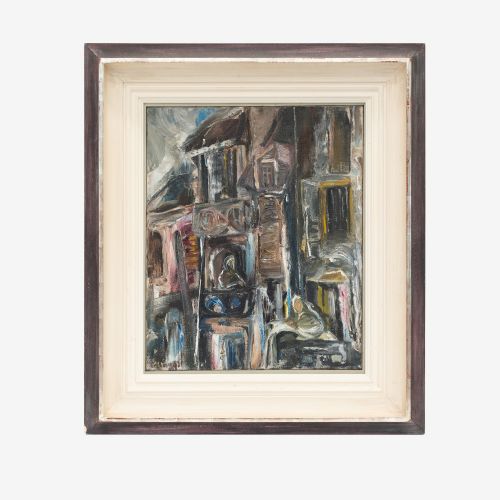
Look for characteristic subject matter such as Parisian street scenes, abstracted landscapes, still lifes and figurative studies. Brushwork and palette often reflect influences from cubism, fauvism and the broader avant-garde.
Signatures, dates and framing choices provide further clues regarding the date of creation.