
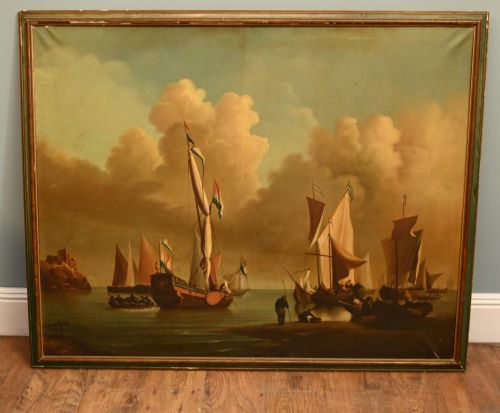
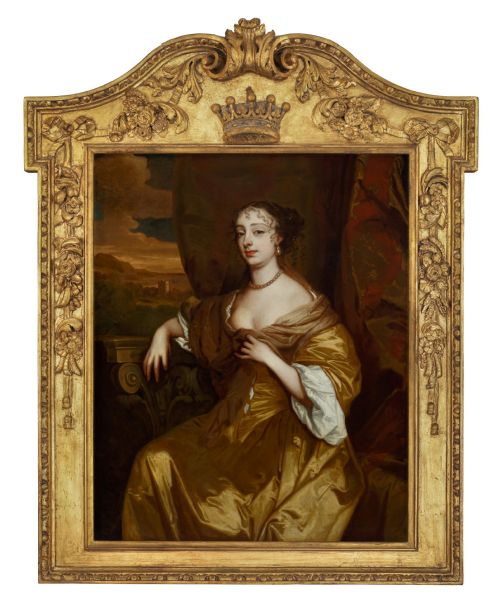
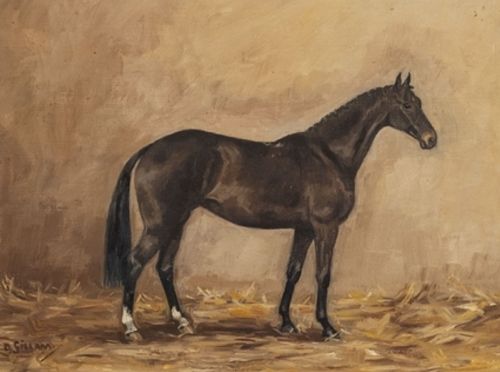
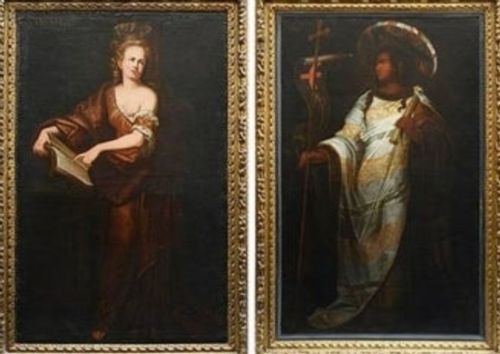
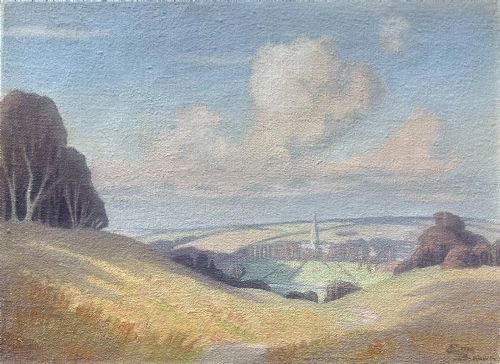
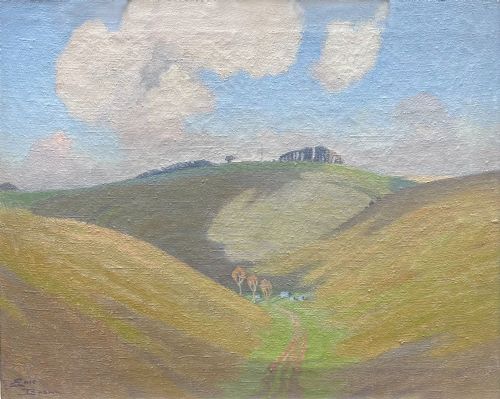
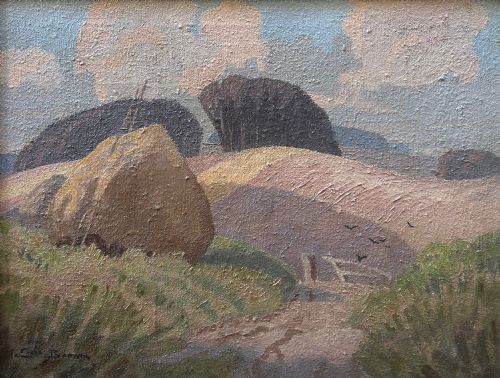
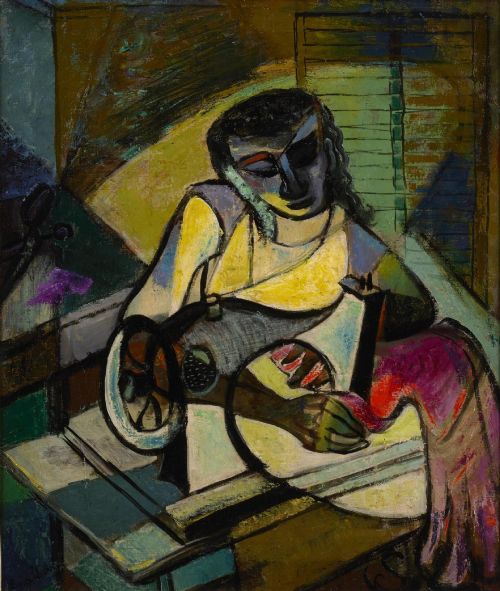
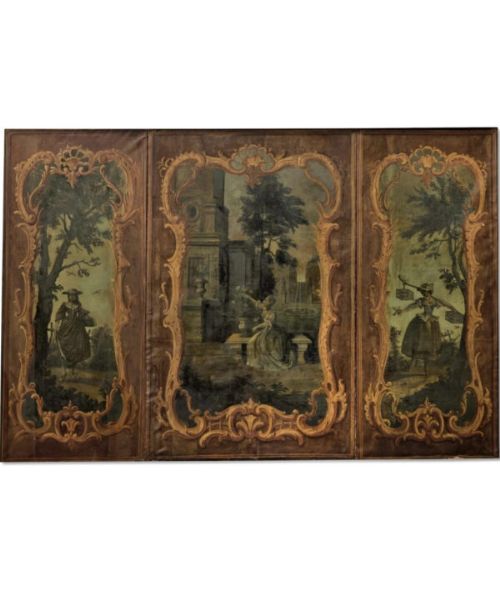
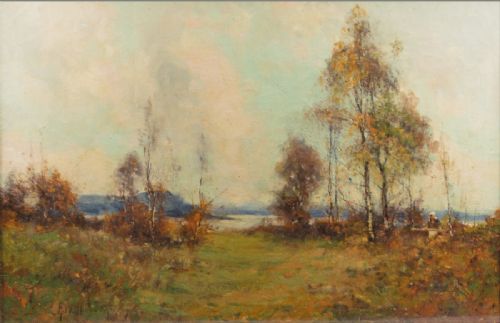

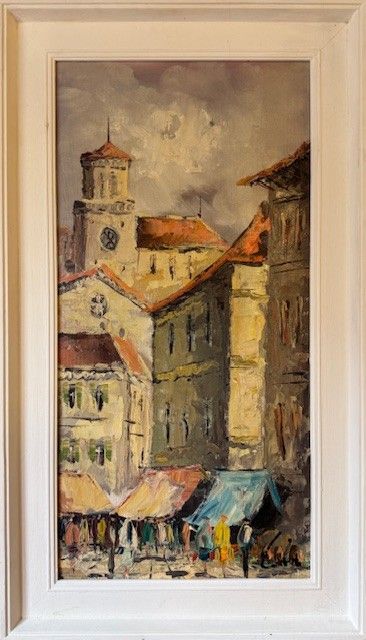
Ochre Oil on Canvas
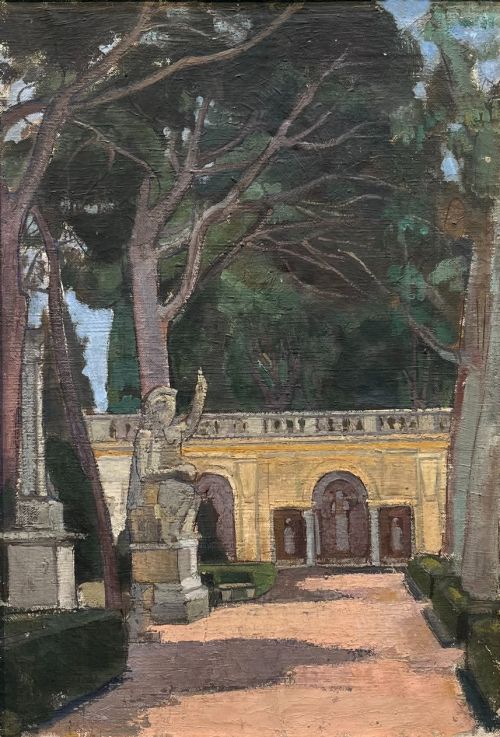
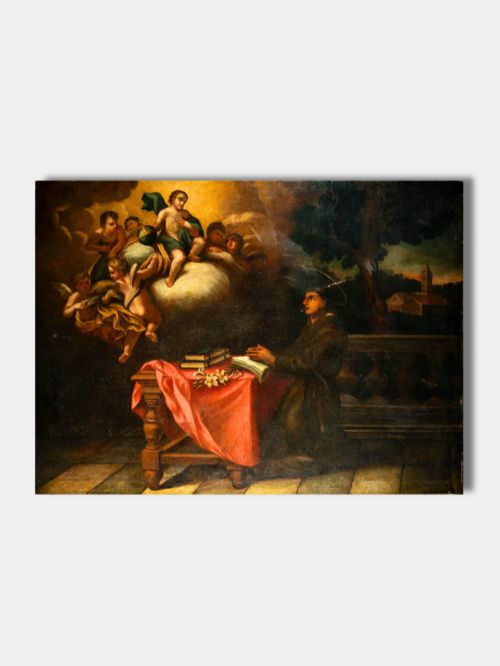
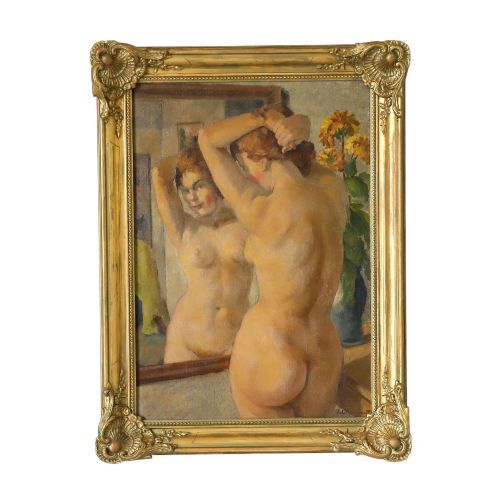
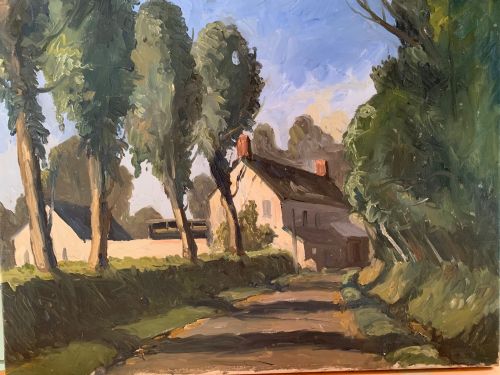
When you search for ochre oil on canvas, you find works spanning from the eighteenth century to the mid-twentieth century.
Ochre Oil on Canvas
An ochre oil on canvas piece brings earthy tones and rich pigments into a room, capturing landscapes, portraits, and town scenes through centuries of artistic tradition. You encounter works ranging from monumental religious subjects dated to the mid-eighteenth century up to mid-century modern French and British impressions.
How They Were Made
Artists built these works by applying oil paint directly onto stretched woven canvas, often supported by wooden stretcher frames or panels. The palette frequently relies on warm ochre pigments derived from natural earth and clay, occasionally augmented by gold leaf or gilt details.
Brushwork varies from tight, realistic application seen in nineteenth-century works to looser, expressive strokes characteristic of twentieth-century impressionist and modernist painters.
Camels traverse desert sands alongside moody cathedral spires and quiet breakfast table scenes.
What Varies in Quality
The distinction between ordinary and exceptional pieces lies in the sureness of the brush and the depth of the composition. Master painters handle light, shadow, and ochre tonality with a precision that gives depth to a landscape or intimacy to an interior scene.
The integration of the frame with the canvas also marks the grade of the piece, as original or period frames complement the pigment harmonies and protect the integrity of the work over decades.
Eric Brown·Lena Gurr·Philippe de Rougemont·Alexander Wellwood Rattray·Raymond Picque·Reginald Grange Brundrit·Cecil Rochfort D'Oyly-John·Amile Coppieters·Ron Folland·Charles Malfroy·William George Meadows·James William Booth·Sir Matthew Smith·Claude Thomas Stanfield Moore·Arthur Winter Shaw·Frederick Christian Lund·Frederick William Jackson·John Cawthorn·Ernest Higgins Rigg·Robert Lesley Howey
The Ochre Oil on Canvas Glossary
- Oil Paint
- A slow-drying paint made by combining pigment particles with a drying oil, most commonly linseed oil. This medium allows for rich blending and textured impasto applications.
- Canvas
- A heavy woven fabric, typically linen or cotton, stretched tightly over a wooden frame to serve as a sturdy surface for painting. It provides flexibility and texture beneath the pigment layers.
- Gilt
- A thin layer of gold leaf or gold paint applied to wooden frames or specific areas of a canvas. It adds reflective warmth and highlights the surrounding tones.
- Impressionism
- A nineteenth-century painting style characterised by relatively small, thin yet visible brush strokes and an emphasis on accurate depiction of light. Artists working in this manner often captured everyday subjects in outdoor settings.
- Grisaille
- A painting executed entirely in shades of grey or neutral greyish-brown monochrome. It often served as an underpainting or as a decorative wall hanging.
Ochre Oil on Canvas: Frequently Asked Questions
What subjects appear in these paintings?
The works depict a wide array of subjects including rural landscapes, urban street scenes, coastal views, floral displays, and intimate domestic interiors. Artists captured both British and continental European settings.
Many pieces reflect travels through France, Spain, and Italy, recording local architecture, markets, and countryside lighting from different historical eras.
How do I care for an oil painting?
Keep the canvas away from direct sunlight and extreme temperature fluctuations to prevent the paint and wood from warping or cracking. Dust the surface gently with a soft, dry brush.
Avoid using water or chemical cleaners on the paint or the wooden frame. Professional conservation ensures the longevity of older canvases.
How do I distinguish nineteenth-century works?
Nineteenth-century pieces often display tighter brushwork and traditional perspective, focusing on realism, classical subjects, or early impressionist techniques. The materials reflect period manufacturing with traditional canvas weaves.
Examining the stretcher frames, nails, and backing materials helps confirm the age and origin of the painting.
What defines mid-century modern paintings?
Mid-century modernist works favor abstracted shapes, simplified forms, and expressive brush application over strict realism. Artists embraced bolder palettes while retaining traditional oil and canvas mediums.
These paintings often capture light and atmosphere in Provence, Paris, or domestic interiors through a contemporary lens.