





French Metal Female Sculpture
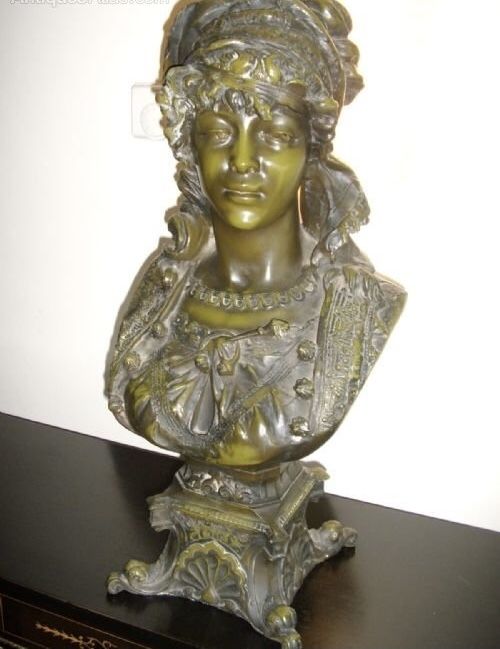
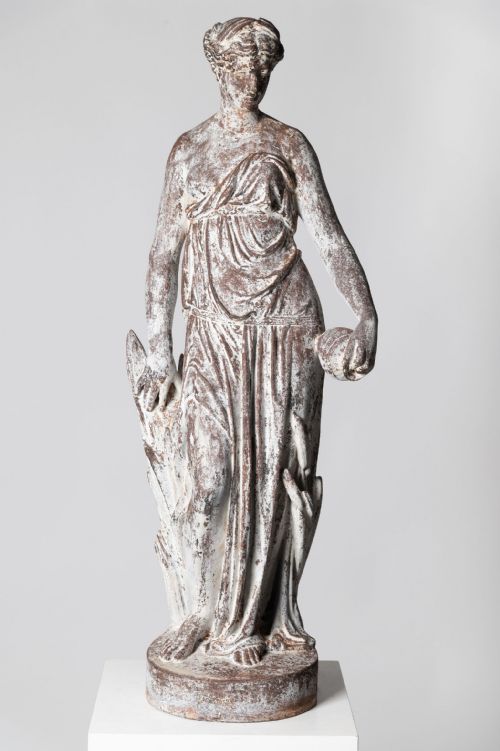
A french metal female sculpture brings elegance to a room through expressive figures and rich patination.
French Metal Female Sculpture
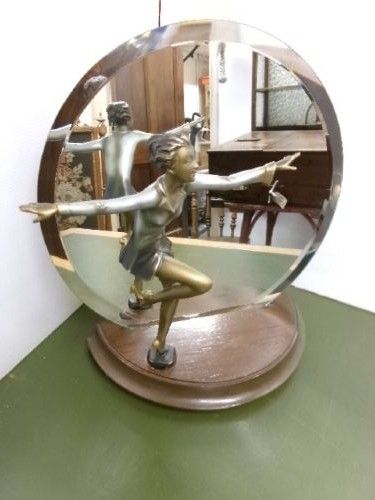
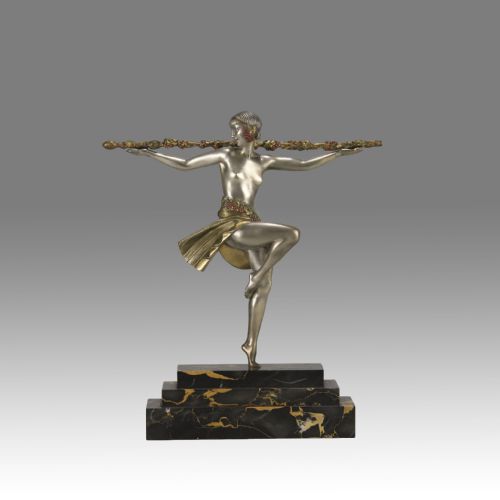
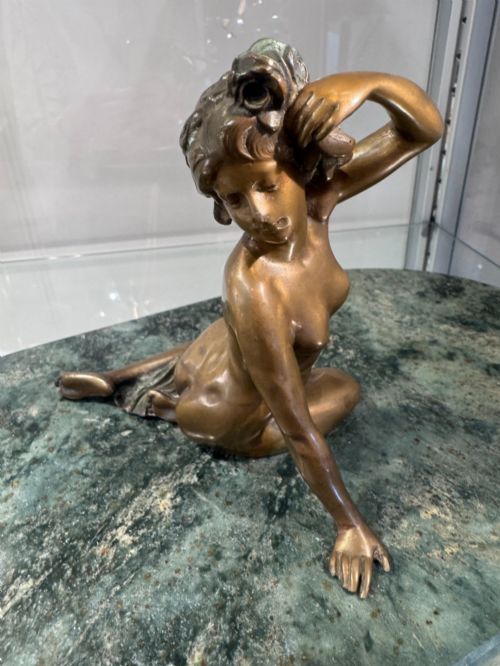
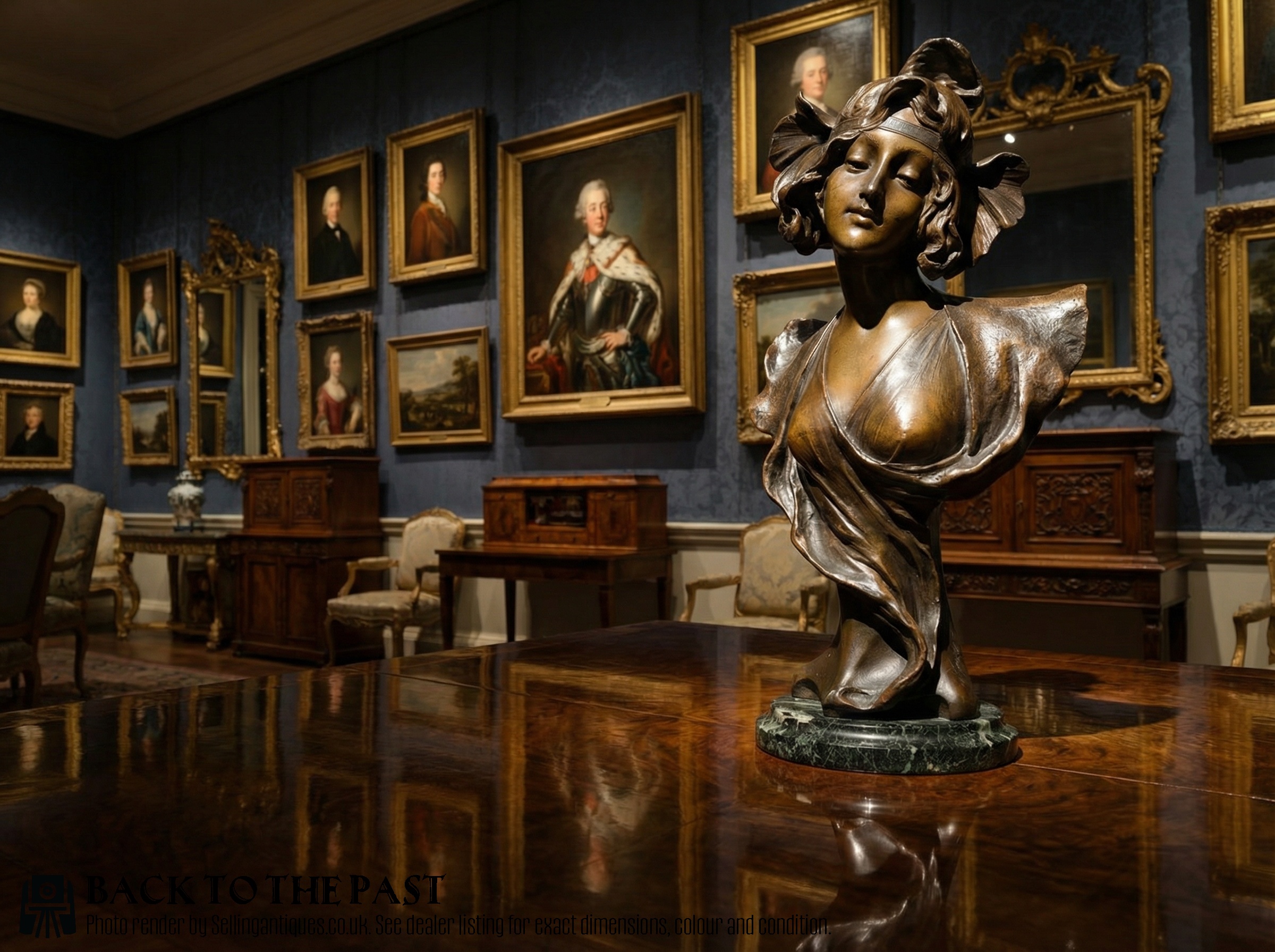
A french metal female sculpture encompasses figures, busts, and vases depicting women across several historical periods. Pieces range from classical portrayals to stylized dancers created during the early twentieth century.
The selection frequently includes spelter and bronze castings set on marble or onyx bases. Art Nouveau and Art Deco examples dominate the available inventory, showing distinct aesthetic shifts from flowing natural lines to geometric modernism.
Makers and foundries utilised various base metals to capture mythological figures, allegorical maidens, and performers. These works function as tabletop ornaments, lamps, wall plaques, and cabinet statuary.
How they were made
Foundries employed traditional casting methods, predominantly using bronze or spelter poured into moulds. Skilled artisans then refined the raw metal through chiselling and filing to sharpen facial expressions and drapery.
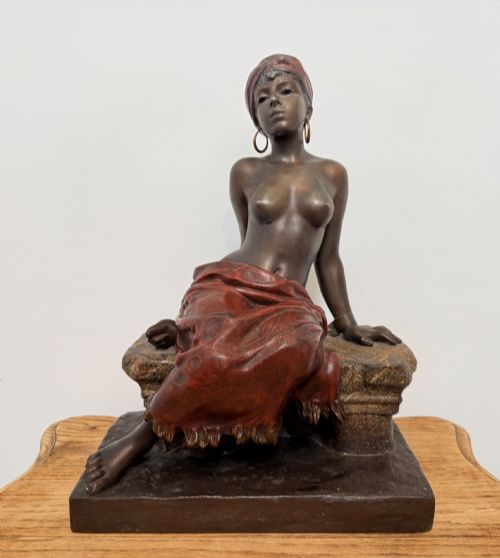
Surface treatments define the visual character of these sculptures. Craftsmen applied cold painting, silvering, gilding, and chemical patination to create contrasting tones and rich textures on the metal surface.
Listings feature works spanning from the eighteen-sixties through the nineteen-thirties, utilising bronze, spelter, marble, and onyx.
What varies in quality
The crispness of the casting determines how well fine details like hair strands and fingers emerge from the metal. Superior examples preserve the subtle nuances modelled by the original sculptor without softening during reproduction.
Integration with supportive materials also dictates standard. High grade sculptures feature substantial bases of marble, onyx, or cast iron that complement the proportions of the metal figure above.
Pierre le Faguays·E Villanis·Henri Godet·Charles Korschann·Arthur Waagen·Claire Colinet·Jean Jacques Pradier·Georges Van Der Straeten·Geo Maxim·Louis Ernest Barrias
The French Metal Female Sculpture Glossary
- Spelter
- A zinc alloy commonly utilised as a less expensive alternative to bronze in nineteenth and twentieth century manufacturing. It takes patination well but requires careful handling due to its softer composition.
- Patina
- The surface coloration and sheen developed naturally over time or applied chemically by the maker. It enhances the depth of metallic details and indicates the age of the piece.
- Cold painted
- A technique where oil paint or enamel is applied to a cold metal sculpture rather than fired in a kiln. This method allows for vivid polychrome finishes on bronze and spelter figures.
- Gilt bronze
- Metal cast in bronze and subsequently coated with a thin layer of gold or gold amalgam. It offers a bright, durable finish resistant to tarnishing.
French Metal Female Sculpture: Frequently Asked Questions
How do I identify spelter from bronze?
Spelter is a softer zinc alloy that feels lighter and shows a greyish metal underneath chips in the finish. Bronze is heavier, denser, and reveals a warm golden-brown tone beneath worn areas.
Examining the underside or unpainted sections often clarifies the underlying material composition of the figure.
Where should I place a metal sculpture?
These figures suit stable surfaces away from direct moisture and strong heat sources that might affect marble bases or painted finishes. Tabletops, mantelpieces, and dedicated display cabinets provide secure locations.
Ensure the weight of the sculpture matches the stability of the supporting furniture.
How do I clean a painted metal figure?
Dust gently with a soft, dry microfibre cloth to remove surface particles without disturbing delicate cold painted details. Avoid liquid cleaners, abrasives, and chemical solvents that strip patination.
Professional conservation is recommended for deep cleaning or restoration work.
What periods do these sculptures cover?
The listings span from the mid-nineteenth century through the Art Nouveau and Art Deco eras up to the mid-twentieth century. Each decade brought distinct stylistic changes in costume, posture, and base design.
Neoclassical and Victorian aesthetics often appear alongside modernist interpretations.