




French Mercury Mirror
A french mercury mirror brings deep, uneven reflection and historic warmth to a room through silvered glass backed with metal rather than modern aluminium.
French Mercury Mirror
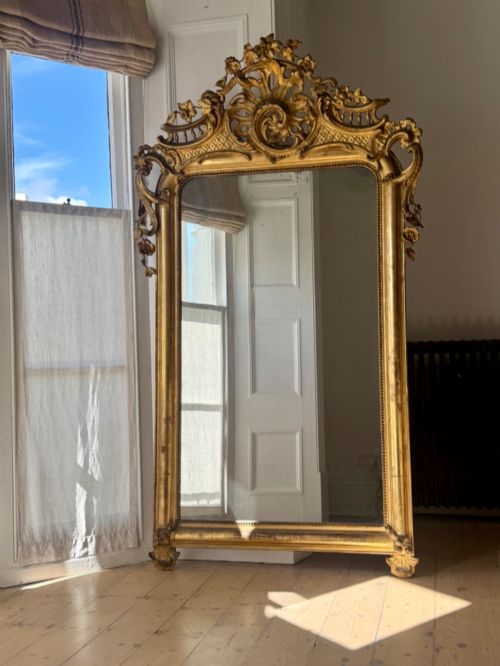
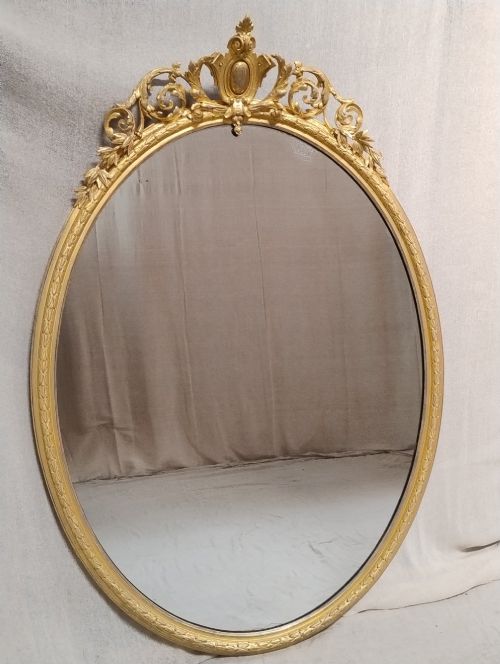
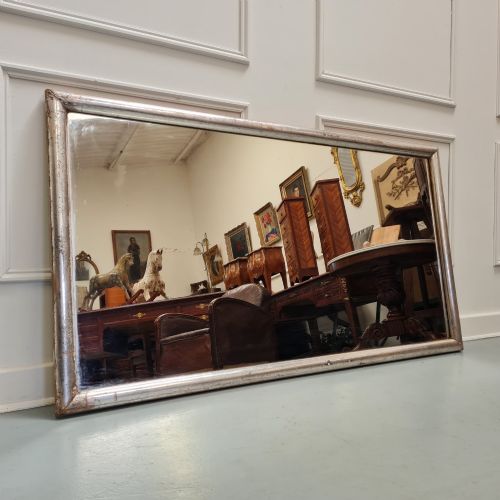
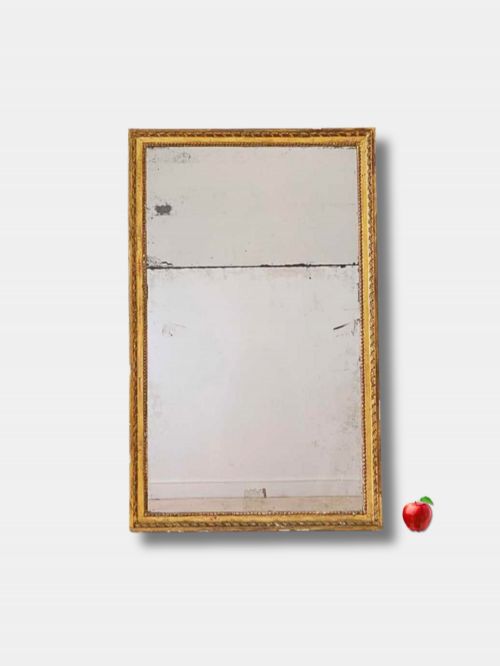
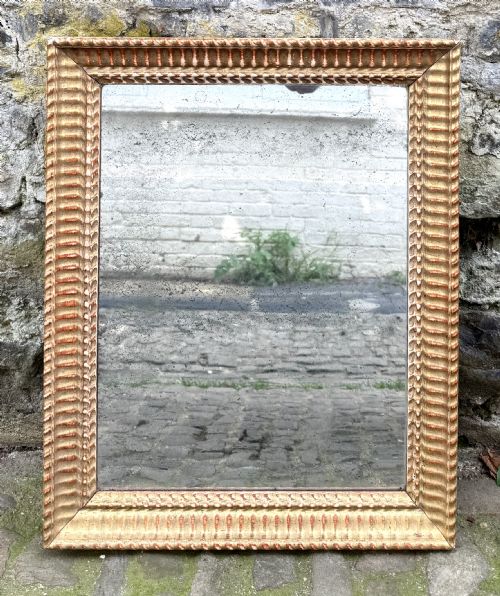
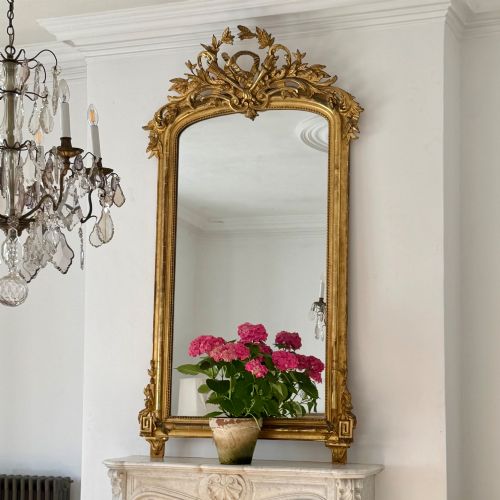
When you search for a french mercury mirror, you encounter wall-mounted plates, overmantels, and leaner glasses created across the eighteenth and nineteenth centuries. These objects combine heavy wooden frames with historic glass plates that show distinctive ageing.
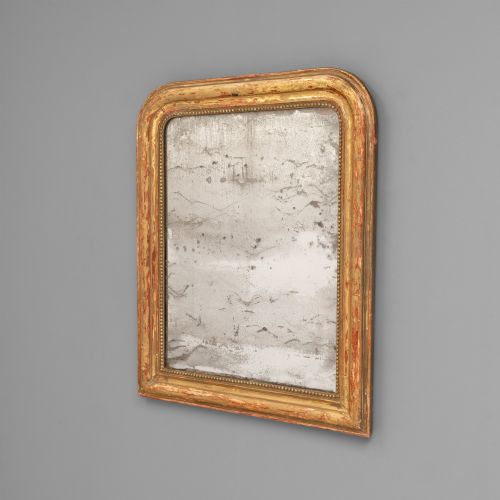
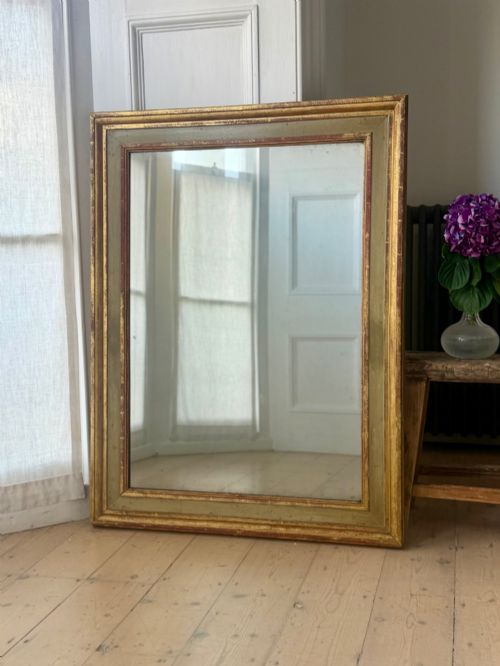
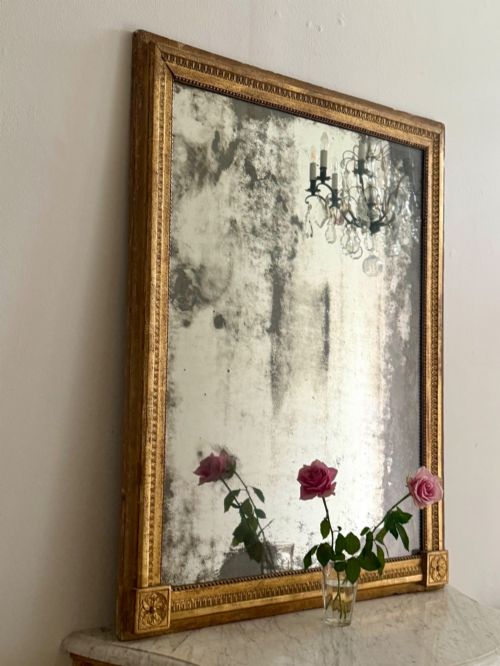
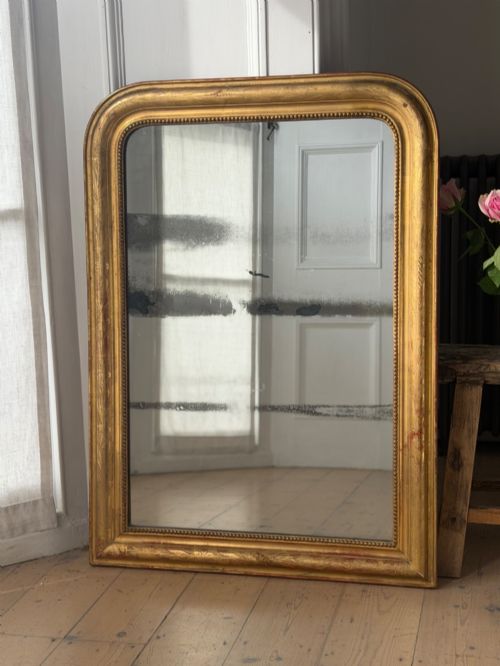
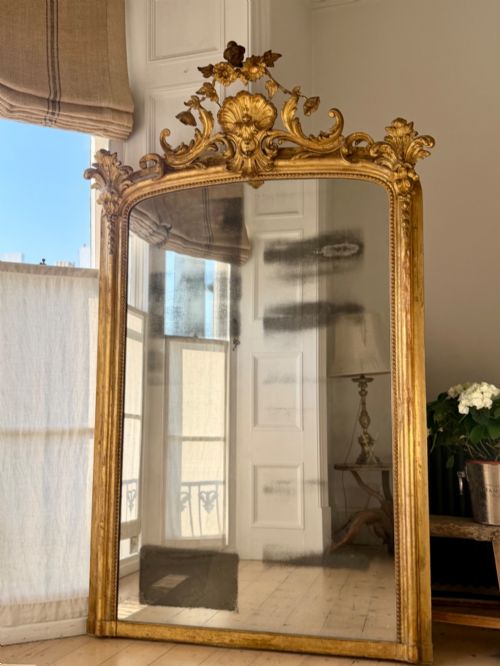
The examples on this page span styles such as Louis Philippe, Neoclassical, and Rococo alongside simpler bistro forms. Many retain their original plates, displaying the characteristic cloudiness and dark spots that collectors prize.
How they were made
Makers formed the reflective surface by applying a tin and mercury amalgam to the rear of the glass plate, a process that produced a warm and deep reflection. Frames were carved from wood, often applying layers of gesso before gilding with gold leaf or painting.
Joinery techniques involved pegged mortise and tenon joints for structural rigidity in large frames, whilst smaller bistro mirrors utilised simpler wooden constructions suited to daily commercial use.
Listings feature eighteenth and nineteenth-century periods, utilising materials such as giltwood, mercury glass, gesso, and brass across wall and plateau mirror forms.
What varies in quality
The grade of a french mercury mirror depends on the preservation of the original gilding and the depth of the carving on the wooden frame. Hand-carved gesso details that retain crisp edges separate superior examples from softer, worn pieces.
The condition of the glass plate itself dictates the character of the piece, where an undisturbed original plate with rich foxing holds greater historic integrity than a replaced mirror.
The French Mercury Mirror Glossary
- Mercury glass
- A type of silvered glass produced using a tin and mercury amalgam, giving a warm and deep reflection. This technique was largely replaced by modern silver nitrate methods in the mid-nineteenth century.
- Foxing
- The dark spots and speckled ageing that develop within the reflective backing over decades. This oxidation creates the characteristic cloudy patches valued by decorators.
- Trumeau
- A decorative wall mirror incorporating a painted panel or carved artwork above the glass plate. These items traditionally hung above fireplaces or between windows in period interiors.
- Giltwood
- Timber that has been coated with a thin layer of gold leaf over a prepared gesso base. This finish provides a bright and durable metallic surface.
- Gesso
- A plaster mixture applied to wooden frames as a smooth base for gilding or painting. It allows intricate moulded relief work to be fixed to the timber structure.
French Mercury Mirror: Frequently Asked Questions
How do I clean a french mercury mirror?
Clean the glass gently using a soft, dry cloth to avoid disturbing the fragile backing. Water and chemical cleaners can seep behind the edges and accelerate damage to the silvering.
Dust the gilded frame with a dry brush rather than liquid polish. Protecting the historic materials preserves the original appearance of the surface.
Are these mirrors original to the eighteenth century?
Many pieces date from the eighteenth and nineteenth centuries, featuring period construction and original glass plates. Examining the joinery and the backboards helps determine the age of the frame.
Some items combine older plates with later frames or retain original mercury glass within nineteenth-century structures. Reviewing the specific period details clarifies the timeline of each piece.
Why does the glass look dark in places?
The dark patches, known as foxing, occur when air and moisture interact with the metal backing over time. This chemical reaction creates an uneven, atmospheric reflection unique to historic glass.
Collectors value this natural ageing because it distinguishes antique mercury plates from modern manufactured mirrors. Each pattern of spots records the history of the specific piece.