


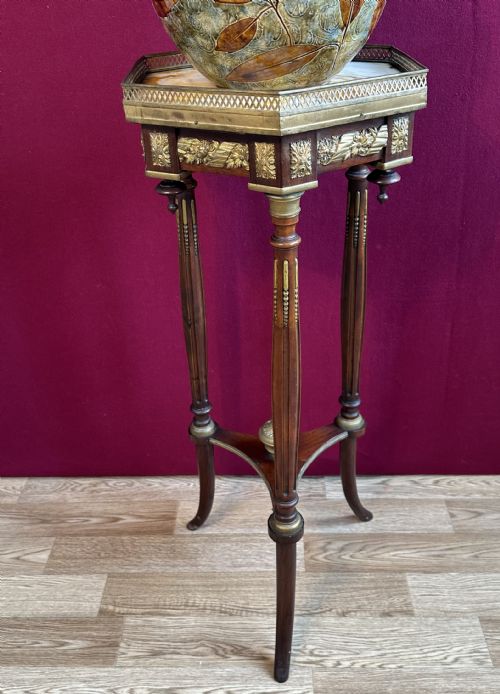
French Jardiniere Stand
A french jardiniere stand holds indoor plants with decorative presence, bringing classic continental horticulture into domestic rooms.
What a french jardiniere stand is
A french jardiniere stand combines a plant container with an elevated support structure designed to display greenery within a room. The evidence reveals plant stands and planters appearing alongside designated jardiniere stands, crossing over with general plant tables and torchere lamps.
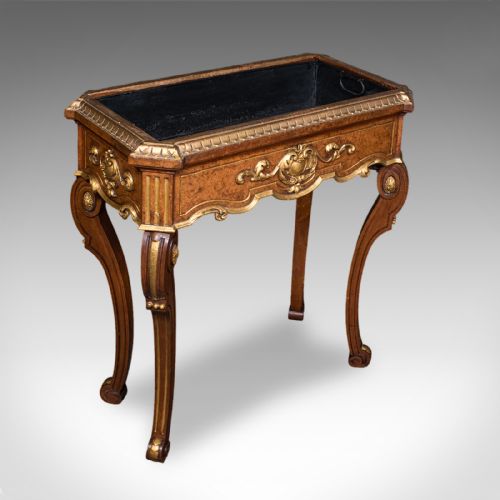
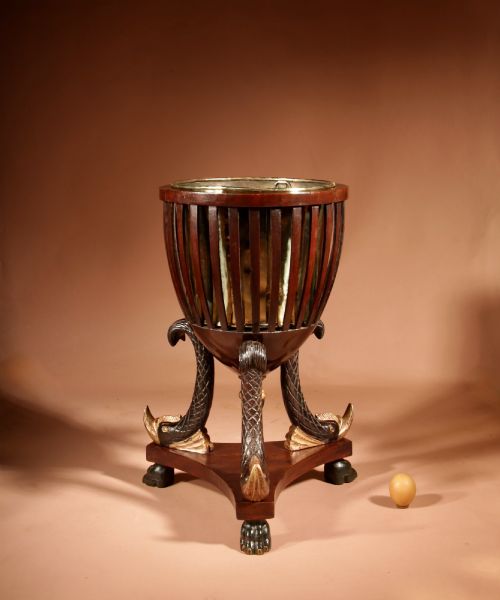
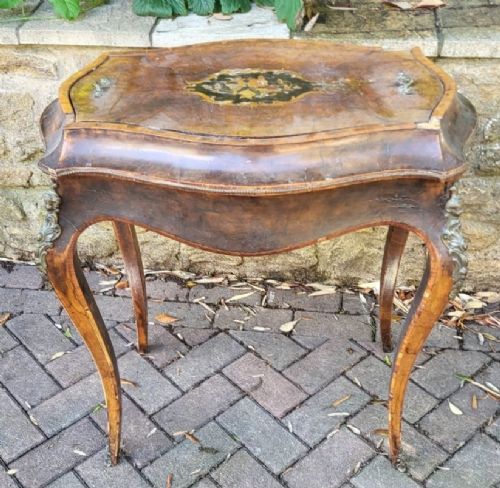
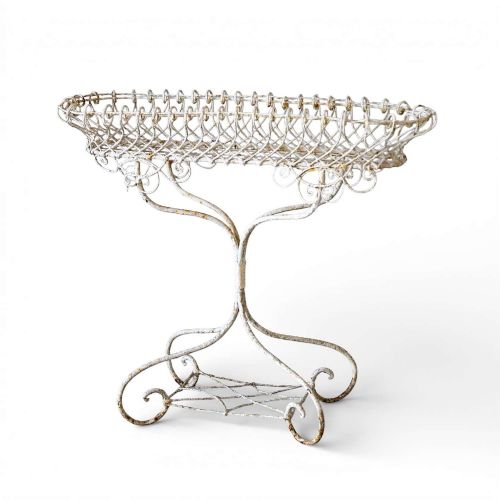
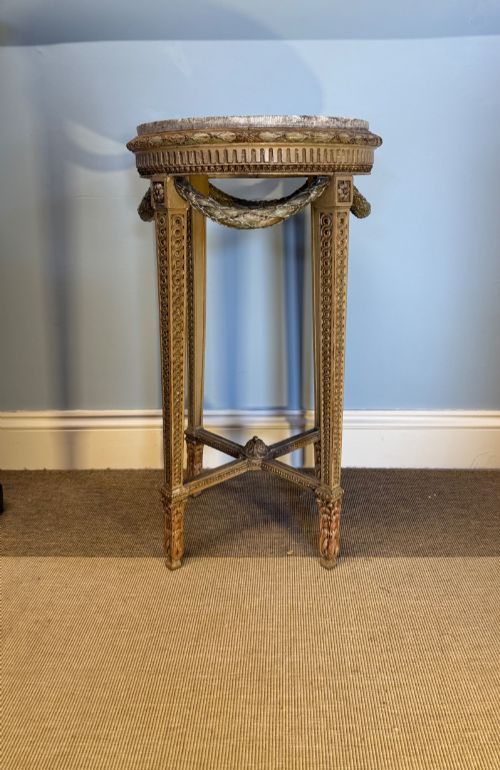
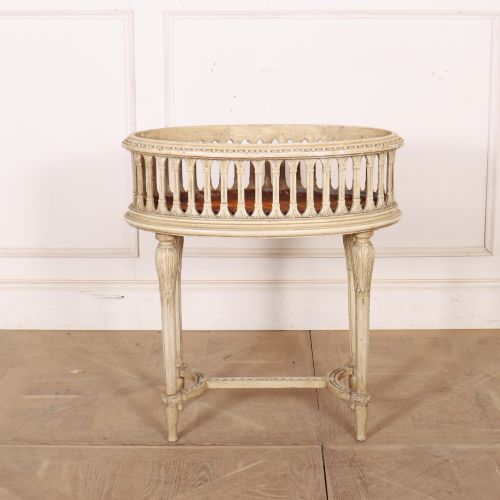
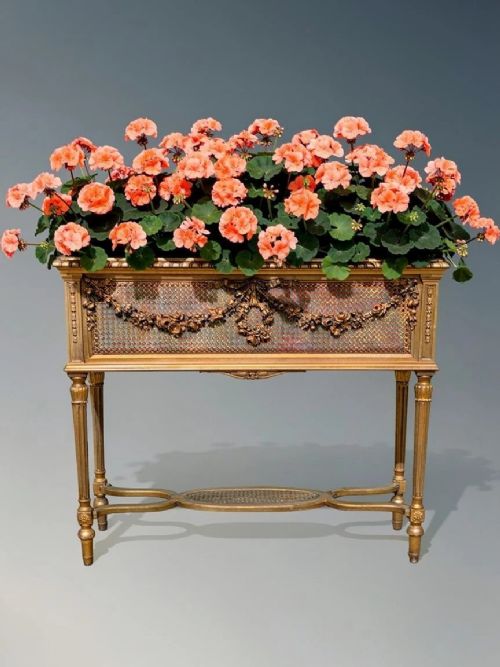
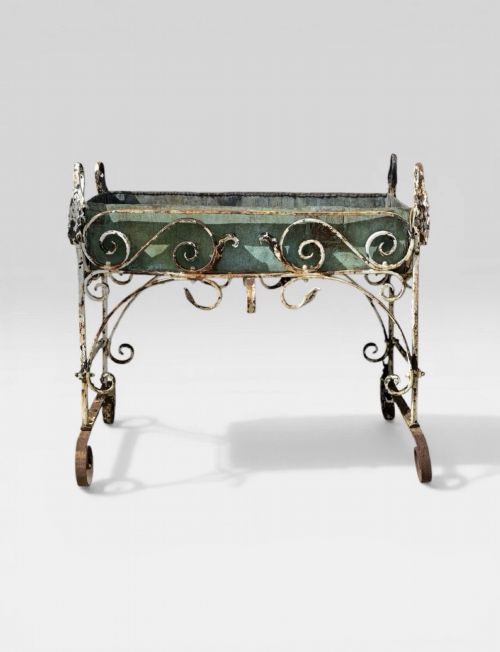
The pieces on this page span several notable periods, originating from the early nineteenth century through the Belle Epoque and 1930. Buyers encounter everything from two-tiered giltwood designs to garden planters in wrought iron.
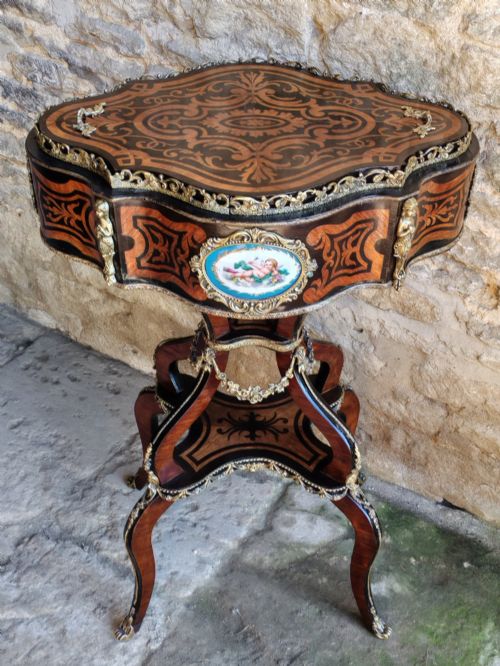
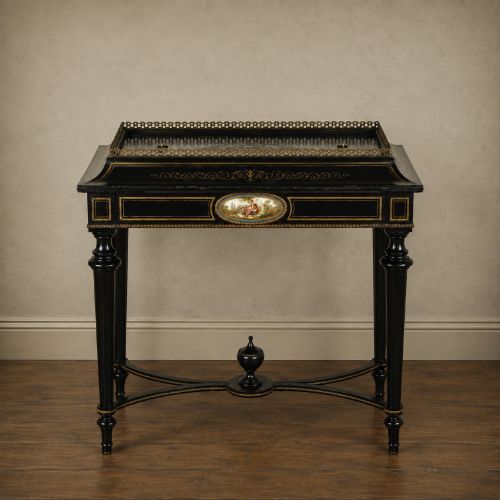
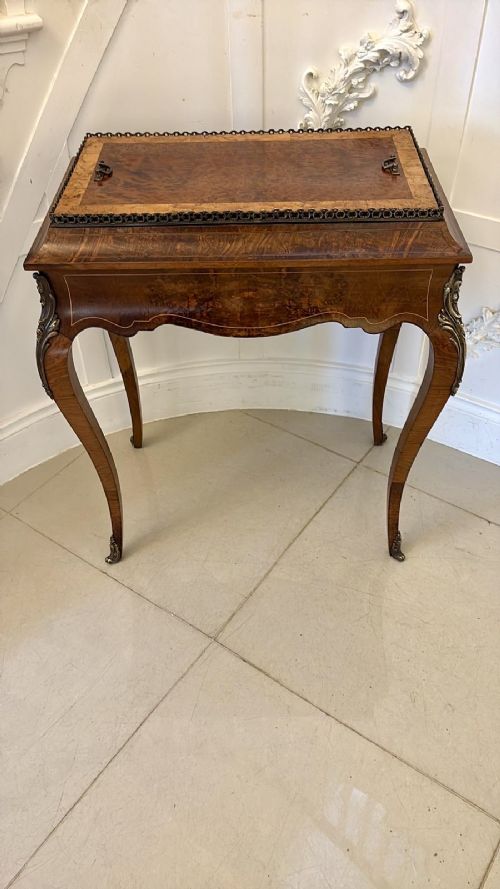
Styles range from French Empire and Louis XV Revival to Victorian interpretations. Forms vary from freestanding tables and multi-tiered stands to pieces fitted with Sevres-type plaques or marble tops.
Materials and construction
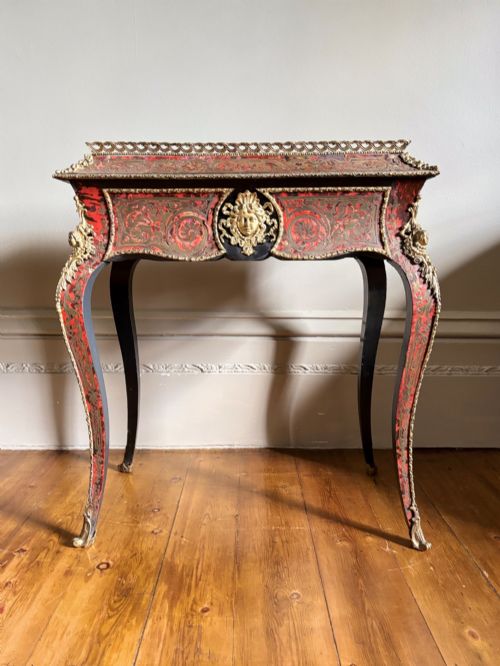
Makers utilised a diverse selection of materials, pairing hardwoods like walnut, rosewood, and mahogany with soft giltwood and painted finishes. Metal components include brass, sheet metal, gilt metal, ormolu mounts, and sturdy wrought iron.
Decorative techniques recorded in the evidence involve intricate marquetry inlay, cane work, and hand-painted porcelain plaques. Marble inserts provide durable surfaces designed to withstand moisture from watering plants.
Structural elements incorporate carved woodwork, tiered frames, and integrated galleried rims to secure pots safely. Some examples combine pottery vessels or majolica bowls with dedicated wooden or metal stands.
Retail Price Guide 2026
Typical UK retail prices for french jardiniere stand, calculated from the Sellingantiques database of over a million retail prices indexed since 2003. This retail price guide relies exclusively on Sellingantiques data; no external sources or auction records are used, so the figures do not describe the wider market.
Several stands doubled as social staging devices, hoisting potted ferns high enough to let Victorian guests admire exotic foliage without blocking conversation.
Variations in quality
The distinction between standard examples and superior pieces rests on the complexity of materials and the execution of decorative details. Finer stands feature meticulous marquetry inlay, hand-carved giltwood, or genuine ormolu mounts rather than simpler painted finishes.
The integration of specialised elements such as Sevres-type ceramic plaques, inset marble tops, or original matching pottery inserts elevates a piece. Structural integrity across tiered frames and cane work also distinguishes workshop output.
Cohesion of style dictates visual success, where revival pieces successfully mirror the proportions and decorative grammar of their original periods.
The French Jardiniere Stand Glossary
- Jardiniere
- A large decorative pot or container for holding flowers or plants, often set upon its own dedicated stand.
- Ormolu
- Gilded bronze ornamentation applied to furniture, popular in French decorative arts to accent corners and rims.
- Marquetry
- Decorative veneer work using pieces of wood, metal, or shell fitted together to form geometric or floral patterns.
- Torchere
- A tall stand or pedestal originally designed to hold a torch or lamp, frequently adapted for plant display.
- Boulle
- A style of marquetry using tortoiseshell and brass inlay, associated with French cabinet making of the nineteenth century.
Frequently Asked Questions
What is a french jardiniere stand used for?
These stands serve primarily to elevate potted plants and floral arrangements off the floor for better visibility and interior display. They function as decorative furniture centerpieces in reception rooms, halls, and conservatories.
Historically, they protected fine flooring from water damage while showcasing exotic indoor greenery. Today, they continue to hold plants or act as standalone display pedestals for ceramics and decorative objects.
How do I identify different periods?
Dating relies on stylistic markers, construction methods, and prevailing design revivals recorded across the nineteenth and early twentieth centuries. Early examples from the eighteen-tens often display French Empire austerity or rich mahogany timbers.
Mid-century pieces frequently embrace Louis XV or Napoleon III revivals featuring ormolu mounts, marquetry inlay, and shaped marble tops. Later Belle Epoque and early twentieth-century items introduce lighter cane work, painted finishes, and wrought iron garden forms.
Can these stands hold heavy plants?
Load capacity depends on the primary material and structural design of the individual piece. Robust frames built from solid walnut, mahogany, or wrought iron handle heavier pots securely.
Stands featuring delicate caning, slender giltwood legs, or tiered assemblies suit lighter potted plants or dried arrangements. Checking the stability of joints and the supporting platform helps determine appropriate pot weight.
Where should I place a jardiniere stand?
Placement depends on the materials used and the amount of natural light available for living plants. Marble-topped and metal-lined stands resist moisture well, making plant care easier in sunlit corners or orangeries.
More delicate wood and giltwood versions suit sheltered indoor living spaces where they can function as decorative accent tables. Positioning them away from direct heat sources preserves vulnerable veneers and painted finishes.