

French Inlaid Cupboard
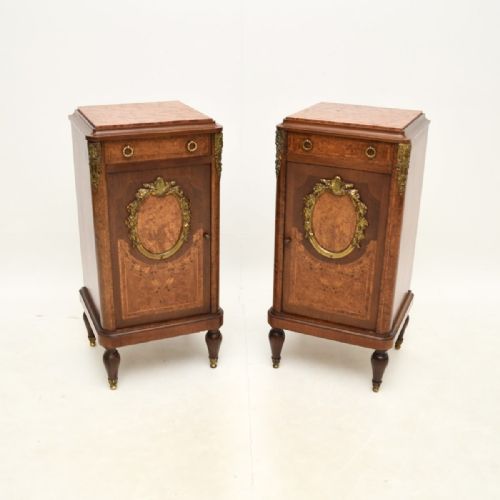
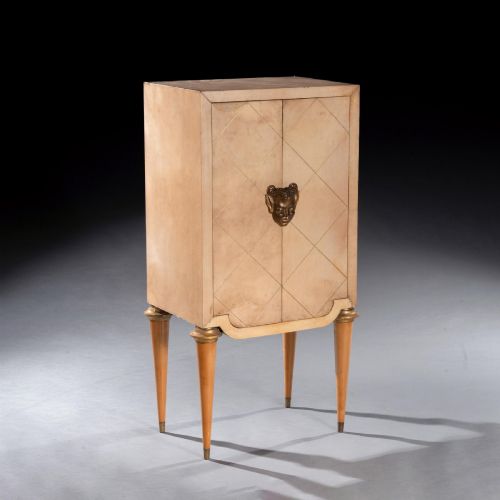
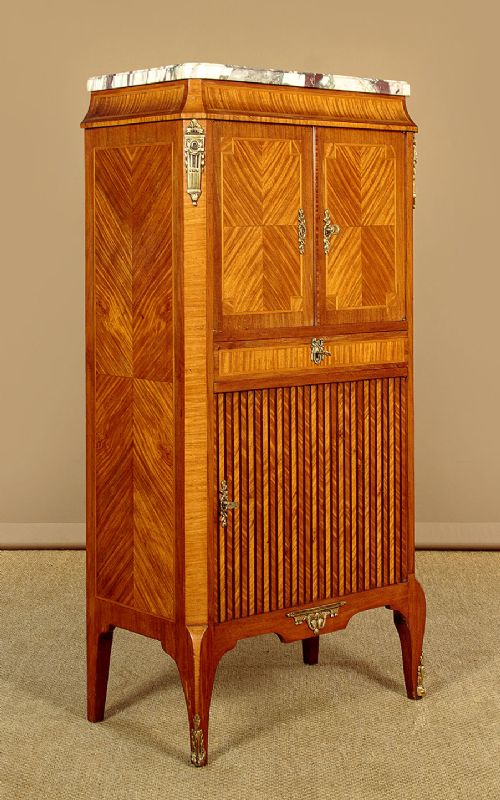
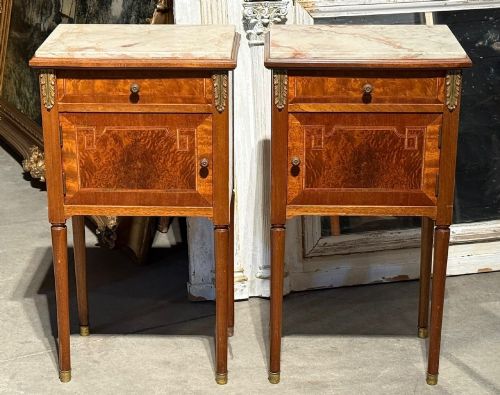
A french inlaid cupboard brings warmth and decorative precision to a room through contrasting woods and polished stone.
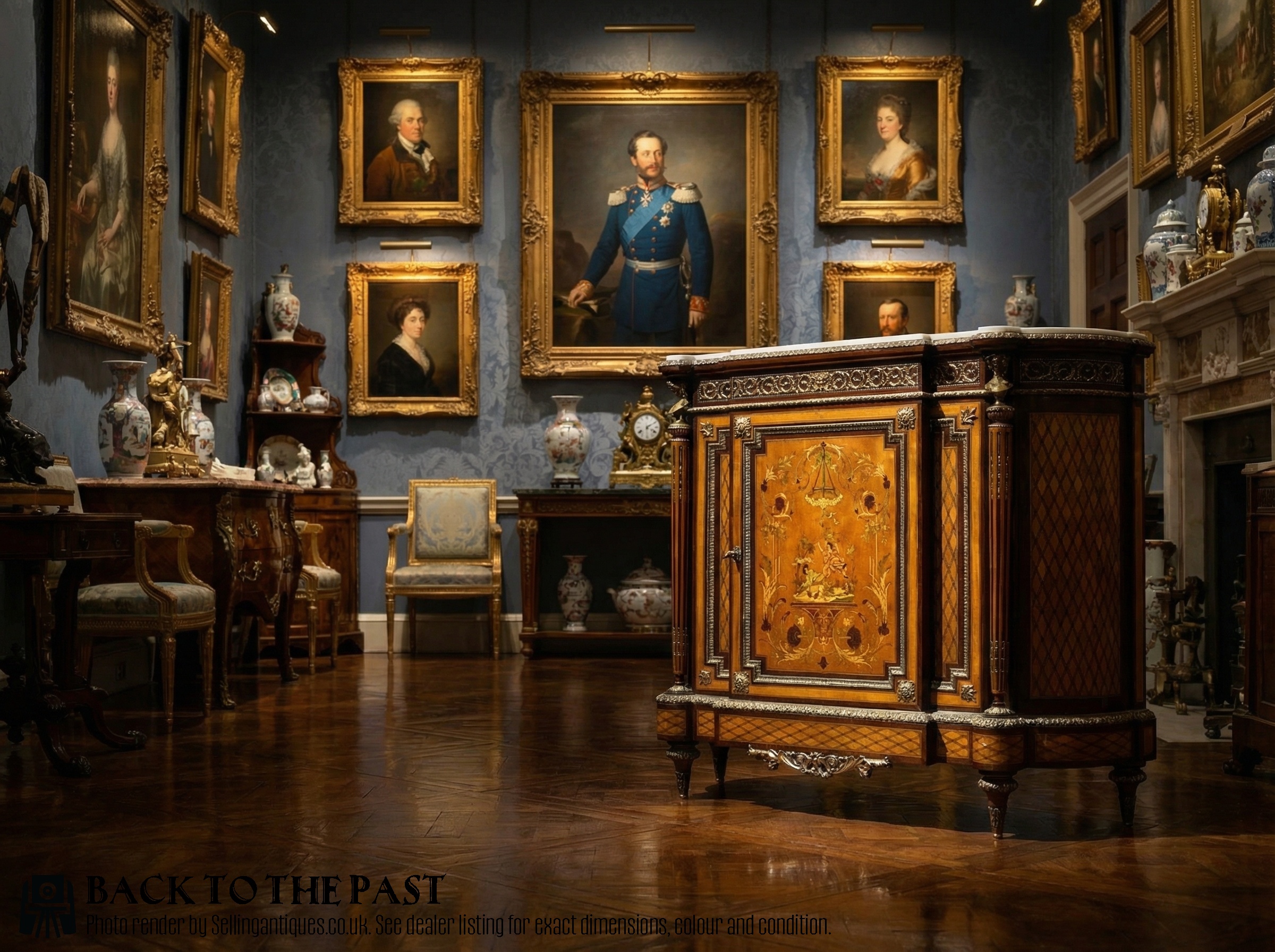
French Inlaid Cupboard
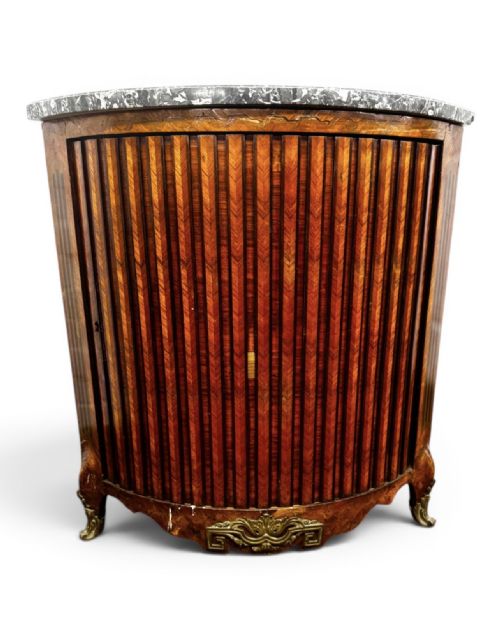
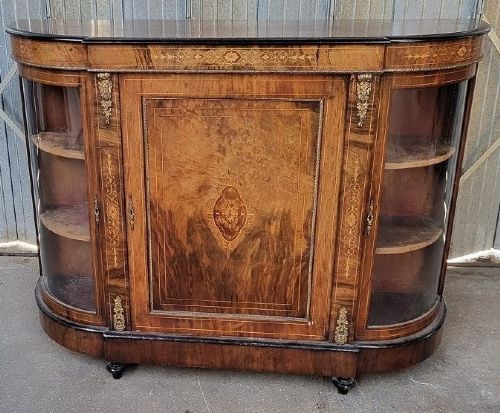
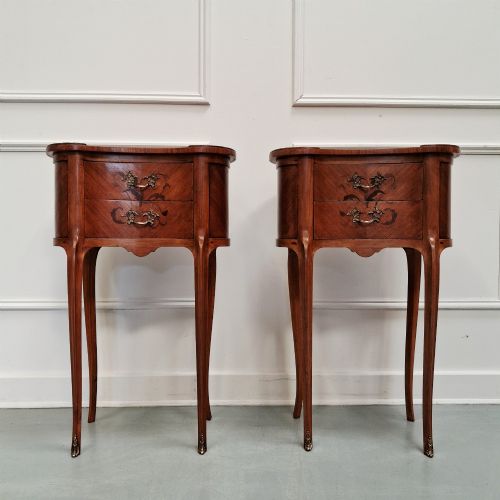
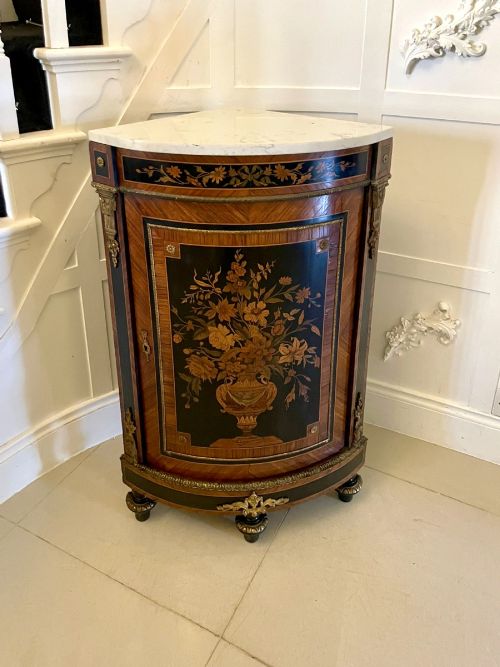
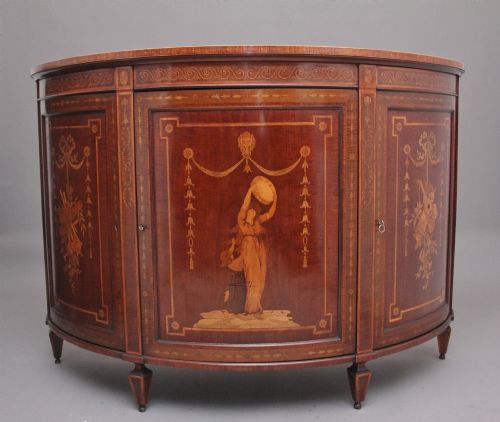
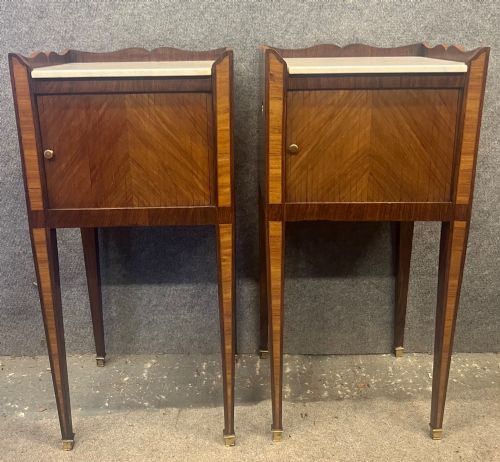
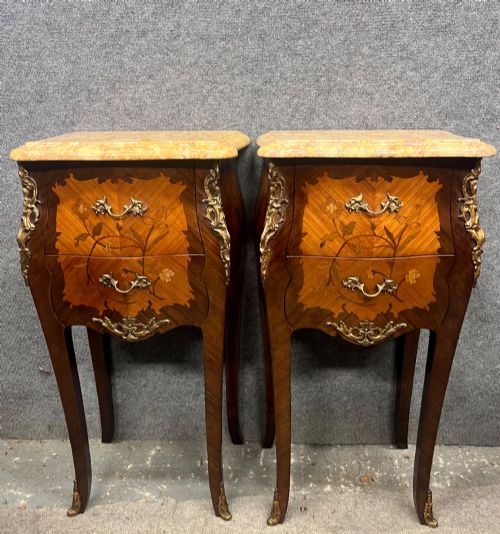
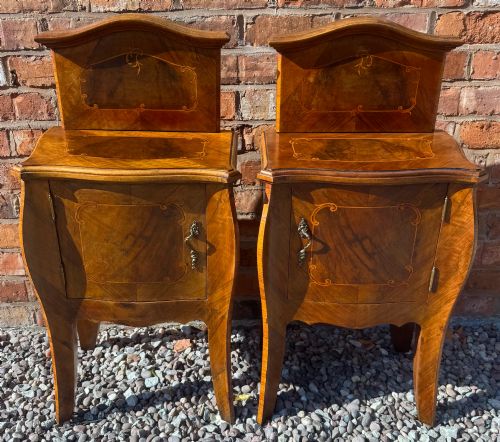
A french inlaid cupboard encompasses a variety of forms including bedside tables, side cabinets, display cases, and corner units produced across the nineteenth and early twentieth centuries. These pieces combine practical storage with decorative woodwork, often featuring curved serpentine or demi-lune fronts.
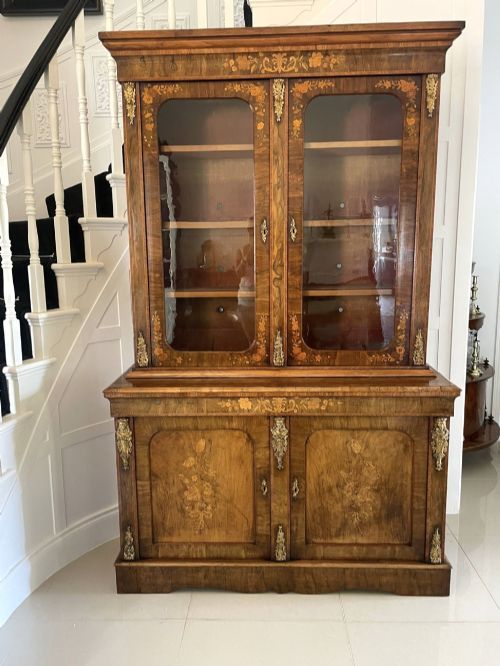
The selection frequently includes items from the Victorian and Edwardian eras alongside pieces reflecting French Louis XV and Louis XVI revivals. Buyers encounter compact bedside chests as well as larger credenzas and bookcases finished with intricate marquetry.
Originating largely from continental and British workshops, these cabinets serve functional roles as lamp tables or storage cupboards while displaying historical cabinet-making techniques.
How they were made
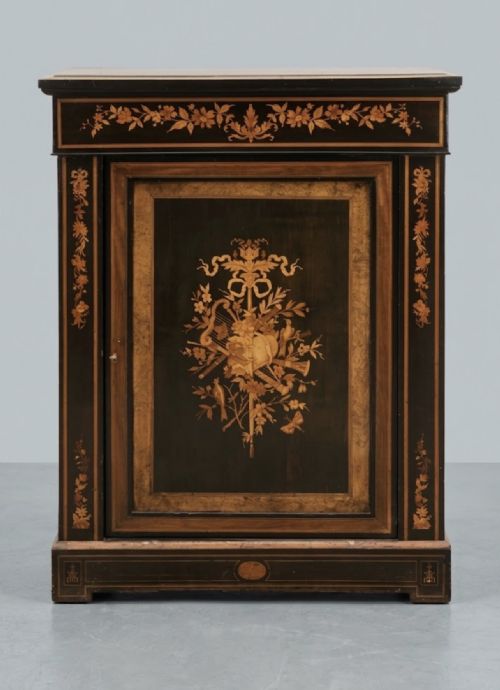
Construction relies on a carcase of solid timber such as walnut, mahogany, or kingwood, veneered with finer decorative woods including satinwood, tulipwood, and rosewood. Craftsmen cut contrasting veneers by hand to form floral marquetry or geometric parquetry patterns.
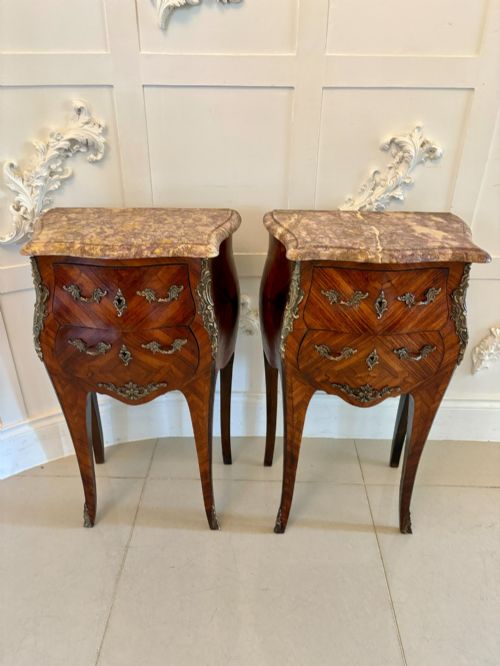
Many examples incorporate polished marble tops in white or coloured varieties, fitted precisely to the shaped stone surface of the cabinet. Cast or chased ormolu mounts and brass detailing accent corners, mounts, and key escutcheons.
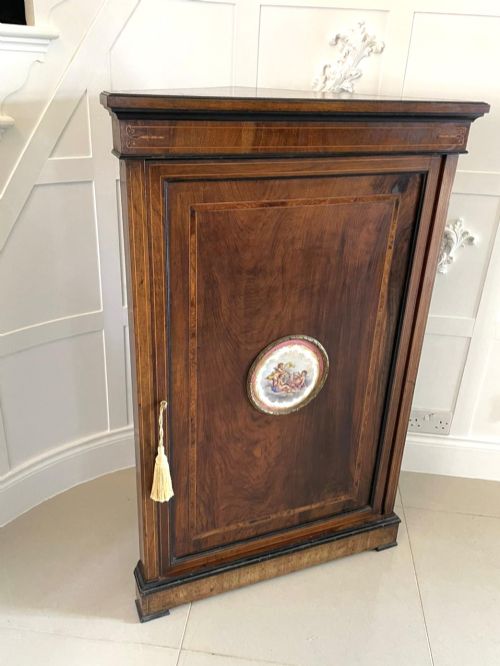
Specialised techniques such as boulle work integrate tortoiseshell and brass inlay into ebonised wood surfaces, while porcelain plaques occasionally inset into the timber add further ornamentation.
French Inlaid Cupboard Retail Price Guide 2026
Typical asking prices for french inlaid cupboard among the pieces listed under this phrase on Sellingantiques today, from the lower quarter to the upper quarter. They describe what is for sale here now, not the wider market.
Periods represented span from the nineteenth-century Victorian and Napoleon III eras through to Edwardian and Art Deco pieces.
What varies in quality
The standard of a french inlaid cupboard rests upon the crispness of the marquetry cutting and the choice of timbers utilised in the veneer. Rich grain selection in burr walnut or kingwood elevates the visual depth of the piece.
Superior examples feature heavier, more refined ormolu mounts and thick, well-finished marble slabs with profiled edges. The complexity of the carcase shape, such as bombe or serpentine curves, demands greater joinery skill than flat-fronted alternatives.
Maurice Jallot·Gabriel-Frederic Viardot
The French Inlaid Cupboard Glossary
- Marquetry
- Decorative veneer work arranged in pictorial or floral patterns using various coloured woods. It requires meticulous hand-cutting and fitting of individual wooden segments into a background ground.
- Ormolu
- Gilded bronze mounts applied to furniture for decorative enrichment. This technique creates metallic highlights that contrast with dark polished timbers.
- Boulle
- A style of marquetry utilising tortoiseshell and brass inlaid together into an ebonised wood background. It takes its name from André-Charles Boulle, a master cabinetmaker to Louis XIV.
- Demi-lune
- A half-moon shape characteristic of consoles and small cabinets designed to sit flush against a wall. This curved form softens room layouts.
- Parquetry
- Geometric wood inlay forming repeating patterns such as cubes or chequers. Unlike marquetry, it relies on strict symmetrical shapes rather than pictorial motifs.
French Inlaid Cupboard: Frequently Asked Questions
What rooms suit a french inlaid cupboard best?
These cabinets suit living rooms, hallways, and bedrooms where their decorative woodwork and compact footprints add functional surface space. Smaller bedside chests function effectively as lamp tables in modern interiors.
Larger credenzas and display cabinets provide statement storage in dining rooms or drawing rooms while exhibiting period craftsmanship.
How do I care for marble tops?
Marble surfaces require regular wiping with a soft, damp cloth and neutral soap to prevent staining from liquids or oils. Acidic substances can etch polished stone.
Applying a specialist stone wax periodically protects the finish without harming the surrounding wood veneer.
What is the difference between marquetry and parquetry?
Marquetry involves cutting varied veneers into pictorial or floral designs such as bouquets and scrolling foliage. It requires intricate hand-matching of diverse wood grains.
Parquetry uses geometric shapes like cubes or diamonds to create repeating patterns across the surface of the cabinet.
How do I identify a revival style?
Revival pieces emulate earlier French court aesthetics, particularly Louis XV and Louis XVI designs, using nineteenth-century manufacturing methods. Look for symmetrical proportions combined with machine-assisted or heavier hand-cut veneer work.
Ormolu mounts on revival pieces often display sharper casting definitions characteristic of Victorian and Edwardian workshops.