





French Glazed Dresser
These french glazed dresser pieces combine practical storage with display space, offering the ideal home for treasured tableware and linens.
French Glazed Dresser
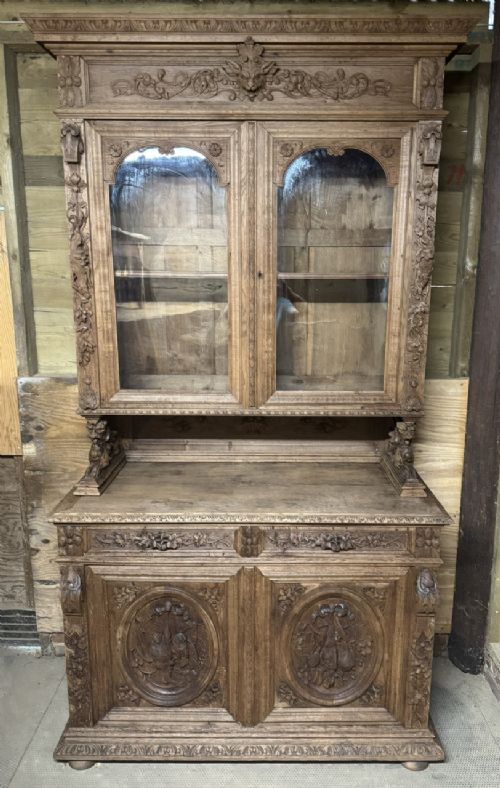
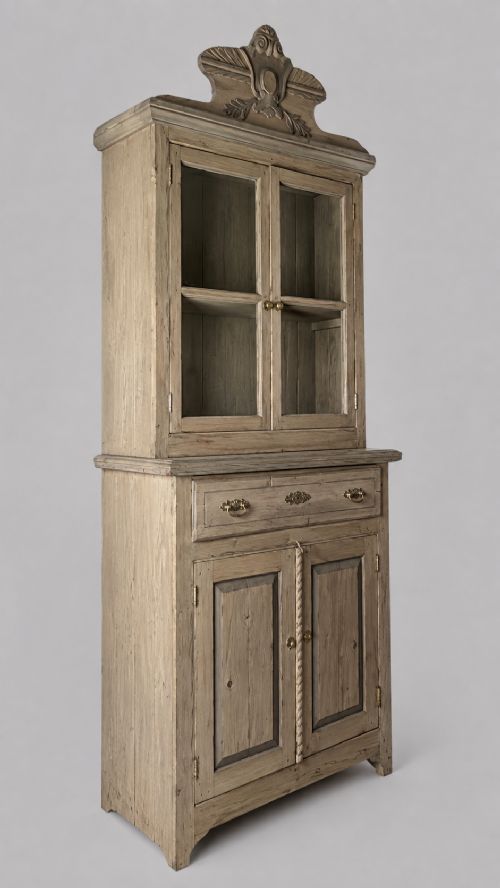
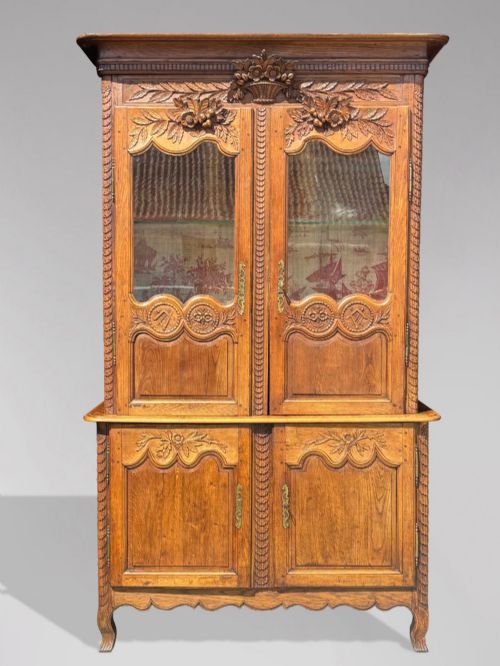
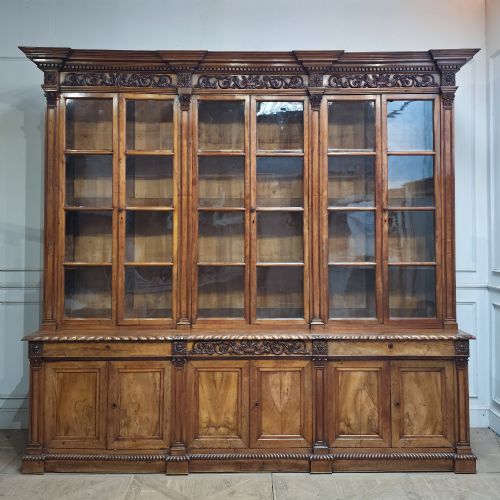
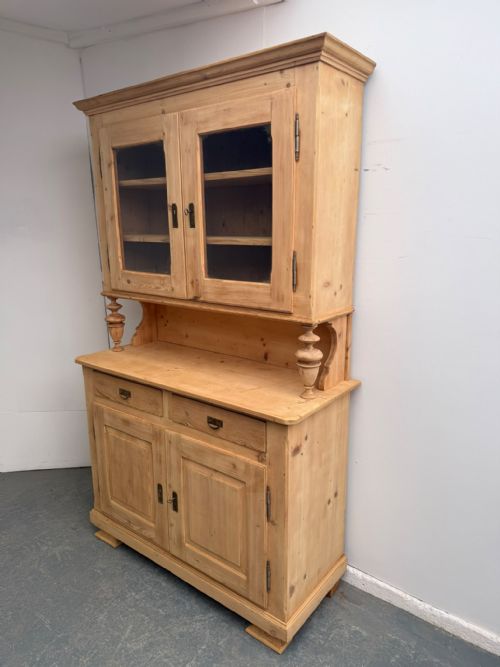
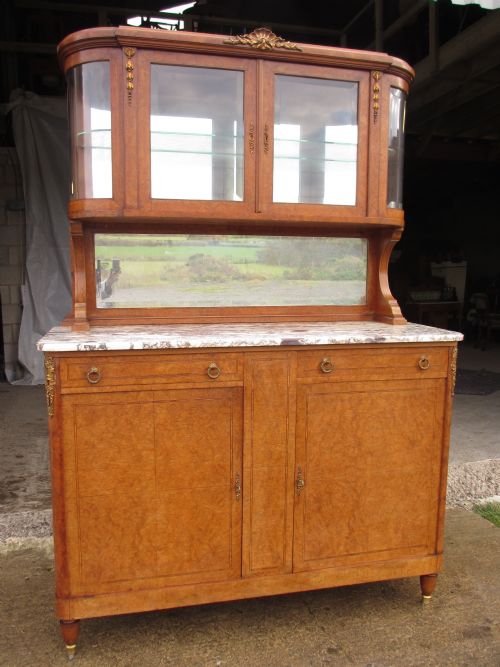
When you search for a french glazed dresser, you encounter substantial storage furniture designed with glass-fronted upper sections for display and enclosed lower cupboards. These pieces originate primarily from the eighteenth and nineteenth centuries, spanning regional country styles to formal revival designs.
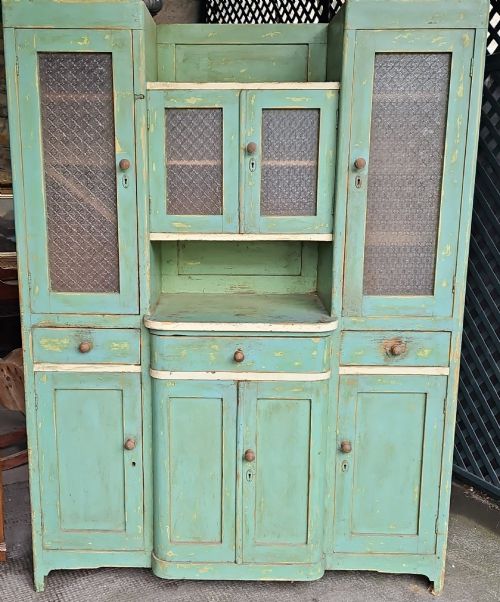
The selection ranges from oak buffet deux corps cabinets and pine kitchen dressers to walnut bookcases and painted cupboards. Regional pieces often display simple provincial lines, while formal examples incorporate carved details and distinct period proportions.
What varies in quality
The grade of timber and the depth of hand-carved ornamentation separate standard utility pieces from high-status examples. Superior construction shows in the precise alignment of heavy doors and the original retention of period glass and hardware.
Proportion and surface finish dictate the visual strength of the piece, with untouched painted finishes or well-waxed grain outperforming heavily altered surfaces. The integration of the upper and lower sections into a cohesive architectural whole marks the better examples.
French Glazed Dresser Retail Price Guide 2026
Typical asking prices for french glazed dresser among the pieces listed under this phrase on Sellingantiques today, from the lower quarter to the upper quarter. They describe what is for sale here now, not the wider market.
Some nineteenth-century French kitchen dressers carry the accumulated wax of generations of farmhouse lunches.
Limoges
The French Glazed Dresser Glossary
- Buffet deux corps
- A large two-tier cabinet featuring an upper glazed cupboard section resting upon a lower enclosed base. This architectural form provides extensive storage and display capacity.
- Vitrine
- A glass-fronted cabinet specifically designed for the display of porcelain, glassware, or curated objects. These pieces prioritise visibility through large glass panes.
- Ormolu
- Gilt-bronze decorative mounts applied to furniture surfaces. This decorative technique enhances the corners and keyholes of refined cabinets.
- Marquetry
- The art of applying decorative veneer pieces in wood to form intricate geometric or floral patterns. This technique appears on high-status Victorian surfaces.
- Pine
- A softwood commonly utilised in regional country furniture and kitchen dressers. It takes paint or wax finishes readily.
French Glazed Dresser: Frequently Asked Questions
How do I clean the glass?
Use a gentle glass cleaner applied to a soft cloth rather than directly onto the glass. This prevents moisture from seeping into old wooden frames.
Take care around antique glazing putty and aged wooden muntins to preserve the original structure.
Are these pieces heavy?
Most examples are substantial wooden furniture items often built in two separate sections for transport. Two people are necessary for safe handling and positioning.
Securing tall cabinets to a wall provides stability, especially with older heavy timber builds.
Can I paint the pine?
Many pine examples historically carried painted finishes which were frequently updated over generations. Applying a breathable paint allows the timber to adapt to room conditions.
Retaining untouched original paint surfaces preserves historical value for collectors who prefer unblemished age.
Where should I place a dresser?
Position these cabinets away from direct sunlight and strong heat sources to protect the wood and glass. Stable indoor environments prevent timber warping and shrinkage.
Ensure the floor is level so the heavy doors swing true and close evenly.